Lina Irawan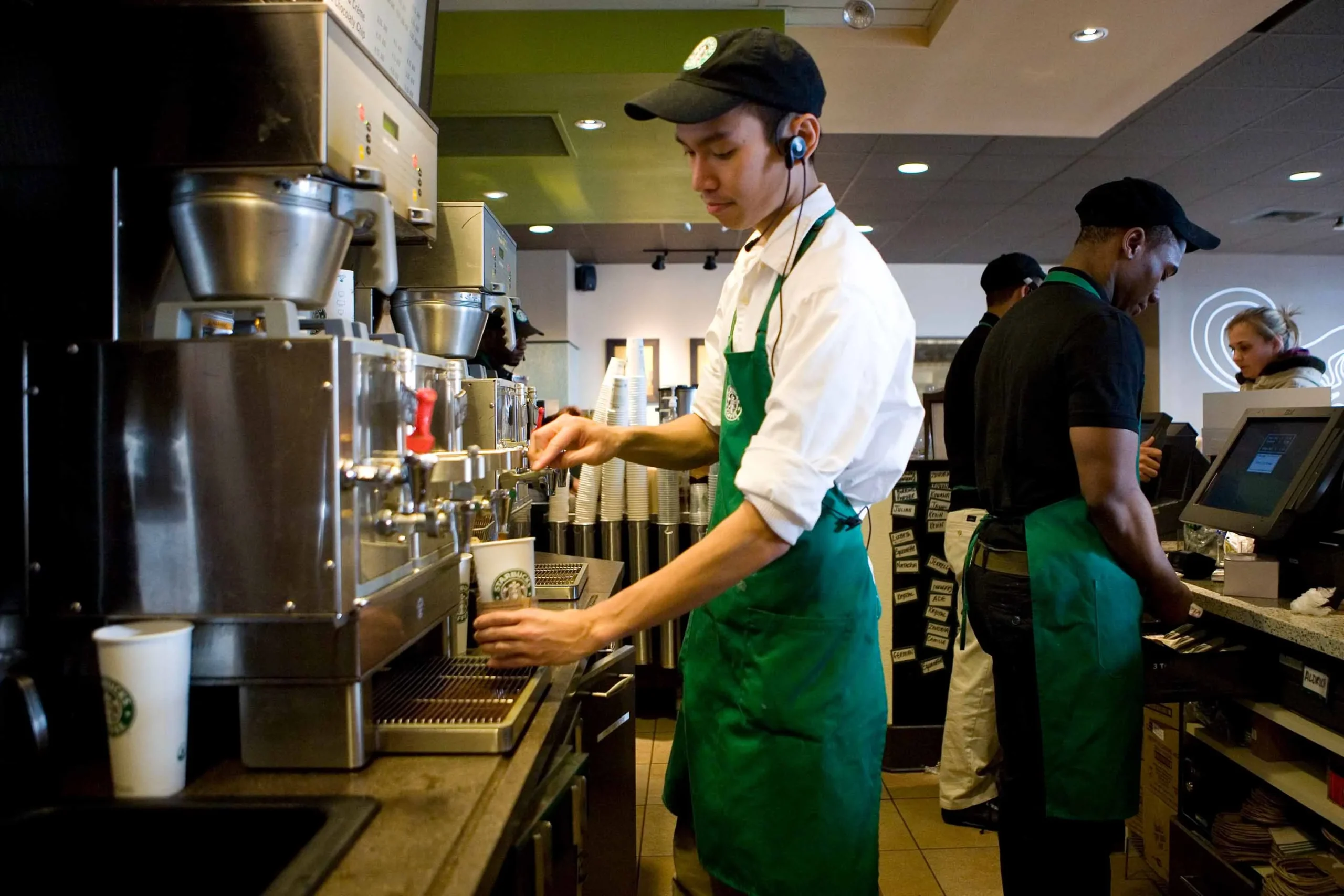
The unofficial start of autumn has once again been ushered in by Starbucks, with baristas across the nation commencing the serving of pumpkin spice lattes as early as Tuesday, effectively pulling the seasonal beverage launch forward by a full month. This annual tradition, now deeply ingrained in the American cultural calendar, comes with a notable price increase for consumers eager to embrace the flavors of fall.
The Escalating Cost of Autumn Indulgence
For 2026, a hot, 16-ounce Pumpkin Spice Latte – known as a "grande" in Starbucks’ proprietary lexicon – is projected to cost approximately $6.66. This figure, derived from average menu prices observed across several U.S. cities, marks a 16-cent increase from the $6.50 price point seen in the previous year. This incremental rise is part of a broader trend that has seen the cost of this iconic beverage nearly double since its widespread availability.
Since Money magazine began tracking prices for the drink in 2005, the cost of a grande PSL has escalated by a staggering 99%. This significant surge starkly contrasts with general inflationary trends over the same period. From September 2005 to the present day, overall consumer prices in the U.S. have risen by approximately 68%. Even the cost of roasted coffee, a primary ingredient, has increased by 84% over these two decades. The PSL’s price trajectory thus significantly outpaces both general inflation and the specific commodity cost of coffee, indicating a robust pricing strategy by Starbucks that likely accounts for brand premium, perceived value, and demand elasticity.
A Cultural Phenomenon’s Genesis and Evolution
The Pumpkin Spice Latte’s journey from a nascent idea to a global phenomenon began more than two decades ago. Conceived in 2003 within Starbucks’ "Liquid Lab," a research and development space dedicated to beverage innovation, the drink was initially a test market item. Its resounding success in a handful of cities paved the way for a national release in the United States in the fall of 2004. This rollout marked the true beginning of the PSL’s meteoric rise to fame, embedding itself not just as a beverage, but as a harbinger of the autumn season itself.
The original recipe, a blend of espresso, steamed milk, and a proprietary pumpkin spice sauce infused with notes of pumpkin, cinnamon, nutmeg, and clove, quickly captivated consumers. Its unique flavor profile, tapping into nostalgic autumnal sentiments, resonated deeply. Over the years, the PSL has evolved, with Starbucks introducing variations like the Pumpkin Cream Cold Brew and Pumpkin-flavored Chai, alongside countless copycat products from other coffee chains, grocery stores, and even entirely different industries, spawning an entire "pumpkin spice economy" encompassing everything from candles to cereals.
The Paradox of Popularity: Backlash and Resilience
Despite its undeniable commercial success and widespread adoration, the Pumpkin Spice Latte has also become a lightning rod for public discourse, attracting its fair share of criticism and even disdain. The phenomenon of "seasonal creep," where holiday and seasonal products are introduced earlier and earlier each year, is often epitomized by the PSL’s premature arrival. Critics argue that this commercialization dilutes the very essence of the seasons, pushing consumers into a perpetual cycle of overconsumption.
One of the most memorable public rebukes came from Last Week Tonight host John Oliver, who, in a widely circulated 2014 segment, famously proclaimed, "I will be subject to its tyranny no longer. It stops here." His tirade encapsulated the sentiment of many who viewed the drink as emblematic of excessive capitalism and the manufactured excitement around seasonal trends.
Yet, Oliver’s declaration proved largely ineffective. Twelve years later, the Pumpkin Spice Latte not only endures but thrives. It consistently remains Starbucks’ most popular seasonal beverage, a testament to its enduring appeal and the powerful brand loyalty it commands. This paradox – widespread criticism coexisting with overwhelming consumer demand – underscores the complex relationship between consumers, brands, and cultural phenomena in modern society.
Starbucks’ Strategic Reliance on Seasonal Launches
The enduring popularity of the PSL is not merely a cultural curiosity; it is a critical component of Starbucks’ business strategy. The coffee giant openly acknowledges its reliance on major seasonal menu launches, revealing that approximately 10% of its annual sales are generated from these limited-time offerings. The Pumpkin Spice Latte stands at the forefront of this strategy, acting as a powerful draw that significantly boosts store traffic.
Data from the business-intelligence firm Placer.ai provides tangible evidence of this impact. Last year, on the day the PSL launched, visits to Starbucks stores spiked by an impressive 27%. This initial surge is not fleeting; foot traffic tends to remain elevated throughout the entire week following the launch, indicating that the PSL acts as a sustained magnet for customers. This consistent performance allows Starbucks to leverage the seasonal excitement, not just to sell the iconic latte, but also to expose customers to other menu items, loyalty programs, and seasonal merchandise, creating a "halo effect" across their product lines.
The strategic timing of these launches is meticulously planned, often involving extensive market research and predictive analytics. By launching the PSL earlier, Starbucks effectively extends its high-demand seasonal selling window, capturing consumer attention before competitors fully enter the market. This aggressive approach, while contributing to the "seasonal creep" debate, undeniably yields significant financial returns for the company.
Economic Implications and Consumer Behavior in an Inflationary Environment
The question of whether price-conscious Americans will continue to readily shell out over $6 for the infamous latte in an increasingly inflationary economic climate remains pertinent. While consumers are generally more sensitive to price increases for everyday necessities, premium seasonal treats like the PSL often occupy a different psychological space. For many, it’s an affordable luxury, a small indulgence that brings comfort and a sense of tradition, especially during times of economic uncertainty.
Economic analysts often point to the concept of "elasticity of demand." While some consumers may balk at the rising price and opt for cheaper alternatives or make the drink less frequently, a significant segment of the PSL’s loyal fanbase demonstrates relatively inelastic demand. This means their purchasing habits are less affected by price changes, driven instead by brand loyalty, habit, and the emotional connection to the product.
Furthermore, the perceived value of the PSL extends beyond its mere ingredients. It offers an experience, a signal of the changing seasons, and a moment of personal indulgence. In a world where experiences are increasingly valued, and social media amplifies these shared moments, the PSL retains its allure despite its escalating cost. This allows Starbucks to maintain a premium price point, reflecting not just the cost of production, but also the significant marketing, brand equity, and cultural significance embedded within each cup.
The Broader Impact: Beyond the Cup
The Pumpkin Spice Latte’s influence extends far beyond Starbucks’ balance sheet. It has reshaped seasonal marketing strategies across various industries. Retailers now closely monitor the PSL launch as an unofficial signal to begin displaying fall merchandise. Food manufacturers race to introduce their own pumpkin spice flavored products, from cereals and yogurts to snacks and alcoholic beverages. This creates a self-reinforcing cycle, where the early launch of the PSL helps to ignite a broader "pumpkin spice season" that benefits numerous other brands.
The drink also serves as a fascinating case study in consumer psychology and brand management. Starbucks has masterfully cultivated a sense of anticipation and exclusivity around the PSL, even as it becomes more ubiquitous. The limited-time availability, despite its "early" arrival, creates urgency and excitement, driving consumers to stores. This strategy, coupled with effective social media engagement and a strong brand narrative, has solidified the PSL’s status as a cultural icon.
The Future of Fall’s Favorite Flavor
As the Pumpkin Spice Latte continues its reign, questions persist about its long-term trajectory. Will the price continue its upward climb, eventually testing the limits of consumer willingness to pay? Will the "seasonal creep" reach a saturation point, or will the PSL eventually launch even earlier, perhaps in July?
For now, the data suggests that the Pumpkin Spice Latte remains a formidable force in the beverage industry and a powerful cultural touchstone. Its ability to consistently drive traffic and revenue, even in the face of rising prices and cultural critique, underscores its unique position. As the leaves begin to hint at a change and the air carries a subtle chill, millions will continue to queue up, ready to partake in the annual ritual, proving that for many, the taste of autumn is, and perhaps always will be, inextricably linked with a cup of Starbucks’ pumpkin, cinnamon, nutmeg, and clove-infused latte. The tyranny, as John Oliver once called it, continues, but it’s a tyranny willingly embraced by a vast and devoted following.