Nila Kartika Wati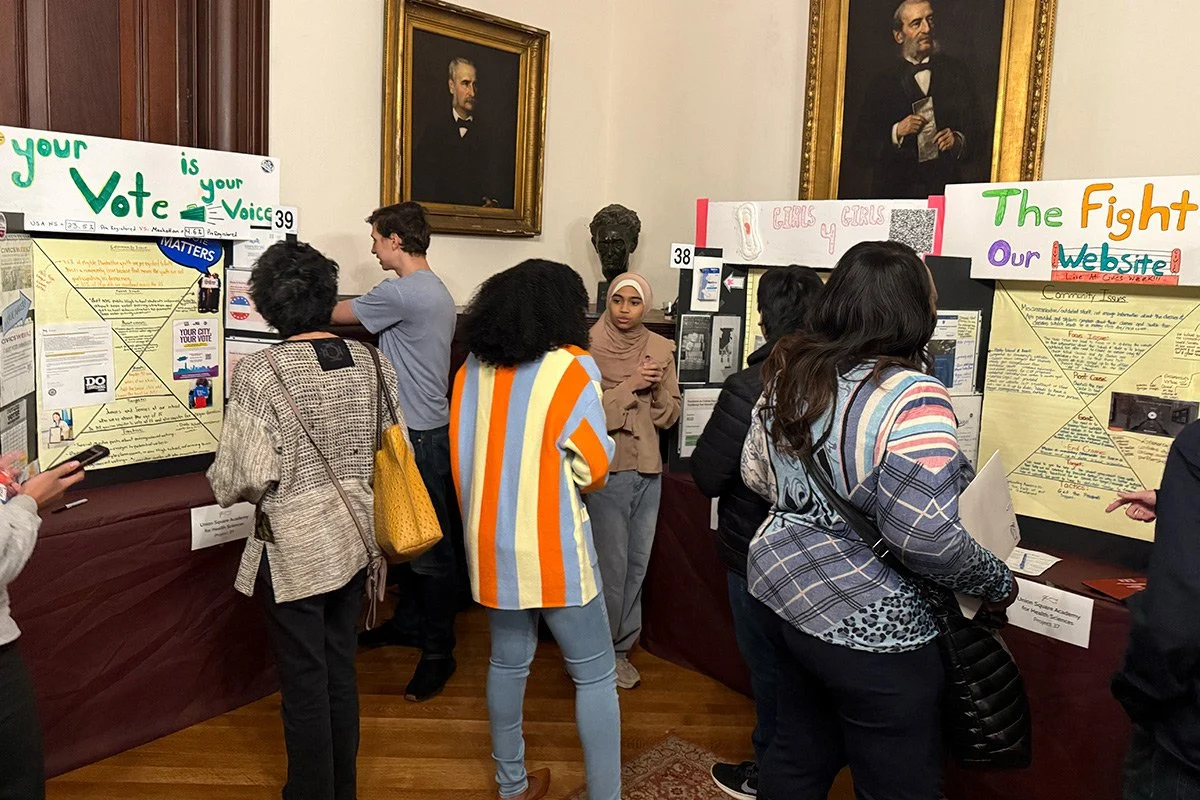
The ongoing discourse regarding the health of American democracy has increasingly shifted toward the necessity of robust "civic infrastructure," a term that encompasses the systems, organizations, and cultural practices that enable citizens to participate meaningfully in self-governance. At the forefront of this movement is Generation Citizen, an organization dedicated to transforming civics education from a passive study of historical documents into an active, project-based experience. By centering youth voices and fostering "civic imagination," the organization argues that the survival of democracy over the next 250 years depends on the integration of young people into the political process long before they reach the voting booth. A primary example of this pedagogical shift is seen in the journey of Sumaiya Alam, a young advocate whose middle-school initiative to introduce halal food options in New York City schools serves as a blueprint for modern action civics.
The Evolution of Action Civics and Generation Citizen
To understand the context of current youth advocacy, it is essential to examine the framework of "Action Civics." Unlike traditional civics, which often focuses on rote memorization of the branches of government or the Bill of Rights, Action Civics requires students to identify a community issue, research its root causes, and develop a strategic plan to influence public policy. Generation Citizen, founded in 2009, has been a pioneer in this field, operating on the premise that democracy is a skill that must be practiced rather than a subject that is merely taught.
The organization’s methodology involves partnering with social studies teachers to implement a semester-long curriculum where students take real-world action. This approach addresses what researchers call the "civic empowerment gap," where students in under-resourced communities often receive less high-quality civic education than their wealthier peers. By providing a platform for students like Alam, these programs aim to bridge the divide between theoretical knowledge and practical political agency.
A Chronology of Advocacy: From the Classroom to the Bar Association
The trajectory of Sumaiya Alam’s civic engagement began in a seventh-grade social studies classroom in New York City. The class identified a significant gap in the Department of Education’s (DOE) nutritional services: the lack of halal food options for the city’s large Muslim student population. This project was not merely an academic exercise but a response to a tangible community need. Over the course of half a school year, students conducted research and formulated a proposal to present to educational authorities.
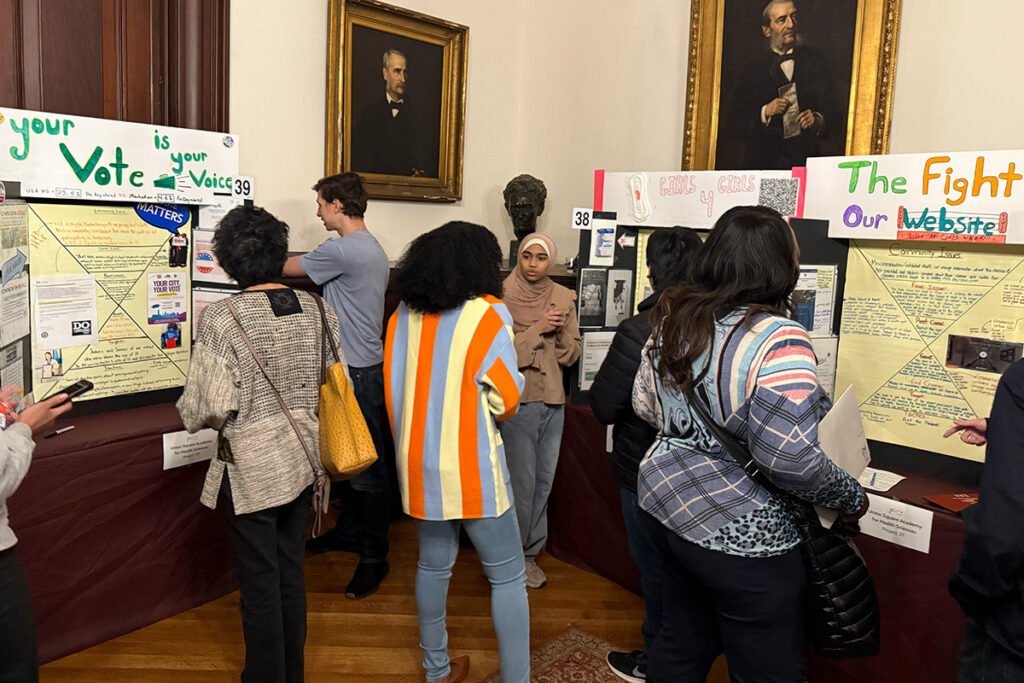
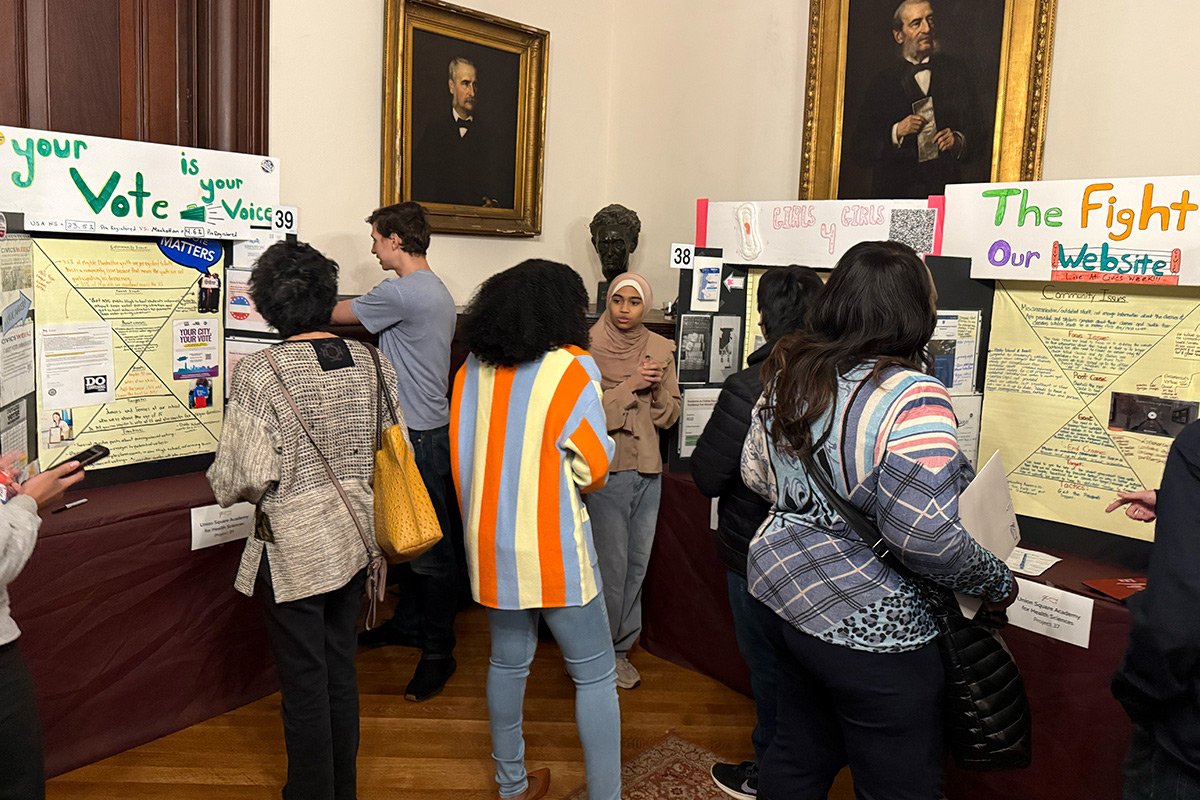
A pivotal moment in this chronology occurred during "Civics Day," an annual event hosted by Generation Citizen. Alam was selected to present her class’s project at the New York City Bar Association. This venue provided a professional stage where students interacted with community advisors, legal experts, and local leaders. According to Alam, the experience of being listened to by adults in positions of power was the catalyst for her transition from a student to a civic actor. This event underscored a critical component of civic infrastructure: the willingness of established institutions to provide a serious audience for youth-led initiatives.
Supporting Data: The Impact of Civic Education on Long-term Participation
The necessity for programs like Generation Citizen is supported by national data regarding civic literacy and engagement. According to the National Assessment of Educational Progress (NAEP), often referred to as "The Nation’s Report Card," civics scores among U.S. eighth-graders have seen a concerning decline in recent years. In the 2022 assessment, only 22 percent of students performed at or above the "proficient" level.
However, research from the Center for Information and Research on Civic Learning and Engagement (CIRCLE) at Tufts University suggests that when students receive high-quality, action-oriented civic education, they are more likely to vote, volunteer, and follow the news as adults. Data indicates that Gen Z is already showing higher rates of political engagement than previous generations at the same age. For instance, the 2020 presidential election saw one of the highest youth voter turnouts in decades, with approximately 50 percent of eligible voters ages 18–29 casting a ballot. Programs that foster "civic imagination"—the ability to envision a more equitable society and the steps needed to achieve it—are credited with sustaining this momentum.
Redefining Democracy Beyond the Voting Booth
A significant theme in the narrative of youth engagement is the broadening definition of democracy. For many young people, the initial understanding of democratic participation is limited to the act of voting in general elections every four years. Alam’s experience reflects a growing realization among her peers that democracy is a continuous process of systemic influence.
In her reflections, Alam notes that her understanding of democracy evolved from a singular focus on the ballot box to a broader comprehension of collective action. This involves fighting against injustice and inequality by influencing laws and governmental decisions in real-time. This perspective aligns with the "Civic Imagination" framework, which encourages participants to use "out-of-the-box" tactics to solve community issues. For Alam, this included using creative outreach to engage her fellow students and connecting with community leaders to bridge the gap between student advocacy and policy implementation.
Official Responses and the Role of Institutional Support
The success of student-led initiatives often depends on the responsiveness of government agencies and local organizations. In the case of the halal food initiative, the New York City Department of Education’s eventual move toward inclusive dining options demonstrated the efficacy of student pressure. Educational experts argue that when school districts treat students as stakeholders rather than mere recipients of services, it fosters a more transparent and effective administrative environment.
Furthermore, the involvement of the New York City Bar Association highlights the role of the legal and professional community in nurturing civic talent. By providing a forum for Civics Day, these institutions validate the efforts of young advocates, signaling that their contributions are essential to the city’s governance. This synergy between youth energy and institutional expertise is a cornerstone of the reimagined democracy that Generation Citizen promotes.
Broader Impact and the Future of Civic Infrastructure
The implications of youth-led advocacy extend far beyond individual projects like school lunch menus. As Alam suggests, meaningfully incorporating youth voice in practice requires creating permanent spaces for students to express concerns and propose solutions. This includes institutionalizing practices such as:
- Pre-registration for Voting: Encouraging students to register before they turn 18 to ensure they are ready to participate as soon as they are eligible.
- Participatory Budgeting: Allowing students to have a direct say in how a portion of public or school funds is spent.
- Action-Based Social Studies: Replacing traditional lectures with curricula that require students to engage with their local government.
- Intergenerational Collaboration: Facilitating regular dialogues between youth and community leaders to solve local dilemmas.
The long-term goal of these efforts is to dismantle the mindsets of fear, apathy, or lack of education that often hinder civic participation. By empowering students to see the direct impact of their work, organizations like Generation Citizen are building a pipeline of informed and active citizens.
Conclusion: The Next 250 Years of Democracy
As the United States approaches its semiquincentennial, the focus on youth civic identity is more than a pedagogical trend; it is a strategic necessity for democratic stability. The reflections of Sumaiya Alam provide a case study in how early exposure to advocacy can transform a student’s worldview. The transition from "talking about issues" to "actually doing something about them" represents the fundamental shift required for a healthy body politic.
The future of democracy, as envisioned by those currently in the classroom, is one where the government takes the opinions of the public into constant consideration, imposing laws that protect rights rather than oppress. For this vision to be realized, the "civic imagination" of the youth must be met with the resources and institutional support of the current generation of leaders. Through the continued expansion of action civics, the next 25, 50, and 250 years of democracy may be characterized not by polarization and withdrawal, but by a renewed sense of collective power and participation.