Julia Chirkova
In a significant legal development underscoring the stringent expectations placed upon those who enforce tax laws, a federal appeals court has affirmed the dismissal of a former Internal Revenue Service (IRS) supervisor, Brenda Harris-Campbell, for her failure to adhere to tax regulations. The ruling, delivered by the U.S. Court of Appeals for the Federal Circuit on August 20, 2026, in the case of Harris-Campbell v. U.S. Fed. Ct. Appls. Dk. No. 24-1470, solidifies the principle that IRS employees, particularly those in leadership positions, are held to a higher standard of accountability regarding their personal tax obligations.
The case, which has seen a protracted legal journey, originated from allegations of tax fraud and other improprieties by Ms. Harris-Campbell, who had risen through the ranks of the IRS to become a Supervisory Revenue Officer. Her tenure at the agency was marked by a dual role: enforcing federal tax law while simultaneously engaging in actions that investigators later deemed violations of that very law. The matter came to light through a complaint filed by her goddaughter, initiating a chain of events that ultimately led to Ms. Harris-Campbell’s termination and subsequent legal challenges.
A Detailed Chronology of Allegations and Investigations
The roots of the case trace back to 2010 with the death of Ms. Harris-Campbell’s goddaughter’s mother. In 2011, Ms. Harris-Campbell assumed the role of trustee for her goddaughter’s trust, a position that seemingly placed her in a position of significant responsibility and trust. However, by 2015, the relationship between Ms. Harris-Campbell and her goddaughter had reportedly deteriorated. This strained relationship became the catalyst for the allegations that would unfold.

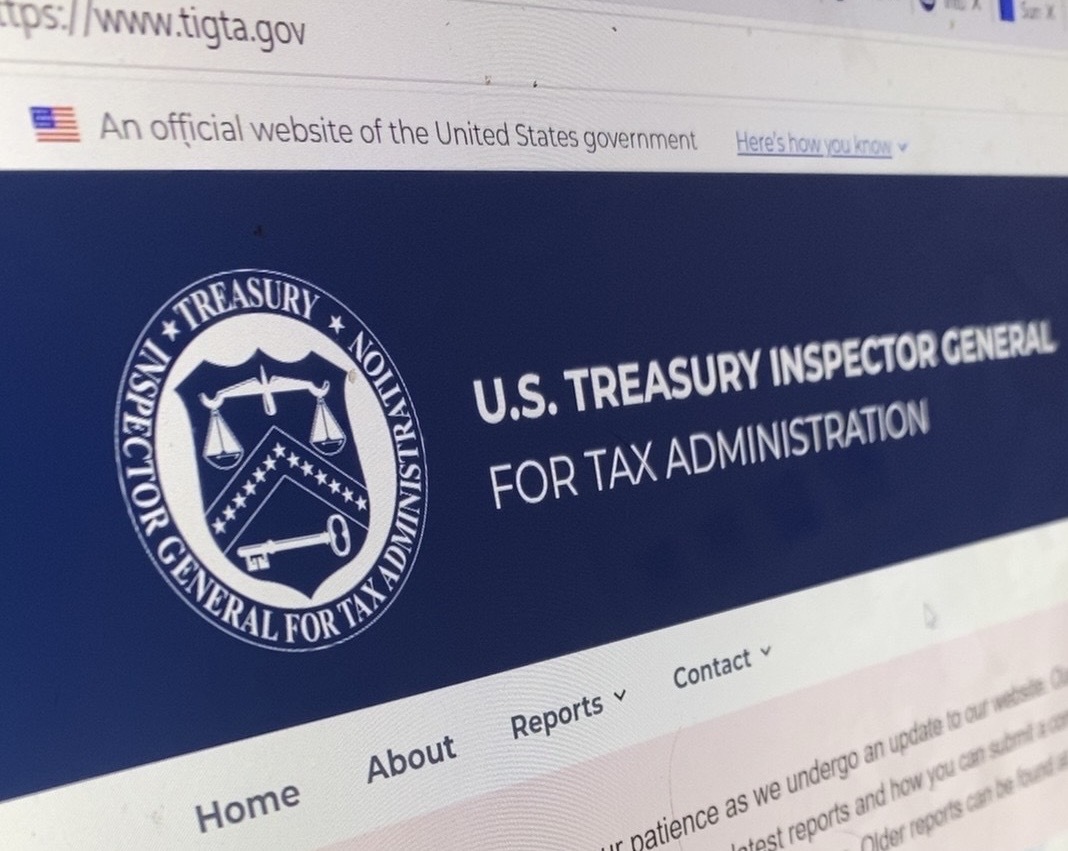
According to the court documents, the goddaughter threatened to report Ms. Harris-Campbell to the IRS, alleging that she was accepting compensation or gifts in exchange for preparing tax returns. The goddaughter claimed this practice began as a "family thing" but later extended to other acquaintances. This initial complaint prompted the IRS to encourage Ms. Harris-Campbell to report the threats to the Treasury Inspector General for Tax Administration (TIGTA), the independent watchdog agency responsible for overseeing IRS operations and investigating misconduct.
A TIGTA investigation was subsequently launched. The findings of this investigation were critical and formed the basis for further disciplinary action. TIGTA determined that Ms. Harris-Campbell had improperly claimed dependency exemptions for individuals who did not qualify under current tax law. While the specific individuals for whom these exemptions were claimed were not detailed in the public record of the appeals court ruling, the implication is that these were individuals who were not legally dependent on her. The improper claiming of dependency exemptions can lead to significant tax underpayments and carries penalties.
Furthermore, the investigation revealed that Ms. Harris-Campbell had acknowledged to TIGTA investigators that she was aware her actions were "technically illegal." This admission is a crucial element, suggesting a level of intent or at least a conscious disregard for tax regulations.
Beyond tax-related improprieties, TIGTA’s investigation also uncovered a separate instance of alleged fraud. Ms. Harris-Campbell was found to have improperly included her goddaughter and her goddaughter’s son on her Federal Employee Program (FEP) health insurance plan. This action, if unsubstantiated by legitimate dependency or eligibility, would constitute health insurance fraud and potentially misuse of government benefits.
The IRS’s Position and Disciplinary Action

The IRS maintains a firm stance that its employees are held to a higher standard of ethical conduct and legal compliance, particularly concerning tax matters. This expectation stems from their role as guardians of the federal tax system. Employees who are tasked with enforcing tax laws are expected to be paragmof integrity and compliance. The agency’s policy emphasizes that any deviation from these standards, especially by supervisory personnel, can undermine public trust and the integrity of the IRS itself.
Following the TIGTA investigation, an audit was initiated by the IRS to verify the findings. This audit confirmed the improper claims, resulting in a tax liability for Ms. Harris-Campbell, which included accrued interest and penalties. Additionally, she faced separate charges and potential liabilities related to the alleged health insurance fraud.
As a direct consequence of these findings, Ms. Harris-Campbell was terminated from her position as Supervisory Revenue Officer.
The Legal Battles and Appeals Process
Ms. Harris-Campbell did not accept her termination without a fight. She appealed her dismissal to the Merit Systems Protection Board (MSPB), an independent agency established to protect federal government employees from partisan political influence and reprate employment practices.

Initially, an administrative judge at the MSPB ruled in favor of Ms. Harris-Campbell, reversing the termination. This decision provided a temporary reprieve. However, the IRS petitioned for a review of this reversal, arguing that the administrative judge’s decision was erroneous.
The IRS’s petition led to a thorough review by the full MSPB. Ultimately, the Board entered a final order that reversed the initial decision. The MSPB sustained Ms. Harris-Campbell’s removal, concluding that the evidence presented supported the IRS’s decision to terminate her employment.
The legal proceedings did not end there. Ms. Harris-Campbell then escalated her case to the federal appellate court system, filing an appeal with the U.S. Court of Appeals for the Federal Circuit. This court, which has nationwide jurisdiction over appeals from federal agency decisions and specific subject matter jurisdiction over patent and trademark appeals, reviewed the MSPB’s final order.
In its August 20, 2026, ruling, the Federal Circuit affirmed the MSPB’s decision. The appellate court found no legal grounds to overturn the MSPB’s findings, effectively upholding the dismissal of Ms. Harris-Campbell. This final decision reinforces the severity of the violations and the validity of the IRS’s disciplinary action.
Implications for Tax Professionals and IRS Employees
The Harris-Campbell case serves as a stark reminder of the heightened scrutiny and accountability that apply to individuals working within the tax administration system. Tax professionals, including IRS employees, are not only expected to understand and apply tax laws for others but also to embody the highest standards of personal compliance.
The IRS’s explicit policy of holding its employees to a higher standard is rooted in maintaining public confidence. When individuals responsible for enforcing tax laws engage in violations themselves, it can erode trust in the entire system. The case highlights several critical aspects:
- The "Higher Standard" Principle: This case underscores that employment within the IRS, particularly in supervisory roles, carries an implicit obligation to demonstrate exemplary tax compliance. This is not merely about avoiding penalties; it’s about upholding the integrity of the agency.
- The Importance of Reporting: The case began with a complaint, emphasizing that even personal relationships can have significant professional repercussions if tax laws are violated. The IRS’s encouragement for employees to report threats also suggests a commitment to addressing internal issues proactively.
- Consequences of Improper Claims: The improper claiming of dependency exemptions, while sometimes viewed as minor errors, can have serious consequences, especially when discovered during an investigation. The inclusion of interest and penalties underscores the financial ramifications.
- Health Insurance Fraud: The allegations of health insurance fraud add another layer of seriousness to the case, demonstrating that violations can extend beyond direct tax compliance to the misuse of employee benefits.
- The Legal Recourse for Whistleblowers: The case implicitly highlights the role of individuals who report suspected misconduct within government agencies, contributing to accountability.
The ruling has broader implications for tax professionals across the board. While not all tax professionals are IRS employees, many are held to professional standards of conduct by their respective licensing bodies and professional organizations. This case reinforces the notion that ethical conduct and strict adherence to tax laws are paramount, regardless of one’s specific role in the tax ecosystem.
The "moral of the story," as articulated by legal analysts familiar with the case, is unequivocal: "Don’t try to ‘fudge’ your tax responsibilities. Go above and beyond what’s routinely required to fully comply with the tax law in your professional capacity." This sentiment is particularly relevant for tax professionals who are expected to provide expert advice and guidance to clients. Their personal conduct in tax matters sets a critical precedent and influences the trust clients place in them.
The legal journey of Harris-Campbell serves as a potent case study, illustrating that the pursuit of tax law enforcement extends to those within the very institutions tasked with its administration. The Federal Circuit’s affirmation of her dismissal sends a clear message about the unforgiving nature of tax law violations, especially when committed by those entrusted with upholding it. The case reinforces the fundamental principle that compliance is not optional, and the consequences for failing to adhere to tax laws can be severe, including the loss of employment and professional standing.