Julia Chirkova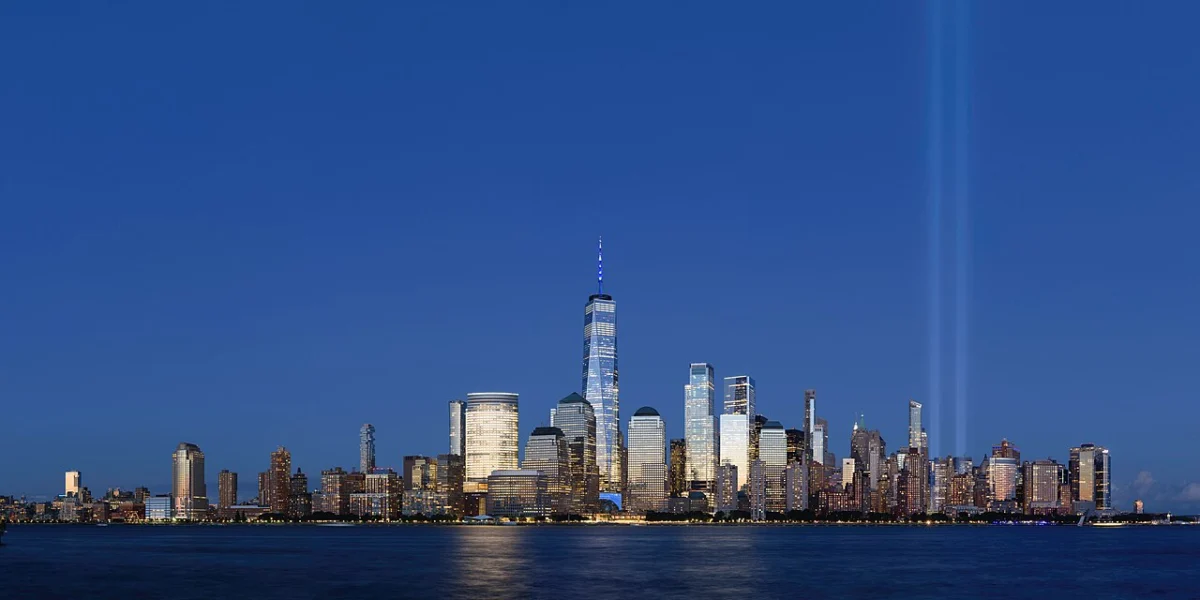
Twenty-five years ago, on September 11, 2001, the United States endured a series of coordinated terrorist attacks that not only claimed the lives of nearly 3,000 innocent people but also sent profound shockwaves through the global economy. This tragedy struck at a time when the American economy was already navigating the choppy waters of a recession following the dot-com bubble’s collapse. The immediate aftermath of 9/11 amplified existing economic vulnerabilities, triggering a cascade of financial turmoil, industry transformations, and significant shifts in government spending that continue to resonate today. This analysis delves into the multifaceted economic consequences of the 9/11 attacks, examining their immediate impact, the policy responses, and the long-term transformations they instigated.
The Fragile Economic Landscape Pre-9/11
The economic backdrop against which the 9/11 attacks unfolded was one of pre-existing strain. The exuberant growth fueled by the internet boom of the late 1990s had reached its zenith, and by early 2000, the NASDAQ Composite index began a precipitous decline. This marked the bursting of the dot-com bubble, which officially plunged the United States into a recession in March 2001, a recession that was already characterized by declining consumer confidence and a slowdown in business investment. The terrorist attacks on September 11th did not merely coincide with this downturn; they significantly exacerbated it, introducing an unprecedented level of uncertainty and fear into an already fragile economic environment.
Immediate Economic Fallout: Markets in Turmoil
The immediate reaction in financial markets was one of shock and panic. For the first time in nearly 70 years, since the Great Depression, the New York Stock Exchange (NYSE) was forced to close its doors for four consecutive trading days. The reopening of the markets on September 17, 2001, witnessed a dramatic plunge. The Dow Jones Industrial Average (DJIA) plummeted by 7.1% on that single day, marking the largest point drop in its history up to that point. In the first week of trading after the attacks, the DJIA declined by a staggering 14%. This period of extreme volatility underscored the immediate impact of the attacks on investor sentiment and market stability. However, the resilience of the U.S. financial system, coupled with swift policy interventions, allowed markets to recover to pre-attack levels within less than a month, a testament to the underlying strength of the economy, albeit a fragile one.
The Federal Reserve’s Swift Intervention
In the face of unprecedented market instability, the Federal Reserve Bank acted decisively to inject liquidity into the financial system. In the immediate days following the attacks, the Fed provided substantial financial support to ensure that banks had ample reserves, preventing a potential credit crunch. Beyond these emergency measures, the Federal Reserve embarked on a series of interest rate cuts to stabilize markets and stimulate economic activity. On September 17, 2001, the Fed executed an emergency 50-basis-point cut to the federal funds rate. This was followed by three more cuts throughout the remainder of the year, bringing the target federal funds rate down to a historic low of 1.75% by the end of 2001. These aggressive monetary policy actions were crucial in preventing a deeper and more prolonged economic contraction.
Reshaping the Air Travel Industry
The airline industry bore the brunt of the immediate physical and psychological impact of the 9/11 attacks. Commercial flights were immediately grounded for three days, halting air travel entirely. In the days and weeks that followed, demand for air travel collapsed as fears of flying intensified. The industry faced an existential crisis, with airlines experiencing severe financial losses. In response, Congress swiftly passed the Air Transportation Safety and System Stabilization Act. This legislation provided $5 billion in direct financial aid to airlines and an additional $10 billion in loan guarantees, a critical lifeline for an industry teetering on the brink.
The attacks also necessitated a fundamental overhaul of aviation security. The Aviation and Transportation Security Act (ATSA), signed into law in November 2001, established the Transportation Security Administration (TSA). This new federal agency was tasked with overseeing and implementing security measures at airports across the nation. Today, the TSA employs over 60,000 personnel and screens more than 2 million passengers daily, a stark transformation from the pre-9/11 era. The economic recovery of the air travel industry was a slow process, with passenger levels not returning to pre-attack levels until March 2004, according to the Bureau of Transportation Statistics. The industry also experienced significant job losses, and employment levels remained below pre-9/11 figures for several years.
The Insurance Industry and Terrorism Risk
The 9/11 attacks represented one of the most catastrophic insurance losses in history, with estimated damages reaching approximately $40 billion, as reported by the U.S. Government Accountability Office. In the wake of such immense claims, many insurance companies rapidly withdrew from the terrorism risk insurance market, deeming it too unpredictable and costly. This created a significant gap in coverage for businesses, potentially hindering recovery and future investment. To address this critical market failure, Congress enacted the Terrorism Risk Insurance Act (TRIA) in 2002. TRIA established a federal backstop, a government reinsurance program, designed to ensure that commercial policyholders could obtain terrorism insurance, thereby stabilizing the market and facilitating business continuity.
The Era of Escalating Homeland Security Spending
The attacks irrevocably altered the landscape of U.S. national security priorities and, consequently, federal spending. The creation of the Department of Homeland Security (DHS) through the Homeland Security Act of 2002 marked a significant consolidation of various government agencies and a massive increase in resources dedicated to domestic security. DHS has since grown to become the third-largest department in the federal government, reflecting a sustained commitment to protecting the nation’s borders, critical infrastructure, and citizens.
This surge in homeland security spending coincided with, and was intricately linked to, the commencement of the wars in Afghanistan and Iraq. The "War on Terror" launched in response to the attacks initiated prolonged military engagements that have had profound and far-reaching economic implications. According to Brown University’s Costs of War project, the total cost of these post-9/11 wars and related expenses, including long-term care for veterans and survivors, has reached an estimated $8 trillion. This massive reallocation of national resources toward defense and security has had a tangible impact on other areas of government spending and the broader economy.
New York City’s Economic Repercussions and Resilience
New York City, as the epicenter of the World Trade Center attacks, suffered a direct and devastating blow to its economy. The destruction of approximately 30 million square feet of office space in Lower Manhattan resulted in an estimated $31 billion in economic damage and the loss of 51,000 jobs, according to the New York City Department of City Planning. The city’s vital tourism industry also experienced a sharp decline, with visitor spending falling by nearly $1 billion in 2001.
Despite the immense devastation, Lower Manhattan has demonstrated remarkable resilience and undergone a significant transformation in the two and a half decades since the attacks. The area has evolved into a vibrant mixed-use district, with a residential population now exceeding 70,000 for the first time in its history, according to the Alliance for Downtown New York. In recent years, office leasing activity in the area has reached its highest levels since 2019, indicating a strong economic recovery and a renewed sense of confidence in the district’s future.
Long-Term Economic Shifts and Enduring Legacies
The economic changes set in motion by the 9/11 attacks have, in many instances, become so deeply embedded in our daily lives that their origins are often overlooked. The heightened security measures at airports, the increased costs associated with global supply chain security, and the ongoing investments in counter-terrorism efforts are all direct legacies of that fateful day. The economic repercussions extended beyond immediate financial markets, influencing global trade patterns, international investment flows, and the very nature of risk assessment for businesses worldwide.
The massive reallocation of federal resources towards national security and defense has also had a lasting impact on fiscal policy and the national debt. The ongoing costs associated with supporting veterans and addressing the long-term health consequences for survivors of the attacks represent a continuing financial commitment. In essence, the 9/11 attacks did not just cause an economic shock; they fundamentally reshaped economic priorities, influenced technological development in security, and altered the risk calculus for individuals, businesses, and governments across the globe. The economic tapestry of the United States, and indeed the world, bears the indelible imprint of those tragic events, a constant reminder of the interconnectedness of security and economic prosperity.