Lina Irawan
The increasing financial burden associated with pet ownership has become a pressing concern for households nationwide, as veterinary expenses have surged by approximately 43% since 2021. This rapid escalation in costs has far outpaced the growth in many household budgets, creating a chasm between the desire to provide optimal care and the financial reality for many families. Routine veterinary care alone now averages over $4,000 annually, according to comprehensive research conducted by Money.com and Healthy Paws Pet Insurance. When projected over a typical 12-year lifespan of a pet, these routine costs accumulate to a staggering sum exceeding $50,000. This figure, however, does not even account for the unpredictable and often exorbitant expenses associated with unforeseen medical emergencies, chronic illnesses, or specialized treatments, which can easily push the total lifetime cost much higher.
Understanding the Escalation: Factors Behind Rising Vet Bills
Several intertwined factors contribute to this significant increase in veterinary costs. Economic inflation, a pervasive force across all sectors, has naturally driven up the price of medical supplies, pharmaceuticals, and operational overhead for veterinary clinics. Beyond general inflation, the veterinary field has experienced a profound transformation mirroring advancements in human medicine. Diagnostic tools such as MRI and CT scans, sophisticated surgical procedures, specialized oncology treatments, and advanced pharmaceutical options—once rare in animal care—are now increasingly common and available. These high-tech solutions, while offering improved outcomes and extended lifespans for pets, come with a substantial price tag.
Furthermore, the demand for veterinary services has seen a marked increase, particularly following the surge in pet adoptions during the COVID-19 pandemic. Millions of households welcomed new animal companions, leading to an intensified demand for routine check-ups, vaccinations, and emergency care. This heightened demand, coupled with a persistent shortage of veterinary professionals—including veterinarians, veterinary technicians, and support staff—has created a supply-demand imbalance. Veterinary practices often struggle to recruit and retain qualified personnel, leading to higher labor costs that are inevitably passed on to consumers. Industry analyses also suggest a trend towards consolidation in the veterinary sector, with an increasing number of independent clinics being acquired by larger corporate entities. While proponents argue this can lead to greater efficiencies and access to capital for advanced equipment, critics sometimes point to potential shifts in pricing strategies and reduced competitive pressure.
The Emotional Bond vs. Financial Limits: A Difficult Choice
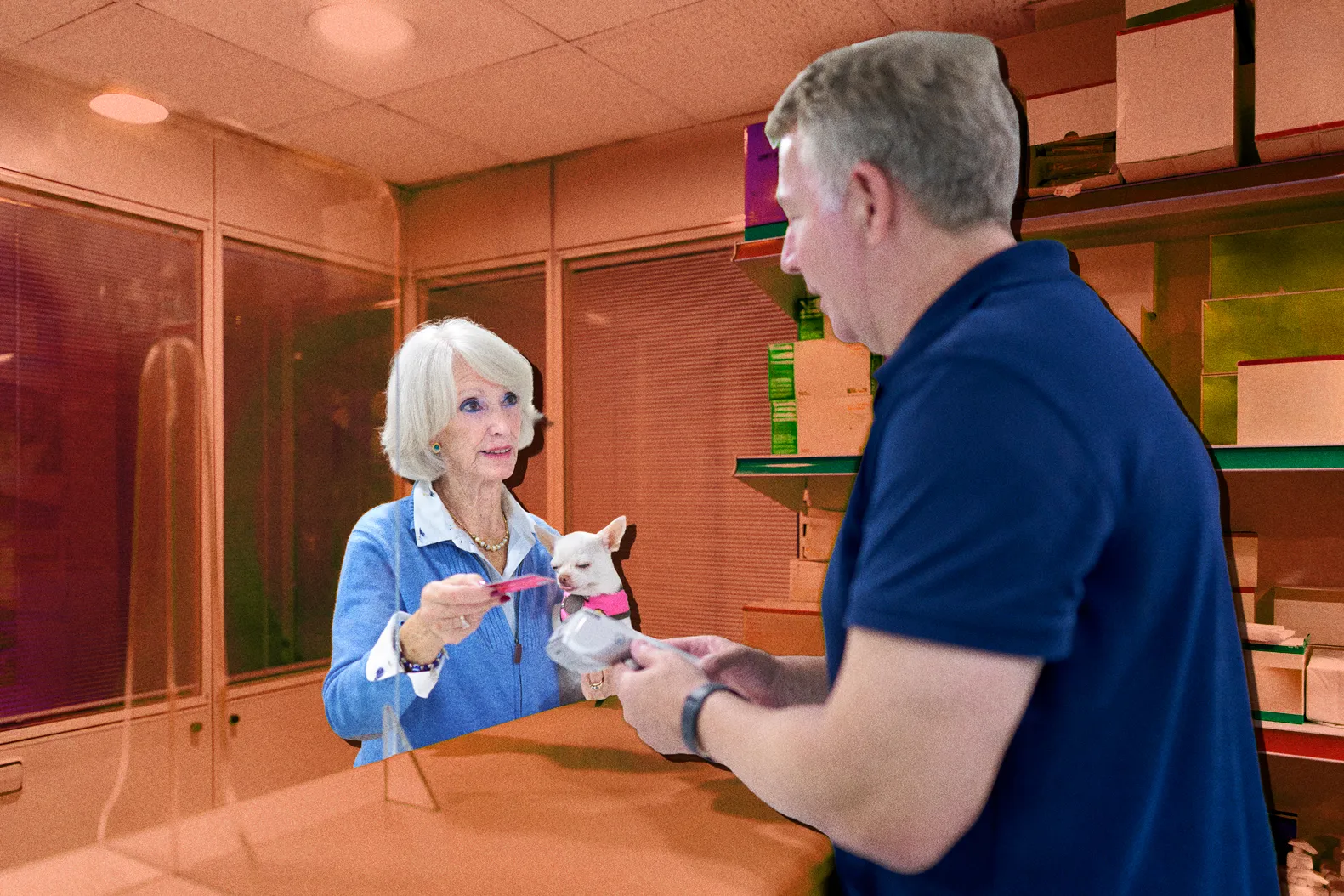
The deep emotional bond between humans and their pets often transcends financial considerations, placing owners in an unenviable position when faced with a critical medical decision. Many view their pets as integral family members, making the prospect of withholding necessary medical care due to cost unthinkable. This sentiment is starkly reflected in recent surveys. A significant 38% of pet owners report resorting to credit cards to cover vet bills, while 20% admit to draining their savings accounts, even if it leaves them financially vulnerable.
The disposition to prioritize pet care, even at personal financial detriment, holds remarkably true across diverse socioeconomic groups. A follow-up survey revealed that nearly 70% of adults with an annual income below $50,000 stated they would willingly incur debt to save their pet’s life. Similarly, more than half (56%) of individuals over the age of 65, often living on fixed incomes, expressed the same willingness to take on debt for their animal companions. This highlights a pervasive cultural shift where pets are no longer mere animals but cherished members of the family, deserving of every effort to ensure their well-being, irrespective of the financial strain.
The Perilous Path of Debt: Long-Term Consequences
While resorting to credit cards, personal loans, or financing plans might provide an immediate solution to a pressing veterinary emergency, this approach often creates significant long-term financial strain. High-interest rates can quickly transform a one-time vet bill into a lingering and escalating expense, trapping owners in a cycle of debt. The average annual percentage rate (APR) for credit cards currently hovers around 25%, according to a 2025 report by the Consumer Financial Protection Bureau. To illustrate the impact, consider a $2,500 emergency vet bill carried on such a credit card for 12 months without substantial repayment. The total cost of that "loan" could skyrocket to nearly $8,000 due to accumulating interest, far exceeding the initial medical expense.
Some pet owners attempt to mitigate immediate interest by utilizing 0% APR promotional credit cards. This strategy can indeed defer interest payments for a specified period, typically 12 to 18 months, provided the balance is paid in full before the promotional period expires. However, this tactic carries a significant risk. If the entire balance is not cleared by the deadline, many creditors will retroactively apply the full, standard interest rate to the entire original balance from the date of purchase, not just the remaining unpaid amount. This can lead to a sudden and substantial increase in the total cost, often catching consumers off guard and exacerbating their financial difficulties. For households already managing other debts or facing fluctuating incomes, this "debt trap" can have severe consequences, impacting their overall financial stability for years.
Moreover, for a substantial segment of pet owners, these costs are not isolated incidents. Approximately a quarter of pet owners caring for chronically ill animals report annual expenditures ranging between $5,000 and $10,000. Managing such recurring, significant expenses through debt becomes unsustainable and potentially devastating to a household’s financial health.
Beyond Band-Aids: The Need for Proactive Financial Planning
In an effort to manage the rising costs, many pet owners employ various reactive strategies. These often include actively shopping around for better prices on routine services, purchasing pet food and supplies in bulk, performing grooming tasks at home, or switching to more affordable generic medications when possible. While these measures can offer some relief for everyday expenses, they fundamentally fail to address the most significant financial risk associated with pet ownership: unexpected medical bills. These are the "black swan" events—accidents, sudden illnesses, or complex diagnoses—that carry the potential for bills reaching thousands, or even tens of thousands, of dollars.
Stacey Stark, a seasoned financial advisor and president at Aurelia Capital Advisors, emphasizes this critical oversight. "One of the biggest gaps I see in financial preparedness, especially with pet ownership, is that people plan for routine costs but not for the unexpected," Stark observes. "Pet owners will budget for food, grooming, and basic care, but major medical events are often treated as unlikely instead of something that will probably happen over a lifetime." This disconnect, according to Stark, frequently leads to impulsive and financially precarious decisions made under duress. "Relying on credit, savings, or crowdfunding in those moments is not a plan; it’s a reaction."
The Pillars of Preparedness: Emergency Funds and Pet Insurance

Financial experts and veterinary professionals alike concur that the most effective defense against overwhelming pet care costs is proactive financial planning. This involves treating pet ownership as a long-term financial responsibility, akin to saving for retirement or a child’s education. Two primary strategies stand out: establishing a dedicated pet-only emergency fund and investing in pet insurance.
A pet-specific emergency fund provides a crucial buffer against unforeseen expenses. By setting aside a fixed amount regularly into a separate, easily accessible savings account, owners can accumulate funds specifically designated for veterinary emergencies. This approach offers immediate liquidity and avoids the high interest rates associated with credit cards. The discipline of regular contributions, even small ones, can build a substantial safety net over time, mitigating the stress and financial fallout of a sudden health crisis.
Pet insurance, while not a universal panacea, offers another vital layer of protection. It operates similarly to human health insurance, covering a percentage of eligible veterinary costs after a deductible is met. However, it’s essential for pet owners to understand its limitations. Most pet insurance policies do not cover pre-existing conditions, meaning any ailment diagnosed before the policy takes effect will likely be excluded. Additionally, insuring older animals can become prohibitively expensive, with premiums rising significantly with age, and some providers may refuse coverage for very senior pets. Despite these caveats, the benefits often outweigh the drawbacks for many. Among survey respondents who had pet insurance, approximately 75% reported that it had significantly reduced their out-of-pocket costs, alleviating immediate financial pressure during medical events. Furthermore, a substantial 87% of insured pet owners expressed a greater sense of peace of mind regarding their pet’s health, knowing they have a financial safety net in place. This peace of mind allows owners to focus on their pet’s recovery rather than being paralyzed by the potential cost.
Broader Implications and a Call for Foresight
The trend of rising pet care costs and the associated financial strain for owners carries broader societal implications. It highlights potential disparities in access to quality veterinary care, where lower-income households might face impossible choices, sometimes leading to preventable suffering or euthanasia. It also underscores the evolving role of pets in modern society, transitioning from mere companions to integral, emotionally significant family members, which in turn fuels the willingness to spend extensively on their health.
Veterinary associations and industry stakeholders are increasingly aware of these challenges. Discussions often revolve around sustainable business models for clinics, educational initiatives for pet owners on financial planning, and the need to address the veterinary professional shortage. Some advocate for more transparent pricing, while others explore flexible payment options or community-supported veterinary care programs to ensure that financial constraints do not compromise animal welfare.
Ultimately, as Stacey Stark aptly concludes, "At the end of the day, pets are not discretionary expenses. They are living family members, and financial planning should reflect that reality." Embracing this perspective requires a fundamental shift from reactive crisis management to proactive financial stewardship, ensuring that the love and care we offer our animal companions can be sustained without jeopardizing our own financial well-being. By planning ahead with emergency funds or pet insurance, owners can safeguard both their pets’ health and their own financial future, ensuring that the joy of pet ownership remains unburdened by unforeseen medical bills.