Candice Horbacz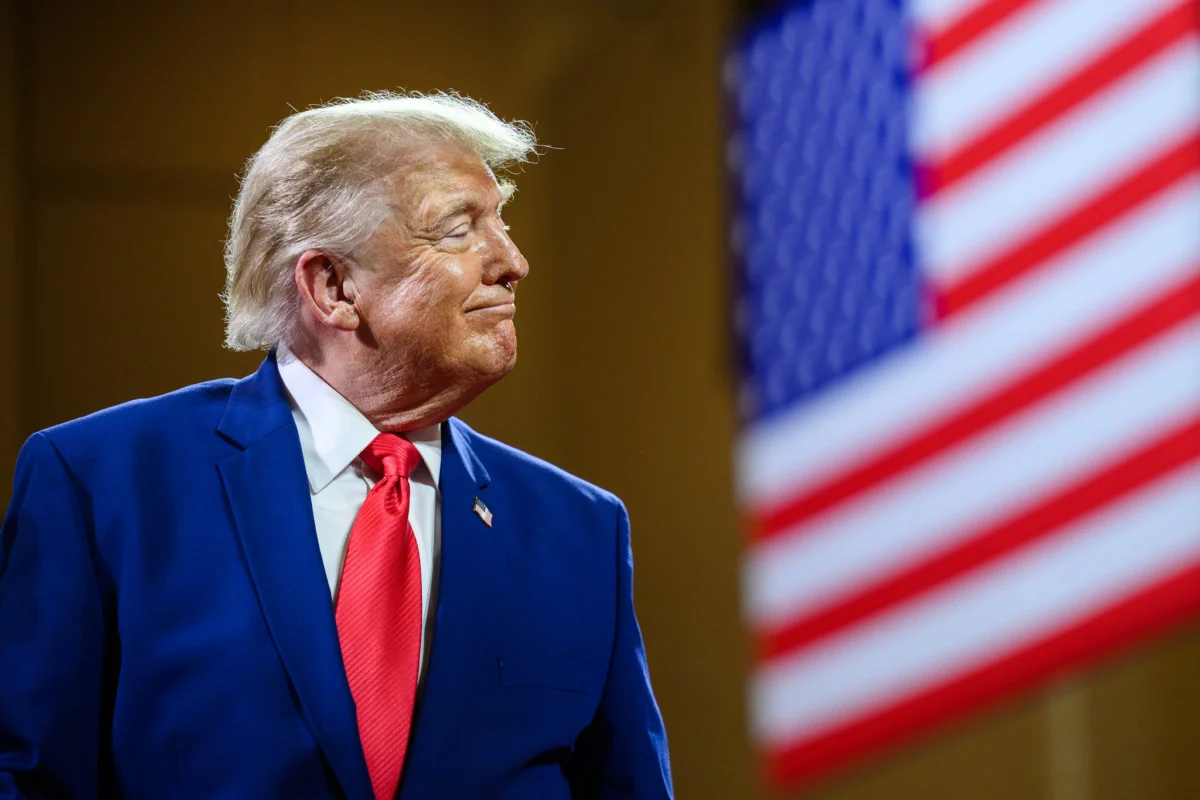
At the Republican National Convention in Dallas, President Trump announced a significant economic proposal, promising payments of $5,000 to every adult citizen in the United States. This substantial financial pledge is contingent upon the Republican Party maintaining control of both the House of Representatives and the Senate in the upcoming midterm elections. The audacious plan was subsequently championed by Vice President JD Vance, who asserted that the administration’s new tariff policies were generating sufficient revenue to facilitate this direct distribution of funds to American citizens. The proposal has immediately ignited a fervent debate among economists, political analysts, and the public regarding its feasibility, fiscal implications, and potential economic impact.
The Bold Promise and Its Immediate Context
President Trump’s announcement, delivered from the convention stage, aimed to electrify his base and offer a tangible incentive for voters to support Republican candidates in crucial midterm races. The timing, during a high-profile national convention, underscores the strategic importance placed on this promise as a potential game-changer in the electoral landscape. The "dividend," as framed by the administration, seeks to connect directly with American households, presenting itself as a direct benefit derived from the president’s economic policies, particularly his aggressive stance on international trade. Vice President Vance’s endorsement further solidified the administration’s commitment to the idea, linking the proposed payments explicitly to the increased revenue from tariffs, a cornerstone of President Trump’s "America First" economic agenda. This linkage is critical, as it attempts to justify the massive expenditure by pointing to an existing, albeit contentious, revenue stream. The political calculus behind such a promise is evident: to appeal to voters grappling with economic uncertainties and offer a clear, immediate financial benefit should their party prevail.
Staggering Costs and Fiscal Realities
The sheer scale of a $5,000 dividend payment to every adult citizen presents an immense fiscal challenge. Based on current demographic data, which estimates approximately 250 million adults eligible to vote in the U.S., the total cost of this proposal would be an astronomical $1.25 trillion. This figure represents an unprecedented direct cash injection into the economy, far surpassing most historical stimulus packages. Crucially, the initial proposal, as articulated by the President and Vice President, was notably light on specific details concerning income limitations or other eligibility restrictions. Without such guardrails, the payments would be disbursed universally, regardless of an individual’s financial need or income bracket, leading to the aforementioned colossal expenditure.
This proposed spending would not occur in a vacuum. The federal government is already grappling with a challenging fiscal outlook. Projections from the Congressional Budget Office (CBO) indicate that the U.S. is slated to run a budget deficit of nearly $1.9 trillion in fiscal year 2027. This deficit is driven by a combination of factors, including persistent spending on entitlement programs like Social Security and Medicare, rising interest payments on the national debt, and the lingering effects of previous tax cuts and emergency spending measures. Layering a $1.25 trillion one-time payment program onto this existing deficit would escalate the projected shortfall to nearly $3 trillion. Such an increase would represent a significant deterioration of the nation’s fiscal health, raising profound questions about the sustainability of federal finances and the long-term economic stability of the country. The magnitude of this additional spending, even with potential new revenue from tariffs, would push the national debt to unprecedented levels, increasing the burden on future generations and potentially impacting the nation’s creditworthiness in global financial markets.
The Tariff Revenue Debate: A Closer Look
The administration’s justification for funding the dividend through tariff revenue warrants a detailed examination. Tariffs, by definition, are taxes imposed by one country on goods imported from another. They serve as trade barriers designed to protect domestic industries, influence trade balances, or generate revenue. Since President Trump took office, the imposition of several rounds of new tariffs—notably on steel and aluminum, and a broad range of goods from China—has indeed led to a significant increase in customs duties collected by the U.S. government.
Prior to the implementation of these new tariffs, customs duties generated approximately $79 billion in calendar year 2024. Following the administration’s aggressive trade policies, this figure surged to $264 billion in calendar year 2025, reflecting a substantial rise in government receipts from imports. This initial increase in collections served as the primary basis for the administration’s claim that tariffs could fund ambitious programs like the proposed dividend.
However, the trajectory of tariff collections has not been consistently upward. In recent months, collections have experienced fluctuations, including periods where they have dipped and even turned negative. This phenomenon is largely attributable to the federal government being compelled to issue refunds for tariffs that were challenged and subsequently struck down as illegal by the Supreme Court. Such legal challenges and subsequent rulings introduce an element of unpredictability and instability into tariff revenue streams, complicating long-term fiscal planning.
Net Revenue vs. Gross Collections: A Critical Distinction
Financial analysis by organizations like the Tax Foundation offers a more nuanced perspective on the net revenue generated by these tariffs. After accounting for these fluctuations and assuming the current tariff policies remain in place, estimates suggest that President Trump’s new tariffs are projected to generate approximately $125 billion in net revenue for the federal government in 2027. Over a ten-year period, from 2026 through 2035, the total net revenue is estimated to be around $1.4 trillion.
It is crucial to understand why this net revenue figure is considerably lower than the gross collections. There are two primary reasons for this discrepancy:
- Reduced Imports: Tariffs are designed to make imported goods more expensive, thereby reducing their demand and encouraging domestic production. While this might achieve policy goals, it also means that the volume of imported goods decreases. Consequently, pre-existing tariffs on those goods generate less revenue, partially offsetting the gains from the new tariffs. The very success of a tariff in reducing imports can, paradoxically, limit its revenue-generating capacity.
- Impact on Other Federal Taxes: The economic effects of tariffs extend beyond direct customs duties. When tariffs raise the cost of imported goods, businesses face higher input costs, and consumers pay higher prices. This can lead to reduced corporate profits, lower wages (as businesses absorb costs or pass them on), and decreased consumer purchasing power. These economic contractions, in turn, reduce the bases of other federal taxes, such as income taxes and payroll taxes. Every dollar collected in tariffs can, therefore, reduce the revenue that would otherwise be generated from these broader tax categories, leading to a lower net gain for the Treasury.
When comparing the estimated $125 billion in net tariff revenue in 2027 to the $1.25 trillion cost of the proposed $5,000 dividend payment, the stark financial reality becomes evident. The projected tariff revenue would cover only about one-tenth of the cost of the dividend in a single year. To fully fund the proposed $1.25 trillion payment solely through tariff collections, it would take almost a decade of the estimated net revenue, highlighting a significant funding gap for a one-time payment.
Alternative Scenarios and Economic Implications
The colossal cost of the dividend could theoretically be mitigated if the payments were restricted, for example, based on income levels. Implementing an income cap, similar to past stimulus checks or social welfare programs, could significantly reduce the total outlay. For instance, limiting payments to households below a certain income threshold or phasing them out for higher earners would narrow the pool of eligible recipients. However, even a smaller, more targeted program would still face scrutiny regarding its justification and economic wisdom, especially given the nation’s pre-existing fiscal challenges. Economists largely contend that allocating substantial funds to a new, one-time payment program, even if scaled back, represents a misguided use of resources when the government is already projected to run massive budget deficits.
Furthermore, the potential for such a large, deficit-financed payment to exacerbate inflationary pressures is a significant concern. Inflation, defined as a sustained increase in the general price level of goods and services, erodes purchasing power and can destabilize an economy. Currently, inflation is already running above the Federal Reserve’s long-standing target of 2 percent. Introducing an additional $1.25 trillion into the economy without a corresponding increase in productive capacity would likely fuel aggregate demand, pushing prices even higher. This would effectively diminish the real value of the $5,000 dividend, as the money would buy less, thereby undermining the very benefit it seeks to provide. The Federal Reserve might then be compelled to respond by further raising interest rates, which could slow economic growth, increase borrowing costs for businesses and consumers, and amplify the government’s own debt servicing costs.
Broader Impact on Markets and Fiscal Responsibility
A deficit-financed dividend payment of this unprecedented scale would send a powerful and potentially detrimental signal to domestic and international financial markets. It could be interpreted as a clear indication that the United States is not serious about addressing its escalating national debt and bringing its fiscal house in order. Such a perception could have several negative consequences:
- Credit Ratings: Major credit rating agencies, which assess the financial health of nations, might consider downgrading the U.S. sovereign credit rating. A downgrade would signal increased risk to investors, potentially making it more expensive for the U.S. government to borrow money.
- Interest Rates: Loss of investor confidence or a perceived increase in fiscal risk could lead to higher demand for risk premiums on U.S. Treasury bonds. This would translate into higher interest rates across the economy, affecting mortgages, business loans, and consumer credit.
- Currency Stability: A weakened perception of fiscal responsibility could also put downward pressure on the value of the U.S. dollar, leading to imported inflation and making U.S. exports more expensive.
- Investor Confidence: Both domestic and international investors might become more hesitant to invest in U.S. assets if they perceive a lack of fiscal discipline, potentially impacting long-term economic growth.
In essence, a policy designed to alleviate economic burdens on Americans by providing direct payments could, paradoxically, worsen the very problems it aims to solve through inflationary pressures, higher interest rates, and a weakened fiscal position.
Political and Economic Reactions
The proposal has predictably elicited strong reactions across the political spectrum and from economic experts.
Republican Supporters generally laud the plan as a tangible benefit of the "America First" agenda, emphasizing the direct return of tariff revenue to the citizens. They argue it empowers individuals, stimulates the economy, and demonstrates a commitment to sharing national prosperity. Vice President Vance’s direct link to tariff revenue reinforces this narrative, framing the payments as a consequence of successful trade negotiations and a robust economic policy.
Democratic Critics have swiftly condemned the proposal as an irresponsible election-year gimmick, highlighting the enormous cost and its potential to exacerbate the national debt and fuel inflation. They often point to the regressive nature of tariffs, arguing that these taxes disproportionately burden lower-income households through higher consumer prices. They would likely accuse the administration of prioritizing short-term political gain over long-term fiscal stability.
Independent Economists and Fiscal Watchdogs have largely expressed deep skepticism and concern. Organizations like the Tax Foundation, as evidenced in their analysis, consistently underscore the immense fiscal unsustainability of the proposal given the revenue shortfalls and existing deficit projections. Many economists agree that tariffs, while generating some revenue, primarily act as a tax on domestic consumers and businesses, raising input costs and consumer prices rather than being a net benefit. They advocate for fiscal prudence and warn against policies that could destabilize the economy further.
Business Groups and Industry Leaders, particularly those reliant on global supply chains or export markets, have historically voiced strong opposition to tariffs. They argue that tariffs increase their operational costs, reduce their competitiveness, and invite retaliatory tariffs from other countries, ultimately harming American businesses and workers. From their perspective, abandoning the tariffs would be a more beneficial approach, reducing burdens on businesses and fostering a more stable international trade environment.
Conclusion
President Trump’s proposal of a $5,000 dividend payment to adult citizens, contingent on Republican electoral success, is a bold and politically charged initiative. While framed as a direct benefit stemming from increased tariff revenue, a detailed fiscal analysis reveals a profound disconnect between the projected cost of $1.25 trillion and the estimated net revenue from tariffs, which is significantly lower. The potential for such a massive, deficit-financed expenditure to balloon the national debt to nearly $3 trillion in 2027 and exacerbate inflationary pressures poses serious economic risks.
The debate surrounding this proposal extends beyond mere financial figures; it delves into fundamental questions of fiscal responsibility, the effectiveness of trade policies, and the role of government in direct wealth distribution. As the midterm elections draw closer, the feasibility and wisdom of this dividend promise will undoubtedly remain a central point of contention, shaping not only political discourse but also the potential economic trajectory of the United States. Many experts suggest that a more prudent approach to bolstering the American economy would involve addressing the structural drivers of the national debt and fostering an environment free from the burdens of tariffs on businesses and consumers, rather than implementing large-scale, deficit-financed payouts.