Lina Irawan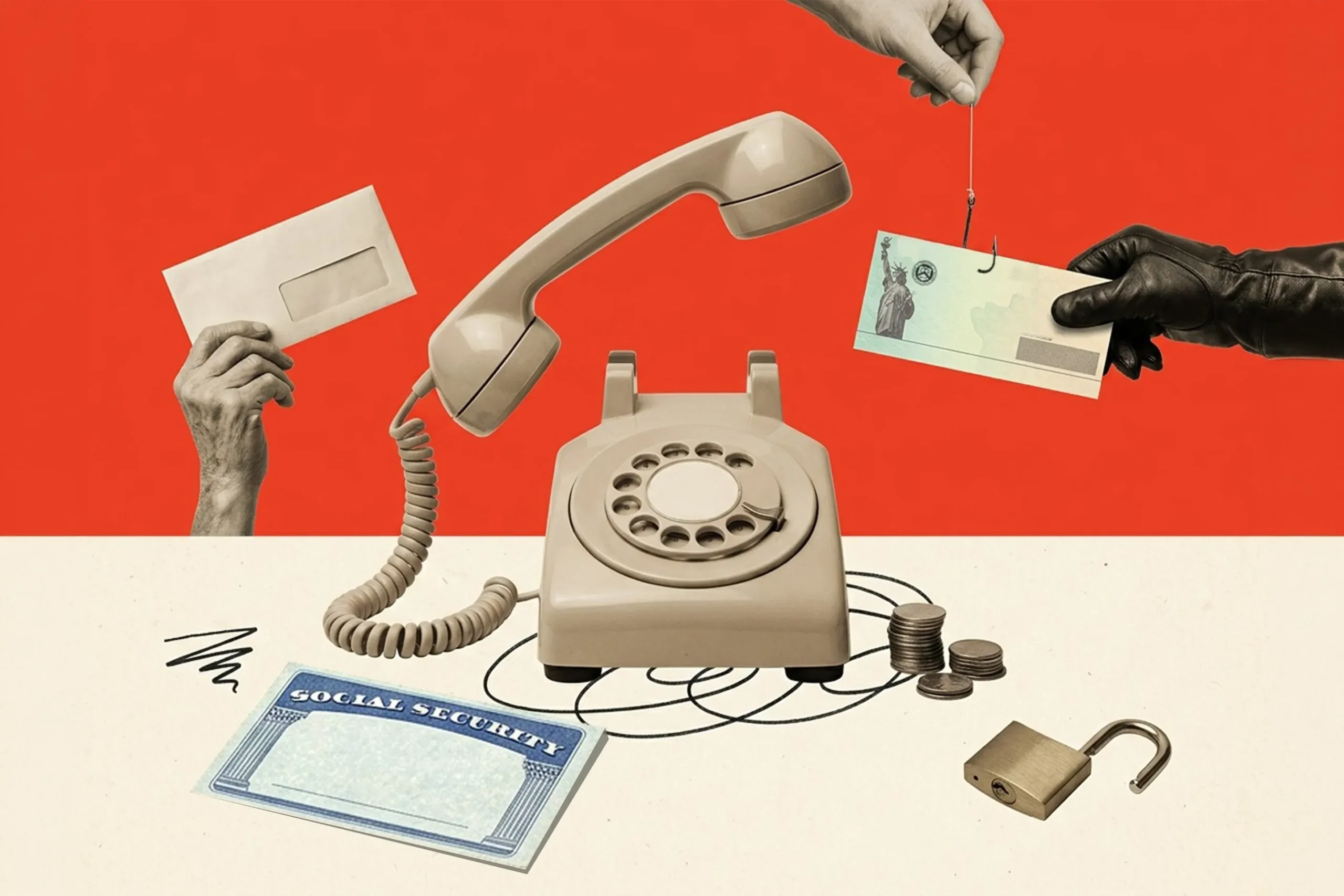
This pervasive scam, confirmed by the Social Security Administration’s Office of the Inspector General (SSA OIG), targets beneficiaries with unsolicited communications arriving via phone calls, letters, text messages, online advertisements, and social media posts. The offers often lead unsuspecting individuals to meticulously crafted, legitimate-looking websites or digital forms that demand sensitive personal and financial details, including Social Security numbers (SSNs) and bank account information, under the guise of calculating or processing a larger payment. In reality, such offers are entirely fraudulent, as Social Security COLAs are applied automatically to all eligible beneficiaries without any required action, fee, or personal data submission.
Understanding the Cost-of-Living Adjustment (COLA) and Scammer Exploitation
Each year, the Social Security Administration (SSA) announces its annual Cost-of-Living Adjustment, or COLA, in October. This adjustment, which takes effect in December and impacts payments beginning in January of the following year, is a critical mechanism designed to help Social Security and Supplemental Security Income (SSI) beneficiaries maintain their purchasing power amidst inflation. The COLA is calculated based on the Consumer Price Index for Urban Wage Earners and Clerical Workers (CPI-W), a measure of inflation compiled by the Bureau of Labor Statistics. When inflation rises, the CPI-W increases, leading to a higher COLA; conversely, low or no inflation can result in a small or non-existent COLA.
This predictable annual event creates a fertile ground for scammers. The period leading up to the October announcement witnesses a significant surge in public interest regarding potential benefit increases. Millions of Americans rely on Social Security benefits for their livelihood, making them particularly vulnerable to promises of enhanced payments. As beneficiaries eagerly anticipate news of their next year’s payment adjustments, criminals leverage this heightened interest to circulate their fake benefit offers, falsely claiming that recipients must take immediate action, often involving a payment or the submission of personal data, to secure their increased funds. This tactic exploits both financial anxieties and a lack of awareness regarding the automatic nature of COLA application.
For instance, the 2027 COLA, set to be announced in October 2026, will dictate how much monthly payments will increase for beneficiaries in the subsequent year. Scammers capitalize on this specific timeline, sending out alerts that mimic official SSA communications, often using urgent language to create a sense of panic or missed opportunity. The SSA OIG has observed a clear seasonal pattern in these fraudulent activities, directly correlating with the COLA announcement cycle.
The Mechanics of the Benefit-Increase Scam
The fake offers are meticulously designed to appear authentic, frequently mimicking official SSA branding and language. According to news releases and scam alerts from the SSA OIG, these schemes typically unfold in several stages:
- Initial Contact: Scammers initiate contact through various channels, including unsolicited phone calls (often using robocalls or spoofed numbers to appear local or official), text messages, emails, social media direct messages, or even postal mail. The message often contains tantalizing promises like "unlocking maximum benefits" or "boosting your monthly payment."
- Verification Request: The scammer, posing as an SSA representative, will then ask the recipient to "verify" their current benefits, claiming this is necessary to process the alleged increase. This step is crucial for the scammer to gauge the victim’s susceptibility and gather preliminary information.
- The Demand for Payment or Data: This is the critical juncture where the scam reveals its true intent. The imposter will either demand an "administrative fee," "processing charge," or "unlocking fee" to activate the supposed benefit increase, or they will request a trove of personal information, including Social Security numbers, dates of birth, addresses, and crucially, bank account details. They might claim this information is needed to "calculate" the new payment amount or "redirect" funds.
- Identity Theft and Account Takeover: While losing the advertised fee is an immediate financial risk, the more insidious danger lies in identity theft and potential Social Security account takeover. If a victim provides their SSN and bank information, criminals gain access to critical data points.
Haywood Talcove, CEO of LexisNexis Risk Solutions’ Government Group, highlights the severe consequences of such data breaches. "Criminals can change the bank account connected to a victim’s Social Security benefits along with other account information," Talcove explains. Once the direct deposit information is altered, the victim’s legitimate monthly payments are redirected to an account controlled by the scammer. When the actual beneficiary attempts to regain access to their account or query missing payments, the altered details can make it exceedingly difficult to prove their identity and legitimate ownership, essentially making "you, the real person, look like a criminal." This process can lead to prolonged financial hardship and significant stress for victims.
A related scheme, reported earlier, involved fraudsters using fake prize offers to convince victims to redirect their Social Security direct deposits to prepaid debit accounts controlled by the scammers, effectively cutting off the beneficiaries from their own income. These sophisticated methods demonstrate a growing trend in cybercrime where identity theft is leveraged not just for financial gain but also for control over critical government benefits.
The Broader Landscape of Government Impersonation Scams
The Social Security benefit scam is part of a larger, alarming trend of government impersonation fraud. According to the Federal Trade Commission (FTC), consumers reported losing approximately $920 million to government impostor scams in 2025 alone. This figure is a substantial portion of the total $3.5 billion lost to all imposter scams reported that year, underscoring the effectiveness and prevalence of these tactics.
These scams exploit the public’s inherent trust in government institutions and their fear of legal repercussions or loss of benefits. Scammers often use pressure tactics, threatening arrest, legal action, or the cessation of benefits if the victim does not comply immediately. The FTC data reveals that government imposters often target older adults, who are frequently reliant on Social Security and may be less technologically savvy, although these scams affect individuals across all demographics.
The methods employed by these fraudsters are continuously evolving. While traditional phone calls remain a primary vector, there’s a significant shift towards digital channels. Phishing emails, smishing (SMS phishing), and malicious social media ads are becoming increasingly sophisticated, often incorporating realistic graphics, official-sounding language, and even deepfake audio to mimic government officials. The sheer volume of data breaches in recent years also provides scammers with partial information, which they use to make their approaches more convincing and personalized.
Official Responses and Prevention Strategies
In response to the escalating threat, the Social Security Administration, its Office of the Inspector General, and the FTC consistently issue warnings and provide guidance to the public. Their core message is unequivocal: a legitimate Social Security increase does not require any action from the beneficiary, nor does it involve fees or requests for sensitive personal information.
Here are critical steps and advice from official sources to protect your Social Security benefits:
- Be Skeptical of Unsolicited Offers: Treat any unsolicited communication promising to "increase," "maximize," or "unlock" your Social Security benefits with extreme suspicion. This is the cardinal rule of fraud prevention.
- Never Pay a Fee: The SSA will never ask for payment to process a COLA or any other benefit adjustment. Any request for a fee is an immediate red flag.
- Guard Your Personal Information: Do not provide your Social Security number, banking details, or other sensitive personal information to anyone who contacts you unsolicited, regardless of how official they appear. The SSA already has this information on file.
- Do Not Click Links or Call Unverified Numbers: If you receive a suspicious text message or email, do not click on any embedded links, as these can lead to malicious websites or download malware. Similarly, do not call any phone numbers provided in such messages.
- Verify Directly with the SSA: If you have concerns about your benefits or want to review your information, navigate directly to the official SSA website: ssa.gov/myaccount. This secure portal allows beneficiaries to review their earnings history, benefit statements, and direct deposit information. Regularly monitoring your account can help you spot any unauthorized changes.
- Understand COLA Mechanics: Educate yourself on how the COLA works. Remember, it’s an automatic adjustment based on economic indicators, not a negotiation or a service that can be "bought." Benefit amounts are determined by federal law using factors such as a worker’s earnings record, retirement age, and eligibility for specific programs, with no room for individual negotiation.
What to Do If You’ve Been Targeted or Compromised
If you suspect you have been targeted by a Social Security scammer, or worse, if you have already provided information or lost money, immediate action is crucial:
- Contact Your Bank: If you provided bank account details, contact your bank or financial institution immediately to report potential fraud and take steps to secure your accounts. This may involve freezing accounts or issuing new cards.
- Contact the SSA: Call the Social Security Administration directly at their official toll-free number: 1-800-772-1213. Explain the situation clearly.
- Visit a Local SSA Office: If you are locked out of your online account, cannot resolve the issue by phone, or feel your situation requires urgent attention, follow Haywood Talcove’s advice: "Sprint to your local Social Security office and tell them in person." In-person assistance can be vital for complex identity theft cases.
- Report the Incident: File a report with the SSA OIG online at ssa.gov/scam. This helps law enforcement track scam trends and potentially identify perpetrators.
- Develop a Recovery Plan: If your personal information was compromised, visit IdentityTheft.gov for a comprehensive recovery plan. This federal resource provides step-by-step guidance on reporting identity theft, correcting credit reports, and placing fraud alerts.
- Monitor Your Credit: Regularly check your credit reports from all three major bureaus (Experian, Equifax, TransUnion) for any unauthorized activity. You are entitled to a free report from each bureau annually at AnnualCreditReport.com.
The ongoing battle against sophisticated fraud requires constant vigilance from the public and robust preventative measures from government agencies. As scammers continue to adapt their tactics, staying informed and adhering to official guidance is the most effective defense. The fundamental truth remains: legitimate Social Security increases do not need to be "unlocked," and anyone offering to negotiate a bigger check for a fee is attempting to defraud you.