Nila Kartika Wati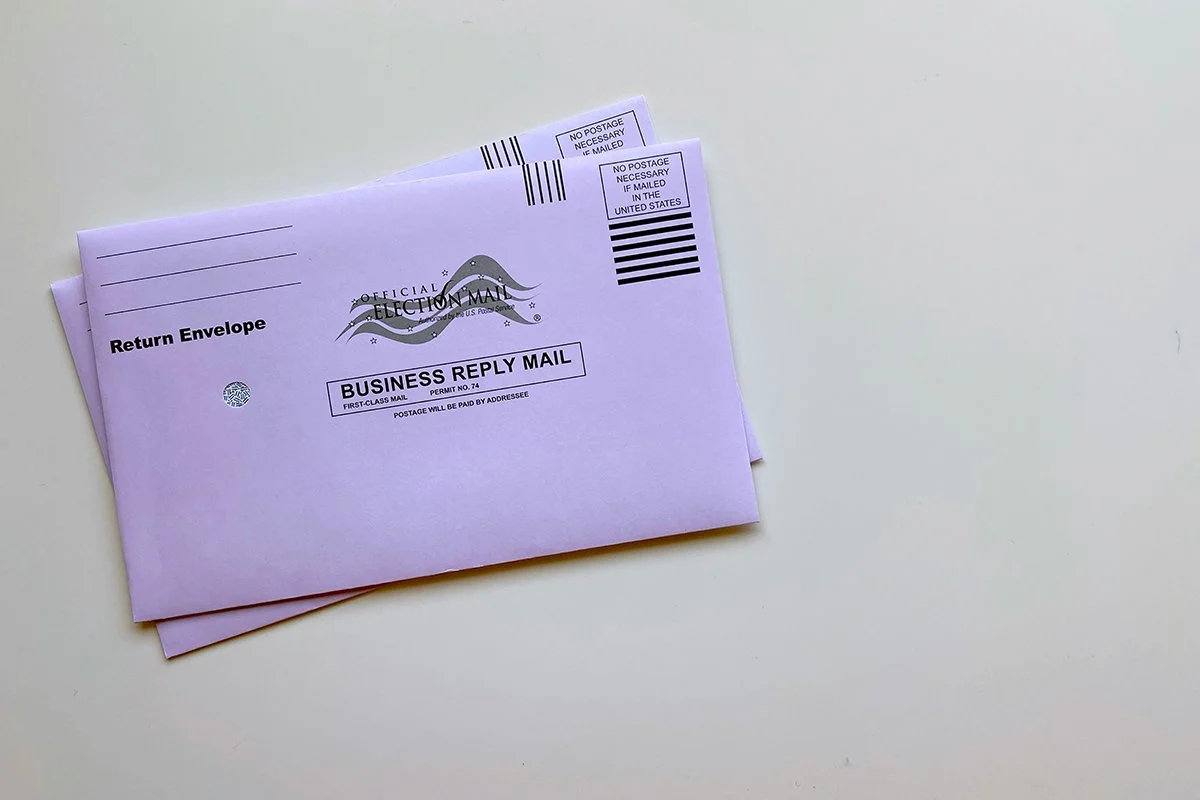
The United States Supreme Court has issued a pivotal ruling blocking a new United States Postal Service (USPS) regulation that sought to fundamentally alter the way mail-in ballots are handled and verified across the country. The decision marks a significant moment in the ongoing national debate over election integrity, federalism, and the extent of executive authority over the democratic process. At its core, the legal battle represents a collision between the federal government’s attempt to standardize election security and the constitutional prerogative of individual states to manage their own electoral procedures.
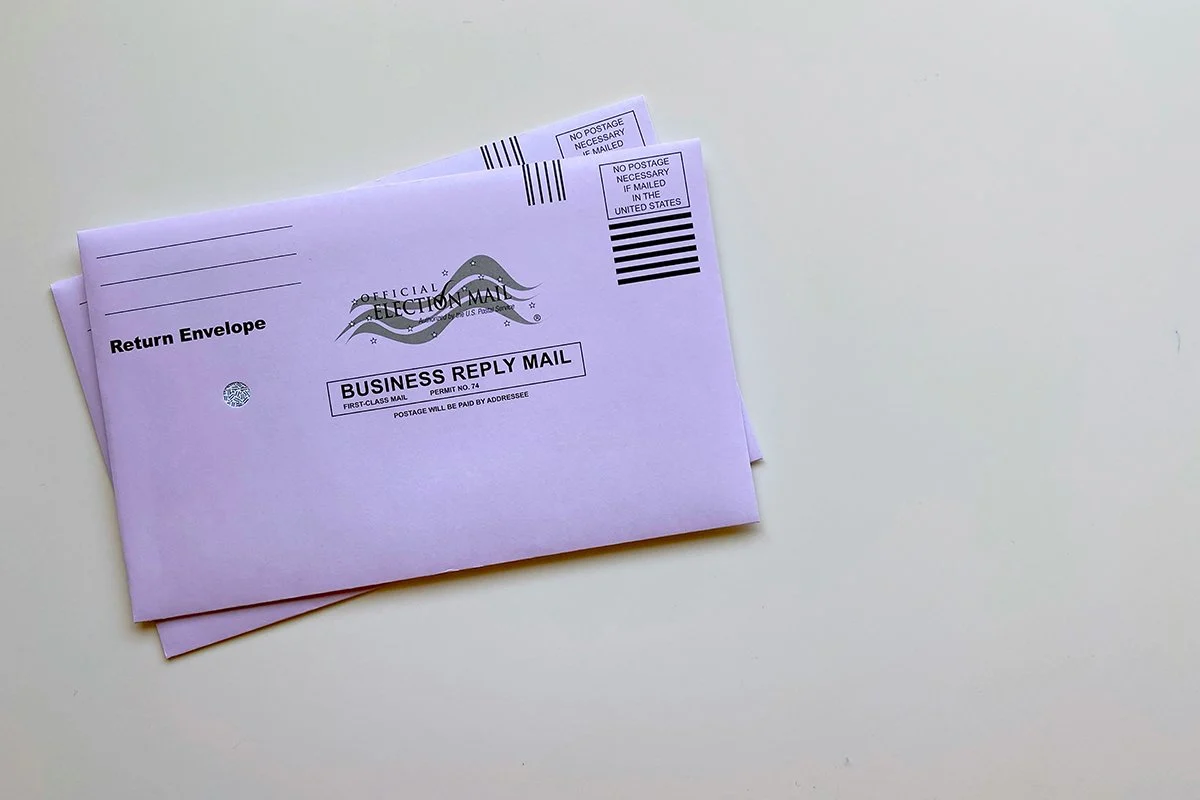
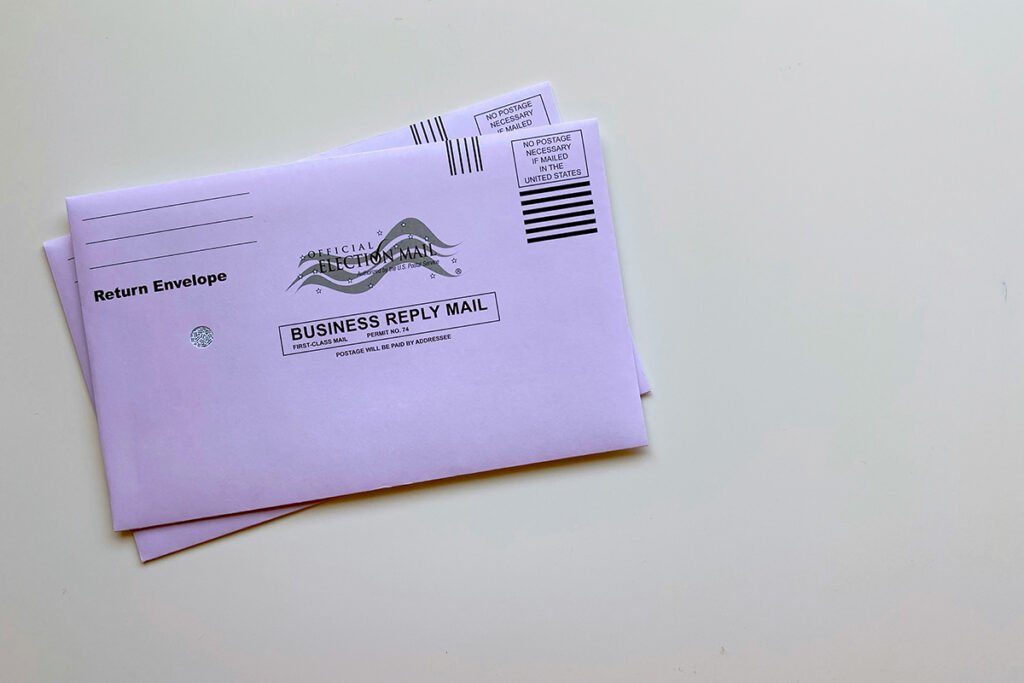
The controversial measure, which stemmed from an executive order, did not seek to ban mail-in voting entirely but proposed an unprecedented expansion of federal oversight. Under the proposed rule, states would have been mandated to provide the USPS with granular data regarding every voter eligible for mail-in or absentee ballots. The Postal Service would then have implemented a specialized verification and tracking system, requiring all ballots to be transmitted in "Official Election Mail" envelopes featuring unique, high-security barcodes. Most controversially, the USPS would have been empowered to deliver ballots only to individuals on state-approved lists, effectively transforming the mail carrier into a secondary auditor of voter eligibility.
The Legal and Administrative Conflict
The administration argued that these stringent measures were essential to bolstering public confidence in election results and preventing the distribution of ballots to ineligible individuals. Proponents of the rule claimed that the unique barcodes and centralized tracking would provide a necessary layer of security in an era where mail-in voting has become a standard feature of the American electoral landscape. However, civil rights organizations and election law experts contended that the proposal would have turned the USPS into a "federal gatekeeper," granting a federal agency the power to delay or reject ballots based on administrative discrepancies.
In blocking the rule, the Supreme Court focused heavily on the timing of the implementation. The justices noted that introducing such a sweeping change shortly before a major election cycle would likely result in catastrophic administrative failure. While the Court did not explicitly rule on the constitutionality of the measure, the decision to stay the rule prevented what many experts feared would be a "man-made disaster" at the ballot box.
Chronology of the Dispute and Implementation Risks
The path to the Supreme Court began shortly after the executive branch signaled its intent to overhaul mail-in ballot processing. Following the 2020 general election, which saw a historic surge in mail-in participation due to the COVID-19 pandemic, the administration began drafting guidelines to centralize oversight of the process.
- Phase One: The Executive Order. The administration issued a directive requiring the USPS to develop a "robust verification framework" for election mail.
- Phase Two: Legal Challenges. A coalition of voting rights groups, including the ACLU and Common Cause, filed suit in federal court, arguing the rule violated the Administrative Procedure Act and exceeded the USPS’s statutory authority.
- Phase Three: The Whistleblower Report. During the discovery phase of litigation, a whistleblower report surfaced, revealing that the technical infrastructure for the proposed tracking portal was deeply flawed.
- Phase Four: Appellate Rulings. Multiple federal appeals courts issued injunctions, citing the risk of disenfranchisement and the "Purcell Principle"—a judicial doctrine discouraging courts from changing election rules too close to an election.
- Phase Five: Supreme Court Intervention. The high court declined to lift the lower court stays, effectively mothballing the policy for the current election cycle.
The whistleblower report proved to be a turning point in the public discourse. It detailed how a single barcode error or a synchronization lag between state databases and USPS servers could lead to the rejection of entire batches of ballots. For states that had already moved toward universal mail-in voting, the prospect of the USPS refusing to deliver "non-compliant" mail posed an existential threat to the election’s viability.
Supporting Data: The Scale of Mail-In Voting
To understand the impact of the proposed rule, one must look at the sheer volume of mail-in ballots in recent American history. In the 2020 general election, approximately 46 percent of voters cast their ballots by mail, a massive increase from 21 percent in 2016. Data from the Election Assistance Commission (EAC) indicates that over 66 million mail-in ballots were successfully processed in 2020.
Critics of the proposed USPS rule pointed to the rarity of the fraud the administration claimed to be targeting. A comprehensive study by the Brennan Center for Justice found that the rate of voter fraud in the U.S. is between 0.0003 percent and 0.0025 percent. Furthermore, a 2022 analysis of mail-in voting across several states showed that existing state-level verification methods—such as signature matching and secure drop boxes—were highly effective at preventing double voting or impersonation.
The proposed USPS rule would have required the agency to process information for over 150 million registered voters. Logistics experts argued that the USPS, which has faced significant budget cuts and staffing shortages, lacked the capacity to manage a real-time voter eligibility database without causing delays in the delivery of essential mail, including prescription medications and social security checks.
Official Responses and Advocacy Perspectives
The Supreme Court’s decision was met with immediate reaction from across the political and advocacy spectrum. Karen Dolan, director of the Criminalization of Race and Poverty Project at the Institute for Policy Studies, emphasized that the decision saved millions from potential disenfranchisement. "By imposing these kinds of restrictions, you are threatening the disenfranchisement of millions of people and injecting chaos and uncertainty into the democratic process," Dolan stated. She warned, however, that the Court’s narrow focus on timing leaves the door open for future attempts to federalize election gatekeeping.
Maryam Jazini Dorcheh, vice president of litigation at Common Cause, argued that the administration’s efforts were rooted in a desire to evade accountability. "This administration is afraid of accountability," Dorcheh said. She noted that mail ballots have historically been used by officials from both parties without incident and that the sudden push for "verification" was a solution in search of a problem, designed primarily to create confusion that could later be used to challenge election results.
From a legal standpoint, Anna Baldwin of the Campaign Legal Center suggested that the administration’s strategy might be to create "chaos as a victory." According to Baldwin, even when these policies are struck down in court, the surrounding rhetoric spreads misinformation about the security of the vote, which can suppress turnout and erode long-term trust in democratic institutions.
Broader Impact on Federalism and the Role of Nonprofits
The dispute highlights a fundamental tension in the U.S. Constitution: while Article I, Section 4 gives states the primary authority to determine the "Times, Places and Manner of holding Elections," it also allows Congress to "make or alter such Regulations." The executive branch’s attempt to use a federal agency (the USPS) to bypass both state legislatures and Congress represents a significant shift in how federal power is applied to the voting process.
As federal institutions like the Department of Justice face scrutiny over their perceived neutrality, the role of the nonprofit sector has expanded. Organizations like the League of Women Voters (LWV) have transitioned from simple voter registration drives to high-stakes litigation and sophisticated anti-misinformation campaigns. Marcia Johnson, chief of activation and justice at the LWV, noted that when the "bully pulpit" is used to undermine confidence in election infrastructure, it falls to civil society to provide the "ground truth" to voters.
The nonprofit sector is now filling a gap once occupied by non-partisan government agencies. These organizations are increasingly responsible for educating the public on how to navigate changing rules, ensuring that voters know their rights, and providing the legal muscle to challenge executive overreach.
Implications for the Future of U.S. Democracy
While the Supreme Court has temporarily halted the USPS’s role as an election gatekeeper, the underlying legal theories remain unresolved. Justice Brett Kavanaugh, in a concurring opinion, hinted that the executive branch might indeed possess certain authorities to regulate election mail under different circumstances or with a longer implementation window. This suggests that the battle over mail-in ballots is far from over and will likely resurface as a central theme in the 2028 presidential cycle.
The implications extend beyond the mail. The push for stricter proof-of-citizenship documentation, the creation of federal voter databases, and the increased scrutiny of voter rolls all point toward a future where the federal government plays a much more active—and potentially restrictive—role in the voting process.
For now, the status quo remains: the Postal Service’s primary duty is to deliver the mail, not to adjudicate the eligibility of the person receiving it. However, the litigation has revealed a clear blueprint for how future administrations might attempt to use the machinery of the federal government to influence the mechanics of voting. As the country moves toward future elections, the vigilance of the courts and civil society will remain the primary safeguard against the weaponization of administrative rules in the pursuit of political advantage.