Layla Zulfa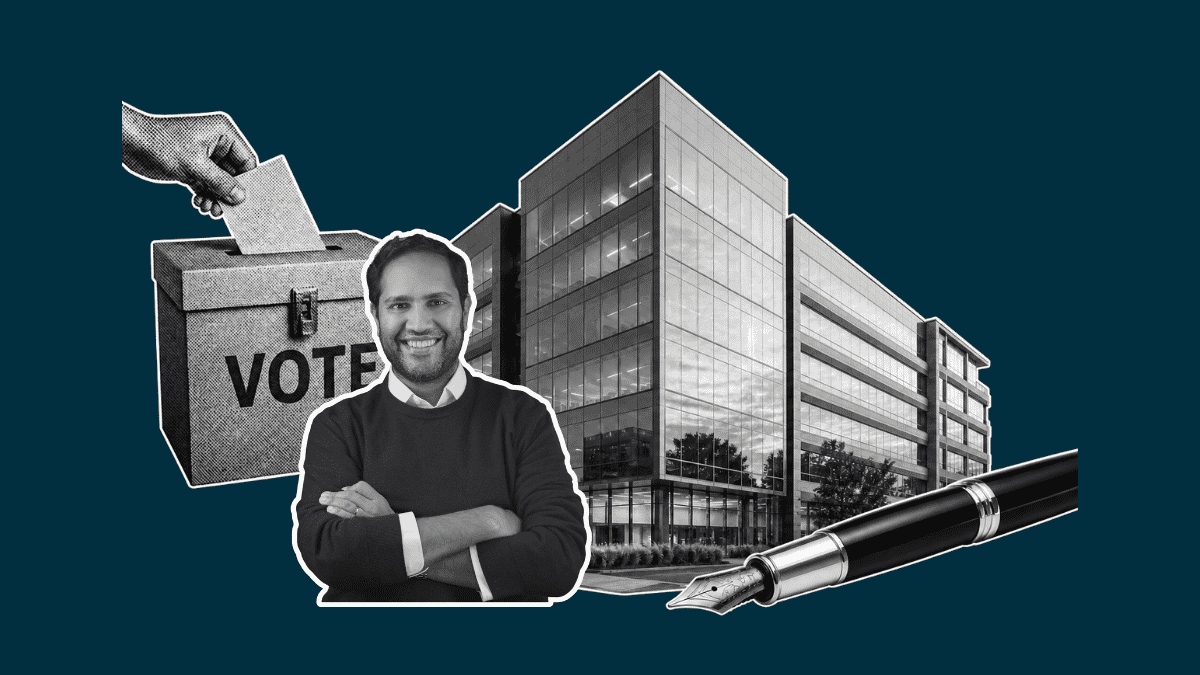
New York, NY – [Date] – In a dramatic boardroom shake-up, Vishal Garg, the founder of Better Home & Finance Holding Co., has successfully orchestrated the removal of five directors from the company’s board, reclaiming a pivotal leadership role after a contentious two-month dispute. The decisive outcome was confirmed on Monday when an independent election inspector certified shareholder votes, with a significant majority backing Garg’s campaign. Shareholders representing 52.02% of Better’s outstanding voting power supported the ousting of Chairman Harit Talwar, interim CEO Daniel Lewis, and directors Arnaud Massenet, Bhaskar Menon, and Prabhu Narasimhan. This victory signifies a powerful endorsement from the company’s investors, underscoring a widespread desire for a shift in the company’s strategic direction and governance.
The announcement coincides with Better’s official declaration that it would not contest Garg’s consent solicitation, a move that effectively clears the path for his return to a leadership capacity. This cessation of opposition by the company itself signals a formal acceptance of the shareholder mandate and a potential end to the protracted internal conflict that has loomed over the mortgage technology and finance firm.
A Hard-Fought Battle for Control
The dispute, which ignited in early August with Garg’s removal as CEO, escalated into a high-stakes proxy battle. Garg, however, wasted no time in mobilizing support, retaining the services of prominent attorney Alex Spiro of Quinn Emanuel. His campaign aimed to regain influence by challenging the incumbent board’s leadership and strategic vision. The success of this campaign is particularly noteworthy, as corporate proxy fights seeking to replace an entire public company board are historically rare. Garg himself highlighted this rarity in a statement, noting, "In the last decade, only 1.7% of corporate proxy disputes seeking to replace the Board of a public company succeeded. Overcoming 50-to-1 odds to replace a public company board is a tremendous vote of confidence from our shareholders."
Reconstitution of the Board and Future Strategy
The reconstituted board will now comprise five members, a reduction from its previous nine seats. Vishal Garg, as the sole incumbent director, will be joined by three newly appointed members: Bing Gordon, Steven Sarracino, and two unnamed current Better employees. This strategic appointment of new talent is aimed at injecting fresh perspectives and expertise into the company’s leadership.
Bing Gordon brings a wealth of experience from the technology sector, notably as a co-founder of Electronic Arts and a former director and senior product advisor at Amazon. His background in consumer technology and digital platforms is expected to be instrumental in advancing Better’s technological initiatives. Gordon also holds a significant role as chief product officer and an adviser at the venture capital firm Kleiner Perkins, suggesting a continued focus on innovation and growth.
Steven Sarracino, the founder of Activant Capital, is a former investor and director at Better. His firm’s track record of investing in technology companies and managing a substantial $1.45 billion venture fund indicates a deep understanding of the financial and technological landscape. His prior involvement with Better further solidifies his familiarity with the company’s operations and challenges.
Beyond the board changes, the newly empowered leadership is moving swiftly to dismantle existing corporate structures that may have hindered Garg’s previous initiatives. Steps are underway to remove Better’s stockholder rights plan, commonly referred to as a "poison pill," a mechanism often employed by companies to defend against hostile takeovers. Furthermore, the company intends to dismiss the pending litigation filed against Garg in the U.S. District Court for the Southern District of New York. This legal action was a significant consequence of the initial conflict and its resolution signals a move towards internal reconciliation.
The "Better 2.0" Vision
Garg has articulated a clear strategic roadmap for the company, dubbed "Better 2.0." This plan, which he had previously outlined, emphasizes a multi-pronged approach to operational improvement and growth. Key components include enhancing operational efficiency, expanding the company’s proprietary artificial intelligence platform, Tinman, and bolstering its home equity lending business. The strategy also involves divesting non-core assets and returning capital to shareholders. Under this renewed leadership, Garg intends to focus on product, platform, and innovation while initiating a search for a new Chief Executive Officer.
The financial targets set forth in Garg’s plan are ambitious. Annual cost savings are projected to increase from $45 million to $60 million. To achieve this, Better plans to engage an advisory firm to streamline operations and finalize strategic partnerships for its Tinman platform. The expansion of the company’s Home Equity Line of Credit (HELOC) business is also a priority. In addition to these operational and strategic goals, The Garg Group is actively seeking shareholder approval for a $30 million stock buyback program, a move that typically aims to increase shareholder value by reducing the number of outstanding shares.
A Timeline of the Conflict
The current resolution marks the culmination of a rapid and intense period of corporate maneuvering:
- Early August: Vishal Garg is removed as CEO of Better Home & Finance Holding Co. Daniel Lewis is appointed interim CEO.
- Mid-August: Garg initiates a campaign to challenge the board’s composition and leadership, launching a consent solicitation to remove directors. He retains legal counsel Alex Spiro.
- Late August/Early September: The proxy battle intensifies as both Garg and the incumbent board solicit shareholder support. Legal actions are potentially initiated or threatened.
- [Date of Article Publication]: An independent election inspector certifies the shareholder votes, confirming the removal of five directors. Better announces it will not challenge Garg’s consent solicitation. The reconstituted board is announced, along with plans to remove the poison pill and dismiss litigation.
Rebuilding Trust and Future Outlook
The narrative of Garg’s return is framed by his legal team as a remarkable comeback. Alex Spiro remarked, "No public CEO has ever been pushed out, litigated the issue, and won his way back in two months. Vishal Garg has been vindicated." This sentiment underscores the aggressive and successful nature of Garg’s campaign to reclaim his position.
In his latest statement, Garg expressed gratitude to the shareholders for their support and articulated his commitment to the future. "We recognize the significant work ahead to execute on Better 2.0, and we are committed to rebuilding trust through transparency, execution and clear results for our next 90 days ahead and beyond," he stated. He further emphasized, "Our focus now is on building Better 2.0 in a better, stronger way than ever before and to create lasting value for shareholders and serve our customers, employees and partners."
The company is also actively seeking a permanent replacement for the interim CEO role. The board has identified a candidate and is in the process of finalizing the engagement, with an announcement expected once all necessary documentation is completed. This move suggests a desire for stable, long-term leadership to execute the "Better 2.0" strategy effectively.
Broader Implications for the Mortgage Industry
Vishal Garg’s successful boardroom coup at Better Home & Finance Holding Co. has several significant implications for the broader mortgage and fintech industries. Firstly, it highlights the increasing power of activist investors and founder-led campaigns in challenging established corporate governance. Secondly, the swiftness of Garg’s return suggests that in certain situations, a well-executed shareholder engagement strategy can overcome significant institutional inertia.
The company’s focus on technological advancement, particularly its Tinman AI platform, and its expansion into home equity lending, reflects ongoing trends in the mortgage sector. As interest rates remain a significant factor in the housing market, companies are increasingly looking to technology and diversified lending products to drive growth and efficiency. Better’s ability to navigate these market dynamics under its new leadership will be closely watched.
The resolution of the internal conflict also allows Better to redirect its resources and attention towards strategic execution rather than internal disputes. The commitment to transparency and rebuilding trust, as articulated by Garg, will be crucial for restoring confidence among employees, customers, and the investment community. The success of "Better 2.0" will ultimately be measured by its ability to deliver on its ambitious cost-saving targets, enhance operational performance, and generate sustainable shareholder value in a competitive market. The coming months will be critical in determining whether this boardroom victory translates into tangible improvements for Better Home & Finance Holding Co.