Dwi Wanna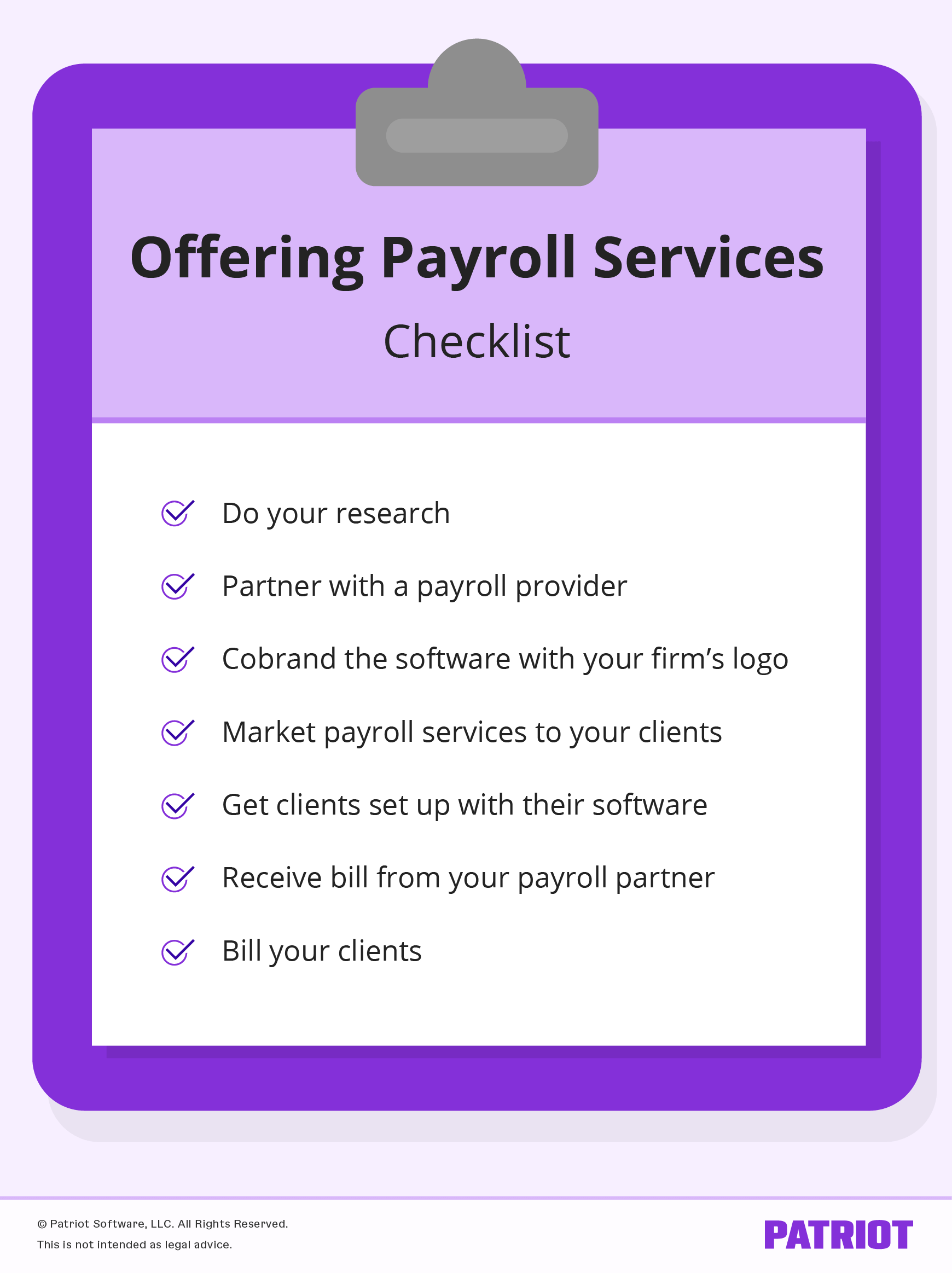
The modern accounting landscape is undergoing a fundamental transformation as firms shift from traditional compliance-based models toward comprehensive advisory roles. Central to this evolution is the integration of payroll services, a move that allows practitioners to address a primary pain point for small and medium-sized enterprises (SMEs) while simultaneously securing a consistent, recurring revenue stream. By leveraging cloud-based technologies and white-label partnerships, accounting firms are increasingly answering the perennial client question, “Do you handle payroll too?” with a definitive yes, marking a significant departure from the era when payroll was viewed as a low-margin, high-liability administrative burden.
The Strategic Shift to Full-Service Accounting
For decades, many accounting firms avoided payroll services due to the complexity of multi-state tax laws and the labor-intensive nature of manual data entry. However, the emergence of sophisticated cloud-based payroll systems has automated the most arduous aspects of the process, including tax calculations, filings, and deposits. Industry data suggests that payroll remains one of the most significant stressors for small business owners. According to recent surveys of SME stakeholders, approximately 40% of small business owners spend more than 80 hours a year on federal taxes alone, with payroll taxes representing a substantial portion of that administrative load.
By absorbing this responsibility, accounting firms are not merely performing a task; they are reclaiming time for their clients. This transition is part of a broader industry trend known as Client Accounting and Advisory Services (CAAS). The American Institute of Certified Public Accountants (AICPA) has noted that CAAS is one of the fastest-growing segments in the profession, as it allows firms to provide higher-value strategic advice based on the real-time financial data generated by integrated payroll and bookkeeping systems.
Chronology of Payroll Technology Evolution
The methodology of payroll processing has evolved through several distinct phases, each narrowing the gap between the accountant and the client’s daily operations:
- The Manual Era (Pre-1990s): Payroll was processed using physical ledgers and manual check-writing. Errors were common, and tax compliance required exhaustive manual cross-referencing with government tables.
- The Desktop Software Era (1990s–2010s): On-premise software automated calculations but required manual updates for tax table changes. Accountants often had to travel to client sites or exchange physical data disks to review records.
- The Cloud Revolution (2010s–2020): Web-based platforms allowed for real-time collaboration. Automated tax updates became standard, reducing the risk of penalties for non-compliance.
- The Integrated Advisory Era (2020–Present): Modern systems now offer "white-label" or co-branded portals. These platforms integrate directly with general ledgers, time-tracking apps, and benefits providers, allowing the accounting firm to act as the central hub for all business operations.
Financial Implications and Profitability Models
The financial incentive for offering payroll is driven by the "wholesale-to-retail" pricing model. Software providers often offer discounted "partner pricing" to accounting firms. For example, a provider might bill the firm a base rate of $20 per payroll run plus $4 per employee. The firm, in turn, invoices the client at a market rate—perhaps $80 per run plus $6 per employee.
In a scenario involving a client with 10 employees and 26 biweekly pay periods, the firm could realize a margin of approximately $80 per pay run, totaling over $2,000 in annual profit from a single client. When scaled across a portfolio of 50 clients, this creates a secondary revenue stream of $100,000 per year with minimal increase in internal overhead, as the software handles the filing and remittance of taxes. Furthermore, many providers offer free software for the accounting firm’s own internal use as an added incentive for partnership.
Industry Reactions and Market Demand
Market analysts observe that the demand for integrated payroll services is driven by the increasing complexity of the regulatory environment. With the rise of remote work, businesses frequently find themselves with employees in multiple states, each with unique withholding requirements and local tax jurisdictions.
"Business owners are no longer looking for a vendor; they are looking for a partner who can navigate the regulatory maze," says one industry consultant specializing in firm growth. "When an accountant provides payroll, they aren’t just filing forms; they are providing insurance against IRS audits and state labor department inquiries."

Potential clients often compare firms based on the breadth of their offerings. A firm that provides a "one-stop-shop" for tax, bookkeeping, and payroll is significantly more attractive to a busy entrepreneur than a firm that requires the client to manage a third-party payroll bureau independently. This "foot-in-the-door" strategy allows firms to secure the payroll relationship first and then upsell higher-value tax planning and fractional CFO services as the client’s business grows.
Technical Requirements for Modern Payroll Partners
Choosing a payroll software partner is a critical decision that impacts a firm’s reputation. Reliability is the paramount concern, as a single filing error can result in significant penalties and damage the client’s trust. Practitioners are advised to evaluate potential partners based on a rigorous set of criteria:
- Filing Accuracy Guarantees: Reputable providers should offer guarantees that they will cover any penalties or interest resulting from their own filing errors.
- Integration Capabilities: The software must sync seamlessly with popular accounting platforms like QuickBooks, Xero, or proprietary firm ledgers to ensure that payroll data flows automatically into financial statements.
- Self-Service Portals: Modern systems should provide employees with direct access to their pay stubs and W-2s, reducing the administrative burden on both the employer and the accountant.
- Security and Compliance: Given the sensitivity of Social Security numbers and banking information, SOC 2 compliance and multi-factor authentication are non-negotiable features.
Strategic Marketing: Branding the Accountant as an Advisor
Transitioning to payroll services requires a shift in how a firm markets itself. Instead of positioning the service as a commodity, successful firms brand themselves as "trusted advisors." This involves proactive communication and identifying client pain points before they become crises.
For instance, if an accountant notices a client is consistently late with manual tax deposits or is struggling with employee classification (W-2 vs. 1099), this presents an opportunity to suggest a managed payroll solution. Marketing materials should emphasize transparency and honesty, moving away from "black box" pricing toward clear, value-based packages.
Effective marketing channels for these services include:
- Direct Email Outreach: Targeting existing bookkeeping clients with personalized assessments of their current payroll efficiency.
- Digital Presence: Updating the firm’s website to feature payroll and HR advisory as core competencies.
- Social Media Education: Sharing content regarding changing labor laws and tax deadlines to demonstrate expertise.
Broader Impact on the Accounting Profession
The long-term implication of this trend is the "stickiness" of the client relationship. While a client might switch tax preparers over a minor fee difference, they are far less likely to leave a firm that manages their payroll, benefits, and daily financial records. The integration of these services creates a high barrier to exit and fosters a deep, multi-year partnership.
Furthermore, the data generated by payroll services provides accountants with a unique vantage point. By analyzing labor costs in real-time, accountants can offer strategic advice on hiring, compensation structures, and cash flow management. This moves the profession away from "historical reporting" and toward "forward-looking guidance."
Implementation Checklist for Firms
To successfully launch or expand payroll services, firms should follow a structured implementation plan:
- Market Research: Survey existing clients to determine their current payroll methods and satisfaction levels.
- Provider Selection: Evaluate at least three cloud-based payroll partners, focusing on their accountant-specific features and support response times.
- Co-Branding Setup: Utilize white-label options to ensure the client interacts with the firm’s brand, reinforcing the advisor relationship.
- Pilot Program: Roll out the service to a small group of 3–5 trusted clients to refine internal workflows before a full-scale launch.
- Standardized Billing: Establish a clear pricing model (e.g., flat fee or per-employee) that ensures profitability while remaining competitive.
As the fiscal year progresses, firms that embrace these integrated services are positioning themselves to thrive in an increasingly automated and advisory-focused market. The move into payroll is no longer just an administrative addition; it is a strategic necessity for the modern, growth-oriented accounting practice.