Candice Horbacz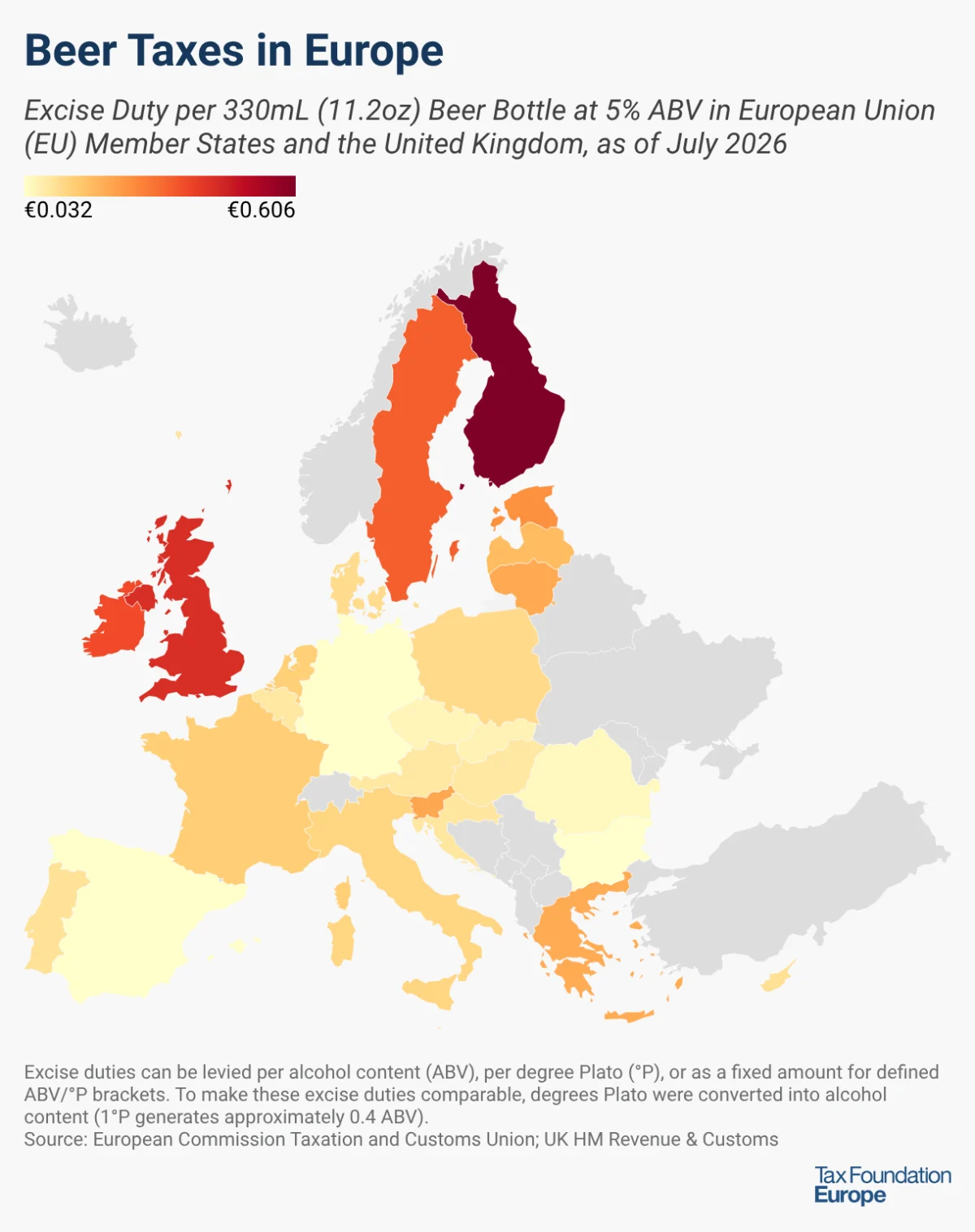
Europe is on the precipice of a significant overhaul in its approach to alcohol taxation, with substantial changes anticipated to take effect by 2026. The proposed reforms aim to modernize a complex and often inconsistent system, moving towards a more streamlined, alcohol-by-volume (ABV) based excise tax structure. This shift is driven by a confluence of factors, including the dramatic evolution of the alcohol industry, a renewed focus on public health outcomes, and the pursuit of greater administrative efficiency and transparency across the European Union.
The Historical Roots and Current Disparities of Alcohol Taxation
For centuries, governments have leveraged excise taxes on alcoholic beverages for two primary reasons: to discourage consumption, particularly of products deemed to have higher social costs, and to generate substantial revenue from a widely consumed, albeit often socially stigmatized, commodity. This dual motivation has shaped the diverse tax landscapes seen across Europe today. However, these historical frameworks are increasingly recognized as blunt instruments, struggling to adapt to the complexities of the modern alcohol market.
Currently, the tax treatment of alcohol in Europe exhibits considerable variation, even within categories. Beer, for instance, is generally taxed more heavily than wine in many EU member states. A notable disparity exists where several countries, including major wine producers like Germany, Italy, Spain, Portugal, Austria, and Greece, levy no excise tax whatsoever on wine. Conversely, beer is typically taxed much lighter than distilled spirits, which usually bear the highest excise duty rates. This categorical approach, while historically rooted, has led to significant inconsistencies and competitive imbalances.
The Blurring Lines: Innovation in the Alcohol Industry
The past two decades have witnessed a profound transformation in the alcohol industry, characterized by unprecedented innovation that has fundamentally blurred traditional categorical lines. This evolution is a core catalyst for the proposed tax reforms.
The craft brewing revolution stands out as a prime example. Once a niche market, craft beer has exploded in popularity, introducing consumers to an astonishingly diverse flavor profile and, crucially, a wider range of alcohol content. Traditional lagers might hover around 4-5% ABV, but modern craft offerings can range from sessionable 3% beers to high-gravity imperial stouts exceeding 10-12% ABV. This exponential increase in product variety and alcohol strength within the "beer" category itself highlights the limitations of a one-size-fits-all approach to taxation that doesn’t adequately differentiate by actual alcohol content.
Similarly, malt liquor, a higher-alcohol-content beer brewed with extra malt, explicitly signifies a product designed to push the boundaries of the beer category. While legally classified as beer, its higher ABV (often 6-9% or more) positions it closer to some wines in terms of alcohol concentration, yet it benefits from beer’s typically lower tax rates.
Perhaps the most disruptive innovation, however, has been the rapid proliferation of ready-to-drink (RTD) cocktails. These convenient, pre-mixed beverages have seen explosive growth globally. While many RTDs are spirit-based, combining a distilled spirit with mixers, the final product available for purchase often has an alcohol content closer to that of a strong beer or a light wine rather than a bottle of liquor. Other RTDs might be wine-based or even malt-based. Under current categorical tax systems, a spirit-based RTD might be taxed at the higher spirits rate, even if its final ABV is similar to a beer, creating an uneven playing field. This segment alone underscores the urgent need for a more granular, content-based taxation model.
The Case for Modernization: Alcohol Content as the Metric
The primary argument for modernizing alcohol taxation hinges on discarding these "clunky categorical systems" in favor of a tax levied directly on alcohol content. The United Kingdom’s alcohol duty system, which applies similar or uniform duties for most products by alcohol content across categories, is often cited as a potential model. While not without its own complexities, the UK system represents a move towards a more rational and equitable framework.
Proponents of an ABV-based system in the EU argue for several key benefits:
- Equalization of Treatment: By taxing the actual alcohol content, the system would treat different types of alcohol more equitably. A high-ABV craft beer would be taxed more closely to a similar ABV wine or spirit, removing artificial distinctions based solely on the product’s primary ingredient or traditional classification.
- Increased Efficiency and Transparency: An ABV-based system promises to be simpler to administer for tax authorities and easier to comply with for producers. It reduces the need for complex classification debates and offers greater clarity for consumers regarding the tax component of their purchases. This streamlining could significantly reduce administrative costs for governments and compliance burdens for businesses.
- Enhanced Public Health Outcomes: Public health advocates strongly support an ABV-based tax, arguing it more directly links the tax burden to the potential for harm. Higher-alcohol products, regardless of category, would incur higher taxes, potentially encouraging consumers to opt for lower-ABV alternatives and incentivizing producers to develop such products. This aligns with broader public health strategies aimed at reducing harmful alcohol consumption.
- Future-Proofing the Tax System: As innovation in the alcohol industry continues unabated, a content-based system would be inherently more adaptable. New product categories or hybrids would seamlessly fit into the tax structure without requiring constant legislative updates or creating new tax loopholes.
Timeline and Expected Implementation by 2026
The "Significant Changes as of 2026" refer to an anticipated period where these proposed reforms are expected to be either fully implemented or at a mature stage of legislative adoption and national rollout. While specific EU directives or national laws are still being finalized, discussions within EU institutions and national treasuries have been ongoing for several years, recognizing the growing inadequacy of existing frameworks.
The push for 2026 as a target date suggests a concerted effort to move beyond conceptual discussions to tangible policy changes. This timeline allows for necessary legislative processes, extensive consultations with stakeholders, and a transition period for businesses to adapt to the new tax structures. It implies that by this date, member states would either have transposed new EU directives into national law or independently adopted similar reforms, driven by a consensus on the need for modernization.
Supporting Data and Economic Implications
The current tax disparities are stark. For example, a 2021 analysis by the Tax Foundation revealed that across the EU, the average excise tax on spirits was significantly higher than on beer, and several countries imposed no excise tax on wine. In countries like Ireland, the excise tax on a liter of pure alcohol in spirits could be over €40, while in Germany, wine was entirely exempt, and beer taxed at a fraction of the spirits rate. This creates significant price differentials for products with comparable alcohol content, distorting market dynamics and consumer choices.
An ABV-based system would likely lead to:
- Increased Revenue from High-ABV Beer and Wine: Countries currently exempting wine or lightly taxing high-strength beers could see increased revenue.
- Potential for Reduced Revenue from Lower-ABV Spirits: If an ABV system lowers the relative tax burden on very low-ABV spirits-based RTDs compared to traditional spirits, there could be some revenue shifts.
- Stimulus for Lower-ABV Innovation: Producers might be incentivized to develop and market more low-alcohol or alcohol-free options, which would face little to no excise tax.
- Impact on Cross-Border Trade: Harmonized ABV-based taxation could simplify trade within the EU single market, reducing complexities arising from different national classifications and rates. However, it could also impact traditional cross-border shopping patterns if price differentials shift significantly.
Statements and Reactions from Related Parties
The prospect of such fundamental changes has naturally elicited varied reactions from key stakeholders:
- Policymakers and Public Health Advocates: Generally support the move towards an ABV-based system. Officials from the European Commission and national health ministries frequently highlight the public health benefits, emphasizing that a tax directly proportional to alcohol content is a more effective tool for reducing harmful consumption and related societal costs. They also point to administrative efficiency and fairness as compelling reasons for reform.
- Wine Industry Associations: Are anticipated to be the most vocal critics, particularly in wine-producing nations. Organizations like the Comité Européen des Entreprises Vins (CEEV) have historically argued that wine is a traditional agricultural product, often consumed as part of a meal and cultural heritage, and should not be subject to the same excise duties as other alcoholic beverages. They fear that new taxes could significantly increase prices, harm competitiveness, and impact the livelihoods of growers and producers. They may also argue for differentiated treatment based on production methods or cultural significance.
- Beer Industry Representatives: Reactions within the beer industry are likely to be mixed. Craft brewers producing high-ABV products might face increased tax burdens, while those focusing on sessionable beers could see their relative tax position improve. Larger breweries might favor the administrative simplification but remain cautious about any changes that could disrupt established market segments. The Brewers of Europe, representing the continent’s beer sector, would likely advocate for fair and consistent application, ensuring any new system doesn’t disproportionately penalize beer compared to other categories.
- Distilled Spirits Industry: The spirits sector, often bearing the heaviest tax burden, might welcome a system that levels the playing field, especially for their growing RTD segments. However, they would also be wary of any changes that could unexpectedly increase their overall tax liability or complicate their existing distribution channels. European spirits organizations would likely emphasize the importance of a predictable and stable tax environment.
- Consumer Groups: Could express concerns about potential price increases for their preferred alcoholic beverages, particularly if they favor products currently benefiting from lower tax rates (e.g., wine in certain countries). Conversely, some consumers might welcome the greater transparency and the potential for increased availability of lower-ABV options.
Broader Impact and Implications
The shift to an ABV-based alcohol taxation system by 2026 represents more than just a technical adjustment; it signifies a recalibration of public policy towards alcohol in Europe.
Economically, it could reshape market competition, influencing investment decisions, product development strategies, and supply chains across the continent. Producers may pivot towards lower-ABV offerings to mitigate tax impacts, leading to a new wave of innovation in moderation. The potential for increased tax revenue for some governments could also impact public spending priorities.
Socially and culturally, particularly in countries with strong wine-drinking traditions and no current wine excise tax, the introduction of such duties could face significant public resistance. The debate often touches upon cultural heritage versus public health imperatives, making it a politically sensitive issue.
From a public health perspective, the long-term implications are potentially significant. By making higher-ABV products relatively more expensive, the policy aims to reduce overall alcohol consumption and associated harms, including liver disease, cardiovascular issues, and alcohol-related accidents. Studies consistently show a correlation between higher alcohol prices (driven by taxes) and reduced consumption, especially among heavy drinkers and younger populations.
Administratively, while the initial transition might involve significant effort in updating systems and educating stakeholders, the long-term vision is one of a more streamlined, less complex, and more resilient tax framework capable of adapting to future market developments.
In conclusion, the anticipated changes to alcohol taxation in Europe by 2026 mark a critical juncture. The move towards an alcohol-content-based system, while promising greater equity, efficiency, and public health benefits, will undoubtedly necessitate delicate political navigation and careful consideration of its wide-ranging economic, social, and cultural impacts across the diverse nations of the European Union. The outcome will shape not only the future of the alcohol industry but also public health policy for decades to come.