Nila Kartika Wati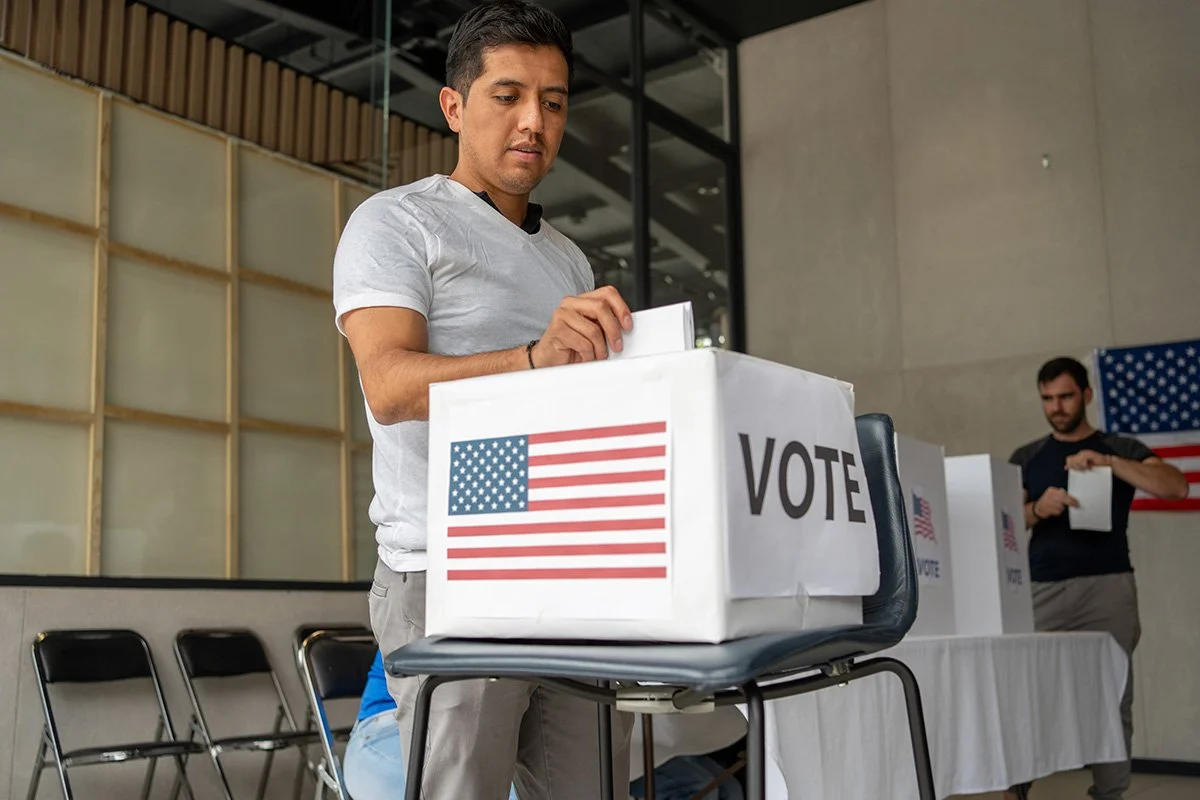
The political alignment of Latine communities in the United States, historically viewed as a reliable pillar of the Democratic base, is undergoing a profound transformation as the nation approaches the 2026 midterm elections and the 2028 presidential cycle. While Democratic candidates have traditionally enjoyed a significant margin of support among Hispanic voters, recent data suggests a growing volatility driven by economic dissatisfaction, a perceived lack of progress on immigration reform, and aggressive Republican efforts to redefine the narrative around border security. In response, a coalition of non-profit organizations and advocacy groups is shifting strategies, moving beyond simple voter registration to focus on legal protections against voter intimidation and year-round community engagement.
A Chronology of Shifting Loyalties: From Bush to Biden
The narrative that the Hispanic vote is a Democratic monolith has been under scrutiny for decades. In 1985, the Federation for American Immigration Reform established the Center for Immigration Studies (CIS), a conservative think tank that initially expressed skepticism regarding the Republican Party’s ability to win over Latine voters. A 2001 CIS report famously questioned whether GOP efforts to woo the community were worth the political capital required. However, the 2000 and 2004 elections challenged this assumption.
In 2000, George W. Bush secured 35 percent of the Hispanic vote, a figure that rose to 40 percent in 2004. This surge was largely attributed to a focus on national security following the September 11 attacks and a strategic appeal to "moral values" and Catholic swing voters. Despite this, the trend did not hold. By 2008, Barack Obama reclaimed a massive share of the electorate, winning 67 percent of the Hispanic vote. This was driven in part by a backlash against the anti-immigrant rhetoric that had begun to permeate the Republican platform, often characterized by racial overtones.
The Obama era, however, introduced a complex legacy. While Obama campaigned on the promise of the DREAM Act and a path to legalization, his administration presided over a record-breaking number of deportations. Data from the CATO Institute indicates that deportations under Obama exceeded those of the Bush administration by approximately one million people. This led advocacy groups to label Obama the "deporter-in-chief." The sense of betrayal was only partially mitigated by the 2012 implementation of Deferred Action for Childhood Arrivals (DACA), a policy move that secured 71 percent of the Hispanic vote for his reelection but left the underlying enforcement infrastructure intact.
The Trump Era and the Erosion of Democratic Dominance
The 2016 election marked the beginning of a steady decline in Latine support for Democratic presidential candidates. Hillary Clinton saw support drop to 67 percent, followed by Joe Biden at 61 percent in 2020. By the 2024 cycle, support for the Democratic ticket had slipped further to 57 percent. Analysts suggest that for many Latine voters, the choice was not necessarily an endorsement of Donald Trump’s platform but rather a vote against the perceived failures of the Democratic establishment.
While the Biden administration created certain humanitarian pathways for naturalization, it also faced a surge in migration following the COVID-19 pandemic. To manage the border, the administration continued Title 42 expulsions and expanded Immigration and Customs Enforcement (ICE) detention capacity from 25,000 to 40,000 beds. According to the CATO Institute, deportation charter flights increased by 55 percent during this period. Organizations such as the ACLU warned that by leaving the "deportation machine" intact—including partnerships with private prison companies and local law enforcement—the administration inadvertently emboldened future enforcement efforts.
Contrary to some post-election narratives, data from Pew Research indicates that while Latine voters shifted, the 2024 election was primarily decided by White men under 50, who shifted toward Trump by 10 points. Nevertheless, the erosion of the Democratic margin among Hispanics has forced a total reevaluation of outreach strategies.
Modern Tactics of Voter Suppression and Intimidation
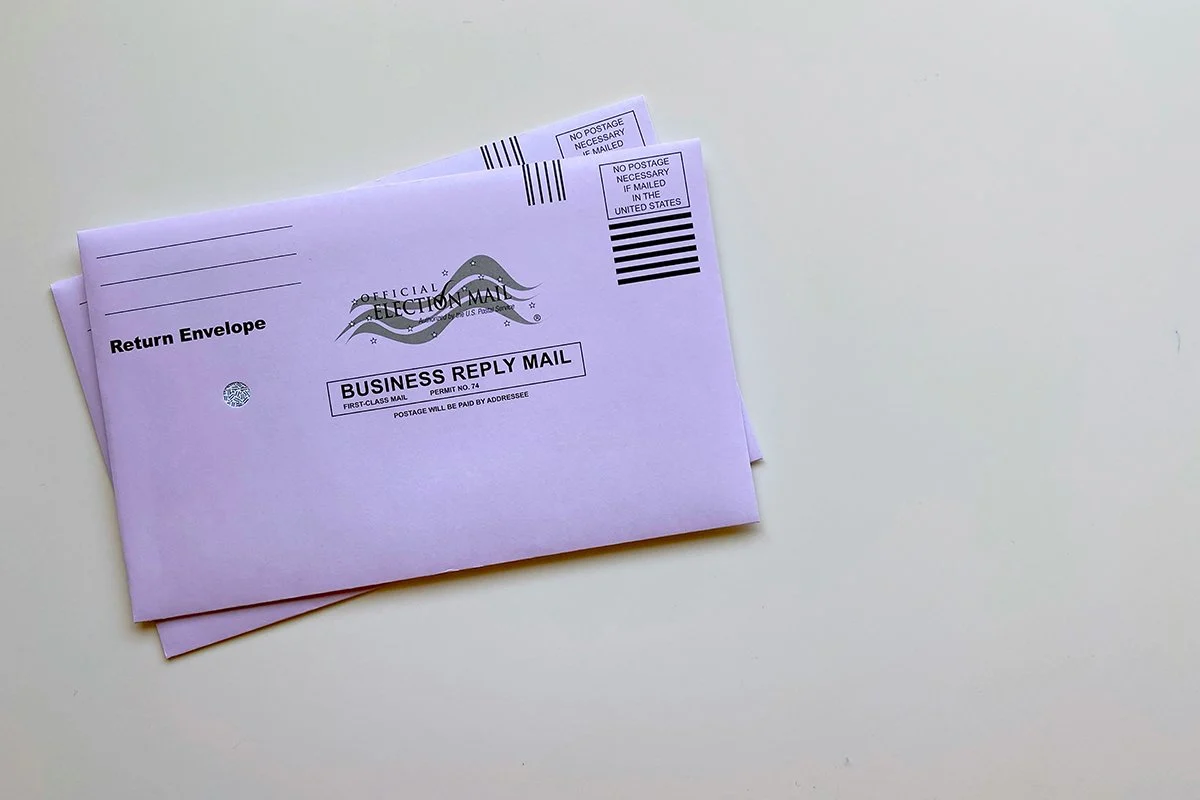
As the Latine voting bloc grows to an estimated 36 million eligible voters, right-wing strategies have shifted toward demobilization. Advocacy groups have identified several tools being used to suppress the non-White vote, including gerrymandering, disruptions to mail-in voting, and direct voter intimidation.
The Trump administration’s rhetoric regarding the use of the National Guard and ICE at polling locations has been identified by civil rights groups as a direct threat to U.S. citizens. Such tactics often lead to racial profiling and the mistaken detention of legal voters. Furthermore, the "Unlawful Voter Initiative" has come under fire. According to whistleblower reports, Department of Homeland Security (DHS) officers have been accused of using personal voting information to verify eligibility on public websites that often contain outdated information, specifically targeting recently naturalized citizens.
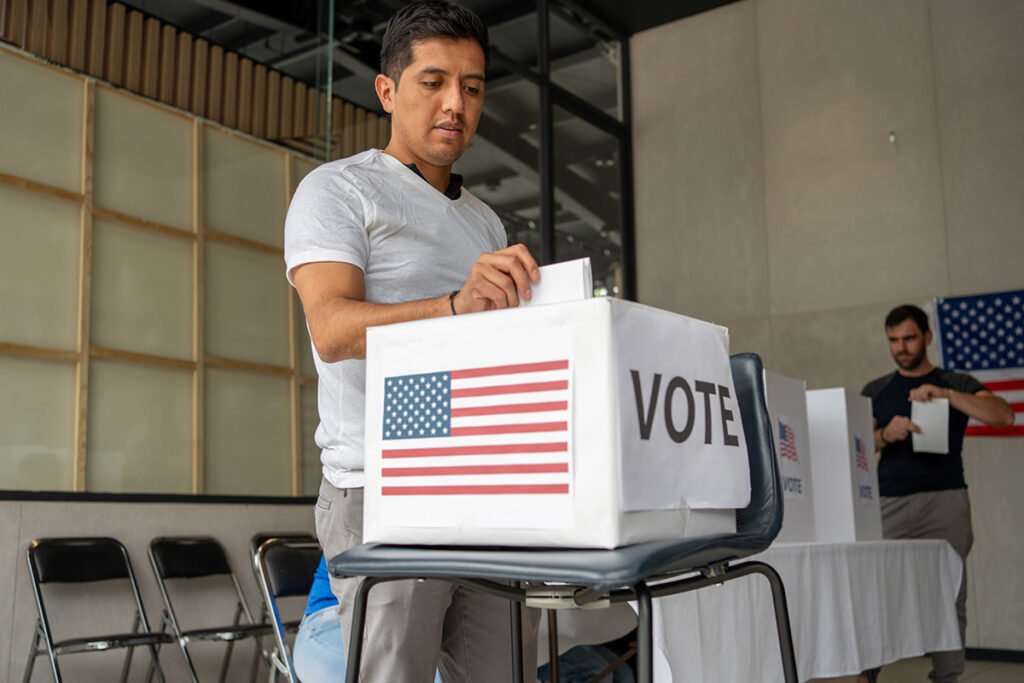
Legal scrutiny has also turned toward the Systematic Alien Verification for Entitlements (SAVE) database. While the Supreme Court allowed the DHS to use the database for voter eligibility verification in September 2024, the system has a documented history of errors. In 2014, the U.S. Court of Appeals for the Eleventh Circuit ruled that Florida’s use of the SAVE system to purge voter rolls was illegal because it wrongly flagged eligible citizens.
The Nonprofit Response: Protecting the Ballot Box
In the face of these challenges, Latine-led nonprofits are mobilizing with unprecedented legal and grassroots force. LatinoJustice PRLDEF, as part of a coalition of nine nonprofits and six legal counsel organizations, filed a federal lawsuit on September 18, 2024, challenging the threatened use of armed federal agents at polling sites.
Simultaneously, the National Immigration Law Center (NILC) filed suit against the DHS to halt field investigations into voter eligibility. These investigations, which include in-person interviews at private residences, have focused on recently naturalized citizens in key states such as Washington, Wisconsin, Georgia, Pennsylvania, Nevada, and New York.
Beyond the courtroom, organizations are focusing on long-term engagement:
- Voto Latino Foundation: This organization has built a network of over 28,000 volunteers. Their "El Brief" news hub specifically targets the one million young Latine voters who reach eligibility each year, focusing on cultural relevance and digital outreach.
- Mi Familia Vota: Operating in critical swing states like Arizona, North Carolina, and Nevada, this group has moved to a "365-day engagement approach." Their 2024 annual report emphasizes the intersection of immigration with reproductive rights, gun control, and healthcare, arguing that Latine voters care about the same "kitchen table" issues as the broader electorate.
- LUPE (La Unión del Pueblo Entero): Based in Texas’s Rio Grande Valley, LUPE has utilized people’s assemblies to organize around immigration reform while simultaneously driving massive voter registration efforts. Their "Valle Fuerte, Valle Libre" campaign serves as a model for grassroots mobilization in heavily policed border regions.
Economic Strain and Generational Ideological Shifts
A bipartisan poll of 3,000 Latine voters conducted by UnidosUS found that 76 percent of the electorate planned to vote in the most recent cycle, yet 68 percent believed the country was headed in the wrong direction. While immigration remains a priority, it is often viewed through an economic lens. Voters reported that ICE raids and detentions have a direct negative impact on local economies and small businesses.
Furthermore, the "anti-communist" messaging that historically secured the Cuban-American vote in Florida is showing signs of diminishing returns among younger generations. A survey by the Latino Public Opinion Forum (LPOF) found that while older Cubans remain staunchly Republican, younger Cuban Americans are increasingly "Americanized" in their political outlook. For these voters, the focus has shifted from Cold War-era foreign policy to college tuition, the job market, and domestic social issues.
This generational shift was evidenced in the primary victory of Democratic socialist Angie Nixon in Florida and the rise of the Sarasota Next Gen Dems. These groups have successfully pivoted the political debate from attacks on critical race theory toward the defense of the First Amendment and opposition to book bans in schools.
Implications for the 2026 Midterms and Beyond
The Republican Party’s recent drop in approval ratings—falling to 29 percent according to the American Research Group—suggests that aggressive immigration enforcement may be reaching a point of diminishing returns. Right-wing groups like the Latino Action Alliance have warned that the party may have "gone too far," potentially alienating the very voters they sought to woo with economic promises.
As the 2026 midterms approach, the Latine vote remains the nation’s second-largest voting-age population. The success or failure of both parties will depend on their ability to address the "surging sentiment" of an electorate that is increasingly skeptical of rhetoric and more focused on tangible results regarding the economy, healthcare, and civil protections. For Latine-led nonprofits, the goal is clear: ensure that this massive demographic can exercise its power without fear of intimidation, turning the "monolith" myth into a reality of diverse, informed, and protected civic participation.