Lana Rhoades
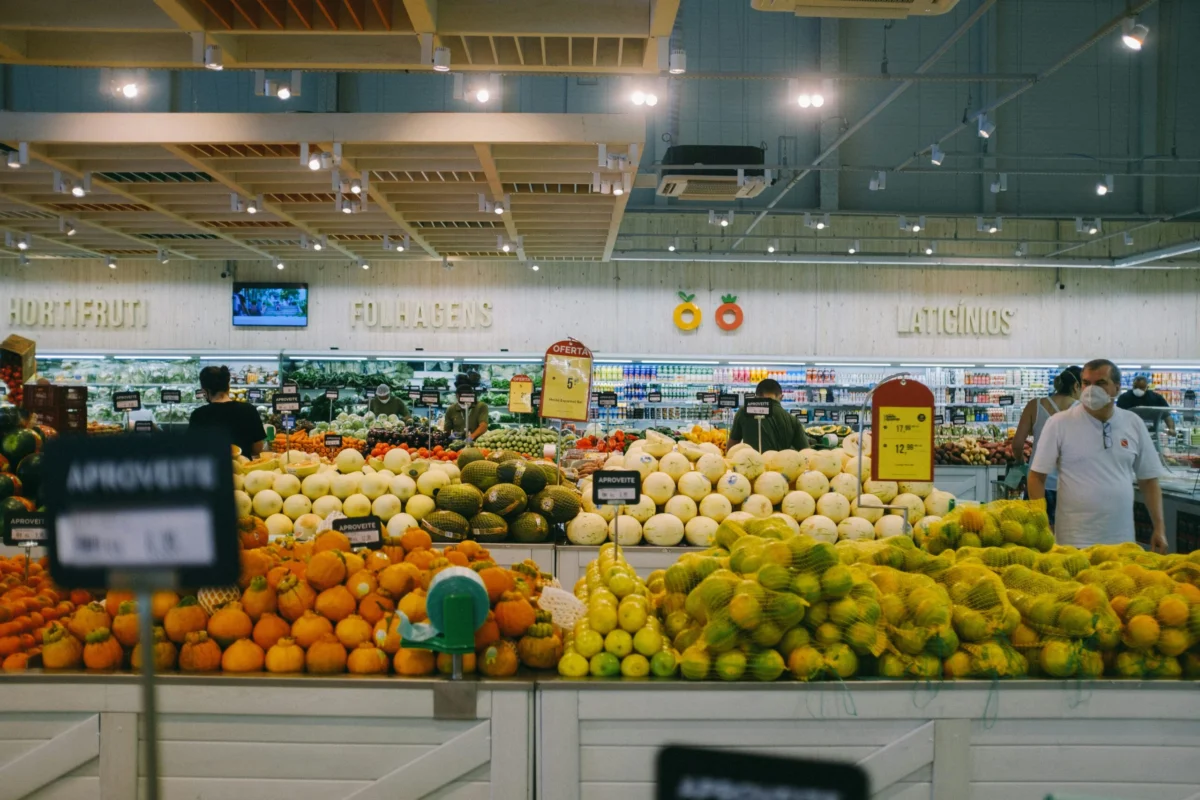
The most significant financial risk currently facing food and beverage (F&B) retailers is not found in fluctuating commodity prices or supply chain disruptions, but rather within the silent digital architecture of their product catalogs. As of late 2026, the misclassification of a single Stock Keeping Unit (SKU) has become a primary driver of tax liability for multistate sellers. In a regulatory environment where the distinction between a taxable "snack" and an exempt "grocery staple" can hinge on a single ingredient like flour, or the inclusion of a plastic utensil, the margin for error has narrowed significantly.
For a modern food seller, the taxability of a product is no longer a static attribute. It is a dynamic variable determined by the intersection of product composition, preparation methods, and the specific geographic location of the transaction. For example, while a raw chicken is categorized as an exempt grocery item in the majority of U.S. jurisdictions, a rotisserie chicken—heated and ready for immediate consumption—is frequently classified as a taxable prepared food. Across thousands of transactions and multiple state lines, these minor coding discrepancies can aggregate into substantial liabilities that often remain undetected until a formal audit.
The Shift Toward Grocery Tax Exemption: A 2024-2026 Chronology
The landscape of food taxation in the United States has undergone a rapid transformation over the last 36 months. Policymakers have increasingly viewed grocery taxes as regressive, disproportionately affecting lower-income households who allocate a larger percentage of their earnings to essential nutrition. Consequently, a clear legislative momentum toward state-level exemptions has emerged.
In August 2024, Oklahoma officially eliminated its 4.5% state grocery tax, signaling the start of a broader regional shift. This was followed by Kansas, which completed a multi-year phase-down of its grocery tax, reaching 0% on January 1, 2025. The trend accelerated into 2026, with both Arkansas and Illinois removing their state-level grocery taxes on the first day of the year.
However, this "de-taxation" trend has introduced new layers of complexity for compliance officers. In Illinois, while the state removed its 1% levy, it simultaneously granted municipalities the authority to impose their own local grocery taxes via ordinance. Hundreds of cities and towns immediately exercised this right, creating a patchwork of local obligations that did not exist previously. Similarly, in Georgia, groceries remain exempt from the 4% state rate but are still subject to various local taxes. For the seller, "no state tax" does not equate to "tax-free," necessitating a granular understanding of local jurisdictional boundaries.
States Maintaining Grocery Levies: Supporting Data and Rates
Despite the national trend toward exemption, approximately a dozen states continue to assess sales tax on groceries as of late 2026. These states often use grocery revenue to fund specific social programs or offset lower income tax rates, creating a diverse range of tax applications:
- Mississippi: Following legislative reform in July 2025, the state reduced its grocery tax from 7% to 5%, though it remains one of the highest in the nation.
- Alabama: The state rate was lowered to 2% in September 2025. However, because local rates are stacked on top of the state rate, consumers in certain municipalities still face total food taxes approaching 9%.
- Idaho: Maintains a full 6% sales tax on groceries but provides a "grocery credit" on annual income tax returns to mitigate the impact on residents.
- Missouri and Utah: These states utilize a reduced-rate model, taxing groceries at 1.225% and 1.75% (state level) respectively.
For businesses operating in these regions, the defense of "it’s just food" is legally insufficient. Accurate compliance requires the application of specific, often reduced, rates that differ from the general sales tax applied to non-food items.
The Technicality of "Prepared Food" and the Three-Part Test
One of the most frequent sources of under-collection in the F&B sector involves the misclassification of "prepared food." Under the definitions provided by the Streamlined Sales Tax (SST) Governing Board—an organization comprising 24 member states seeking to standardize tax administration—food is classified as "prepared" if it meets any of three criteria:
- The Heating Test: The item is sold in a heated state or was heated by the seller.
- The Combination Test: The seller physically combined two or more ingredients to create a single item (e.g., a sandwich or a mixed salad).
- The Utensil Test (The "Fork Rule"): The seller provides eating utensils, including plates, knives, forks, spoons, glasses, cups, napkins, or straws.
The "fork rule" is particularly hazardous for meal-kit services and "grab-and-go" retailers. A chilled, pre-packaged salad that would otherwise qualify as an exempt grocery item can become a taxable prepared food simply because a plastic fork or a napkin was included in the packaging. The logic applied by departments of revenue is that the inclusion of a utensil indicates the food is intended for immediate consumption, shifting it from the category of "staple" to "service."
Ingredient-Based Taxability: The Flour and Sugar Distinctions
The complexity of F&B tax reaches its zenith when analyzing snacks and beverages. In many jurisdictions, the presence or absence of a single ingredient can flip a product’s tax status.
Under SST definitions, "candy" is generally defined as a preparation of sugar, honey, or other natural or artificial sweeteners combined with chocolate, fruits, nuts, or other ingredients. However, the definition specifically excludes preparations that contain flour. This leads to the "Kit Kat Paradox": because a Kit Kat bar contains flour in its wafer, it is often classified as "food" (exempt) in states that tax candy. A solid chocolate bar without flour, however, is classified as "candy" (taxable).
A similar nuance exists within the beverage category. A "soft drink" is typically defined as a non-alcoholic beverage containing natural or artificial sweeteners, but it excludes beverages that contain more than 50% fruit or vegetable juice or any milk/milk substitutes. This results in scenarios where a 51% pomegranate juice blend is exempt, while a 49% blend is taxable. Furthermore, plain bottled water is frequently exempt, but the addition of a zero-calorie sweetener can reclassify the product as a taxable soft drink.
Alcohol Taxation and Special District Levies
Alcohol sales represent a distinct tier of tax complexity, characterized by high excise taxes and specialized local levies. Sellers often mistakenly apply the standard state sales tax rate to alcohol, failing to account for "liquor-by-the-drink" taxes or "off-premises" surcharges.
In Washington, D.C., for instance, while general goods are taxed at 6%, alcohol sold for off-premises consumption is taxed at 10.25%. In Tennessee, on-premises sales are subject to a 15% liquor-by-the-drink tax in addition to standard sales tax. Furthermore, 17 "control states" (such as Pennsylvania and New Hampshire) exercise government a monopoly over the sale of distilled spirits, effectively embedding the tax into the wholesale price.
For direct-to-consumer (DTC) wine and spirits brands, the challenge lies in the "stack." A single shipment may require the calculation of a state sales tax, a local district tax, and a gallonage-based excise tax, all of which vary depending on the alcohol by volume (ABV) of the product.
The Audit Reality: Extrapolation and Penalties
The financial danger of misclassification is magnified by the methodology used by state auditors. In a standard sales tax audit, officials do not review every transaction. Instead, they examine a representative sample of sales over a specific period. If they find that a seller misclassified "chocolate-covered nuts" as exempt food instead of taxable candy, they calculate an error rate based on that sample.
This error rate is then extrapolated across the business’s entire revenue for the audit period—often three to four years. A 2% error rate on a business with $10 million in annual sales can result in a principal tax assessment of $600,000 or more. When states add mandatory penalties (ranging from 5% to 25%) and compounded interest, the final assessment can threaten the solvency of a mid-sized enterprise.
Strategic Compliance: A Four-Step Framework for 2026
To mitigate these risks, industry experts recommend a rigorous, four-step internal audit process for all food and beverage product catalogs:
- SKU Mapping: Every item must be mapped to a specific tax category (e.g., dietary supplement, soft drink, grocery staple) based on ingredient labels rather than marketing descriptions.
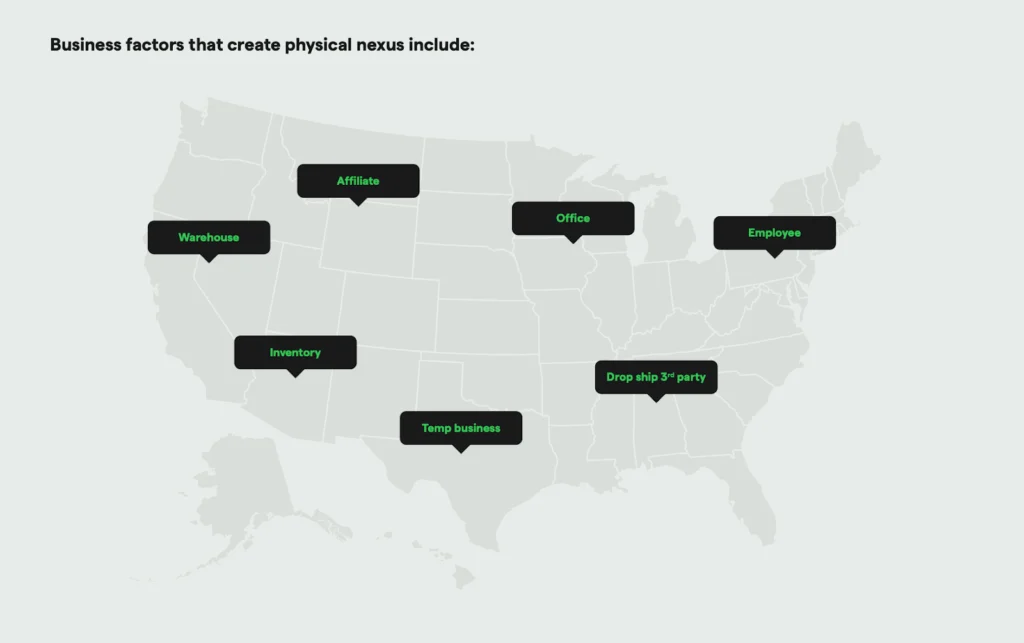
- Nexus Validation: Sellers must identify every state where they have met "economic nexus" thresholds (typically $100,000 in sales or 200 transactions) and verify the specific definitions used by those states.
- Local Rate Layering: Systems must be capable of identifying special district rates, particularly in states like Illinois, Alabama, and Georgia where local grocery taxes persist.
- Exemption Certificate Management: For B2B wholesalers, maintaining digital, up-to-date resale certificates is vital. An auditor will treat a sale without a valid certificate as a taxable retail sale, regardless of the buyer’s intent.
As we move toward 2027, the automation of these processes has shifted from a luxury to a necessity. With state laws in a state of constant flux and the "fork rule" and "flour rule" remaining firmly in place, the ability to accurately classify products at the point of sale is the only definitive defense against the escalating costs of non-compliance. In the modern F&B economy, getting the tax right is as essential as the quality of the product itself.