Lana Rhoades
The regulatory landscape for businesses operating within Washington State continues to evolve as the Department of Revenue (DOR) refines its digital infrastructure and compliance protocols. Unlike many other U.S. jurisdictions that issue a standalone "sales tax permit," Washington integrates its tax registration into a comprehensive state business license. This unified approach requires a nuanced understanding of both the Business and Occupation (B&O) tax and the retail sales tax collection requirements. For domestic and out-of-state entities alike, remaining compliant in the "Evergreen State" involves a multi-step verification of nexus, a detailed application process through the MyDOR portal, and a commitment to annual renewals.
The Structural Framework of Washington’s Excise Tax System
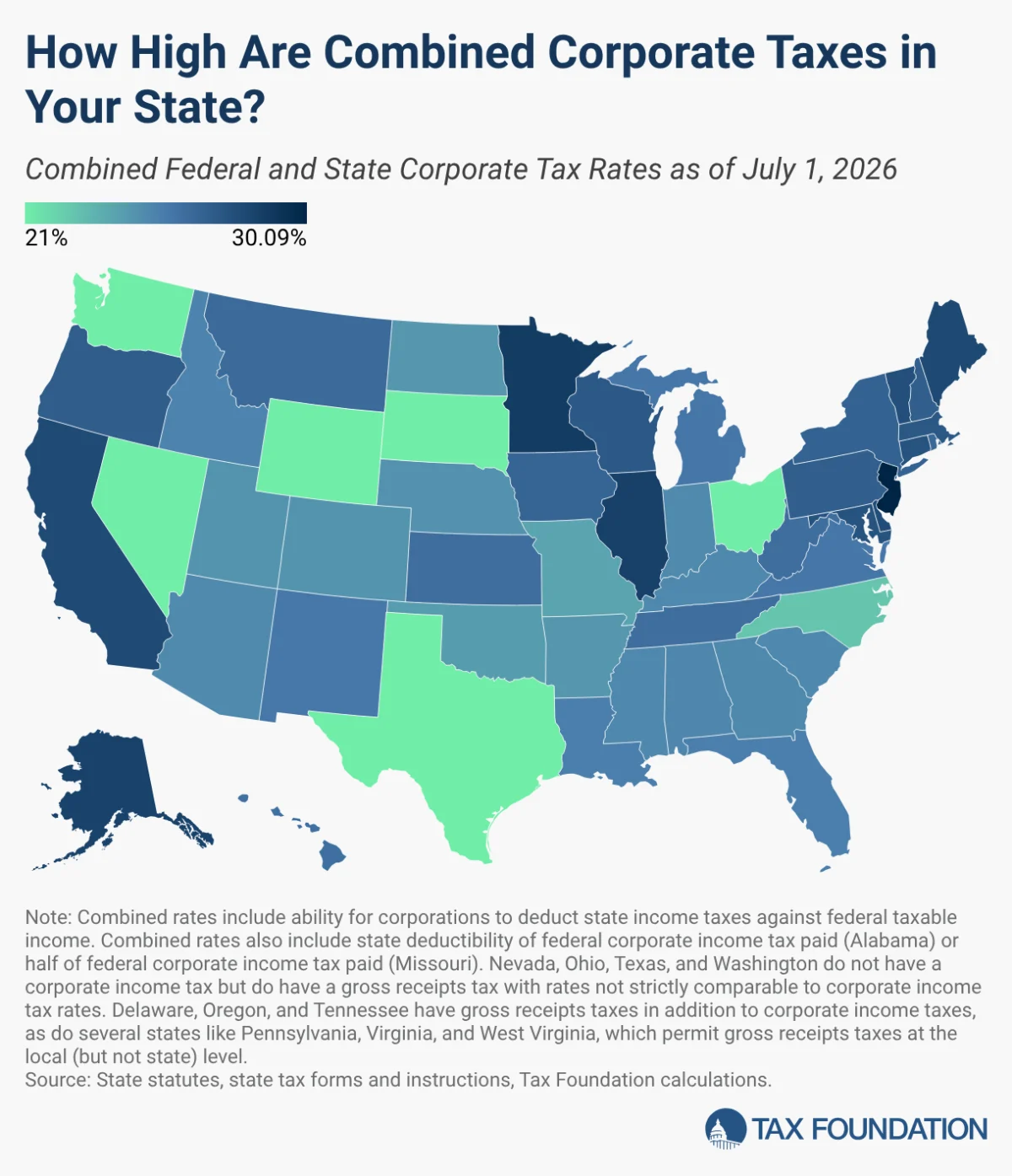
To understand the registration process, one must first grasp the unique nature of Washington’s tax code. The state is one of a handful in the nation that does not levy a corporate or personal income tax. Consequently, the state budget is heavily reliant on consumption-based taxes and gross receipts taxes. The primary mechanism for this is the Business and Occupation (B&O) tax, which is applied to the gross income of business activities. This tax is distinct from the retail sales tax, which is paid by the consumer and merely remitted by the business.
When a business registers for a license in Washington, it is effectively opening a tax account that covers both of these obligations. The Department of Revenue mandates that any business meeting specific "nexus" criteria must register. Failure to do so can result in significant back-tax liabilities, as the state maintains an aggressive discovery program to identify unregistered sellers utilizing marketplace facilitators or maintaining inventory in local warehouses.
Determining Nexus: The Thresholds for Registration
The requirement to register for a Washington business license is triggered by the establishment of nexus, which can be either physical or economic. Following the 2018 Supreme Court decision in South Dakota v. Wayfair, Inc., the definition of nexus has expanded significantly for remote sellers.
Physical Nexus
A business is deemed to have a physical presence in Washington if it maintains an office, warehouse, or retail store within state lines. However, physical nexus also extends to more transient activities. For instance, having employees or independent contractors working in the state, even temporarily, or storing inventory in a third-party fulfillment center (such as Amazon FBA) constitutes a physical presence. Attending trade shows for the purpose of taking orders also establishes a requirement to register.
Economic Nexus
For out-of-state sellers without a physical presence, Washington utilizes an economic nexus threshold. As of 2026, the threshold remains set at $100,000 in cumulative gross receipts from sales into Washington during the current or previous calendar year. It is important to note that this threshold includes all sales, including those made through marketplace facilitators. While the facilitator may collect the sales tax, the seller is still required to register and report those sales if the $100,000 benchmark is surpassed.
A Chronology of the Registration Process
The process of securing a business license and tax registration has been streamlined into a digital workflow, though paper-based options remain for specific use cases.
- Preparation of Identifying Data: Before initiating the application, entities must secure a Federal Employer Identification Number (EIN) from the IRS. Sole proprietorships may use a Social Security Number, though an EIN is generally recommended for privacy and professional banking purposes.
- The MyDOR Application: The vast majority of registrations are now handled through the "MyDOR" system. This portal acts as a centralized hub for all interactions with the Washington Department of Revenue.
- Entity Classification: Applicants must define their business structure (LLC, Corporation, Partnership, or Sole Proprietorship). This classification dictates the types of supporting documentation required, such as Articles of Incorporation or Partnership Agreements.
- Fee Assessment: While tax registration itself is technically free, the state charges a variable processing fee for the business license. As of the current fiscal period, these fees range depending on the complexity of the business and any local endorsements required by specific municipalities like Seattle, Bellevue, or Spokane.
- Approval and Document Issuance: Online applications are typically processed within 10 business days. Once approved, the business is issued a Unified Business Identifier (UBI) number. This nine-digit number is the cornerstone of a business’s identity in Washington, used for tax filings, industrial insurance, and unemployment insurance.
Essential Documentation and Information Requirements
To complete the Washington Business License Application, owners must provide a comprehensive set of data points. The Department of Revenue utilizes this information to categorize the business under the North American Industry Classification System (NAICS), which determines the applicable B&O tax rate.
Required information includes:
- Business Ownership Details: Names, addresses, and Social Security Numbers of all owners, partners, or corporate officers.
- Business Location: The physical address of the business and a mailing address if different.
- Estimated Gross Income: An estimate of the business’s projected annual gross income in Washington, which helps the DOR set the filing frequency (monthly, quarterly, or annually).
- Employment Projections: If the business plans to hire employees within the next 90 days, additional registrations for workers’ compensation and unemployment insurance are triggered within the same application.
- Special Endorsements: Certain industries, such as liquor retailing, tobacco sales, or specialized contracting, require supplemental endorsements that can be added during the initial registration process.
The B&O Tax Integration: A Critical Distinction
A common point of confusion for out-of-state sellers is the interplay between sales tax and the B&O tax. In most states, if a seller is not "selling" a taxable good, they have no tax obligation. In Washington, the B&O tax applies to nearly all business activities, including service-based businesses and wholesalers.
Data from the Washington Department of Revenue indicates that the B&O tax accounts for a substantial portion of the state’s general fund. Because it is a gross receipts tax, it is calculated on the total value of products or services sold, with no deductions for the cost of goods sold, labor, or rent. When a business registers for a sales tax permit, they are automatically enrolled in the B&O tax system. This means that even if a business makes a sale that is exempt from retail sales tax (such as a sale to a reseller), that sale is still generally subject to the B&O tax under the "Wholesaling" classification.
Obligations for Marketplace Sellers
The rise of e-commerce has led to specific legislation regarding "Marketplace Facilitators." Platforms like Amazon, eBay, and Etsy are required to collect and remit Washington sales tax on behalf of their third-party sellers. However, this does not absolve the seller of all responsibilities.
According to DOR guidelines, once a marketplace seller meets the $100,000 economic nexus threshold, they must register for a Washington business license. They are required to file tax returns even if all their sales were through a facilitator. On these returns, the seller reports their total gross sales and then takes a deduction for the sales tax already collected by the facilitator. This reporting is necessary because the seller may still owe B&O tax on those sales, even if the sales tax has been handled by the platform.
Maintenance, Renewals, and Compliance Risks
Securing the license is only the first step in a continuous compliance cycle. Washington business licenses are not perpetual; they must be renewed annually. The expiration date is clearly marked on the license document, typically aligned with the anniversary of the business’s formation or registration.
The Business Licensing Service (BLS) generally issues renewal notices approximately 45 days before expiration. In 2026, the state has moved toward a "paperless-first" initiative, meaning these notices are primarily sent via email through the MyDOR secure messaging system. Failure to renew on time results in a late filing penalty, which is often 50% of the renewal fee. If a license remains delinquent, the DOR may move the account to "inactive" status. Operating a business with an inactive license is a legal violation that can lead to "unregistered business" penalties, which are significantly higher than standard filing fees.
Broader Economic Implications and Analysis
Washington’s destination-based sales tax system means that the tax rate is determined by where the buyer receives the goods or services, not where the seller is located. With over 300 local tax jurisdictions in the state, the combined sales tax rate can vary from 7% to over 10.5%.
For businesses, this creates a high administrative burden. The integration of the business license with tax registration is an attempt by the state to simplify this burden, yet the complexity of the B&O tax remains a hurdle for many small enterprises. Analysts suggest that Washington’s aggressive nexus standards are a direct response to the erosion of the traditional retail tax base due to digital commerce. By requiring registration at the $100,000 mark, the state ensures it captures revenue from the burgeoning remote-work and e-commerce sectors.
From a journalistic perspective, the data suggests a trend toward total digital transparency. The Washington Department of Revenue has increasingly utilized data-sharing agreements with other states and federal agencies to identify non-compliant businesses. For the modern entrepreneur, a proactive approach to registration is no longer optional but a fundamental component of risk management.
In conclusion, obtaining a business license in Washington is the gateway to legal operation within one of the most vibrant economies in the United States. While the process is integrated and digital-forward, the underlying requirements—ranging from nexus determination to B&O tax reporting—demand meticulous attention to detail. Whether registering independently through the MyDOR portal or utilizing automated compliance services, businesses must remain vigilant regarding their filing frequencies and annual renewal dates to avoid the stiff penalties associated with non-compliance in the Pacific Northwest.