Lina Irawan
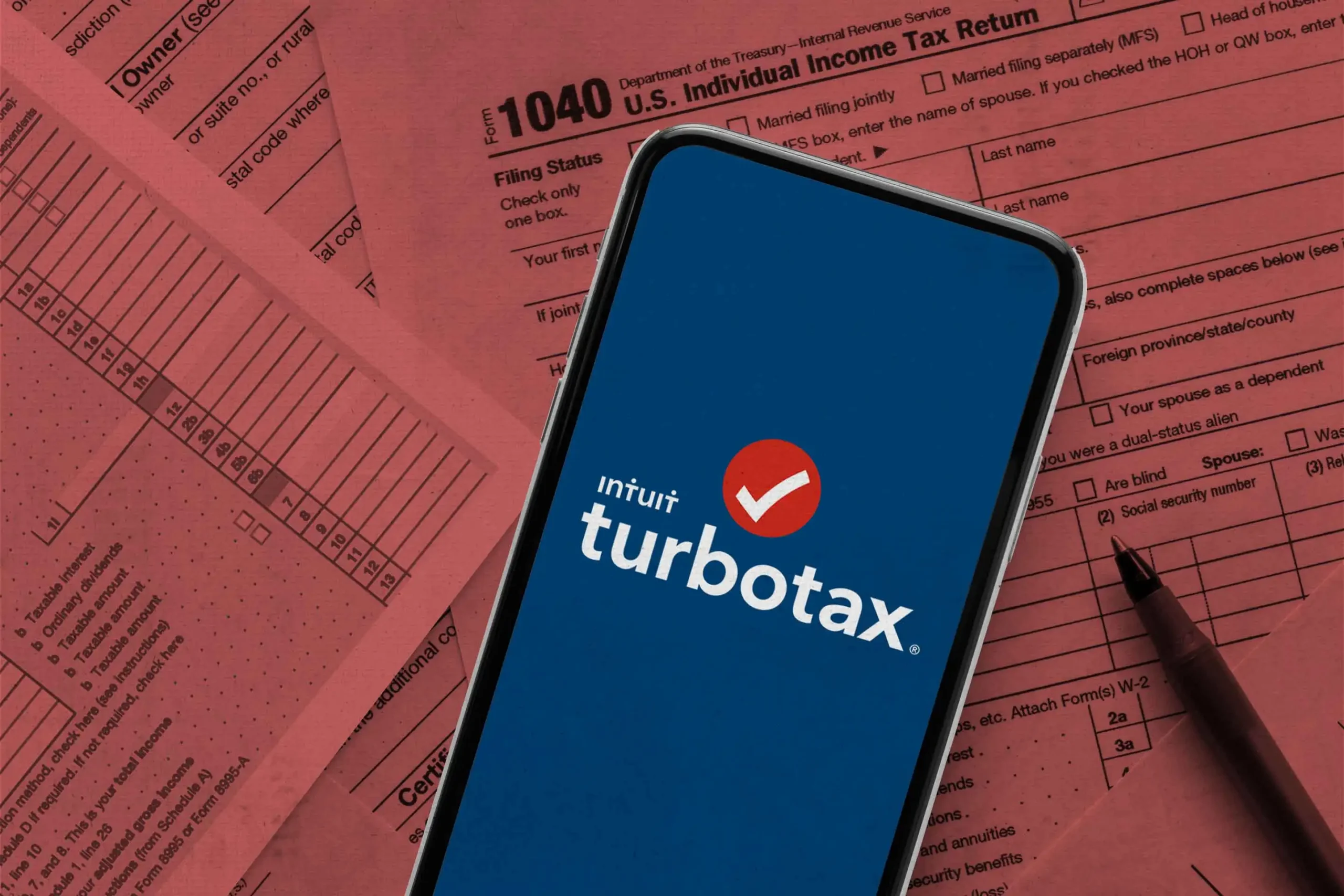
The Internal Revenue Service (IRS) is currently processing a substantial backlog of approximately 20 million income tax returns filed by the October 15 extended deadline, adding to the 144 million returns already received earlier in the spring. This significant volume underscores the annual challenge of tax administration and compliance. While a considerable portion of taxpayers enlist professional assistance or utilize paid software for their tax preparation, a segment of savvy individuals successfully filed their Form 1040s at no cost. However, for those who have yet to fulfill their 2025 tax obligations, immediate action is paramount to mitigate further penalties, and critically, the window for leveraging free online tax-filing services has now closed. TurboTax, a flagship product of Intuit, for instance, has ceased its e-filing options for the current year. According to a TurboTax spokesperson, the most viable recourse for late filers is to print and physically mail their tax return, ideally utilizing certified mail with a return receipt to ensure proof of submission.
The Immediate Challenges for Late Filers
For taxpayers who failed to meet the initial April deadline or the extended October 15 deadline, the urgency of filing has only intensified. Penalties for failing to file on time are generally more severe than penalties for failing to pay on time. The failure-to-file penalty is 5% of the unpaid taxes for each month or part of a month that a tax return is late, capped at 25% of your unpaid taxes. An additional failure-to-pay penalty of 0.5% of the unpaid taxes is assessed for each month or part of a month that taxes remain unpaid, also capped at 25%. These penalties can quickly accumulate, making prompt action crucial.
With the closure of most online e-filing portals, including TurboTax’s, taxpayers are largely relegated to paper-based submissions. The advice from TurboTax to use certified mail with a return receipt is a critical piece of guidance, as it provides verifiable proof that the return was sent and received by the IRS, which can be invaluable in disputing any future claims of non-filing. This shift to paper filing, however, adds to the IRS’s processing burden, potentially prolonging the time it takes for returns to be processed and any refunds to be issued. The IRS has historically struggled with paper backlogs, exacerbated by pandemic-related operational adjustments, leading to delays that can impact millions of taxpayers.
TurboTax’s "Free" Offerings: A Closer Examination
The concept of "free" tax filing, particularly as promoted by commercial software providers like TurboTax, has been a subject of ongoing scrutiny and public debate. Historically, TurboTax has offered a free version of its software for individuals with simple 1040 tax returns, provided they do not have complex financial situations or opt for premium add-ons. This "Free Edition" was generally intended for taxpayers with W-2 income only, those taking the standard deduction, and those qualifying for specific credits such as the earned income tax credit, student loan interest deduction, and the child tax credit, without requiring supplemental forms or schedules beyond a very limited scope (like Schedule 1-A).
However, the definition and accessibility of "free" have been central to controversies surrounding Intuit, TurboTax’s parent company. The company’s approach to free offerings has drawn criticism for allegedly misleading consumers into believing they could file for free, only to discover later in the process that their specific tax situation necessitated an upgrade to a paid service. This practice, critics argue, leverages the significant time and effort taxpayers invest in inputting their sensitive financial data, making them more likely to proceed with a paid option rather than abandon their progress.
A Timeline of Controversy: TurboTax and the IRS Free File Program
The history of TurboTax’s involvement with free tax preparation is marked by a series of events that have shaped the landscape of tax filing in the United States:
- 2003: The IRS Free File Program is launched as a public-private partnership. This initiative aimed to provide free guided tax preparation services to eligible low and moderate-income taxpayers. Intuit, through TurboTax, was one of the founding members of this consortium, offering its services to a specific income bracket.
- 2019: ProPublica publishes an investigative report alleging that TurboTax deliberately used code to hide its IRS Free File product from search engines like Google. The report claimed that Intuit steered taxpayers towards its paid products, even when they qualified for the free IRS Free File option. Following the publication, Intuit reportedly altered the code.
- 2021: Intuit announces its decision not to renew its participation in the IRS Free File Program for the 2022 tax season (for filing 2021 taxes and onward). The company cited "limitations within the program and conflicting demands from those outside the program" as reasons for its withdrawal. This decision removed one of the largest providers from the IRS Free File alliance, significantly altering the options available to eligible taxpayers.
- 2022: The Federal Trade Commission (FTC) files a legal complaint against Intuit, accusing the company of engaging in deceptive advertising practices. The FTC alleged that Intuit’s "free" claims were misleading, luring consumers into its services only to charge them later.
- 2024: The FTC issues a formal opinion, affirming its finding that Intuit engaged in deceptive practices. The ruling legally prohibits Intuit from advertising any product or service as "free" unless it is genuinely free for all consumers, or if it clearly and conspicuously discloses, in close proximity to the "free" claim, the precise percentage of taxpayers or consumers who actually qualify for the free offering.
- 2025: Intuit appeals the FTC’s ruling. In a statement provided to media outlets, Intuit defended its practices, asserting that it had helped "more than 130 million Americans file their taxes free of charge over the last 11 years – more than all other tax prep software companies combined." The company maintained its commitment to transparency and free tax preparation, arguing its services had always been "clear, fair and transparent" with customers.
This chronological sequence highlights a persistent tension between commercial interests and the public interest in accessible, affordable tax preparation.
Intuit’s Business Model and Stance
Intuit, a publicly traded company, operates TurboTax as a significant revenue generator. In the fourth quarter of its 2026 fiscal year, which concluded on July 31, Intuit reported approximately $4.4 billion in revenue. The company openly states on its website that not all TurboTax products are free because it is a business. Its strategy, as articulated in its frequently asked questions, is that by offering premium products and services, it can afford to provide free tax filing to a segment of its customer base.
Intuit maintains that roughly 37% of taxpayers typically qualify for its DIY Free Edition, designed for simple Form 1040 returns. Furthermore, the company offers specific free filing benefits for active-duty or reserve members of an enlisted rank in the U.S. military. Those receiving a W-2 from the Defense Finance Accounting Service (DFAS) generally qualify for free federal and state tax preparation through the TurboTax Military Discount, applicable across various service tiers (Free, Deluxe, Premium), though it does not extend to TurboTax Experts or Desktop products. This targeted offering reflects a strategy to serve specific demographic groups, potentially fostering brand loyalty and goodwill.
Alternatives for Free Tax Filing (Past and Present)
While TurboTax’s free e-filing options have concluded for the season, and its participation in IRS Free File has ended, other avenues for free tax preparation have existed or continue to exist, though often with limitations or specific eligibility criteria:

- IRS Free File Program: Earlier in the season, taxpayers with an adjusted gross income (AGI) of $89,000 or less in 2025 were eligible for the IRS Free File Program. This program connected eligible individuals to free guided tax preparation services from a consortium of eight name-brand companies. For those above this income threshold but still seeking free options, Free File Fillable Forms were available, though these required a greater degree of tax knowledge as they offered minimal guidance. However, the IRS Free File program has also closed for the current year, with the IRS website advising taxpayers to check back in January 2027 for the next tax season.
- IRS Direct File: A newer initiative, IRS Direct File, enabled taxpayers residing and working in 25 specific states in 2025 to file their federal taxes directly online with the IRS. This program was a significant step towards a government-run, free e-filing system. However, the IRS Direct File pilot program has regrettably been shut down permanently, raising concerns about the future of a fully government-provided free filing option. This decision marks a significant setback for advocates of simplified and cost-free tax preparation.
- Commercial Competitors: Other tax software providers, such as H&R Block, FreeTaxUSA, and Cash App Taxes, typically offer free online software options during tax season. These services often have similar limitations to TurboTax’s free offerings, catering to simple returns, but can provide viable alternatives for eligible taxpayers.
- Financial Technology Partnerships: In earlier parts of 2026, certain customers of financial technology companies like Chime, Acorns Gold, Robinhood, and PayPal debit cards were able to access free tax preparation services through partnerships with AI-powered tax engines like April. These emerging partnerships reflect a growing trend of integrating tax services within broader financial platforms.
Broader Impact and Implications for Taxpayers
The evolving landscape of tax preparation services carries significant implications for American taxpayers. The IRS backlog, for instance, affects not only the timely processing of refunds but also the overall efficiency and public perception of the tax system. Delays can create financial hardship for individuals and families who rely on their refunds.
The controversies surrounding "free" filing, particularly with major players like TurboTax, highlight a fundamental tension in the tax preparation industry. While commercial software providers offer convenience and advanced features, their business models often rely on upselling, which can disproportionately affect those with less complex returns who might otherwise qualify for free services. The FTC’s intervention and subsequent prohibition on deceptive "free" claims represent a significant regulatory effort to ensure greater transparency and consumer protection in this sector.
The cessation of IRS Direct File is particularly noteworthy. Its brief existence demonstrated the potential for a streamlined, government-provided free filing option that could bypass commercial intermediaries. Its discontinuation means that for the foreseeable future, taxpayers will continue to navigate a complex ecosystem of private providers, some of whom have a vested interest in charging for services. This decision could force more taxpayers back into commercial paid options or less supported free alternatives, potentially increasing the overall cost of tax compliance for many.
The challenge of ensuring equitable access to free and simple tax filing remains a pressing issue. With tax codes often perceived as complex, many taxpayers require some form of assistance. The reliance on private companies for free filing, even with the best intentions, can lead to uneven access and potentially confusing pathways for those who need it most.
Looking Ahead to the Next Tax Season
As the 2025 tax season officially winds down, attention will soon turn to preparations for the 2026 tax year. Taxpayers are advised to:
- Stay Informed: Monitor IRS announcements regarding filing deadlines, changes to tax laws, and the availability of free filing programs.
- Evaluate Options Early: For those who anticipate qualifying for free filing, researching available options from the IRS and commercial providers early in the tax season is crucial. The window for free e-filing typically closes well before the final extended deadlines.
- Consider Tax Situation: Understand whether your tax situation is "simple" enough to qualify for basic free versions of software. Any additional forms, schedules, or complex income streams may necessitate paid services or professional assistance.
- Maintain Records: Keep meticulous records throughout the year to simplify the tax preparation process and avoid last-minute scrambling.
The interplay between government initiatives, commercial interests, and taxpayer needs will continue to shape the landscape of tax preparation. The ongoing evolution demands vigilance from both taxpayers seeking compliant and affordable solutions and regulators striving for fairness and transparency in a critical civic responsibility.