Julia Chirkova

California’s groundbreaking attempt to implement a wealth tax on its wealthiest residents, known as Proposition 40 or the "Billionaires Tax Act," appears to be falling short in early election returns. The proposed 5% levy on the net worth of the state’s billionaires faced a formidable and well-funded opposition campaign, significantly outspending proponents. As of late Tuesday night, with over 6.6 million votes counted statewide, Proposition 40 garnered 43.6% in favor and 56.4% against. Simultaneously, two counter-measures designed to potentially block the wealth tax, Propositions 41 and 42, showed mixed results, with Proposition 42 trending favorably and Proposition 41 trailing.
The preliminary results underscore the intense debate and deep divisions within California over how to address budget shortfalls and the growing issue of wealth inequality. The outcome, while still subject to the ongoing tabulation of millions of mail-in and provisional ballots, suggests that a significant segment of California voters may be hesitant to embrace such a novel and potentially precedent-setting tax policy, particularly in the face of strong lobbying efforts from the state’s ultra-wealthy.
The Anatomy of Proposition 40 and its Counterparts
Proposition 40, championed by SEIU United Healthcare Workers West, proposed a one-time 5% tax on the net worth of individuals in California whose wealth exceeded $1 billion. Crucially, the measure aimed to exclude primary residences, retirement accounts, and pensions from this calculation, attempting to mitigate concerns about taxing essential assets. The projected revenue from this initiative was substantial, with the nonpartisan Legislative Analyst’s Office estimating it could generate "tens of billions of dollars" over the next five years. The proposed allocation of these funds was predominantly towards healthcare (90%), with the remainder designated for food assistance, education programs, and the administrative costs of the tax itself. Tax payments, due in 2027, would have offered a five-year installment option, albeit with potential additional costs.
However, the passage of Proposition 40 was not a guaranteed victory, even with a simple majority. The presence of Propositions 41 and 42 introduced a complex legal and electoral dynamic. Proposition 41 sought to mandate a thorough review by the state auditor of any proposed special tax before it could be presented to voters, including an audit of each program slated to receive funding. Proposition 42 aimed to create a statutory barrier against future wealth taxes on personal property, encompassing retirement accounts and other assets. If either of these measures passed with more "yes" votes than Proposition 40, and if courts determined a conflict existed, they could effectively nullify the wealth tax.
A Contentious Campaign Fueled by Disparate Interests
The journey of Proposition 40 to the ballot was fraught with contention. Proposed as a solution to address recent federal budget cuts and potential shortfalls in state funding, the initiative quickly became a focal point of intense lobbying and public discourse. It exposed rifts even within the Democratic Party, with some leaders expressing reservations while others, including prominent labor unions and progressive figures like Senator Bernie Sanders, vocally supported it.
Conversely, the prospect of a wealth tax galvanized many of California’s tech titans and other extremely wealthy individuals, who had often maintained a lower profile in state politics. They responded with an unprecedented spending spree, pouring hundreds of millions of dollars into campaigns to defeat Proposition 40 and support its counter-measures. This influx of funding fueled extensive advertising blitzes across the state, inundating media channels with messages highlighting the potential negative economic consequences of the tax.
Potential Economic Ramifications and Divergent Forecasts
The Legislative Analyst’s Office, while acknowledging the significant revenue potential of Proposition 40, also cautioned about possible economic repercussions. The office projected that the tax could lead to a reduction in ongoing state income tax revenues by less than $1 billion annually, contingent on billionaires relocating out of California. This "tax flight" concern was a central argument of the opposition, spearheaded by prominent figures like Governor Gavin Newsom.
Governor Newsom, who had previously attempted to broker a deal to keep Proposition 40 off the ballot, articulated his concerns in a public forum, arguing that wealth is mobile and susceptible to seeking jurisdictions with lower tax burdens. He advocated for a federal-level approach to wealth taxation, suggesting that California’s economic interests might be better served by a national policy rather than a state-specific one. The governor’s stance was echoed by organizations such as the California Medical Association and the California Teachers Association, who feared the initiative’s impact on the state’s economic dynamism.
Proponents, however, painted a starkly different picture. They argued that without a robust funding mechanism to offset federal cuts, essential services like Medi-Cal could face reductions, potentially impacting coverage for vulnerable populations. They also warned of the precarious financial state of hospitals and community clinics that rely on state and federal reimbursements, facing the specter of closures. Dave Regan, president of SEIU United Healthcare Workers West and a key architect of the initiative, emphasized the urgency of the situation, stating that the proposition was a necessary solution to a pressing problem. He further indicated a willingness to return to the ballot in 2028 if the initiative failed and no alternative solutions emerged from Sacramento.
The Influence of Wealth in Shaping Political Discourse
The financial disparity between the campaigns was striking. Reports indicated that opponents of Proposition 40, along with proponents of Propositions 41 and 42, collectively raised approximately $316 million. In contrast, supporters of Proposition 40 and opponents of the counter-measures raised a combined $56.1 million. This overwhelming financial advantage allowed opponents to saturate the airwaves and digital platforms with their message, a tactic that political analysts believe played a significant role in shaping public opinion.
David McCuan, a political science professor at Sonoma State University, characterized the situation as one where proponents were "outspent, outgunned and out-resourced at all levels." He noted that in the final weeks leading up to the election, independent polls reflected a declining support for the billionaires tax, coinciding with the aggressive advertising campaigns launched by its wealthy detractors.
Voter Sentiments: A Divided Electorate
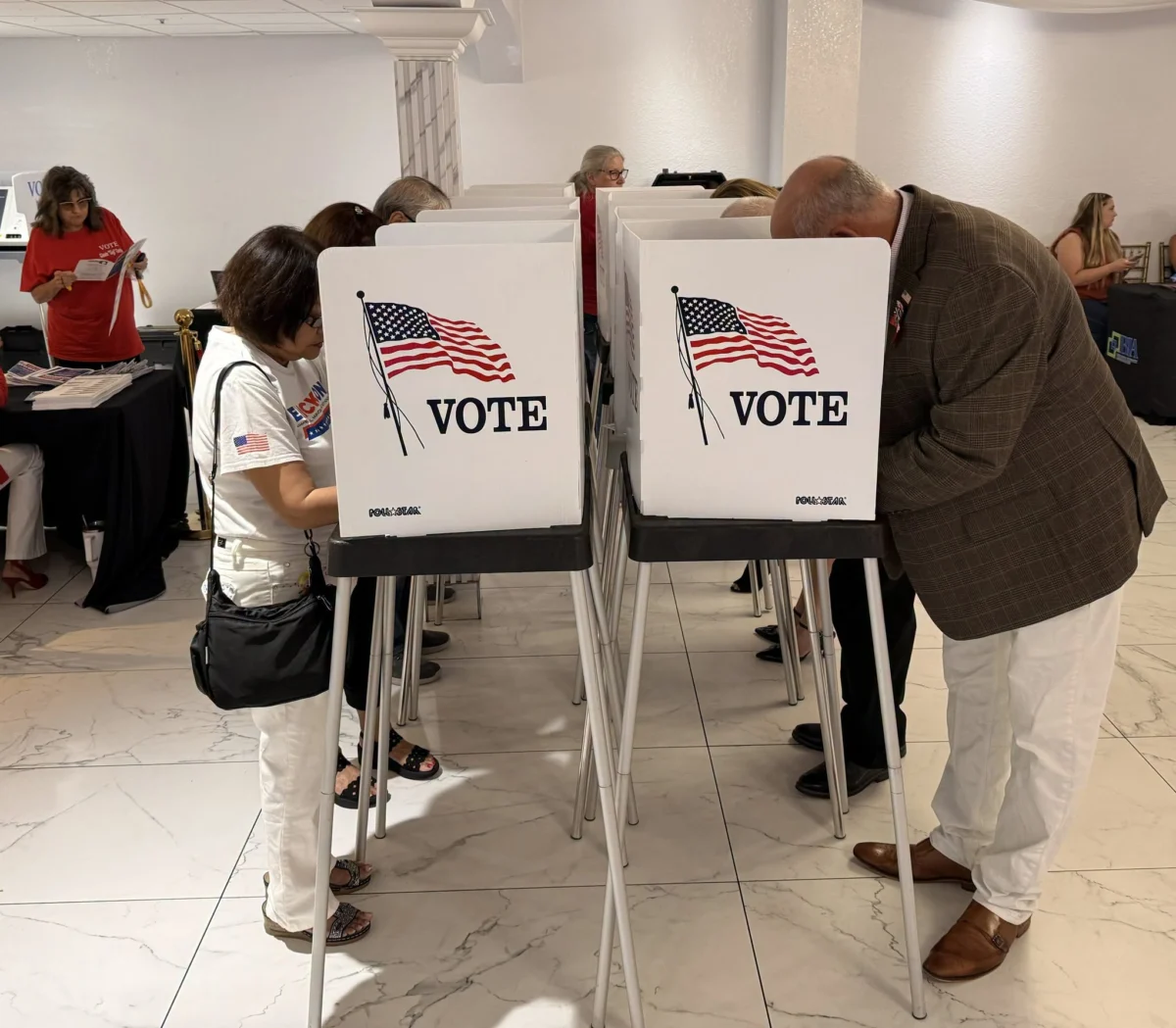
The diverse opinions on Proposition 40 were reflected in the sentiments of individual voters. In Fremont, for instance, Dimitri and Ember Elston expressed their opposition, citing concerns about the potential negative impact on California’s economy. Conversely, Elliott Brue, also from Fremont, voiced strong support for taxing billionaires, arguing for a moral imperative to contribute more to society. These contrasting views highlight the complex considerations voters grappled with, balancing economic anxieties with desires for social equity and robust public services.
The Broader Implications and Future Precedents
Regardless of the final outcome, the very presence of Proposition 40 on California’s ballot has set a significant precedent and is likely to have far-reaching implications. Political observers suggest that the debate over wealth taxation, economic inequality, and affordability in California will continue to resonate and potentially influence national political discourse, particularly as the nation looks towards the 2028 presidential election cycle. The strategies employed, the arguments made, and the financial power demonstrated by both sides of the Proposition 40 debate will undoubtedly inform future policy initiatives and electoral campaigns concerning wealth and its role in society.
The complexity of the ballot measures and the intense campaign surrounding them underscore the evolving landscape of progressive taxation and the challenges inherent in implementing novel fiscal policies in a state as economically diverse and politically influential as California. As the final votes are tallied, the results will offer a crucial insight into public appetite for wealth redistribution and the ongoing struggle to balance economic growth with social responsibility. The potential for legal challenges and future ballot initiatives related to wealth taxation remains high, ensuring that this issue will continue to be a central theme in California’s political future.