Julia Chirkova

By Robert Tann
The Denver Post
(TNS)
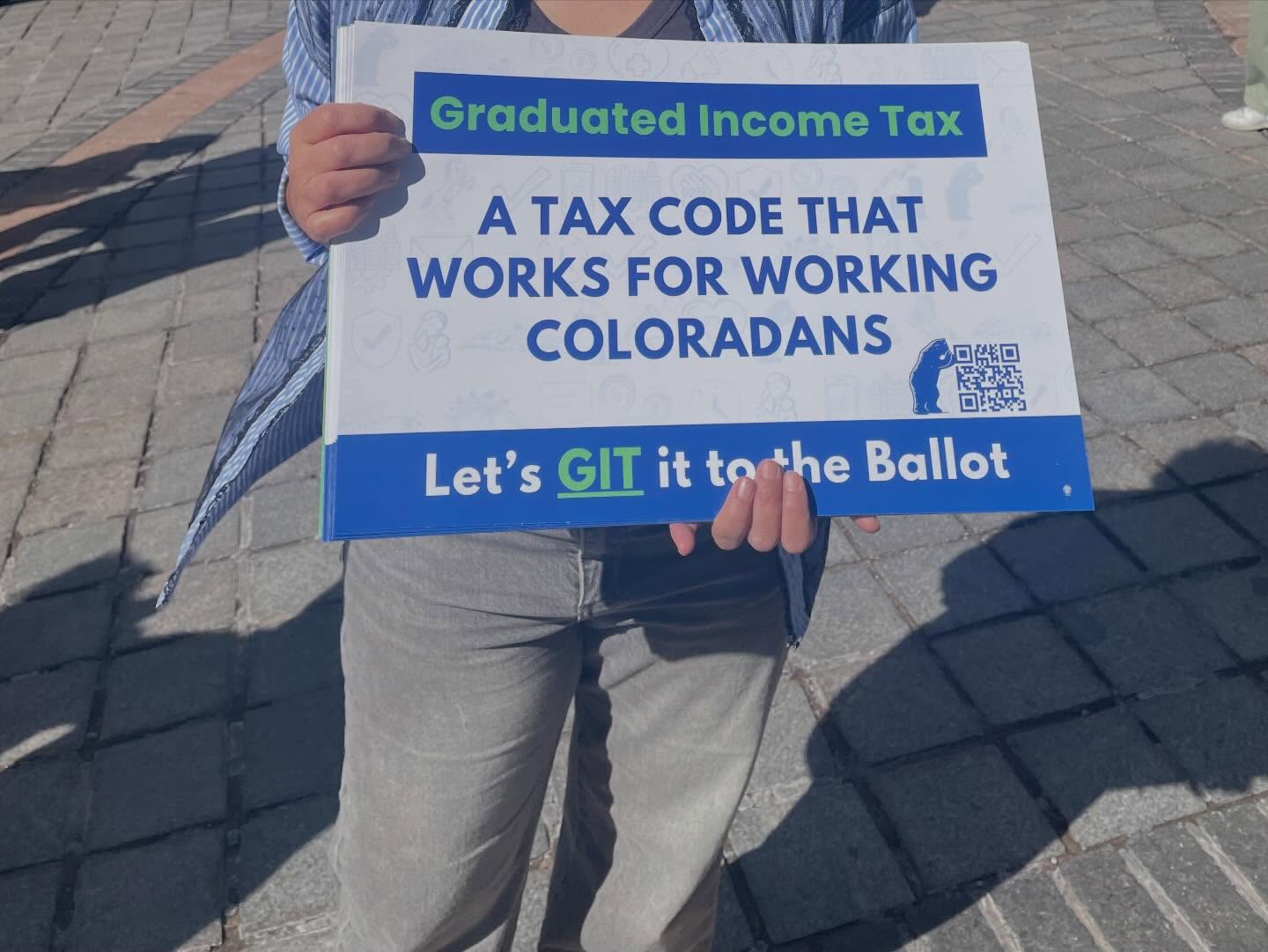
Supporters of Amendment 87, a landmark ballot measure poised to significantly alter Colorado’s tax landscape by implementing a graduated income tax system for higher earners, have declared victory following two days of meticulous vote tabulation. The measure, which faced considerable opposition and debate, has maintained a narrow lead, inching closer to formal certification as election officials continue to process remaining ballots. As of Thursday afternoon, Amendment 87 held 50.6% of the vote, a margin of just over 1.2 percentage points, reflecting a closely contested outcome that has seen minimal shifts since Election Night.
While the Associated Press had not yet officially called the measure’s passage, proponents expressed strong confidence, citing the geographic distribution of the outstanding votes. A significant portion of these remaining ballots originate from heavily Democratic urban centers such as Denver and Boulder counties, areas where Amendment 87 has garnered overwhelming support, often by margins as wide as two-to-one. This trend strongly suggests that the measure will ultimately clear the necessary threshold for approval.
"This is a huge day for Colorado," declared Chris deGruy Kennedy, President and CEO of the Bell Policy Center, the liberal advocacy group that spearheaded the initiative. Speaking to supporters gathered at La Raza Park in northwest Denver, Kennedy articulated the significance of the vote, stating, "It is a signal by voters that we are fundamentally changing the direction of how we are going to make sure Colorado’s economy supports every working person, every older adult, every child, and everyone in between."
Amendment 87 represents the most profound overhaul of Colorado’s income tax policy in over three decades. Its potential passage marks a significant victory for progressive organizations that championed the measure, requiring them to surmount substantial financial opposition from conservative advocacy groups, legal challenges aimed at disqualifying the ballot initiative, and even criticism from prominent Democratic figures within the state.
The landscape of Colorado politics surrounding Amendment 87 was complex. Outgoing Governor Jared Polis, a Democrat known for his historical skepticism of income tax increases, had expressed reservations. More notably, Governor-elect Phil Weiser, also a Democrat, publicly opposed the measure just days prior to Election Day, adding another layer of challenge for its supporters.
Adding to the complexity of the election, liberal groups also had to contend with a competing conservative-backed measure, Proposition 136. This proposition sought to cap Colorado’s state income tax rate at its current level of 4.4%. However, as of Thursday, Proposition 136 was trailing by a significant 4.8-percentage-point margin, indicating a likely defeat.
The Mechanics of Amendment 87
At its core, Amendment 87 dismantles Colorado’s existing flat income tax structure, replacing it with a graduated system. Under the proposed changes, individuals and businesses earning over $500,000 annually would face higher tax rates. Concurrently, the measure is designed to reduce tax burdens for the majority of Coloradans. This fundamental shift is achieved by repealing a long-standing constitutional mandate that requires all forms of taxable income to be taxed at a uniform rate.
The strategic decision by proponents to pursue a constitutional amendment that repeals an existing requirement, rather than adding new language, was a calculated move. This approach avoids the higher 55% voter approval threshold typically required for constitutional amendments that introduce new provisions. Instead, Amendment 87 necessitates only a simple majority of votes to pass, aligning its fate with standard legislative approvals rather than the more stringent constitutional amendment process.
Projected Fiscal Impact and Budgetary Implications
The passage of Amendment 87 is projected to generate an estimated $2 billion in additional state revenue in the upcoming fiscal year. This substantial influx of funds would provide the Colorado legislature with significantly increased capacity to address critical areas such as education, healthcare, and childcare.
For years, the Colorado legislature has grappled with persistent budget deficits, exceeding $1 billion annually over the past two fiscal periods. These financial constraints have led to difficult decisions, including substantial cuts to vital government services and programs, most notably Medicaid. The anticipated revenue from Amendment 87 could dramatically alter this fiscal reality, potentially enabling lawmakers to reverse some of these austerity measures and invest more robustly in public services.
A Shift in the Legislative Funding Landscape
Should Amendment 87 ultimately pass, it would complement other recent fiscal initiatives approved by Colorado voters. Notably, it would stand alongside Proposition NN, which grants the state the authority to retain excess tax revenue that would otherwise be returned to taxpayers, and instead allocate these funds towards K-12 education. Proposition NN is expected to generate approximately $500 million next year, with projections indicating up to $2 billion in revenue by the end of the current decade.
Furthermore, voters appeared poised to approve Proposition 137, which mandates that excess revenue derived from state sales taxes on sporting goods – estimated at around $175 million – be specifically designated for wildfire mitigation and conservation efforts. The collective impact of these measures, including Amendment 87, suggests a significant recalibration of Colorado’s fiscal priorities and a renewed focus on public investment.
The Broader Context: A Progressive Turn?
The potential approval of Amendment 87 is being widely interpreted as a significant indicator of a shifting political and economic sentiment within Colorado. For years, the state has been a battleground for differing fiscal philosophies, with conservative groups often advocating for lower taxes and limited government spending, while progressive organizations push for greater investment in social programs and public infrastructure funded by a more progressive tax system.
The success of Amendment 87, despite facing opposition from some influential political figures and significant financial backing from opposing interest groups, suggests that a growing segment of the Colorado electorate is open to exploring alternative taxation models. This outcome could embolden similar progressive initiatives in the future and reshape the ongoing debate about tax fairness and the role of government in addressing societal needs.
The considerable opposition to Amendment 87 highlights the deep divisions on fiscal policy within the state. Conservative organizations and some business groups voiced concerns that a graduated tax system could stifle economic growth and deter investment. They argued that a flat tax, while benefiting higher earners, provided a simpler and more predictable tax environment. The substantial campaign spending from these groups underscores the high stakes involved in this policy debate.
However, proponents of Amendment 87 countered these arguments by emphasizing the potential for increased revenue to address critical public needs. They highlighted the current tax structure as disproportionately benefiting the wealthy, while essential services faced underfunding. The close vote suggests that a significant portion of the electorate found their arguments more compelling, signaling a potential willingness to embrace a more equitable distribution of the tax burden.
The timeline leading up to the election was marked by intense campaigning and public discourse. Supporters of Amendment 87, including the Bell Policy Center and other advocacy groups, engaged in extensive grassroots organizing and public awareness campaigns. They highlighted stories of individuals and families struggling with the rising cost of living and the impact of budget cuts on essential services. Their message focused on fairness and the need for a tax system that reflects the state’s growing economic disparities.
Opponents, conversely, focused their messaging on the potential negative impacts of tax increases on businesses and job creation. They warned of the risk of capital flight and reduced investment, arguing that a flat tax was more conducive to a thriving economy. Public forums, media advertisements, and direct mail campaigns were utilized by both sides to sway public opinion.
The legal challenges faced by Amendment 87, including attempts to have it removed from the ballot, also played a role in the narrative surrounding the measure. These legal battles, while ultimately unsuccessful in preventing the measure from appearing before voters, served to amplify the controversy and draw further attention to its potential implications.
A New Fiscal Era?
The potential passage of Amendment 87, coupled with the apparent approval of Propositions NN and 137, points towards a significant reorientation of Colorado’s fiscal policies. If these measures are fully certified, the state will enter a new era of taxation and spending, with a greater emphasis on progressive revenue generation and targeted investments in public goods.
This shift could have far-reaching consequences, influencing everything from the quality of public education and healthcare services to the state’s capacity to respond to environmental challenges and support its most vulnerable populations. The coming years will reveal the full extent of Amendment 87’s impact and its role in shaping Colorado’s economic and social future. The close nature of the vote underscores the ongoing debate about fairness, economic opportunity, and the responsibilities of a wealthy society to its citizens.
Photo Credit: Bell Policy Center/Facebook
©2026 MediaNews Group, Inc. Visit at denverpost.com. Distributed by Tribune Content Agency LLC.