Nila Kartika Wati
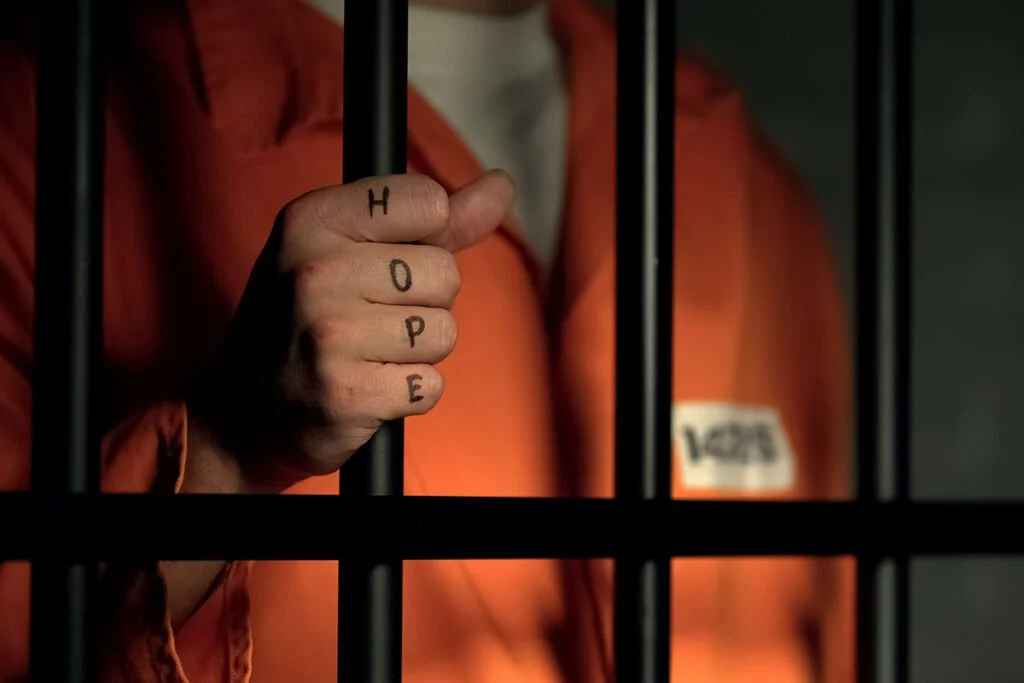
The Alabama Department of Corrections is currently facing an unprecedented convergence of federal legal pressure, grassroots mobilization, and fiscal scrutiny as the state’s prison system remains under the shadow of a 2019 Department of Justice declaration that its conditions are unconstitutional. Since that federal finding, more than 1,500 individuals have died within the state’s carceral facilities, highlighting a systemic failure that has persisted despite years of litigation and public outcry. Statistics from the past five years reveal a harrowing landscape: homicide rates within Alabama prisons are more than seven times the national average for correctional facilities, while overdose deaths occur at a rate 13 times higher than the statewide average for the general population. These figures underscore a humanitarian crisis that has prompted a sophisticated advocacy campaign titled "NO MORE," which seeks to bridge the ideological divide by framing prison reform as both a moral imperative and a matter of fiscal responsibility.
A Legacy of Unconstitutional Conditions
The current state of the Alabama prison system is not a sudden development but the result of decades of neglect, overcrowding, and understaffing. In April 2019, the U.S. Department of Justice (DOJ) issued a scathing report concluding there was "reasonable cause to believe that the conditions in Alabama’s prisons for men violate the Eighth Amendment of the Constitution." The DOJ specifically cited a failure to protect incarcerated individuals from prisoner-on-prisoner violence and sexual abuse, as well as a failure to provide safe and sanitary conditions.
Despite this federal intervention, the situation has worsened. The state’s response has focused heavily on infrastructure rather than systemic policy changes. Alabama has budgeted over $1 billion for the construction of a single "mega-prison" in Elmore County, a project that has drawn criticism for its ballooning costs. Current projections suggest that each bed in the new facility will cost taxpayers more than $300,000—significantly higher than the median price of a home in Alabama. Critics argue that this focus on construction ignores the underlying issues of staffing shortages and a lack of rehabilitative programming. Currently, the prison system consumes nearly 25 percent of Alabama’s general fund, a figure that exceeds the state’s total combined spending on public health and mental health services.
The Genesis of the NO MORE Campaign
In late 2024, the release of the documentary The Alabama Solution served as a catalyst for a new phase of advocacy. The film brought the lived experiences of incarcerated individuals and their families to a national audience, but its creators and local organizers recognized that awareness alone would not suffice to change state policy. This led to the launch of the "NO MORE" campaign in October 2025, a coalition of state and national organizations designed to convert public attention into sustained political pressure.
The campaign’s strategy is rooted in an understanding of Alabama’s unique political landscape. Recognizing that traditional progressive rhetoric often fails to gain traction in deep-red states, organizers adopted a "bipartisan framing" approach. The "NO MORE" slogan was selected for its adaptability. For those motivated by social justice, the phrase translates to "no more deaths" and "no more violence." For fiscal conservatives and libertarians, it signifies "no more waste," "no more secrecy," and "no more government overreach."
This dual-track messaging has allowed the campaign to build an unlikely coalition. An open letter demanding transparency and oversight was signed by a diverse group of stakeholders, including faith leaders, grieving families, and conservative legislators. By emphasizing the $68 million the state has spent on litigation related to prison abuse since 2020, the campaign shifted the conversation from abstract morality to the tangible mismanagement of taxpayer dollars.
Chronology of a Crisis: 2016 to 2026
The timeline of the current crisis reveals a pattern of escalating tension and legal maneuvers:
- 2016–2018: Widespread strikes and protests by incarcerated individuals draw attention to labor exploitation and unsafe conditions. The "Free Alabama Movement" gains national visibility.
- April 2019: The DOJ issues its formal notice to Governor Kay Ivey, declaring the men’s prison system unconstitutional.
- December 2020: The federal government files a lawsuit against the State of Alabama and the Alabama Department of Corrections (ADOC) after the state fails to address the DOJ’s concerns.
- 2021–2023: The Alabama Legislature approves the construction of two new mega-prisons, utilizing hundreds of millions of dollars in federal COVID-19 relief funds (ARPA) to help cover the costs, a move that sparks national controversy.
- October 2025: The Alabama Solution premieres, and the "NO MORE" campaign is officially launched, initiating a series of more than 60 community screenings across the state.
- September 2026: The Department of Justice seeks a summary judgment against the State of Alabama, submitting a 260-page motion filled with testimonials and evidence of continued "extreme abuse and neglectful treatment."
The Economic Impact of Incarceration
The fiscal dimensions of Alabama’s prison crisis extend beyond construction costs. The state’s economy is deeply intertwined with carceral labor. It is estimated that more than $450 million in value is extracted annually from incarcerated workers who are paid little to no wages for their labor. This system has been described by advocates as a modern iteration of convict leasing, providing cheap labor to various state and private entities while offering no social mobility or savings for the workers upon their release.
Furthermore, the legal costs associated with defending the system are a significant drain on the state treasury. The $68 million spent on settlements and legal defense since 2020 represents funds that could have otherwise been directed toward addiction treatment, vocational training, or mental health resources—interventions that data suggests are more effective at reducing recidivism than long-term isolation.
Political and Legislative Reactions
The pressure from the "NO MORE" campaign and the pending DOJ summary judgment has begun to produce ripples within the Alabama State House. Republican State Senator Larry Stutts recently made headlines by advocating for independent prison oversight in Yellowhammer News. Stutts framed his support for reform not as a departure from his conservative values, but as a fulfillment of them, citing faith, accountability, and sound governance.
Following the release of the documentary, a joint legislative committee on prisons convened for the first time in years. During these hearings, the case of a beating death that was highlighted in the film was brought to the floor, leading a lawmaker to publicly demand the firing of the officer involved. While these actions have not yet resulted in systemic legislative change, they mark a significant shift in the willingness of officials to address specific instances of brutality on the record.
The South as a Socio-Political Laboratory
The ongoing struggle in Alabama carries implications far beyond the state’s borders. Historically, the American South has received a disproportionately small fraction of philanthropic investment compared to the Northeast and West Coast. Consequently, social crises in the region are often documented late and underfunded. However, political analysts argue that the South often serves as a "laboratory" for policies that eventually move northward and westward.
The "Alabama Solution" and the "NO MORE" campaign suggest that the South is also a laboratory for sophisticated, cross-aisle advocacy. If a coalition can successfully challenge the carceral status quo in Alabama by combining fiscal conservatism with human rights advocacy, it provides a blueprint for reform in other states facing similar crises, such as Mississippi and Louisiana. The warning inherent in the Alabama case is clear: institutions that operate without transparency or accountability eventually become a liability to the very taxpayers who fund them.
Future Outlook and Accountability
As of late 2026, the Alabama Department of Corrections remains in a state of flux. The "NO MORE" campaign continues to push for specific demands, including independent prison oversight, enhanced protection for whistleblowers, and a re-prioritization of the state budget toward community-based interventions. The campaign has successfully mobilized over 8,000 citizens to contact their legislators directly, ensuring that the issue remains a priority in the upcoming legislative sessions.
The pending federal summary judgment represents the most significant legal threat to the state’s autonomy over its prison system in decades. If the court rules in favor of the DOJ, Alabama could face federal receivership, a process where a court-appointed official takes control of the prison system to ensure constitutional standards are met.
For now, the campaign’s impact is measured in visibility and the empowerment of those most affected. By creating a narrative infrastructure that supports grieving families and formerly incarcerated voices, the movement has ensured that the conditions inside Alabama’s prisons can no longer be ignored. The goal remains a system that prioritizes human safety and public accountability over secrecy and expansion. The eyes of the nation remain on Alabama, watching to see if the state will finally implement the reforms necessary to align its correctional practices with constitutional mandates and the basic requirements of human dignity.