Julia Chirkova
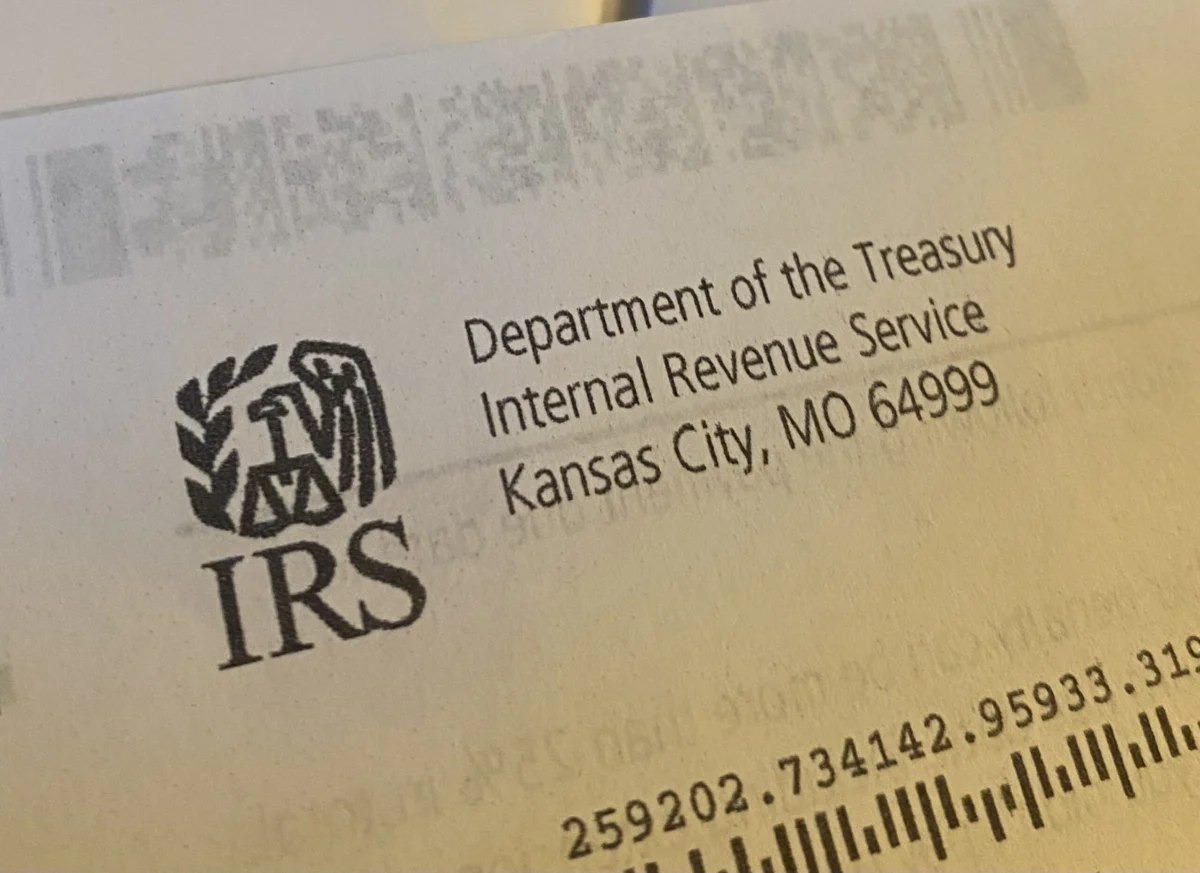
The Internal Revenue Service (IRS) has significantly expanded the functionality of its Tax Pro Account, a secure online portal designed for tax professionals. As of November 6, tax practitioners can now initiate and complete certain tax payments directly on behalf of their business clients through this platform. This development marks a crucial step in the IRS’s ongoing effort to modernize its digital services and streamline tax administration for both professionals and taxpayers.
Historically, Tax Pro Account offered tax professionals valuable insights into their clients’ financial standing with the IRS. Users could access crucial information such as outstanding business balances and past payment activity. However, the ability to directly execute payments on behalf of clients was a notable missing piece. This limitation often necessitated separate payment processes, potentially leading to inefficiencies and increased administrative burden for tax professionals and their business clientele. The introduction of this new payment functionality addresses this long-standing gap, enabling a more comprehensive and integrated experience within a single, secure online environment.
The IRS has emphasized that this enhancement aligns with its strategic goal of becoming a "digital-first agency." By consolidating more routine client service tasks into the Tax Pro Account, the agency aims to reduce reliance on traditional, paper-based processes and leverage technology to improve efficiency and accuracy. This move is particularly impactful for taxpayers who entrust their tax obligations to qualified professionals, as it promises to save them valuable time and simplify the process of meeting their financial commitments to the government.
Frank Bisignano, identified as the IRS CEO in the announcement, underscored the importance of these digital advancements. His statement highlighted that "Expanding online services that enable tax professionals to do more for their clients advances the goal of making the IRS a digital-first agency." He further elaborated on the direct benefits to taxpayers, stating, "For taxpayers who rely on tax professionals, this change will save time and make it easier for them to meet their tax obligations." This sentiment reflects a broader governmental push to leverage technology for improved public services and taxpayer convenience.
Expanding Payment Options: What Tax Professionals Can Now Do
Under the new provisions, authorized tax professionals can now make specific types of payments on behalf of their business clients. While the original announcement indicated a list of payment types, the provided text omits these specific details. However, based on the context of typical business tax obligations managed by tax professionals, these likely include, but are not limited to:
- Estimated Tax Payments: Businesses often make quarterly estimated tax payments to cover income and self-employment taxes. Tax professionals can now facilitate these payments directly.
- Employment Tax Payments: This category encompasses payroll taxes such as Social Security and Medicare taxes withheld from employee wages, as well as the employer’s share of these taxes.
- Excise Tax Payments: Depending on the nature of the business, various excise taxes may apply, and professionals can now manage these payments.
- Other Business Tax Liabilities: This could broadly include payments related to various business-specific tax forms and obligations that arise throughout the tax year.
It is imperative for tax professionals to note that the ability to make these payments is contingent upon possessing the appropriate authorization for each specific client and tax matter. This includes having the necessary Power of Attorney (Form 2848) or Tax Information Authorization (Form 8821) on file, clearly defining the scope of the professional’s authority to act on the client’s behalf. Adherence to these authorization requirements is crucial for maintaining compliance and safeguarding client information.
A Brief History of Tax Pro Account
The Tax Pro Account was initially launched in July 2021, representing a significant investment by the IRS in its digital infrastructure for tax professionals. The platform was conceived as a secure, centralized hub designed to empower tax practitioners with efficient tools for managing their client relationships and tax-related responsibilities. From its inception, the account aimed to provide a more integrated and accessible way for professionals to interact with the IRS on behalf of their clients.
Key features initially offered within Tax Pro Account included:
- Secure Access to Client Information: Tax professionals can view essential client tax account information, providing a consolidated overview of their tax status.
- Managing Authorizations: The platform facilitates the management of tax information authorizations and powers of attorney, ensuring that professionals have the correct permissions in place.
- Viewing Balances and Payment Activity: As mentioned, professionals could previously view their business clients’ outstanding balances and track their payment history, offering transparency into their tax obligations.
- Secure Communication Channels: While not explicitly detailed in the provided excerpt, such platforms typically offer secure messaging capabilities for IRS correspondence.
The addition of payment functionality represents a substantial evolution of the Tax Pro Account’s capabilities, moving it from a primarily informational tool to one that also facilitates transactional tasks. This expansion is indicative of the IRS’s commitment to continually enhance its digital offerings based on user feedback and evolving technological capabilities.
Implications for Tax Professionals and Businesses
The introduction of payment capabilities within Tax Pro Account carries several important implications for tax professionals and their business clients.
For Tax Professionals, this enhancement offers:
- Increased Efficiency: By consolidating payment processing within the same portal used for client information and authorizations, professionals can significantly reduce the time spent on administrative tasks. This streamlining allows them to focus more on complex tax advisory services and strategic planning for their clients.
- Reduced Errors: Performing payments through a secure, integrated system can help minimize the risk of manual data entry errors that might occur when using separate payment platforms or methods.
- Improved Client Service: The ability to offer a more comprehensive service, including payment facilitation, can enhance client satisfaction and strengthen professional relationships. It positions the tax professional as a more valuable, one-stop solution for tax management.
- Enhanced Security: Utilizing the IRS’s secure Tax Pro Account for payments provides a higher level of security compared to some third-party payment methods, reducing the risk of data breaches or fraudulent transactions.
For Business Clients, the benefits are equally significant:
- Convenience and Time Savings: Clients can rely on their tax professional to handle payments without needing to be directly involved in the process, saving them time and reducing potential disruptions to their business operations.
- Timely Compliance: Ensuring that tax payments are made on time is critical for avoiding penalties and interest. The integrated payment system facilitates timely submission, helping businesses maintain good standing with the IRS.
- Peace of Mind: Knowing that their tax obligations are being managed efficiently and securely by a trusted professional can provide business owners with greater peace of mind.
Broader Context and Future Outlook
The IRS’s push towards digital transformation, exemplified by the expansion of Tax Pro Account, is part of a larger, ongoing initiative across government agencies to modernize services. The COVID-19 pandemic further accelerated the need for robust digital platforms that can handle increased demand and provide remote access to services. The IRS has faced scrutiny and pressure to improve its technological infrastructure and taxpayer services, and initiatives like Tax Pro Account are direct responses to these challenges.
While the specific payment types were not listed in the initial announcement, the expansion is a clear signal of the IRS’s intent to bring more transactional capabilities online. Future developments could potentially include facilitating other types of tax filings or payments, further reducing the reliance on paper forms and mail.
The success of these digital initiatives hinges on user adoption and the ongoing development of user-friendly interfaces. The IRS has made resources available, including a dedicated section on its website for Tax Pro Account, to guide professionals through its features and functionalities. As the platform continues to evolve, it is likely to become an indispensable tool for tax professionals navigating the complexities of the U.S. tax system. The agency’s commitment to a "digital-first" approach suggests that further enhancements and integrations can be expected in the coming years, aiming to create a more efficient, secure, and taxpayer-centric tax administration system.