Lina Irawan
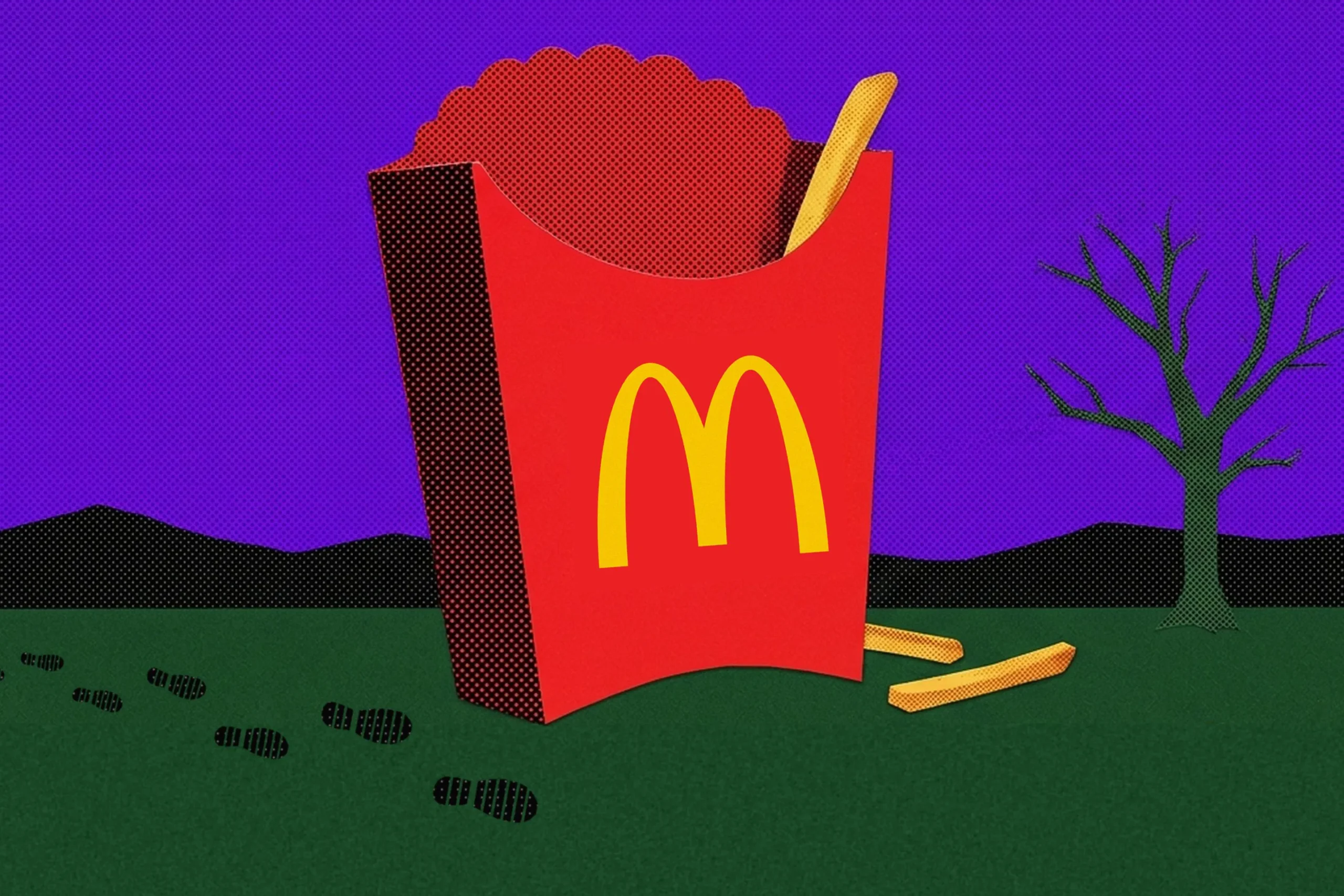
American consumers, long devoted to the familiar comfort of McDonald’s iconic crispy fries and classic cheeseburgers, appear to be re-evaluating their relationship with the fast-food giant, primarily due to rising prices that continue to strain household budgets. This shift in consumer behavior was starkly highlighted in McDonald’s recent quarterly earnings report, which presented a challenging domestic landscape for investors. The company reported a 0.2% drop in sales at U.S. restaurants open for at least a year, marking a significant departure from its historical performance and signifying the first such decline in comparable sales in a considerable period. This metric is a crucial indicator of a restaurant chain’s health, reflecting organic growth or contraction excluding the impact of new store openings.
Economic Headwinds and Consumer Behavior
The discernible shift in consumer sentiment toward McDonald’s pricing is inextricably linked to the broader economic environment characterized by persistent inflation. The U.S. Consumer Price Index (CPI) has seen elevated levels for an extended period, impacting everything from grocery bills to housing costs and, critically, discretionary spending. For many American families, the once-affordable convenience of fast food has become a more considered expenditure. Data from various economic indicators consistently show that lower-income households are disproportionately affected by inflation, as a larger percentage of their income is allocated to essential goods and services. When the cost of living rises across the board, even a small increase in the price of a value meal can deter frequent purchases.
This economic pressure has manifested in a noticeable decline in foot traffic across the entire fast-food sector, as noted by the Associated Press. High gasoline prices, for instance, not only increase operational costs for businesses but also reduce disposable income for consumers, making quick trips for fast food less appealing or less feasible. Consumers are increasingly seeking out promotions, value menus, or opting to cook at home more frequently to stretch their dollars further. This dynamic forces fast-food chains like McDonald’s, traditionally positioned as a leader in value, to recalibrate their pricing strategies and promotional offerings in a highly competitive market.
Q3 Earnings: A Mixed Picture
Despite the concerning domestic sales figures, McDonald’s stock experienced an unexpected uptick following the earnings report. This counter-intuitive market reaction was largely attributed to Wall Street’s prior expectations of an even steeper decline in U.S. sales, suggesting that the reported 0.2% drop, while negative, was less severe than anticipated by analysts. This phenomenon highlights the influence of market sentiment and expectation management on stock performance, where beating "lowered" expectations can sometimes be perceived positively.
Further mitigating the domestic challenges were robust sales performances in overseas markets. Globally, the company’s same-store sales registered a 1.3% increase on a year-over-year basis during the July to September timeframe. This global strength underscores McDonald’s diversified revenue streams and its ability to adapt to varying economic conditions and consumer preferences across different regions. Markets in Europe, Latin America, and Asia often present different growth dynamics, sometimes benefiting from stronger economic growth, less intense inflationary pressures, or effective localized marketing strategies that resonate with international consumers. For instance, specific menu items tailored to regional tastes or successful digital engagement initiatives in key international markets likely contributed to this global resilience, offsetting the softness experienced in its home market.
Investor Appetite and Market Dynamics
However, the year-to-date performance of McDonald’s stock paints a broader picture of investor caution. The company’s shares are down approximately 9% so far this year, reflecting a general waning appetite among investors for fast-food stocks. This trend is not isolated to McDonald’s but is indicative of a broader industry sentiment. Investors are increasingly scrutinizing the sustainability of growth in a sector facing multiple headwinds: intensified competition from fast-casual dining, evolving consumer preferences toward healthier options, and the persistent economic challenges that impact discretionary spending. The valuation of fast-food companies often hinges on consistent same-store sales growth and expanding profit margins, both of which become challenging to maintain when consumers are tightening their belts. Analysts are now closely watching how major players like McDonald’s adapt their business models, invest in technology, and redefine their value propositions to retain market share and drive future growth in a landscape where traditional advantages are being eroded.
Legal Challenges: The McRib Controversy
Adding another layer of complexity to McDonald’s operational landscape is a brewing legal battle concerning its cult-favorite McRib sandwich. A federal judge recently ruled to allow a class-action lawsuit related to the McRib to proceed, presenting a potential legal and reputational challenge for the brand. The complaint alleges that the popular seasonal pork patty, despite its name and marketing, is made without any actual rib meat, potentially misleading consumers. This legal development, reported by Fox Business, highlights the increasing scrutiny over food labeling and marketing claims in the industry.
The McRib, known for its distinctive shape and barbecue flavor, has garnered a dedicated following since its introduction, often returning to the menu for limited-time engagements that spark considerable consumer excitement. The lawsuit, however, questions the integrity of its branding. Should the class-action suit find merit, it could not only result in significant financial penalties for McDonald’s but also impact consumer trust and potentially necessitate changes in how the company markets its products. In an era where consumers are increasingly conscious about ingredient transparency and food authenticity, such legal challenges can have far-reaching implications beyond the courtroom, influencing brand perception and competitive standing.
Addressing Domestic Challenges: Executive Insights and Strategic Pivot
On the recent earnings conference call, McDonald’s executives candidly addressed the primary factors contributing to the drag on domestic sales. Chairman and CEO Chris Kempczinski, along with other senior leaders, identified several internal missteps. A key issue cited was an excessive number of new promotions, which inadvertently confused diners rather than enticing them. This saturation of offers potentially diluted the perceived value of individual deals and made the ordering process less straightforward for customers. Furthermore, poor customer service was acknowledged as a contributing factor, suggesting operational inconsistencies at the restaurant level that negatively impacted the customer experience.
Adding to these challenges, a major promotional blitz tied to the World Cup failed to deliver the anticipated sales boost, as reported by CNN. Large-scale marketing campaigns, particularly those associated with global sporting events, require precise execution and strong alignment with consumer interests. The failure of this initiative suggests a disconnect between the campaign’s objectives and its actual impact on driving traffic and sales in the U.S. market, leading to a review of future marketing strategies.
Recognizing the urgency of these issues, company officials assured investors that immediate steps were being taken to address the dip in sales and regain momentum. A core strategy involves "getting back to basics" by emphasizing cheap, compelling offerings that customers can enjoy regularly without feeling like they are splurging. This harkens back to McDonald’s historical strength in providing consistent value through initiatives like the Dollar Menu.
Specifically, McDonald’s plans include reintroducing popular digital offerings, such as a $2 breakfast sandwich deal, leveraging its robust mobile app and loyalty programs to deliver targeted value. The company is also rolling out more specialty beverages, aiming to capture a share of the growing market for premium, customizable drinks. Crucially, McDonald’s is in the midst of an eight-week test of two distinct value bundle concepts, with the intention of rolling out the more successful option nationwide early next year. These bundles are designed to offer attractive price points for combinations of popular menu items, directly addressing the consumer demand for affordable meals.
Chairman and CEO Chris Kempczinski articulated the company’s renewed focus on value, stating, "You need to have good entry-level value, and particularly for that low-income consumer, they’re looking for great entry-level value, and we have not had that in place to the level that we are satisfied with." This statement underscores a clear acknowledgment from leadership about the need to re-establish McDonald’s as the go-to destination for budget-conscious consumers, especially in an inflationary environment where every dollar counts.
Long-Term Vision and Investment
Beyond immediate tactical adjustments, McDonald’s has also laid out a significant long-term investment strategy to fortify its future growth and market position. In a September announcement, the company revealed plans to spend a substantial $8.5 billion over the next decade. This multi-faceted investment will be directed towards several critical areas designed to enhance the customer experience, improve operational efficiency, and adapt to evolving consumer preferences.
A significant portion of this capital will be allocated to remodeling existing stores. Modernizing the physical footprint of its restaurants aims to create a more inviting and efficient environment for diners, incorporating contemporary design elements, updated technology, and improved drive-thru experiences. Enhanced store aesthetics and functionality are crucial for attracting and retaining customers in a competitive landscape where atmosphere and convenience play a significant role.
Concurrently, McDonald’s plans to invest more heavily in employee training. Recognizing that customer service was identified as a weakness, this investment aims to elevate the quality of service across its vast network of restaurants. Well-trained staff can lead to faster service, greater order accuracy, and a more positive interaction for customers, all of which are vital for customer satisfaction and repeat business.
Furthermore, the investment will support product development, with a specific focus on targeting diners hungry for higher-protein menu items. This initiative reflects a broader trend in consumer dietary preferences, where demand for protein-rich options and perceived healthier choices is growing. By expanding its menu to include more such items, McDonald’s seeks to appeal to a wider demographic and ensure its offerings remain relevant to contemporary tastes and health-conscious consumers. This strategic pivot acknowledges that while value is paramount, evolving food trends cannot be ignored, positioning McDonald’s to compete effectively in a dynamic food service industry.
Broader Industry Implications and Outlook
McDonald’s recent challenges and strategic responses offer valuable insights into the broader fast-food industry. The delicate balance between maintaining affordability and ensuring profitability in an inflationary economy is a tightrope walk for all players. The struggles faced by a market leader like McDonald’s highlight the intense pressure on consumer discretionary spending and the critical importance of a clear, consistent value proposition.
The company’s pivot back to "entry-level value" suggests a potential industry-wide re-emphasis on core affordability, possibly signaling a slowdown in the trend of premiumization that many fast-food chains had pursued in recent years. Furthermore, the focus on digital offerings and enhanced customer service reflects the ongoing digital transformation of the industry and the increasing importance of seamless, personalized customer experiences.
For investors, McDonald’s trajectory in the coming quarters will be a bellwether for the fast-food sector. Its ability to successfully implement its new value strategies, improve customer service, and navigate legal challenges will determine not only its own financial health but also provide insights into the resilience and adaptability of the entire quick-service restaurant market in a period of significant economic flux. The next year will be critical for the Golden Arches as it strives to recapture the hearts and wallets of its domestic consumers.