Dwi Wanna
The regulatory environment governing payroll administration in the United States has evolved into a sophisticated, multi-tiered system where federal, state, and local mandates frequently intersect and, at times, conflict. For modern employers, maintaining compliance requires an exhaustive understanding of the Fair Labor Standards Act (FLSA) alongside a patchwork of state-specific statutes that govern everything from hourly wage floors to the timing of a terminated employee’s final compensation. As the workforce becomes increasingly decentralized due to the rise of remote and hybrid work models, the challenge of navigating these divergent legal requirements has become a primary concern for human resources departments and corporate legal counsel alike. The fundamental principle guiding this complexity is the "most favorable" standard: when federal, state, and local laws differ, the employer is legally obligated to follow the regulation that provides the greatest benefit or protection to the employee.
The Dual-Tiered Regulatory Framework
The bedrock of American payroll law is the Fair Labor Standards Act of 1938, a landmark piece of federal legislation that established the first national minimum wage, overtime pay eligibility, and child labor protections. However, the FLSA was never intended to be the sole authority on labor standards. Instead, it serves as a federal floor. Under the U.S. system of federalism, states retain the sovereign right to enact more stringent protections for their workers. This has led to a significant divergence in payroll requirements across the country. While some states adhere strictly to federal standards, others—notably California, New York, and Washington—have developed comprehensive regulatory frameworks that far exceed federal requirements in scope and complexity.
Historical Context: From the FLSA to Modern State Autonomy
To understand the current state of payroll regulation, one must examine the chronology of wage and hour legislation. Following the 1938 passage of the FLSA, the federal minimum wage was adjusted periodically by Congress to account for inflation and economic shifts. However, the federal minimum wage has remained stagnant at $7.25 per hour since July 2009, marking the longest period without an increase in U.S. history.
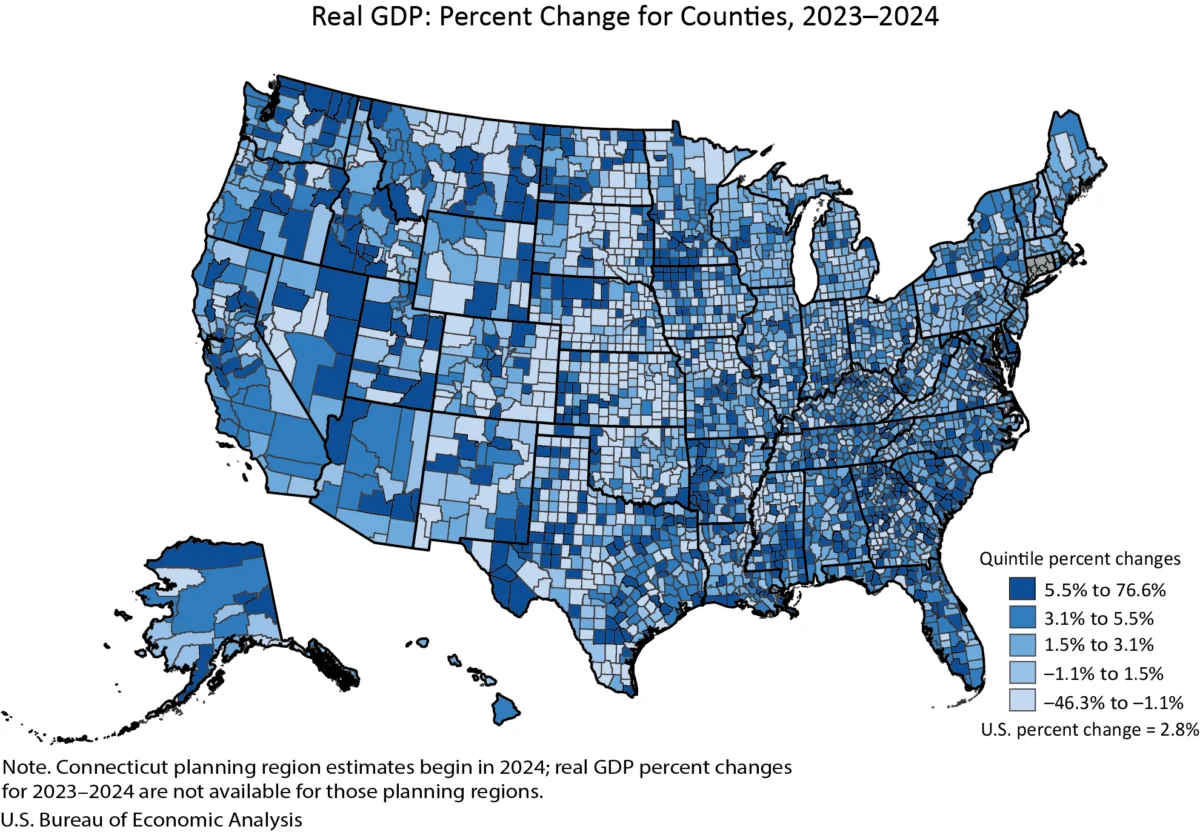
In response to this federal stagnation, a "bottom-up" movement began in the early 2010s, often referred to as the "Fight for $15." This movement prompted a wave of state and municipal legislation. By 2024, thirty states and the District of Columbia have established minimum wages higher than the federal rate. This chronological shift represents a fundamental change in the payroll landscape, where the primary regulatory burden has shifted from federal oversight to state-level enforcement.
The Divergence of Minimum Wage and Tipped Labor Standards
Data from the U.S. Department of Labor indicates that as of January 2024, approximately 22 states saw automatic or legislated increases in their minimum wage rates. In states like Washington and California, the minimum wage has surpassed $16.00 per hour, more than double the federal requirement. Employers operating across state lines must track these annual adjustments, which often take effect on January 1st or July 1st.
The complexity intensifies when considering tipped employees. Federal law allows for a "tip credit," permitting employers to pay tipped workers a cash wage as low as $2.13 per hour, provided that the combination of cash wages and tips meets the federal minimum wage of $7.25. However, several states, including Oregon, Nevada, and Minnesota, have abolished the tip credit entirely, requiring employers to pay the full state minimum wage regardless of tips earned. Failure to account for these variations can lead to "wage theft" allegations, which have seen a rise in litigation over the past decade.
Advanced Overtime Provisions and Daily Thresholds
While the FLSA requires overtime pay (1.5 times the regular rate) for hours worked in excess of 40 in a single workweek, several states have introduced daily overtime thresholds. California, for instance, requires time-and-a-half for any work performed beyond eight hours in a single workday and double-time for work exceeding 12 hours in a day. Furthermore, California and certain other jurisdictions require overtime pay for the first eight hours worked on the seventh consecutive day of a workweek.
Legal analysts note that daily overtime laws significantly impact scheduling and labor costs for industries with long shifts, such as healthcare, manufacturing, and film production. Employers must also be wary of "spread of hours" regulations, such as those in New York, which may require an extra hour of pay at the minimum wage rate if the interval between the beginning and end of an employee’s workday exceeds ten hours, even if the total hours worked do not exceed 40 for the week.
The Rise of Mandated Paid Leave Programs
Perhaps the most significant expansion in state payroll obligations involves the implementation of mandatory paid sick leave and paid family and medical leave (PFML) programs. As of 2024, 15 states and the District of Columbia have enacted laws requiring employers to provide paid sick leave, with accrual rates typically set at one hour of leave for every 30 hours worked.
Unlike the federal Family and Medical Leave Act (FMLA), which provides unpaid, job-protected leave, state PFML programs are often funded through payroll taxes. States such as Massachusetts, Washington, and New Jersey require employers to withhold premiums from employee wages and, in many cases, contribute an employer share to a state-managed insurance fund. These programs introduce a dual administrative burden: employers must manage the technical aspects of payroll withholding while also coordinating with state agencies to ensure employees receive their benefits during periods of leave for bonding with a child, caring for a sick relative, or addressing their own serious health conditions.
Administrative Rigor: Pay Frequency and Payment Methods
State laws also dictate the "how" and "when" of payroll. While federal law is relatively silent on pay frequency, most states mandate that employees be paid at least semimonthly or biweekly. Some states, such as New York, require weekly pay for manual workers, a designation that has been the subject of recent high-profile class-action lawsuits.
The method of payment is also highly regulated. While direct deposit is the industry standard, many states prohibit employers from making direct deposit mandatory. Employees often retain the right to receive a physical check. Furthermore, the use of payroll cards—prepaid cards onto which wages are loaded—is subject to strict "fee-free" access requirements in states like Pennsylvania and Illinois to ensure that employees can access their full wages without incurring bank charges.
Final Paycheck Requirements and PTO Payout Jurisprudence
One of the most litigious areas of payroll compliance involves the termination of the employment relationship. States have varying "final pay" deadlines. In California, if an employee is fired, their final wages must be paid immediately at the time of termination. If the employee quits with at least 72 hours’ notice, they must be paid on their last day. In contrast, states like Texas allow final pay to be delivered by the next regularly scheduled payday.
The treatment of accrued but unused Paid Time Off (PTO) at the time of separation is another point of significant divergence. In "payout states" like California, Illinois, and Montana, earned vacation time is considered a form of wages that cannot be forfeited; therefore, it must be paid out upon termination. In other states, the payout of PTO is governed solely by the employer’s written policy. Legal experts emphasize that a poorly drafted PTO policy can lead to substantial liability for "waiting time penalties," which in some states can equal a full day of wages for every day the final payment is delayed.
The Remote Work Paradox: Managing Multi-State Compliance
The post-pandemic shift toward remote work has introduced a "nexus" problem for payroll departments. Generally, payroll taxes and labor laws are governed by the state where the employee physically performs the work, not where the company’s headquarters are located.
If a company based in Florida employs a remote worker in New York, that company must register with the New York Department of Labor, withhold New York state income tax, pay into the New York unemployment insurance fund, and comply with New York’s specific wage and hour laws, including its higher minimum wage and paid sick leave mandates. This "jurisdictional sprawl" requires businesses to maintain a constant vigil over the legislative updates in every state where they have even a single employee.
Industry Reactions and Economic Analysis
Small business advocacy groups, such as the National Federation of Independent Business (NFIB), have frequently expressed concern over the "regulatory thicket" created by varying state laws. They argue that the administrative cost of compliance—particularly for businesses with limited HR resources—can stifle growth and lead to unintentional violations. Conversely, labor unions and worker advocacy groups argue that state-level interventions are necessary to protect workers in an era where federal protections have not kept pace with the cost of living.
Economic data suggests that the complexity of payroll compliance has fueled a massive expansion in the payroll processing and "Employer of Record" (EOR) industry. Companies are increasingly turning to third-party software solutions that offer automated tax updates and compliance monitoring to mitigate the risk of costly audits and lawsuits.
Broader Impact and Implications
The implications of failing to adhere to state payroll regulations are severe. Beyond the immediate financial penalties and back-wage assessments, employers face the risk of liquidated damages, where a court may award an employee double or triple the amount of unpaid wages. Furthermore, many state labor departments have increased their enforcement budgets, utilizing data analytics to identify industries with high rates of non-compliance.
As we look toward the future, the trend suggests further localization of payroll law. Cities like San Francisco, Seattle, and New York City have already implemented their own minimum wage and scheduling ordinances that are more rigorous than their respective state laws. For the modern business, payroll is no longer a simple administrative task of cutting checks; it is a critical function of legal risk management that requires constant education and technological integration. The ability to navigate this complex landscape is not merely a matter of compliance—it is a prerequisite for operational stability in the 21st-century economy.