Lana Rhoades

In a comprehensive legislative and operational briefing held on October 21, 2026, tax compliance experts Sarah Craig and Liz Yang addressed the mounting complexities facing modern enterprises in an increasingly fragmented digital economy. The session, structured as a "sales tax office hours" event, processed dozens of inquiries from business leaders struggling to reconcile multichannel sales data with the shifting definitions of nexus and taxability. As e-commerce continues to decentralize, the burden of compliance has shifted from simple geographic presence to a sophisticated web of economic thresholds, marketplace facilitator laws, and evolving definitions of digital services.
The event comes at a pivotal moment for the American retail sector. Since the landmark 2018 Supreme Court decision in South Dakota v. Wayfair, Inc., which paved the way for states to collect sales tax from out-of-state sellers, the regulatory environment has grown exponentially more complex. According to recent industry data, the average mid-market retailer now faces potential tax obligations in over 30 states, each with unique filing frequencies, product exemptions, and revenue thresholds. The October 2026 briefing aimed to distill these challenges into actionable intelligence for businesses navigating the current fiscal year and preparing for significant legislative shifts scheduled for 2027.
The Evolution of Nexus: Beyond Physical Boundaries
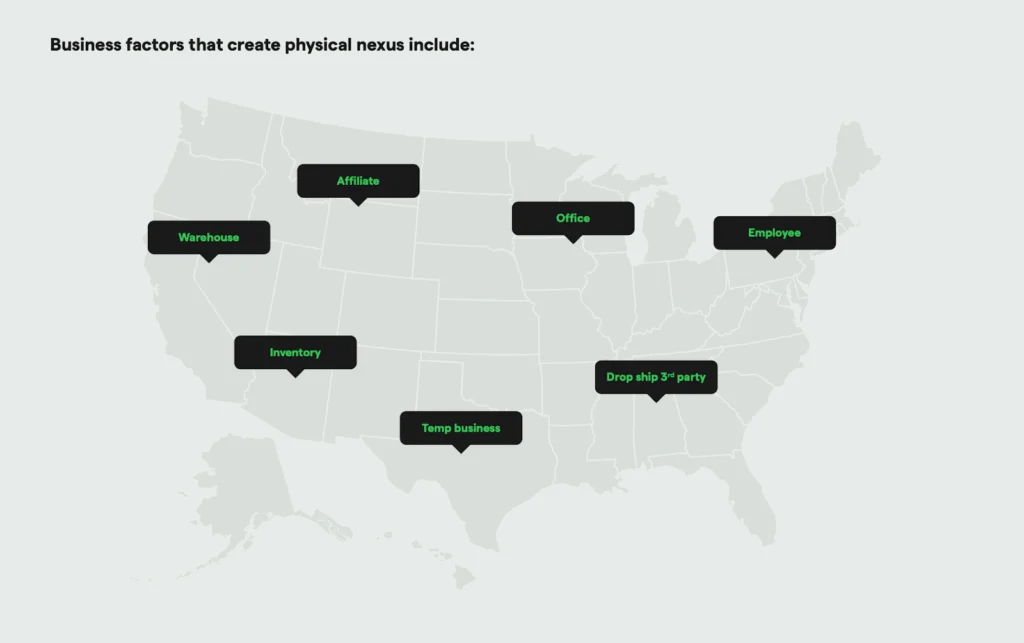
Historically, a business only had a sales tax obligation—known as "nexus"—in states where it maintained a physical presence, such as an office, warehouse, or retail storefront. However, the modern definition has expanded to include "economic nexus," which is triggered when a company exceeds a specific dollar amount in sales or a certain number of transactions within a state.
During the briefing, experts emphasized that physical nexus remains a potent trigger that many businesses overlook. Triggers for physical nexus in 2026 often include the storage of inventory in third-party fulfillment centers, such as those operated by Amazon FBA, or the presence of remote employees and independent contractors. Furthermore, "click-through nexus" or "affiliate nexus" can be established through relationships with in-state referral partners.
The data suggests that while economic nexus thresholds often hover around $100,000 in sales or 200 transactions, physical nexus has no such floor. A business with a single employee or one pallet of inventory in a state may find itself legally obligated to register and collect tax immediately, regardless of its total sales volume in that jurisdiction. This dual-track system requires businesses to monitor both their physical footprint and their digital transaction counts with equal rigor.
The Marketplace Facilitator Paradigm
One of the most significant shifts in the last decade has been the rise of marketplace facilitator laws. Under these statutes, platforms like Amazon, eBay, Walmart, and Etsy are responsible for collecting and remitting sales tax on behalf of their third-party sellers. While this appears to simplify the process, experts noted that it often creates a false sense of security for vendors.
Marketplace collection does not necessarily absolve a seller of all administrative duties. Many states still require businesses to maintain a valid sales tax permit and file "zero returns"—reports showing that while sales were made, the tax was collected by a facilitator. Additionally, marketplace sales frequently count toward a state’s economic nexus threshold. For example, if a business sells $90,000 through its own website and $20,000 through Amazon in a state with a $100,000 threshold, the combined $110,000 in revenue triggers a nexus obligation for the direct website sales, even though the Amazon portion was already taxed.
Digital Transformation and the California 2027 Shift
Perhaps the most significant looming change discussed was California’s upcoming tax reform. Effective January 1, 2027, the state will implement expanded rules regarding digital products. This represents a paradigm shift for California, which has historically been a holdout in taxing digital downloads and Software-as-a-Service (SaaS).
Under the new guidance from the California Department of Tax and Fee Administration (CDTFA), qualifying digital products delivered via remote access or electronic download will generally become taxable. This change is expected to generate billions in additional revenue for the state but presents a massive hurdle for software companies. The briefing highlighted that businesses must begin auditing their product catalogs now. Distinctions between "human-effort services" and "prewritten cloud-hosted software" will be critical. In many jurisdictions, if a service is bundled with a digital product, the entire transaction may become taxable, necessitating a strategic review of billing structures and customer-location data collection.
Operational Strategies: Registration and Risk Mitigation
A recurring theme of the session was the danger of "unlawful collection"—the act of charging customers sales tax without being registered with the state or without remitting those funds to the treasury. This is considered a serious offense in all jurisdictions.
For businesses that discover they have exceeded nexus thresholds in the past without registering, the experts recommended a "Voluntary Disclosure Agreement" (VDA). A VDA is a proactive approach where a business comes forward to the state tax authority to settle unpaid taxes. In exchange for this transparency, states often offer a limited "lookback period"—usually three to four years—and may waive or reduce penalties. However, this option is typically only available if the state has not already contacted the business for an audit.
The chronological process for compliance, as outlined during the session, follows a specific path:
- Nexus Identification: Audit all states for physical or economic presence.
- Registration: Obtain a sales tax permit before beginning collection.
- Calculation: Apply correct rates based on the destination address (sourcing rules).
- Reporting: Consolidate data from all sales channels.
- Filing: Submit returns according to the state-assigned frequency (monthly, quarterly, or annually).
The Burden of Services and Shipping
The taxability of services remains one of the most inconsistent areas of U.S. tax law. While most states primarily tax tangible personal property, a growing number are expanding their tax bases to include professional services. The October briefing clarified that consulting is not universally exempt. If a consultant provides a tangible report or installs software as part of their service, the entire contract could be subject to tax depending on the state’s "true object" test.
Shipping charges also present a fragmented landscape. Some states consider shipping and handling part of the taxable sale price, while others exempt it if the charges are separately stated on the invoice. For businesses shipping to multiple locations, the "destination-based" sourcing model used by the majority of states requires the tax rate to be calculated based on the buyer’s delivery address rather than the seller’s location.
International Sellers and Global Implications
The reach of U.S. sales tax extends beyond domestic borders. International sellers who utilize U.S.-based fulfillment centers or exceed economic thresholds are subject to the same registration and collection requirements as domestic entities. The complexity for international firms is often compounded by the need for a Federal Employer Identification Number (EIN) and the navigation of tax treaties that may cover income tax but rarely apply to state-level consumption taxes like sales tax.
Conclusion: The Case for Automation
As the briefing concluded, the consensus among experts was that manual compliance is becoming increasingly untenable for growing businesses. The decision to invest in tax automation software is no longer solely a matter of revenue volume but a calculation of risk and resource allocation.
When a business operates across multiple channels—such as a Shopify storefront, a physical warehouse, and a marketplace like Walmart—the task of reconciling data and tracking 10,000+ local tax jurisdictions becomes a significant operational bottleneck. Automated solutions are now viewed as a critical component of the modern "fintech stack," providing real-time calculations, automated filing (AutoFile), and nexus monitoring that protects the business from the financial and reputational damage of a state audit.
In an era where state revenue departments are utilizing increasingly sophisticated data-sharing agreements to identify non-compliant sellers, the October 2026 briefing serves as a stark reminder: in the world of sales tax, ignorance of the law is not a defense, but proactive management is a competitive advantage.