Nila Kartika Wati
In the Roseland neighborhood of Chicago, community is being redefined not as a static geographic location, but as an active, participatory movement. Leading this shift is Elizabeth L. Carter, the founder and managing member of the Renewable Energy Cooperative (RECO). As a consumer-owned and led entity, RECO is designed to address the overlapping crises of environmental degradation, economic disinvestment, and systemic racism on Chicago’s Far South Side. By integrating clean energy infrastructure with robust workforce development, RECO aims to ensure that the transition to a green economy does not leave marginalized populations behind, but rather places them at the helm of the industry.
RECO operates as a vital component of the Wisdom Connection Initiative, known colloquially as WisConnect. This parent organization provides the structural framework for the cooperative to tackle multifaceted issues of racial and social justice. Over the past six months, the cooperative has undergone a rigorous development phase, recently finalizing a comprehensive communication plan designed to transition community residents from passive observers to active, subscribed members. This model of collective ownership is intended to keep capital within the neighborhood, countering decades of economic extraction that have characterized the Far South Side’s financial history.
Historical Disinvestment and the Roseland Context
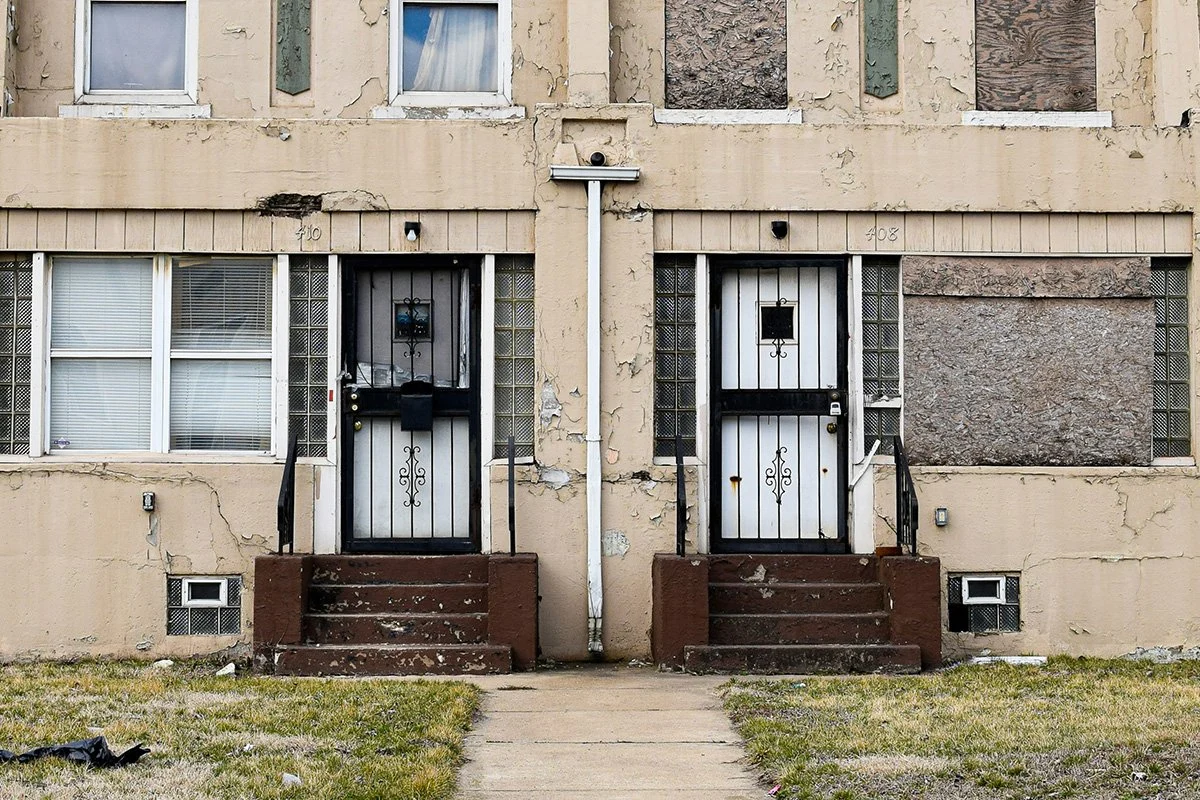
Roseland, once a bustling commercial hub known as "The Gateway to the South Side," has faced significant challenges over the last several decades. The neighborhood has been disproportionately affected by the decline of Chicago’s industrial base, leading to high rates of unemployment and a surge in gun violence. However, the area remains anchored by a resilient population and a rich cultural history. RECO’s intervention is timed to coincide with a broader push for "energy sovereignty," where residents own the means of production for their utility needs.
Under the cooperative model, members hold shares in the business, allowing them to participate in democratic decision-making and share in the financial surplus. This structure is particularly potent in Roseland, where traditional avenues for wealth creation have often been blocked by redlining and predatory lending. By focusing on renewable energy, Carter is positioning the neighborhood to capitalize on the burgeoning green economy, which is projected to grow exponentially as Illinois moves toward its goal of 100 percent clean energy by 2050 under the Climate and Equitable Jobs Act (CEJA).
Overcoming Systemic Barriers in the Skilled Trades
A primary pillar of RECO’s mission is its workforce development program, specifically targeting young adults aged 18 to 35. This initiative focuses on the plumbing and electrical trades—industries that have historically been difficult for Black workers to enter due to systemic gatekeeping and discriminatory union practices.
The statistics regarding representation in the skilled trades highlight a stark disparity. While Black Americans make up nearly 14 percent of the total U.S. population, they account for only 6 percent of skilled tradespeople, according to data from Electrical Contractors Magazine and Zippia. This underrepresentation is not accidental; it is the result of decades of exclusionary "grandfather" clauses in unions and a lack of mentorship networks for people of color.
The plumbing industry, in particular, has a fraught history regarding racial integration. Adrienne Bennett, who became the first Black female master plumber in the United States, has frequently spoken about the harassment and isolation she faced during her rise in the 1980s. RECO seeks to dismantle these barriers by providing intensive training in a supportive, community-based environment. By training young people in both traditional plumbing and modern solar thermal installation, the cooperative ensures its members are equipped for the high-demand jobs of the future while bypassing the traditional roadblocks of the industry.
The Legacy of the Toxic Doughnut and Environmental Justice
RECO’s work is deeply informed by the environmental history of the Far South Side, specifically the area surrounding Altgeld Gardens. Located just 15 minutes from Roseland, Altgeld Gardens is known as the "birthplace of environmental justice." Built on an industrial waste dump originally intended for WWII veterans, the community is geographically trapped in what is known as the "toxic doughnut."
Documentarian and Chicago native Nathan Miller describes the area as being surrounded by an expressway to the east, a water treatment facility to the north, a landfill to the south, and heavy industrial buildings to the west. This concentration of pollution has led to documented increases in cancer rates and respiratory illnesses, such as asthma, among residents. The legacy of Hazel M. Johnson, who founded People for Community Recovery (PCR) in Altgeld Gardens, serves as the spiritual and tactical foundation for RECO. Johnson’s work in the 1970s and 80s exposed the link between industrial pollution and public health in Black communities, a fight that RECO continues today through the promotion of clean, non-polluting energy.
Carter notes that residents in these areas still report smelling industrial fumes at night, a constant reminder of the environmental burden they carry. By installing solar panels on residential spaces, RECO provides a dual benefit: it reduces the community’s reliance on fossil-fuel-based power plants—which are often located in or near low-income neighborhoods—and it provides immediate financial relief to "energy-burdened" households.
Solar Installation and Economic Relief
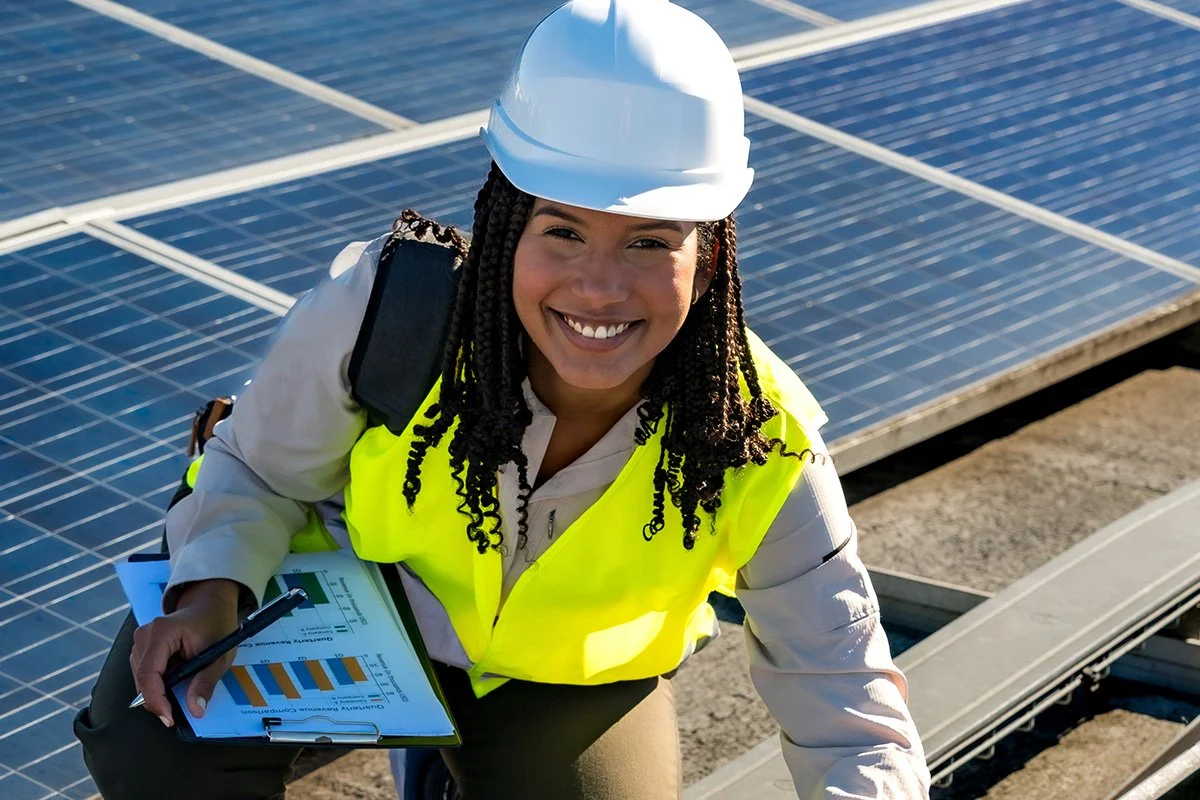
For many residents of the Far South Side, utility bills represent a disproportionately large percentage of their monthly income. RECO’s community solar programs are designed to mitigate this "energy cost burden." By leveraging state-level incentives and the cooperative ownership model, members can see their energy bills reduced by 50 to 100 percent.
The technical training provided by RECO allows community members to perform these installations themselves. This "circular economy" ensures that the labor costs associated with greening the neighborhood are paid to the residents themselves, rather than to outside contractors. The goal is to create a self-sustaining ecosystem where environmental improvements lead directly to economic stability.
The Financial Pathway for Black Women
A critical and often overlooked aspect of RECO’s impact is its role in supporting Black women, who have faced unique economic challenges in the post-pandemic landscape. Recent data from the Economic Policy Institute (EPI) indicates that nearly 300,000 Black women have lost their jobs nationally in the last year, with many of these losses occurring in the public sector and among college graduates. The National Women’s Law Center reported that the unemployment rate for Black women rose from 5.6 percent in August to 6.8 percent in September 2025.
For women like Carter and her colleagues, the cooperative structure offers a layer of professional and emotional security that traditional entrepreneurship often lacks. Black women entrepreneurs frequently face significant hurdles in accessing venture capital and business loans—receiving less than 1 percent of total VC funding annually. The cooperative model allows for shared risk and shared resources, providing a practical way for Black women to maintain financial independence and professional growth despite broader market fluctuations.
Broader Implications and Future Outlook
The success of RECO in Roseland serves as a potential blueprint for other "justice-involved" neighborhoods across the United States. By focusing on ownership rather than just employment, the cooperative model addresses the root causes of the racial wealth gap.
Analysts suggest that as federal and state governments pour billions into climate resilience through the Inflation Reduction Act and similar legislation, the "co-op" model will be essential for ensuring that these funds reach the communities most affected by climate change. Without local ownership structures like RECO, there is a significant risk that the "green transition" will mirror the inequities of the industrial revolution, with profits flowing to large corporations while marginalized communities are left with the labor and the infrastructure but none of the equity.
For the residents of Roseland and Altgeld Gardens, the stakes are high. RECO is not just an energy provider; it is a vehicle for restoration. By reclaiming the land from industrial pollution and reclaiming the economy through collective ownership, Elizabeth L. Carter and the members of RECO are proving that environmental justice and economic prosperity are not mutually exclusive—they are, in fact, two sides of the same coin. As the cooperative moves into its next phase of member subscription, the eyes of the city remain on the Far South Side, watching a community transform from an extracted-from landscape into a self-determined powerhouse.