Layla Zulfa
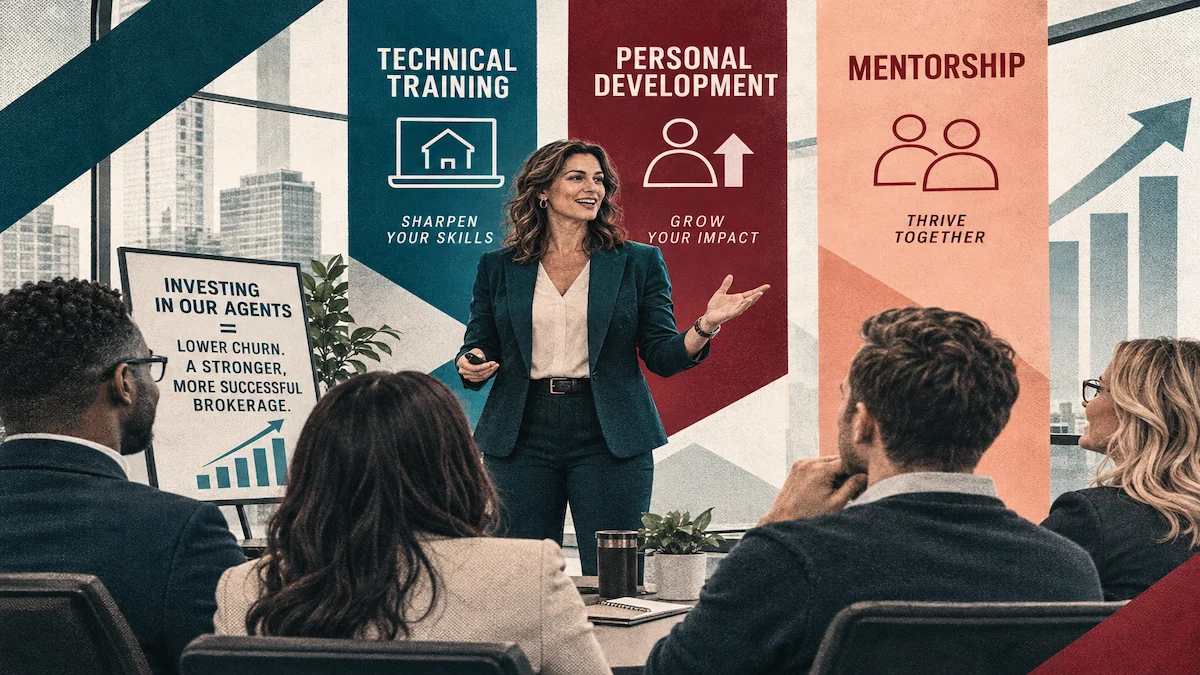
A pervasive oversight within the real estate brokerage landscape is the underestimation of agent support, a deficiency that ultimately hampers both brokerages and the agents they aim to serve. Many firms, including a significant number that have demonstrated remarkable growth in recent years, approach vital areas like education and mentorship as mere operational costs rather than strategic investments. This shortsightedness results in the missed opportunity to cultivate a cadre of highly productive agents, impacting the brokerage’s sustained profitability and market standing. This perspective was articulated by Derek Carlson, president and managing broker of Realty ONE Group MVP, a Florida-based firm that has rapidly expanded to over 1,100 agents, generating over $2 billion in transactions.
The traditional brokerage model often falls into one of two distinct, and often detrimental, approaches when onboarding new agents. Brokerage A, representing a common but ultimately flawed strategy, adopts a "sink or swim" philosophy. This model assumes that the foundational knowledge acquired during pre-licensing courses is sufficient to launch an agent’s career. New hires are thrust into the market with minimal ongoing guidance, expected to navigate the complexities of real estate transactions independently. While licensing courses provide a necessary regulatory framework and a basic understanding of real estate principles, they are fundamentally insufficient for developing the practical skills, market acumen, and client management expertise required for sustained success.
The consequences of this laissez-faire approach are often dire. A significant percentage of agents operating under such a system fail to gain traction. They may experience initial struggles, leading to a cycle of bouncing between brokerages in search of a more supportive environment. Each move, while potentially offering incremental learning, contributes to high agent churn rates for the originating brokerages. This churn incurs substantial recruitment and onboarding costs, diminishes the potential for building a cohesive and experienced team, and directly impacts revenue stability. Brokerages relying on this model frequently contend with unpredictable revenue streams, heavily influenced by market fluctuations and the constant need to replace departing agents. During economic downturns or slower market periods, when the influx of new agents naturally declines, the impact of this high churn becomes particularly acute, exacerbating financial pressures and operational inefficiencies. This "sink or swim" mentality, while seemingly cost-effective in the short term, creates a perpetual cycle of inefficiency and lost potential, hindering the brokerage’s ability to achieve consistent, long-term growth and build a loyal client base.
Conversely, Brokerage B embodies a more enlightened strategy, characterized by a robust mentorship program. This approach recognizes that investing in an agent’s success from the outset is paramount. When a brokerage dedicates resources to comprehensive onboarding and ongoing support, it cultivates an environment where agents are empowered to thrive. This proactive investment yields a multitude of benefits. Agents in such environments are more likely to achieve early success, gain confidence rapidly, and establish a strong footing in the market. This accelerated trajectory translates into longer tenures with the brokerage, significantly reducing human resource costs associated with recruitment and training. Furthermore, experienced and well-supported agents are more likely to generate repeat business and client referrals, building a stable and predictable revenue stream. This model creates a mutually beneficial ecosystem, fostering success for the agents, strengthening the brokerage’s reputation and profitability, and ultimately delivering superior service to clients.
The challenge for many brokerages lies in implementing an effective agent support system that is both comprehensive and financially sustainable. However, contrary to common assumptions, such systems do not necessarily require exorbitant budgets or extensive time commitments. A strategic, phased approach can yield significant results.
Building a Sustainable Support System: A Phased Approach
The development of a high-impact agent support system can be conceptualized as a construction project, built "brick by brick" through distinct, interconnected elements. This methodical development allows brokerages to allocate resources effectively and adapt to evolving needs.
Technical Training: Laying the Foundation
The initial phase of agent development focuses on establishing a strong foundation in technical real estate knowledge. This begins with a curated selection of reputable real estate literature that aligns with the brokerage’s operational philosophy and market focus. These foundational resources serve as the bedrock for structured learning.
Initially, principals or experienced agents can lead weekly educational sessions, delving into the material from these foundational texts. These sessions should incorporate interactive question-and-answer periods to address agent inquiries and clarify complex concepts. As the brokerage gains experience and identifies specific market nuances, the next step involves developing proprietary training materials. This process should commence with an outline of essential topics, prioritized based on their immediate relevance and impact on agent performance.
The delivery of this custom content can initially mirror the foundational approach, with live classes and subsequent Q&A sessions. Crucially, feedback from these early sessions should inform refinement of the training material. As the content matures, it can be professionally recorded, allowing for asynchronous learning, with live sessions reserved for interactive discussions and problem-solving. Over a 12-month period, this iterative process can yield a comprehensive library of video-based training modules, accessible to agents at their convenience. Maintaining the currency of this library is critical, necessitating regular updates to reflect changes in real estate laws, regulations, market statistics, and internal brokerage processes. This commitment to continuous learning ensures agents are equipped with the most relevant and up-to-date information, a key differentiator in a dynamic industry.
Personal Development: Cultivating Agent Resilience and Drive
Beyond technical proficiency, an agent’s success is profoundly influenced by their personal growth and mindset. This domain of development often requires specialized expertise that may not reside within the brokerage’s core competencies. Therefore, rather than attempting to create proprietary materials, brokerages are often better served by leveraging external resources and established thought leaders.
The foundational approach can be replicated here, utilizing influential books by renowned personal development experts. Authors such as Tony Robbins, Jocko Willink, Robert Greene, and Gary John Bishop offer invaluable insights into motivation, discipline, strategic thinking, and peak performance. For agents seeking to push their boundaries, exploring figures like David Goggins can provide inspiration for cultivating extreme resilience. In addition to literature, a wealth of interactive programs, both in-person and virtual, are available that can provide agents with structured opportunities for personal growth. These external programs can offer specialized training in areas such as communication, negotiation, time management, and emotional intelligence, equipping agents with the soft skills crucial for building strong client relationships and navigating the psychological demands of the profession.
Derek Carlson’s own journey underscores the transformative power of personal development in the face of adversity. His forthcoming book, "Unlock Your MVP," draws upon his extensive experience, including building a brokerage that achieved over $2 billion in transactions, navigating three heart attacks, successfully defending against three National Association of Realtors (NAR) class-action lawsuits, and subsequently rebuilding a new brokerage to over 1,100 agents in a mere nine months as its CEO and qualifying broker. This unique perspective highlights the critical role of mindset and resilience in overcoming significant challenges and achieving extraordinary success, a testament to the value of investing in an agent’s personal and professional development.
Mentorship: Fostering Growth Through Guided Experience
Mentorship represents the most resource-intensive yet potentially the most impactful component of agent development. It requires a significant investment of time and direct engagement from experienced individuals. The strategy employed by Carlson at Realty ONE Group MVP involves the principal acting as the primary mentor for a select group of agents. As these mentees achieve a higher level of success, their own growing expertise and confidence make them more receptive to the concept of mentorship, and subsequently, more open to participating in mentoring roles themselves.
To facilitate broader mentorship participation, it is essential to incentivize top-performing agents. Framing mentorship not merely as a selfless act but as an opportunity for professional advancement can be highly effective. By highlighting how guiding newer agents can refine their own leadership skills, enhance their understanding of foundational principles, and potentially open avenues for collaborative ventures with their mentees (such as commission-sharing agreements), brokerages can motivate their most successful agents to invest their time and energy. This reciprocal relationship benefits the mentor by solidifying their knowledge and potentially expanding their business, while the mentee receives invaluable, personalized guidance.
The underlying principle driving the success of Brokerage B’s model is the creation of an environment that actively facilitates and accelerates agent growth. Many brokerages, by failing to make this fundamental investment in their agents, inadvertently stunt their own potential. Those that embrace a comprehensive support system, encompassing technical training, personal development, and robust mentorship, are positioned not just to survive but to thrive, building a resilient, high-performing team that consistently delivers value to clients and stakeholders.
The Broader Implications for the Real Estate Industry
The strategic imperative for brokerages to invest in agent development extends beyond individual firm performance. A widespread adoption of more supportive brokerage models could lead to several positive shifts within the broader real estate industry.
Reduced Agent Churn: High agent turnover is a significant cost and disruptive force across the industry. By fostering environments where agents feel supported and see clear pathways to success, brokerages can dramatically reduce churn. This stability benefits not only the brokerages but also the clients, who benefit from working with experienced and consistent agents.
Enhanced Client Experience: Well-trained and supported agents are better equipped to navigate complex transactions, provide expert advice, and build strong, lasting relationships with clients. This leads to higher client satisfaction, increased repeat business, and a stronger overall reputation for the industry.
Innovation and Adaptation: Brokerages that invest in their agents’ development are more likely to foster a culture of continuous learning and adaptation. This can lead to greater innovation in marketing, technology adoption, and client service strategies, helping the industry evolve to meet changing consumer demands.
Professionalization of the Industry: By elevating the standard of agent support and development, brokerages contribute to the overall professionalization of the real estate industry. This can attract higher-caliber individuals to the profession and enhance public trust and perception.
The insights from leaders like Derek Carlson are not merely anecdotal; they represent a strategic blueprint for sustainable growth in the modern real estate market. The data consistently shows that businesses that prioritize employee development, regardless of industry, tend to outperform their less invested counterparts. In real estate, where human capital is the primary asset, this principle holds exceptionally true. The transition from viewing agent support as a cost to recognizing it as a fundamental investment is a critical step for any brokerage aiming for long-term prosperity and market leadership.