Nila Kartika Wati
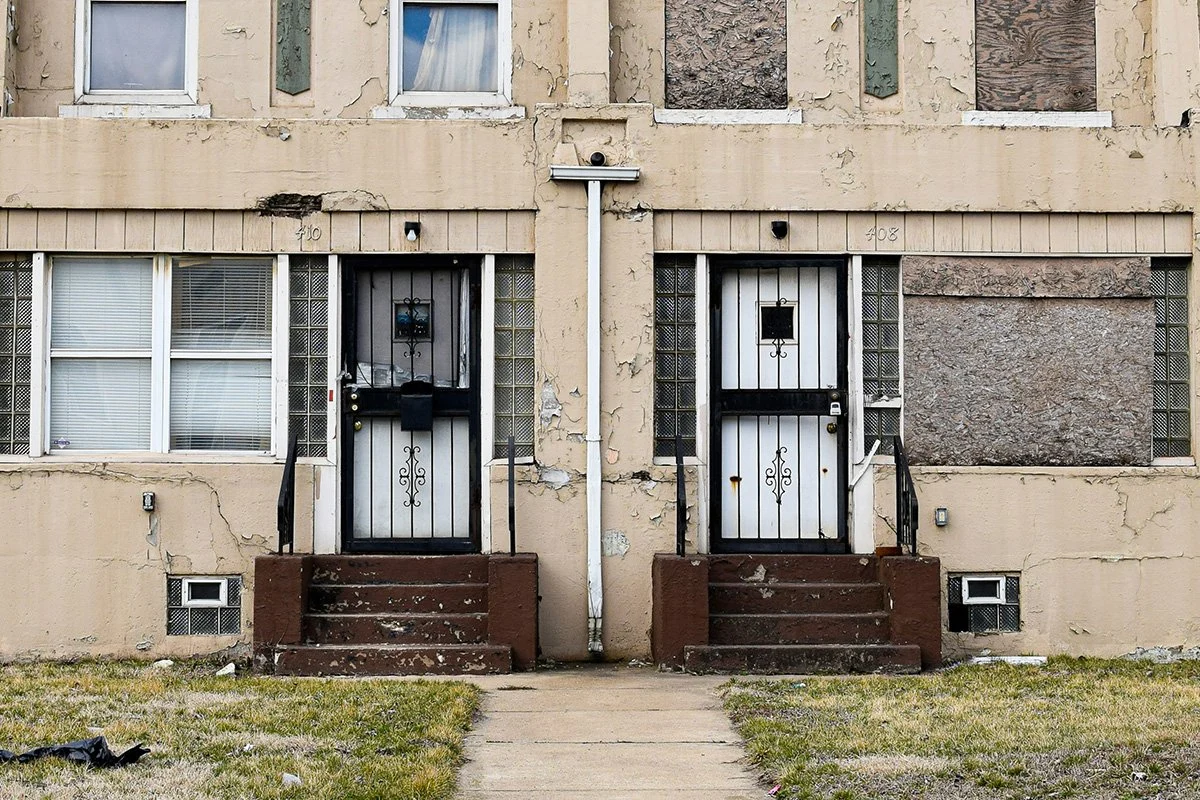
The struggle for safe, habitable housing has reached a critical juncture in Kansas City, Missouri, where the residents of the North Lawn apartments have transitioned from a localized rent strike to a national example of the power—and the limitations—of tenant unions. For over a decade, the residents of this urban complex have navigated a landscape of systemic neglect, characterized by chronic utility failures, structural decay, and a municipal response that has vacillated between emergency intervention and forced displacement. The recent evacuation of the complex in August 2026 marks a pivotal moment in the ongoing tension between tenant rights and property management, highlighting the essential role of collective bargaining in an era of precarious housing stability.
A Decade of Deterioration: The Path to Crisis
The crisis at North Lawn is not a recent development but the culmination of more than ten years of documented infrastructure failure. Since 2013, the complex has been a flashpoint for housing disputes. That year, a major electrical fire disrupted utilities during one of the region’s coldest winter weekends, leaving families without heat or light. Despite these early warnings, the property’s condition continued to decline. By early 2026, the situation had reached a breaking point. Tenants reported a litany of hazards: raw sewage backups in basements, persistent pest infestations, unsecure exterior doors, and a complete lack of hot water.
By the summer of 2026, the failures became life-threatening. As temperatures surged, several units went weeks without electricity or air conditioning. These conditions are not unique to Kansas City; across the United States, aging multi-family housing units are increasingly falling into disrepair as owners defer maintenance and municipal oversight remains reactive rather than proactive. According to data from the National Low Income Housing Coalition, the U.S. faces a shortage of 7.3 million affordable and available rental homes for extremely low-income renters, many of whom are forced to tolerate substandard conditions to avoid homelessness.
The Rise of the North Lawn Tenant Union
Faced with a landlord who failed to address basic habitability requirements, the residents of North Lawn turned to KC Tenants, a prominent housing justice organization known for its aggressive advocacy and organizing tactics. In a move that signaled a shift in power dynamics, the residents formed the North Lawn Tenant Union. The organization achieved a "supermajority" status, with 94 percent of the complex’s tenants affiliating with the union.
The union’s first major action was the launch of a rent strike, a tactic designed to leverage financial pressure against the property owner. In a public statement released via KC Tenants, the union articulated their grievances: "All tenants battle pests, a lack of maintenance, and unsecured exterior doors; many tenants have not had working heat for years." The strike was not merely about withholding funds but was a demand for the fundamental right to a safe home. The high level of participation underscored a growing trend in urban centers where tenants are increasingly viewing themselves as a collective bargaining unit rather than isolated consumers.
Legislative Intervention and the $500,000 Pivot
In July 2026, the Kansas City Council appeared to side with the tenants. The city approved an ordinance directing City Manager Mario Vasquez to intervene. The legislation allocated $500,000 from the city’s Housing Trust Fund—a resource typically reserved for the development of new affordable housing—to cover emergency repairs at the complex. Councilmember Johnathan Duncan, a representative for the 6th Council District and a former community organizer for KC Tenants, championed the move, stating, "This is an emergency repair that needs to happen immediately."
However, the city’s strategy shifted abruptly in August. Upon further inspection, officials determined that the $500,000 allocation was insufficient to address the deep-seated structural issues of the buildings. City Manager Vasquez later estimated that making the complex fully habitable would require an investment of approximately $6 million. Consequently, the city redirected the $500,000 from repairs to relocation assistance and ordered the property’s owner to assume responsibility for the fixes.
On August 21, 2026, the city issued an emergency evacuation order. Residents were forced to leave their homes with little to no notice, a move that many described as traumatic. Police presence during the evacuation added to the tension, as families scrambled to pack their belongings. The displacement transformed the union’s mission from a fight for repairs to a fight for survival and relocation rights.
Negotiating Under Duress: The August Agreement
The displacement of the North Lawn tenants created an immediate humanitarian crisis. Moving costs, security deposits for new apartments, and the loss of perishable food during utility outages placed an immense financial burden on a population already living on the margins. In response, the North Lawn Tenant Union entered into intense negotiations with Kansas City Mayor Quinton Lucas and other city officials.
Within days of the evacuation, the union secured a landmark agreement. The redirected $500,000 from the Housing Trust Fund was used to provide:
- Three months of subsidized rent for all displaced households.
- Coverage for moving costs and security deposits at new residences.
- Access to storage units for personal property.
- Emergency funds for groceries and essential supplies.
Furthermore, the union and KC Tenants coordinated with local service providers to source mattresses and bedding for those entering temporary housing. This rapid response highlighted the organizational capacity of the tenant union; without a collective voice, individual residents likely would have been left to navigate the city’s bureaucratic relocation process alone.
Securing Long-Term Protections with New Ownership
While the immediate relief addressed the shock of displacement, the union also looked toward the future. A new owner acquired the North Lawn complex during the heat of the crisis, providing an opportunity for the union to establish a new set of rules. The North Lawn Tenant Union held a formal bargaining session with the new landlord, resulting in a signed, legally binding agreement.
The provisions of this contract include:
- A Right to Return: Tenants who were displaced have the first right of refusal to move back into the units once repairs are completed.
- Rent Protections: Limits on future rent increases to ensure the units remain affordable for the original residents.
- Repair Schedule: A transparent and enforceable timeline for the major renovations required to bring the building up to code.
- Relocation Support: A commitment from the landlord to provide financial support in the event of any future displacement caused by maintenance or construction.
This agreement represents a significant victory in the realm of housing justice. It moves beyond "charity" and establishes a framework of "rights," ensuring that the landlord is held accountable not just to the city’s building inspectors, but directly to the tenants.
Broader Implications and National Context
The North Lawn case serves as a microcosm of a broader national struggle. Similar events have unfolded in cities like Detroit, where residents of the Leland House were displaced in 2025 following a massive electrical failure. In that instance, tenants were locked out of their homes for months, prompting the Detroit Tenants Union to demand greater accountability from municipal leaders.
These cases raise critical questions about the role of local government in housing oversight. In Kansas City, reports indicate that the city was aware of the deteriorating conditions at North Lawn for years. In 2023, the city had even implemented a temporary rent stabilization program where the city paid a portion of the rent to offset the cost of disrepair. Critics argue that such interventions are "band-aid" solutions that allow negligent landlords to continue operating while the city subsidizes substandard living conditions.
The success of the North Lawn Tenant Union suggests that collective action is one of the few effective tools available to low-income renters. By organizing, tenants were able to:
- Force the city to allocate emergency funds.
- Negotiate directly with the Mayor’s office.
- Secure legal protections from a new property owner.
However, the human cost remains high. Displacement, even when subsidized, disrupts education, employment, and community ties. The $6 million price tag for repairs at North Lawn underscores the massive "habitability gap" facing many American cities—a gap that private markets are often unwilling to bridge and that public funds are insufficient to cover.
Conclusion: The Future of Tenant Power
The North Lawn Tenant Union’s victory is a testament to the power of solidarity in the face of systemic failure. While the residents have secured a path toward stability, the long-term success of the agreement depends on rigorous implementation and continued oversight. For the broader housing justice movement, the lesson is clear: meaningful change requires more than just reactive policy; it requires the organized power of the people living within the walls.
As Kansas City looks toward the future of its housing policy, the North Lawn experience will likely inform new ordinances regarding tenant rights and the use of the Housing Trust Fund. The challenge for urban centers nationwide will be to intervene before a building becomes unhabitable, ensuring that the right to a safe home is a reality rather than a luxury. For now, the tenants of North Lawn have proven that while they may have lost their immediate shelter, they have gained a seat at the table where their futures are decided.