Nila Kartika Wati
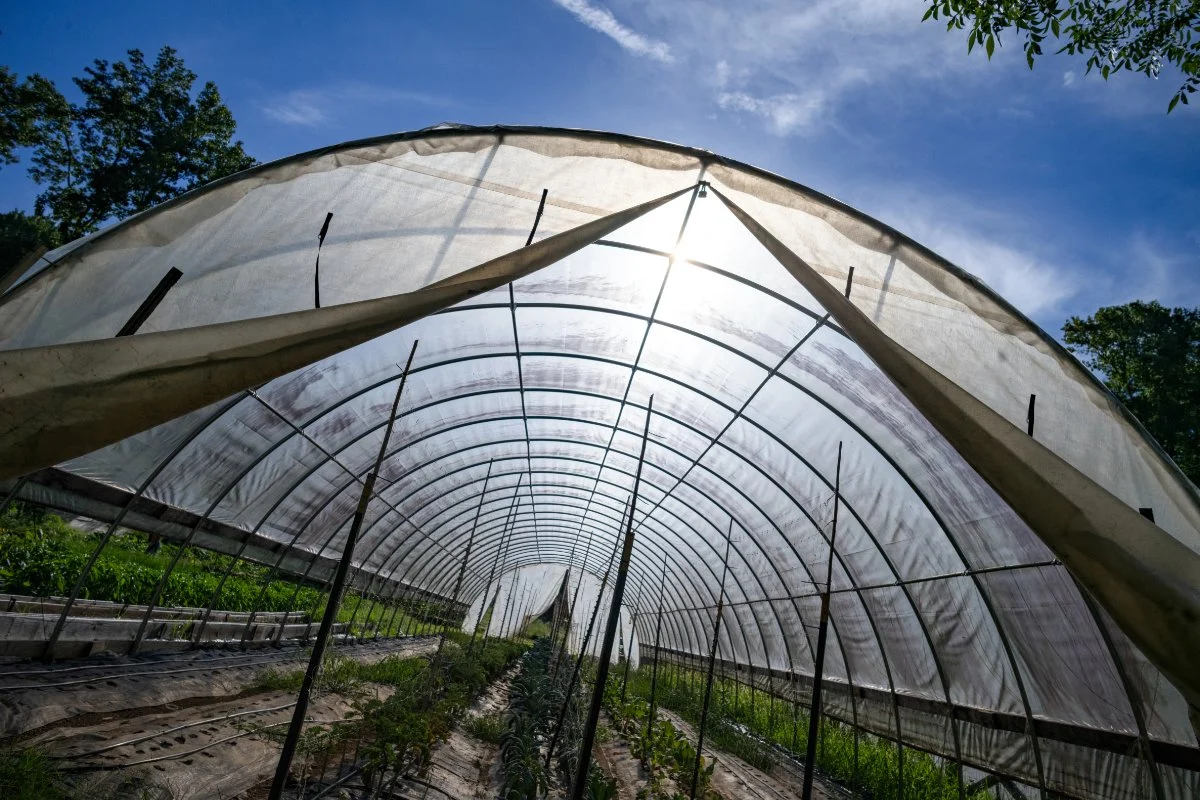
The landscape of urban agriculture in the United States is undergoing a profound shift, driven by a new generation of growers who view the cultivation of land not merely as a hobby, but as a critical intervention in public health, social justice, and economic sovereignty. In Southwest Atlanta, Jamila Norman has emerged as a central figure in this movement, transforming an initial frustration with local food quality into Patchwork City Farms, a thriving 1.2-acre organic operation that challenges the systemic neglect of marginalized communities. Norman’s journey from a concerned resident to a full-time urban farmer highlights the broader complexities of the American food system, particularly the intersection of land access, racial equity, and the sustainability of small-scale agriculture in an era dominated by industrial conglomerates.
The Catalyst: Addressing Food Inequity in Southwest Atlanta
The genesis of Patchwork City Farms was rooted in a stark geographical reality. Upon moving to Southwest Atlanta to raise her family, Norman encountered a neighborhood that, while rich in culture and community, was severely underserved by the retail food industry. The options available to residents were largely limited to processed goods and low-quality produce, a phenomenon often described by researchers as a "food desert." Norman’s personal experience of having to travel across the city to access fresh, organic ingredients served as the primary motivation for her transition into agriculture.

According to data from the U.S. Department of Agriculture (USDA), a food desert is defined as a low-income census tract where a substantial number or share of residents has low access to a supermarket or large grocery store. In urban areas, this typically means living more than one mile from a reliable source of fresh food. In Atlanta, these disparities often fall along racial and economic lines, with the southern and western portions of the city experiencing significantly higher rates of food insecurity than the more affluent northern districts. Norman’s response was a grassroots initiative: the establishment of a community garden at a local park just two blocks from her home, which laid the foundation for what would eventually become a commercial enterprise.
Chronology of Patchwork City Farms: From Community Garden to Commercial Acreage
The transition from community gardening to professional farming followed a strategic timeline of acquisition and expansion. In 2010, Norman and her partners incorporated Patchwork City Farms as a formal business. This move was precipitated by the opportunity to take over a lease from a dissolving nonprofit that had established a garden at a local middle school. This initial foothold allowed Norman to refine her agricultural techniques and build a customer base within the community.
However, the long-term viability of the farm required land ownership—a significant hurdle for urban farmers in rapidly developing cities. In 2016, Norman identified a 1.2-acre plot for sale in Atlanta through a standard digital search. At the time, the land was priced significantly below its potential market value, reflecting a lack of awareness among traditional real estate investors regarding the burgeoning value of urban agricultural space.

To secure the property, Norman utilized a combination of personal savings, tax refunds, and a small loan from a peer. This acquisition was a pivotal moment, providing the security of tenure necessary to invest in long-term soil health and infrastructure. By 2017, Norman transitioned to full-time farming, marking the beginning of Patchwork City Farms as a permanent fixture in the Southwest Atlanta ecosystem.
Deconstructing the "Food Desert" Narrative: A Case for Food Sovereignty
While the term "food desert" is widely used in policy circles, Norman and other agricultural activists often critique the term for its passivity. Critics argue that "food desert" implies a natural phenomenon, whereas the lack of fresh food in Black and Brown neighborhoods is often the result of "food apartheid"—a systemic lack of investment and the intentional withdrawal of retail services.
Norman’s work emphasizes that while major retailers may choose not to service Southwest Atlanta, the community itself is not a passive victim of these circumstances. The success of Patchwork City Farms demonstrates a move toward food sovereignty, which the United States Food Sovereignty Alliance defines as the right of peoples to healthy and culturally appropriate food produced through ecologically sound and sustainable methods. By growing food within the community for the community, Norman bypasses the traditional retail gatekeepers that have historically failed the neighborhood.

The Historical Context of Black Agrarianism and Resilience
Norman’s efforts are situated within a long history of Black farming in the American Southeast, a history characterized by both immense contribution and systemic disenfranchisement. At the turn of the 20th century, Black farmers owned approximately 14 million acres of land in the United States. However, throughout the 1900s, a combination of discriminatory lending practices by the USDA, legal loopholes, and racial violence led to the loss of over 90 percent of that land.
Today, Black farmers account for less than 2 percent of all farmers in the United States, according to the 2017 Census of Agriculture. Norman remains active in organizations dedicated to uplifting Black farmers in the Southeast, focusing on a narrative of resilience rather than just struggle. This involves highlighting the "ingenuity and survival" of Black agriculturalists who continued to farm despite being excluded from federal subsidies and credit programs. The modern urban farming movement in Atlanta serves as a contemporary chapter in this ongoing story of land reclamation and self-sufficiency.
Small-Scale Agriculture vs. The Industrial Commodity Complex
A central theme of Norman’s philosophy is the distinction between small-scale landholders and "Big Ag." While industrial agriculture focuses on the mass production of commodities—such as corn, soy, and wheat, which are often destined for animal feed, biofuels, or processed food additives—small farms are the primary producers of diverse, nutrient-dense specialty crops for human consumption.

Global data supports this distinction. Reports from the Food and Agriculture Organization (FAO) of the United Nations indicate that smallholders and family farms produce about 80 percent of the world’s food in value terms. Norman argues that the diversity of the global food supply is dependent on these individual farmers. If the agricultural system is left entirely to industrial corporations, the variety of available crops will likely plummet, as Big Ag prioritizes high-yield, monoculture crops that are easier to harvest mechanically and transport over long distances.
The Viability Crisis: Moving Beyond Luck
Despite the success of Patchwork City Farms, Norman cautions that the future of small-scale farming cannot depend on individual "luck" or the rare convergence of low land prices and personal windfalls. The agricultural sector is currently facing a generational crisis; as the average age of the American farmer nears 60, thousands of farms are lost every year to retirement or foreclosure without a clear pipeline of successors.
To ensure the viability of the next generation of farmers, analysts and policymakers suggest several critical interventions:

- Land Access Reform: Implementing policies that protect urban agricultural land from being rezoned for high-end residential or commercial development.
- Infrastructure Investment: Providing small farmers with access to shared processing facilities, cold storage, and distribution networks that are typically only available to large-scale operations.
- Credit and Grant Accessibility: Streamlining the process for small-scale and urban farmers to access USDA programs, which have historically been tailored toward large rural acreage.
- Climate Resilience Support: Recognizing the role of urban farms in mitigating the "urban heat island" effect and managing stormwater, potentially through carbon credits or environmental subsidies.
Broader Implications and the Path Forward
The story of Jamila Norman and Patchwork City Farms is a microcosm of a larger national debate regarding the future of the American food system. As the country approaches its 250th anniversary, the question of "What does America look like right now?" is increasingly answered by those returning to the soil to solve modern crises.
Norman’s work suggests that a resilient future requires a fundamental shift in how society values the labor of those who grow, harvest, and package food. It requires a recognition that food security is a pillar of national security and that the disappearance of the small farmer poses a direct threat to public health and biodiversity.
In Atlanta, the success of Patchwork City Farms has inspired a wave of interest in urban agriculture. However, for this interest to translate into a sustainable industry, the systemic barriers that Norman navigated through sheer persistence must be dismantled. The goal, as Norman posits, is to make the profession of farming not just a labor of love or a radical act of resistance, but a viable, stable, and respected career path for those who wish to nourish their communities from the ground up. By fostering an environment where small farms can thrive, cities like Atlanta can move away from the "trash" food options of the past and toward a future defined by health, equity, and local abundance.