Layla Zulfa
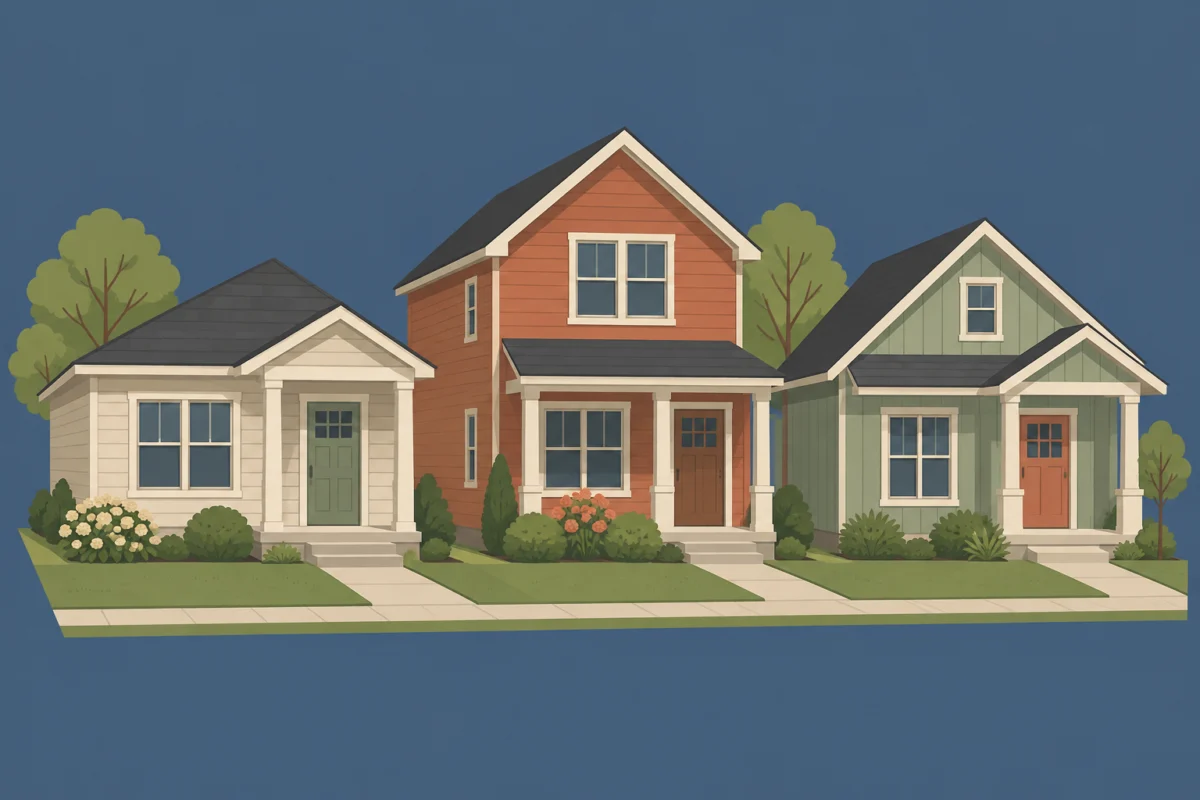
The persistent opposition to affordable housing projects, often characterized by neighborhood residents raising concerns about preserving "character" and fearing negative impacts, has prompted a significant rebranding effort by Georgia’s homebuilding and land development industries. In a strategic move to shift public perception and facilitate development, the Georgia Residential Land Development Council (GRLDC) and the Home Builders Association of Georgia (HBAG) have introduced the term "essential homes," coupled with the compelling tagline, "Homes for the people who keep Georgia working." This initiative aims to reframe the conversation around housing affordability, moving beyond the often-stigmatized label of "affordable housing" or even "workforce housing" to highlight the critical need for housing that aligns with the income of essential workers.
The impetus for this rebranding stems from a widespread recognition that traditional terminology has become a barrier to progress. When affordable housing projects are proposed, local planning commissions frequently face vocal opposition, with arguments frequently centering on perceived threats to neighborhood aesthetics and established community identity. Even the term "workforce housing," intended to be more palatable, has not consistently overcome these hurdles. The organizations behind the "essential homes" campaign argue that the very concept of housing affordability is often misunderstood or intentionally misrepresented, leading to unproductive debates that fail to address the core issue: the inability of many vital members of the community to afford to live where they work.
Jay Knight, chairman of the GRLDC, articulated this frustration, stating, "It’s a reality nationally that the buying power of the average American is not considered in land use and zoning policies. ‘Essential homes for essential people’ intends to move the conversation from sticks and bricks allowed to the important people being prohibited." This sentiment underscores the campaign’s focus on the human element of the housing crisis, emphasizing that current policies often inadvertently exclude the very individuals whose labor is indispensable to the functioning of communities.
The definition of "essential homes" is deliberately broad, eschewing specific size or price points. Instead, it poses a fundamental question: can the people who work within a community afford to reside there? This inclusive definition encompasses a wide array of professions critical to daily life, including teachers, firefighters, nurses, first responders, healthcare workers, and skilled tradespeople. It also extends to younger generations aspiring to achieve homeownership for the first time. Austin Hackney, executive vice president of HBAG, elaborated on this human-centric approach, noting that "the term puts a human face on the affordability debate." He further highlighted the ripple effects of housing unaffordability, explaining that when workers cannot find housing within their financial reach, the consequences extend to employers, educational institutions, and local businesses, impacting the overall economic vitality and social fabric of a region.
Beyond the rebranding, the initiative is intrinsically linked to a concerted policy advocacy push. The GRLDC and HBAG contend that a multitude of factors within the development process significantly inflate home prices. These include restrictive zoning regulations, protracted permit review periods, burdensome infrastructure requirements, and delays in final plat approvals. These impediments, they argue, add substantial costs that are ultimately passed on to the consumer, exacerbating the affordability crisis.
The GRLDC has been actively involved in legislative efforts to streamline these processes. A notable achievement was their support for Senate Bill 447, which took effect on July 1st. This legislation establishes defined timelines and accountability measures for land disturbance permit reviews within Georgia, aiming to reduce delays and associated costs. The council’s subsequent legislative target is reform of the final plat and bond approval processes. Their objective is to secure reasonable approval timelines, standardize bonding requirements, and eliminate the delays that hinder the progress of completed developments from reaching the market. This policy-oriented approach reflects a dual strategy: changing the narrative around affordable housing while simultaneously addressing the systemic issues that contribute to its scarcity and high cost.
Understanding the Nuances of Housing Affordability Definitions
The term "essential homes" emerges within a landscape where existing definitions of affordable housing and workforce housing, while providing frameworks, often fall short of addressing the current challenges. The U.S. Department of Housing and Urban Development (HUD) generally defines housing as affordable when occupants dedicate no more than 30% of their gross income to housing costs. Various programs introduce additional definitions, frequently tethered to Area Median Income (AMI). Typically, affordable housing targets households earning 60% of AMI or less, while workforce housing is understood to encompass a broader range, typically from 60% to 120% of AMI.
However, the classification of "workforce housing" itself lacks a precise definition in federal law or regulation, according to a March 2023 analysis by the Congressional Research Service. This ambiguity has allowed the term to be used as a euphemism for affordable housing developments, often without a clear understanding of the specific income levels or housing needs being addressed. This lack of clarity can contribute to public confusion and make it easier for opponents to attach negative connotations to such projects.
The resistance to affordable housing developments is multifaceted. While concerns about "neighborhood character" are frequently voiced, research suggests that underlying anxieties may also stem from fears related to the socioeconomic status of potential new residents. Property values are another common concern, though studies, such as those cited by the Florida Housing Coalition, indicate minimal negative impact on neighboring market-rate homes when affordable housing is developed responsibly.
Jay Knight’s personal experience highlights the profound disconnect in public understanding. During a speaking engagement, he posed a simple question: "Define affordable housing." The responses varied dramatically, ranging from "Section 8" to "anything under $400,000" to "rent control." This anecdote vividly illustrated the lack of a shared understanding, rendering constructive dialogue nearly impossible. It was during this period that a business partner suggested the term "essential homes," a concept that immediately resonated with Knight and his colleagues. Unlike established terms like "affordable homes," "starter homes," "first-time buyer," or "workforce housing," which carry pre-existing, often contested, definitions, "essential homes" encourages inquiry and allows the proponents to shape the definition themselves, fostering a more productive conversation.
Establishing a Benchmark: The Municipal Employee Standard
A core tenet of the "essential homes" rationale is the concept of using municipal employees as a benchmark for housing affordability. The logic is straightforward: if local governments are responsible for enacting land use and zoning policies, these policies should at least accommodate the housing needs of their own workforce. Knight points out that the average municipal employee in Georgia earns between $60,000 and $62,000 annually. Based on standard affordability metrics, such an income level typically supports a home priced around $225,000.
In today’s market, this price point in most U.S. locales would likely afford a modest dwelling of approximately 1,100 square feet on a compact detached lot, potentially without a garage or a homeowners association. This price-to-income ratio, roughly three and a half times annual income, is comparable to the financial burden borne by GIs returning from World War II in the late 1940s and 1950s, a period when homeownership was broadly accessible.
Knight argues that current zoning conditions have significantly inflated this ratio, pushing home prices to unsustainable levels relative to income. High-cost regions such as California, New York, and Florida serve as prime examples. In Silicon Valley, for instance, the median home price is an astounding 11.4 times the median household income, according to the Harvard University Joint Center for Housing Studies’ annual "State of the Nation’s Housing" report. The Miami metro area exhibits a similar disparity, with a ratio of 7.6.
This widening gap between income and housing costs is a primary driver behind the increasing age of first-time homebuyers, which has reached an all-time high of 40 years, as reported by the National Association of Realtors. Such profound affordability challenges have prompted states like California and Florida to become leaders in implementing housing reforms aimed at alleviating these pressures.
The "essential homes" campaign in Georgia plans to personify this concept by featuring relatable images of professions such as police officers, teachers, nurses, and forklift operators. These visuals are intended to represent the types of workers that municipalities actively seek to attract and retain for their economic and social well-being. By connecting housing affordability directly to the lives of these essential individuals, the campaign aims to build empathy and foster a sense of shared responsibility.
Knight has also initiated discussions about the "essential homes" concept with national homebuilding organizations. He has shared the term with the executive director of the Houston Home Builders Association, and Houston is now reportedly considering its adoption. This suggests that the challenges and the proposed solutions are resonating with builders across the nation, who are grappling with similar conversations about how to effectively advocate for and develop housing that meets the needs of a diverse workforce.
The underlying question posed by Knight encapsulates the campaign’s core message: "Who can be against essential housing?" By framing the issue in terms of the indispensable individuals who form the backbone of communities, the "essential homes" initiative seeks to transcend the divisive rhetoric often associated with affordable housing and foster a more unified, solutions-oriented approach to addressing the critical need for accessible and attainable housing for all working Georgians. The campaign’s success will likely depend on its ability to not only redefine the terminology but also to mobilize public and political will to enact the necessary policy changes that support the development of these vital homes.