Julia Chirkova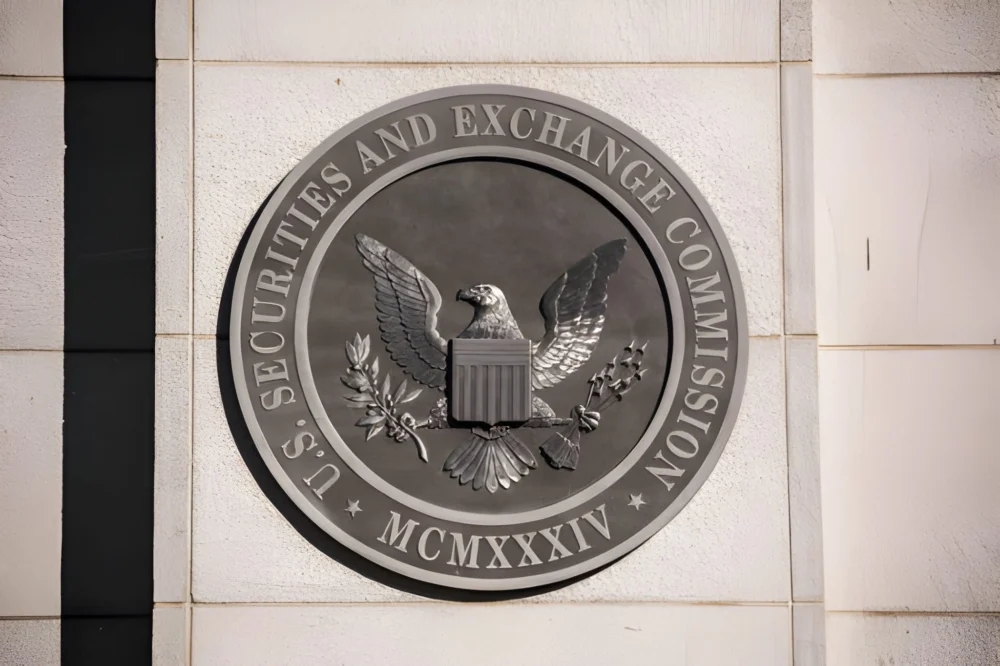
Accounting and auditing enforcement activity experienced a substantial downturn in 2025 across both the Securities and Exchange Commission (SEC) and the Public Company Accounting Oversight Board (PCAOB), according to two comprehensive reports released by Cornerstone Research. The findings indicate a marked reduction in regulatory actions initiated by these key oversight bodies, a trend that coincides with significant leadership changes at both agencies.
SEC Accounting and Auditing Enforcement Activity in 2025
The SEC, the primary regulator for securities markets in the United States, brought a staggering 68% fewer accounting and auditing enforcement actions in 2025 compared to the preceding year. This dramatic decrease marks the lowest level of such enforcement activity in nine years. During 2025, the SEC initiated only 10 such actions, a sharp contrast to the 31 actions recorded in 2024.
This reduction stands out even when compared to the initial years of previous SEC chairs. For instance, under Jay Clayton, who was sworn in as SEC chief on May 4, 2017, the agency initiated 17 actions in its first year. Similarly, Gary Gensler, who assumed the role on April 17, 2021, saw the SEC commence 30 actions in his initial year. The data suggests that the decline under the current administration’s leadership is more pronounced than typical shifts observed during leadership changes.
PCAOB Enforcement Activity in 2025
The PCAOB, an independent non-profit corporation established by Congress to oversee the audits of public companies and to protect investors, also witnessed a significant decrease in its enforcement output. The board finalized 27% fewer actions in 2025 compared to 2024, bringing the total to 37 finalized actions, down from 51 in the previous year. This figure represents the lowest number of PCAOB enforcement actions since 2021.
Timeline of Leadership Changes and Their Potential Impact
The sharp declines in enforcement activity at both the SEC and the PCAOB occurred during a year characterized by pivotal leadership transitions. Understanding this chronology is crucial to contextualizing the reported trends.
At the SEC, Paul Atkins assumed the chairmanship on April 15, 2025, following the resignation of Gary Gensler. Atkins, a former SEC commissioner from 2002 to 2008, was appointed by the Trump administration. His tenure began with expectations of a regulatory recalibration, aligning with the administration’s broader agenda to reduce regulatory burdens and streamline government agency operations. The Cornerstone Research report highlights that the decrease in SEC enforcement was not merely a statistical anomaly but a noticeable shift from the aggressive stance often attributed to the prior administration.
The PCAOB also experienced a change in leadership. Erica Williams, who had adopted a more assertive enforcement approach during her tenure, stepped down from her role as PCAOB chair in July 2025. Her departure followed a request from Chairman Atkins. Williams’s leadership was marked by a more robust enforcement strategy, including the implementation of "sweeps" – a method to gather information on potential auditing violations from multiple accounting firms simultaneously. She also focused on updating auditing standards and enhancing the transparency of inspection reports for investors. Under her leadership, the PCAOB had imposed record fines on audit firms, though this approach had also drawn criticism from some in the accounting profession who felt the board was overly focused on minor infractions.
Following Williams’s departure, PCAOB board member George Botic served as interim chair. The permanent leadership transition at the PCAOB concluded on February 10, 2026, with the swearing-in of Demetrios "Jim" Logothetis as the new chairman. Logothetis brings extensive experience to the role, having spent 40 years at Ernst & Young, retiring as an audit partner in 2019.
Analysis of Enforcement Trends and Data
The Cornerstone Research reports provide detailed insights into the nature and scope of the enforcement declines. For the SEC, the report on accounting and auditing enforcement activity in 2025 noted a specific decrease in the number of actions filed. While the provided text did not detail specific categories of enforcement actions within the SEC’s 10 total, the broader trend clearly indicates a significant reduction in the agency’s pursuit of accounting and auditing violations. This implies a potential shift in enforcement priorities or a more cautious approach to initiating new cases.
The PCAOB’s data reveals a similar pattern. The 37 finalized enforcement actions in 2025 represent a 27% decrease from 2024. This reduction affects the number of audits reviewed and the disciplinary measures taken against registered public accounting firms. The report co-authored by Russell Molter, a principal at Cornerstone Research, explicitly states, "Consistent with SEC trends, PCAOB enforcement activity declined under the new chair."
A significant finding highlighted by Molter concerns the monetary penalties imposed by the PCAOB. He noted, "Interestingly, penalties imposed under chair Williams accounted for 75% of all monetary penalties imposed by the PCAOB throughout its 23-year history." This statistic underscores the intensity of enforcement actions under Williams’s leadership, making the subsequent decline in finalized actions and presumably penalties a stark contrast. It suggests that while the number of finalized actions decreased, the historical impact of penalties under the previous chair was exceptionally high, possibly reflecting a focus on a few high-profile or particularly egregious cases.
Implications for the Accounting Profession and Market Oversight
The substantial decrease in accounting and auditing enforcement activity by both the SEC and the PCAOB has several potential implications for the accounting profession and the broader financial markets.

Firstly, a reduction in enforcement can signal a shift in regulatory focus. While some may view this as a positive development, potentially reducing compliance burdens for accounting firms, others may express concerns about diminished oversight. The accounting profession relies on robust oversight to maintain public trust and ensure the integrity of financial reporting. A perceived relaxation of enforcement could, in the long term, lead to a decrease in compliance rigor if not accompanied by other proactive measures.
Secondly, the timing of these declines, coinciding with leadership transitions, suggests that agency policy and approach are heavily influenced by those at the helm. The shift from a more aggressive enforcement posture under Gensler at the SEC and Williams at the PCAOB to a potentially more tempered approach under Atkins and Logothetis indicates that the regulatory landscape is dynamic and subject to the priorities of the current administration.
Thirdly, the stark reduction in SEC actions, particularly the 68% drop, could lead to questions about the effectiveness of market discipline. The SEC’s enforcement actions serve as a deterrent against fraudulent or negligent accounting practices. A significant decrease in these actions might be interpreted by some market participants as a reduced risk of penalties, potentially influencing their behavior.
Furthermore, the PCAOB’s role in ensuring audit quality is paramount for investor confidence. While the number of finalized actions has decreased, the impact of past penalties under Chair Williams, representing 75% of all historical penalties, indicates a period of significant accountability. The new leadership will face the challenge of balancing effective oversight with the administration’s broader goals.
Industry Reactions and Expert Analysis
While the provided text does not include direct quotes from industry bodies or accounting firms regarding these specific declines, the historical context suggests a range of potential reactions. Accounting firms, often under scrutiny from regulators, may welcome a less aggressive enforcement environment, allowing them to redirect resources towards client services and internal improvements. However, they also benefit from clear regulatory guidelines and consistent enforcement to ensure a level playing field.
Experts in securities law and accounting regulation often emphasize the importance of a balanced approach. A complete absence of enforcement can lead to complacency, while overly aggressive tactics can stifle innovation and create an environment of excessive caution. The current data points towards a significant shift towards the former, prompting careful observation of future trends and the establishment of new priorities by the respective agencies.
The Cornerstone Research reports serve as critical data points for understanding the evolving regulatory environment. Their analysis provides an objective measure of enforcement activity, allowing stakeholders to assess the direction of regulatory oversight. The significant drops in both SEC and PCAOB enforcement actions in 2025 warrant continued attention as the new leadership at both agencies solidifies its strategies and priorities. The long-term implications for market integrity, investor protection, and the accounting profession will unfold in the coming years, influenced by the effectiveness of the revised regulatory approaches.