Julia Chirkova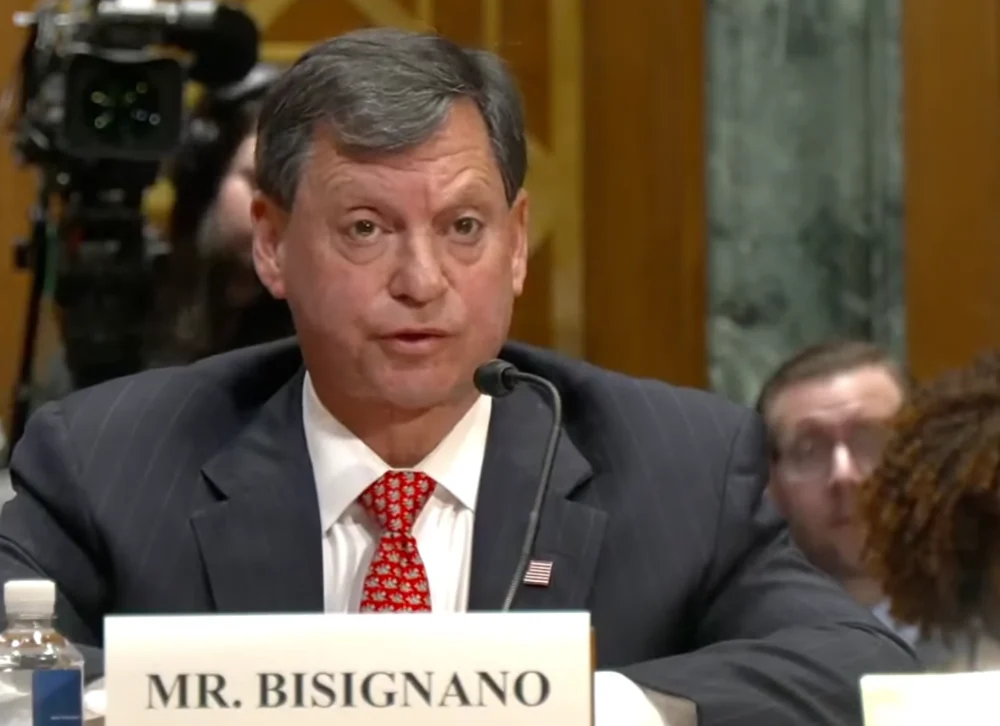
WASHINGTON – House Ways and Means Democrats intensified their scrutiny of IRS and Social Security Administration (SSA) leadership during a nearly five-hour hearing Wednesday, focusing on critical data access concerns within both agencies and the recent federal ruling that found the IRS violated the law in disclosing taxpayer information. The session marked the first Capitol Hill testimony for Frank Bisignano since assuming the newly created role of IRS CEO, a position he holds concurrently with his confirmed role as Commissioner of the Social Security Administration.
The hearing, held on March 4, 2026, saw Democrats repeatedly reference a significant ruling from U.S. District Judge Colleen Kollar-Kotelly of the District of Columbia. The judge found the IRS had broken the law an estimated 42,695 times by improperly disclosing and sharing taxpayer addresses with Immigration and Customs Enforcement (ICE). The case stemmed from an ICE request made in the summer of 2025 for 1.28 million taxpayer records under a memorandum of understanding. While the IRS’s appeal of the legality of this disclosure is ongoing, the ruling cast a long shadow over Bisignano’s testimony.
"I just ask that you ask yourself, why should Americans trust an agency that broke the law tens of thousands of times?" stated Rep. Mike Thompson of California, the ranking Democrat on the Ways and Means Tax Policy Subcommittee. His sentiment underscored the Democratic caucus’s prevailing concern: the integrity of taxpayer data and the IRS’s commitment to safeguarding sensitive financial information.
Bisignano, in his responses, repeatedly declined to provide specific details regarding the ICE disclosure case, citing the ongoing litigation. When pressed on whether any IRS employees faced disciplinary action or termination as a result of these improper disclosures, Bisignano confirmed that no such actions were taken. This revelation further fueled Democratic frustration, with some members questioning the accountability measures in place within the agency.
In contrast, Republicans on the committee largely steered the conversation towards the implementation and perceived successes of their comprehensive 2025 budget reconciliation law. Chairman Jason Smith, R-Mo., highlighted the law’s extension of the 2017 tax cuts and the introduction of new tax incentives, such as the elimination of taxes on tips. "The IRS is where the rubber meets the road for delivering this tax relief," Smith declared in his opening statement. "It is vital that the IRS must deliver timely refunds."
This emphasis on tax relief and efficient refund processing comes at a critical juncture, just over a month into the 2026 tax filing season. The current filing period is unfolding amidst ongoing efforts to streamline IRS operations and, paradoxically, a reported reduction in the IRS workforce, a trend that began during the Trump administration and continues to be a point of contention.

Bisignano, who was appointed IRS CEO by Treasury Secretary Scott Bessent in October 2025, making him the first to hold this executive title at the agency, also serves as the confirmed Commissioner of the Social Security Administration. His dual leadership roles, particularly the creation of the IRS CEO position, have been a subject of discussion, with proponents arguing it brings business-oriented efficiency to the tax agency, while critics express concerns about potential conflicts of interest and the blurring of lines between tax administration and social insurance programs.
The hearing also touched upon a separate data breach incident at the Social Security Administration in January 2026. Democrats raised concerns about reports that members of Elon Musk’s "Department of Government Efficiency" team, who were working with the SSA, allegedly improperly shared sensitive American data with a political advocacy group. Bisignano, however, deferred answering questions on this matter, stating that the hearing’s agenda was focused specifically on IRS operations. This deflection, while understandable from a procedural standpoint, did little to assuage Democratic concerns about the broader data security landscape across both agencies under his purview.
Tax Refunds and Technological Advancements Take Center Stage
Shifting focus, Republicans highlighted recent technological initiatives aimed at improving the taxpayer experience and presented IRS data indicating an increase in average individual tax refunds for the 2026 filing season. As of February 20, 2026, the average tax refund had risen by 10.2 percent compared to the same period in the previous year, reaching an average of $3,804, up from $3,453.
Bisignano attributed these positive trends to ongoing tax policy changes and agency reform efforts. "It’s nine days on average for that refund to get to the taxpayer," he stated, referring to the expedited refund process. "So I think what you’re finding is bigger refunds, quicker refunds and an easier IRS to operate through." This assertion painted a picture of an IRS that is not only delivering more financial relief but doing so with greater speed and efficiency, a narrative strongly supported by the refund data presented.
However, not all lawmakers were satisfied with Bisignano’s testimony. Rep. Max Miller of Ohio expressed significant dissatisfaction after his questioning regarding further IRS guidance on digital asset taxation. Upon receiving an offer for a follow-up discussion on the complex topic, Miller voiced his frustration, stating that Bisignano’s inability to "answer the questions directly" was "really upsetting." He further criticized the preparation of Bisignano and his team, stating, "You guys on his team, you need to do a better job of educating the IRS commissioner about the questions that he’s coming here to answer. I mean, I’m very embarrassed right now from my side," deeming the responses "unacceptable." This exchange underscored a potential disconnect between the legislative oversight demands and the administration’s readiness to provide immediate, comprehensive answers on emerging tax policy areas.
Data Breach Fallout and the IRS’s Public Trust Challenge
The repeated references to the IRS’s breach of taxpayer confidentiality with ICE have significant implications for public trust. The ruling by Judge Kollar-Kotelly, which detailed the scale of the violations—approximately 42,695 instances—has amplified concerns about the IRS’s ability to protect sensitive personal and financial information. This erosion of trust can have downstream effects, potentially impacting voluntary compliance with tax laws, a cornerstone of the U.S. tax system.
The fact that no IRS employees were fired or disciplined, as confirmed by Bisignano, is likely to be a focal point for critics who argue that a stronger accountability framework is necessary to deter future violations and reassure the public. The ongoing appeal of the judicial ruling means the legal battle is not yet concluded, but the initial judgment has already established a precedent that raises serious questions about internal controls and data handling protocols at the agency.

The Dual Role: IRS CEO and Social Security Commissioner
Bisignano’s unique position as the head of two critical federal agencies presents a complex management challenge. While the hearing was primarily focused on the IRS, the mention of the Social Security Administration data incident highlights the potential for overlap and the need for rigorous data security protocols across both domains. The creation of the IRS CEO role itself, a non-traditional title for a tax agency head, suggests a strategic effort to inject private sector management principles into federal bureaucracy. However, as evidenced by the day’s proceedings, this approach must be balanced with the unique regulatory and public trust responsibilities inherent in government service.
Looking Ahead: Rebuilding Trust and Ensuring Compliance
The testimony before the House Ways and Means Committee serves as a critical moment for the IRS and its leadership. For Democrats, the focus remains on ensuring robust data protection, accountability for any breaches, and transparency in agency operations. Their questioning aimed to elicit commitments to strengthen safeguards and rebuild public confidence, particularly in light of the substantial legal findings against the agency.
Republicans, meanwhile, appear more inclined to focus on the IRS’s role in facilitating tax relief and economic growth, as outlined in their legislative agenda. The increase in average refunds provides a tangible metric of success that aligns with their policy objectives. However, even within the Republican caucus, there are clear expectations for direct and informed responses from agency leadership on critical policy matters, as demonstrated by Rep. Miller’s candid critique.
Ultimately, the effectiveness of the IRS, and by extension the Social Security Administration, hinges on public trust. Bisignano’s leadership will be tested by his ability to navigate these complex challenges, address the concerns raised by lawmakers from both parties, and implement reforms that ensure the security of sensitive data and the efficient delivery of essential government services. The coming months will likely see continued oversight and public scrutiny as the agencies work to uphold their mandates and restore faith in their data stewardship.
Photo caption: IRS CEO Frank Bisignano answers a question during a House Ways and Means Committee hearing on March 4, 2026. (YouTube)
©2026 CQ-Roll Call Inc. All Rights Reserved. Visit cqrollcall.com. Distributed by Tribune Content Agency LLC.