Pevita Pearce
Small businesses across the United States are demonstrating a remarkable embrace of Artificial Intelligence (AI), with a significant majority already reporting positive impacts and increased efficiencies. However, a comprehensive new survey from Goldman Sachs 10,000 Small Businesses Voices reveals that while adoption is widespread, most businesses are still in the nascent stages of integrating AI, underscoring a critical need for enhanced support to fully harness its transformative potential.
The survey, which polled a diverse group of small business owners nationwide, found that an overwhelming 76% of these enterprises are currently utilizing AI technologies. Among those employing AI, the sentiment is overwhelmingly positive, with 93% of users reporting a beneficial impact on their operations. The primary driver behind this positive reception is a substantial boost in efficiency and productivity, cited by a robust 84% of respondents. This indicates that AI is not merely a nascent trend but a tangible tool already contributing to the operational agility of America’s small business sector.
Looking toward the future, small business owners express considerable optimism regarding AI’s role in their continued growth. A substantial 67% anticipate that AI will contribute to increased revenue, signaling a strategic view of AI as an engine for financial expansion. Furthermore, the perception of AI as a collaborative tool, rather than a replacement for human workers, is strong. A compelling 87% of respondents believe that AI augments their existing workforce, suggesting a harmonious integration where technology enhances human capabilities rather than displacing them. This perspective is crucial as businesses navigate the evolving landscape of work and automation.
The Adoption Gap: From Early Use to Deep Integration
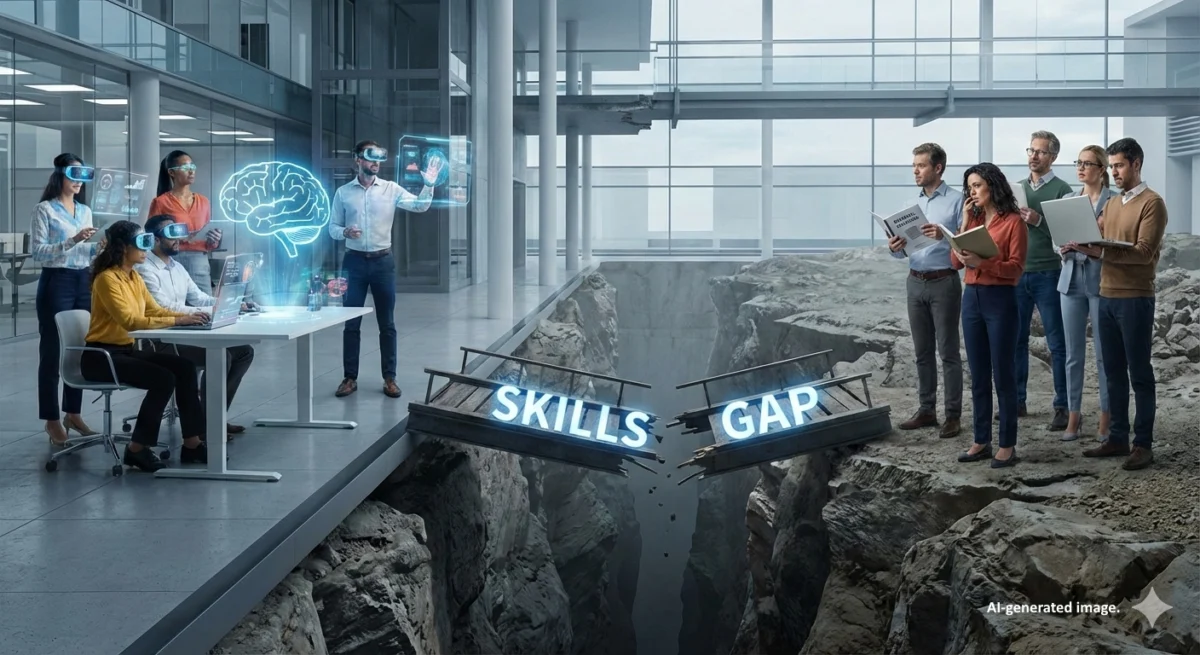
Despite the widespread adoption and positive early outcomes, a significant chasm exists between the initial implementation of AI and its full, seamless integration into core business operations. The survey data reveals that only a modest 14% of small businesses report that AI is fully embedded within their fundamental operational frameworks. This suggests that while many businesses are experimenting with and benefiting from AI in specific functions, achieving a comprehensive, strategic deployment remains a significant hurdle.
Khari Parker, co-founder of Connie’s Chicken and Waffles in Baltimore, articulated this sentiment, stating, "AI is already helping small businesses compete, save time, and better serve customers – but many of us are still figuring out how to use it effectively. With the right guidance and training, AI can be transformational for Main Street." His statement encapsulates the common experience of small business owners who recognize the power of AI but require more structured pathways to unlock its full value.
Identifying the Roadblocks to Deeper AI Integration
Several key barriers are hindering small businesses from achieving deeper AI integration. A prominent challenge cited is the lack of readily available technical expertise. Many small business owners and their teams may not possess the specialized knowledge required to select, implement, and manage sophisticated AI tools effectively. This is compounded by the difficulty many face in discerning which AI solutions are best suited to their specific business needs and objectives amidst a rapidly expanding market of offerings.
Concerns surrounding data privacy and security also represent a significant impediment. As AI systems often rely on extensive data inputs, businesses are understandably wary of potential vulnerabilities and the responsible handling of sensitive customer and operational information. These legitimate concerns necessitate clear guidelines and robust security frameworks.
Consequently, the demand for targeted assistance is palpable. A significant 73% of small businesses surveyed indicated that they would benefit substantially from increased access to training and implementation resources. This highlights a clear market need for educational programs, workshops, technical support, and practical guidance tailored to the unique challenges and opportunities faced by small enterprises.
Policy and Advocacy: Building a Foundation for AI for Main Street
Recognizing these challenges, there is strong bipartisan support for legislative initiatives aimed at democratizing AI adoption for small businesses. The "AI for Main Street Act" has emerged as a key piece of proposed legislation designed to address the identified needs. This act specifically directs the Small Business Administration (SBA) and Small Business Development Centers (SBDCs) to bolster their efforts in helping small businesses understand and adopt AI. This includes providing crucial training, outreach programs, and practical guidance to equip them with the necessary tools to thrive in an increasingly digital economy.
The bipartisan nature of this initiative underscores its broad appeal and the shared understanding of its importance. The bill was introduced in the U.S. House of Representatives by Congressman Mark Alford (R-MO) and Congresswoman Hillary Scholten (D-MI), and it successfully passed the chamber earlier this year. A companion bill has subsequently been introduced in the U.S. Senate by Senator Todd Young (R-IN) and Senator Maria Cantwell (D-WA), further signaling a unified governmental approach to supporting small business AI adoption.
Senator Todd Young commented on the bill’s objective, stating, "Our bill will provide training, guidance, and support to ensure more American small businesses are equipped with the tools needed to compete in today’s evolving digital economy." This statement reinforces the legislative intent to foster competitiveness and resilience within the small business sector through strategic AI enablement.
Broader Implications: AI as a Catalyst for Small Business Resilience and Growth
The findings from the Goldman Sachs 10,000 Small Businesses Voices survey paint a picture of an American small business landscape poised on the brink of significant AI-driven transformation. The high rate of current AI usage, coupled with the overwhelmingly positive feedback on efficiency and productivity, suggests that AI is already delivering tangible value. This is particularly critical for small businesses, which often operate with tighter margins and fewer resources than their larger counterparts. AI can level the playing field, enabling them to automate repetitive tasks, gain deeper insights from data, and personalize customer experiences, thereby enhancing their competitive standing.
The projected increase in revenue and the emphasis on AI augmenting rather than replacing human employees are crucial indicators of sustainable growth. This implies that AI adoption is not being viewed as a cost-cutting measure solely through workforce reduction, but rather as a strategic investment in enhancing overall business performance and employee capabilities. This human-centric approach to AI integration is vital for fostering a positive and productive work environment.
However, the identified barriers—lack of technical expertise, difficulty in tool selection, and data privacy concerns—are not trivial. They represent systemic challenges that require dedicated solutions. The strong support for the "AI for Main Street Act" reflects an understanding that government intervention, through targeted training and resource allocation via established organizations like the SBA and SBDCs, is essential to bridge this adoption gap. These institutions can act as vital conduits, translating complex AI technologies into accessible and actionable strategies for small business owners.
The successful passage of the bill through the House and its progress in the Senate indicate a recognition at the federal level that supporting small business AI adoption is not just about technological advancement, but about economic vitality. Small businesses are the backbone of the American economy, driving innovation, creating jobs, and fostering community development. Empowering them with the tools and knowledge to leverage AI is an investment in their future and, by extension, in the broader economic health of the nation.
The implications of widespread, effective AI adoption for small businesses are far-reaching. It could lead to increased innovation, improved customer service, greater resilience in the face of economic disruptions, and a more competitive domestic market. As businesses move beyond basic AI applications to more sophisticated integration, the potential for personalized marketing, optimized supply chains, and enhanced operational intelligence will continue to grow. The journey from early adoption to full integration will require ongoing education, accessible technological solutions, and a supportive policy environment. The current momentum suggests a promising future where AI becomes an indispensable partner for Main Street businesses striving for success in the 21st century.