Pevita Pearce
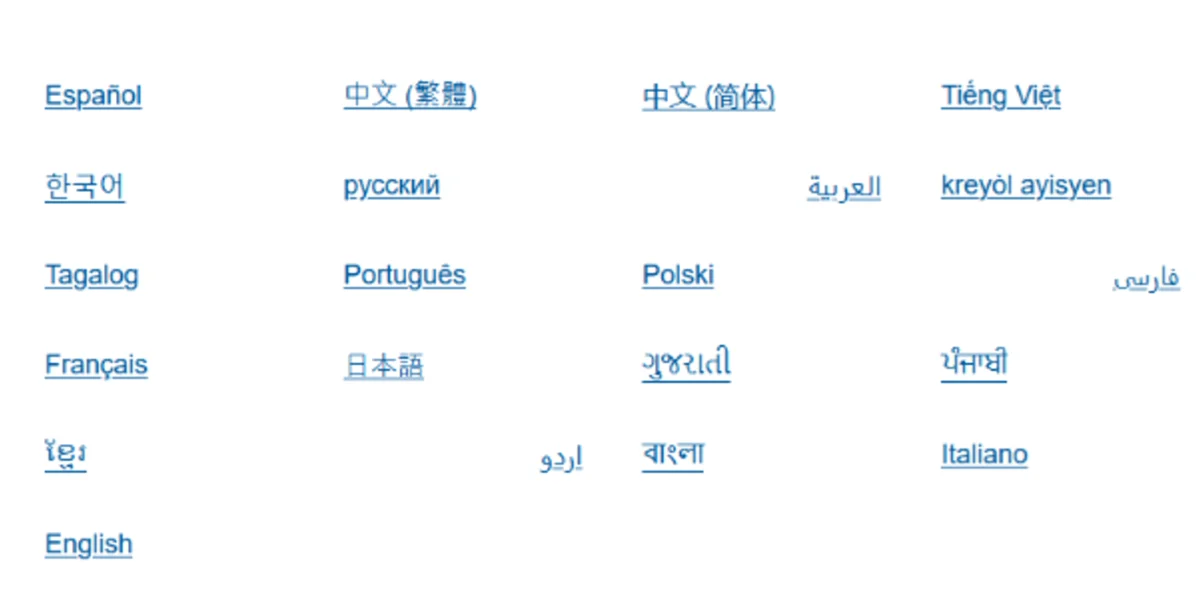
The landscape of professional services is increasingly globalized, with accounting firms encountering a diverse clientele. A common challenge arises when firms serve clients who are more comfortable discussing complex financial matters in one language, such as Chinese, while their formal documentation and engagement letters are in another, like English. This linguistic disparity, if not proactively managed, can lead to misunderstandings, delays, and the perception of a "difficult client," ultimately impacting efficiency and client satisfaction. This article outlines practical, actionable strategies for accounting firms to navigate these communication hurdles effectively, ensuring clarity and fostering stronger client relationships without necessitating a complete overhaul of existing workflows.
The initial phase of client engagement, from onboarding calls to the signing of engagement letters, sets the stage for successful collaboration. However, the journey is often fraught with potential misinterpretations. A client might nod in agreement during a conversation, only for a subsequent document to arrive late, a crucial question to remain unanswered, or for the client to assume the firm is handling tasks that fall outside the agreed-upon scope. While it is tempting to label such instances as indicative of a difficult client, a more constructive approach involves scrutinizing the foundational understanding between both parties. A significant contributor to these communication breakdowns is the subtle, yet critical, difference in how information is processed and understood across different languages and cultural contexts.
For firms that work with clients who prefer to conduct financial discussions in Chinese but engage with English-language documents, the solution transcends simply translating a checklist. Clients require more than just translated words; they need to grasp the meaning behind the terminology, understand the rationale for specific requests, and be clear about the subsequent steps in the process. This article presents a pragmatic workflow that firms can adapt, transforming potential communication pitfalls into opportunities for enhanced client engagement and operational efficiency. The goal is not to transform every interaction into an exhaustive translation project, but rather to embed a culture of clarity and proactive communication within the firm’s service delivery model.
Proactive Language Assessment at the Task Level
A fundamental step in mitigating cross-lingual misunderstandings is to move beyond generic inquiries about language proficiency. A simple "Do you speak English?" question offers limited insight and can be misleading. A client might be perfectly capable of reading an invoice in English, yet prefer to discuss a complex, unfamiliar tax issue in Chinese. Conversely, another client might opt for an English summary because it aligns with the communication preferences of their business partners.
To address this nuance, firms should adopt a more granular approach by asking three targeted questions at the outset of any engagement or specific task:
- Which language is most comfortable for your participation in meetings and discussions? This ascertains the preferred medium for verbal communication, where nuances and immediate clarification are crucial.
- Which language do you prefer for receiving written instructions, documentation, and summaries? This clarifies the optimal format for informational materials that require careful review and retention.
- Who else needs to review the information, and what are their language preferences? This accounts for indirect stakeholders or decision-makers within the client’s organization, ensuring that critical information reaches all necessary parties in an understandable format.
The answers to these questions should be meticulously recorded within the client’s file and made readily accessible to all team members involved in the engagement. It is imperative to avoid making assumptions about a client’s language preferences based on superficial indicators such as their surname, place of birth, or the language of their initial email. Such assumptions can lead to significant communication errors and alienate clients.
Beyond Vocabulary: Explaining the "Why" and "What Next"
Even when technical terms are accurately translated, a client might still be left uncertain about the required action or the purpose behind a request. Concepts like "tax extension," "estimated tax payment," or "account reconciliation" can be opaque to individuals who have not previously navigated these specific financial processes. A direct translation of these terms, while linguistically correct, may not convey the underlying procedural context.
To bridge this knowledge gap, firms should enrich each request with three essential components:
- What is needed or what decision is required? Clearly articulate the specific information, documentation, or decision the client needs to provide.
- Why is this important for this specific engagement? Explain the relevance of the request to the client’s overall financial picture and the firm’s objectives. Connecting the dots between a specific task and its broader impact can significantly enhance client understanding and cooperation.
- When is a response or action needed? Provide a clear and realistic deadline for the client’s response.
For instance, instead of simply requesting a bank statement, a more effective communication would be: "Please identify which account this transfer originated from so we can accurately categorize the transaction. Kindly upload the supporting statement via your client portal by [Specific Date]." This approach contextualizes the request, making it actionable and understandable. For complex technical conclusions requiring professional judgment, these should be routed to the designated engagement professional, rather than attempting to improvise a translation that might compromise accuracy or completeness.
Replacing Ambiguity with Actionable Confirmation
The ubiquitous closing phrase, "Any questions?" at the end of a discussion, often elicits a perfunctory "No," which may not genuinely reflect the client’s level of understanding. This can mask underlying uncertainties or unspoken concerns. To foster genuine comprehension and ensure alignment, firms should implement a more proactive confirmation strategy.
A valuable alternative is to provide a concise recap of the conversation and explicitly ask the client to confirm the agreed-upon next steps and responsibilities. For example: "To confirm our discussion, we will proceed with reviewing the documents you upload by [Date]. You will provide the missing transaction details for [Specific Item] by [Date]. Does this accurately reflect your understanding of who is responsible for what and by when?"
If the discussion involved a choice or a decision point, clients should be invited to articulate their understanding of what that choice entails. This should be framed as a collaborative check on the firm’s explanation, rather than a test of the client’s knowledge. When a client’s response reveals a gap in understanding, it provides an immediate opportunity for clarification before proceeding, thus preventing future complications. This method ensures that both parties are on the same page regarding actions, timelines, and responsibilities.
The Power of a Unified, Labeled Recap
Following any substantive conversation, the dispatch of a clear, concise written recap is paramount. This recap should be delivered through the communication channel most preferred by the client, as identified earlier. The key to an effective recap is its structure: clearly delineating the firm’s immediate next steps from the client’s required actions, and crucially, naming the specific individual within the firm who is responsible for each task.
Vague deadlines like "soon" or "before filing" should be replaced with precise, actual dates. This removes ambiguity and sets clear expectations. If the recap is intended to be bilingual, it is essential to keep corresponding instructions together within each section. This prevents clients from having to cross-reference two entirely separate messages, which can be confusing and lead to missed information.
When formal documents are involved, the recap should explicitly identify which version governs, ensuring consistency with the original engagement terms. Furthermore, for consequential decisions that require client approval, silence should never be interpreted as tacit agreement. Explicit confirmation should be sought. This written recap serves as a vital component of the engagement documentation, reinforcing clarity and accountability, but it is important to remember that it does not supersede the formal engagement agreement.
Integrating Translation Review into the Workflow
The integration of translation review needs to be a deliberate process, not an afterthought. Firms should strategically identify which client-facing materials can leverage standardized bilingual templates—such as portal navigation guides or standard service descriptions—and which require bespoke review by qualified personnel. A message explaining a client-specific tax position, for instance, demands the attention of someone who can assess the nuanced meaning and implications, not merely the grammatical accuracy.
When utilizing translation software, adherence to approved technology and confidentiality protocols is non-negotiable. Client records should never be pasted into unapproved public online tools, regardless of the perceived convenience. To maintain consistency and accuracy for recurring terminology, firms should develop and maintain a small, managed glossary of terms. This glossary should have a designated owner responsible for its upkeep and for updating templates when translations lead to client confusion.
Crucially, if the internal team lacks the necessary language proficiency for a particular task or client interaction, the firm must proactively arrange for an appropriate interpreter or professional translator. Guesswork in such situations is unacceptable and can lead to severe professional errors.
Furthermore, establishing a clear escalation path for staff is vital. If a client poses a question that a team member cannot confidently answer in either language, there should be a defined next step. This includes recording the question, identifying the appropriate reviewer or subject matter expert, and communicating to the client a realistic timeframe for receiving a response. It is critical to avoid the practice of a fluent colleague becoming the default technical decision-maker solely because they can facilitate the conversation. Language fluency and the responsibility for making professional, accurate conclusions are distinct competencies that require separate assignment and accountability.
Addressing Recurring Communication Bottlenecks
Rather than attempting a complete overhaul of the client journey, firms should prioritize addressing specific points of friction. A strategic starting point is to identify the most frequent or problematic communication handoffs, such as the onboarding process or the final review stage. By focusing on these critical junctures, firms can implement targeted improvements.
For instance, when revising the instructions for requesting final client review, a template should be developed that explicitly includes: the action required from the client, the underlying reason for the action, the precise deadline, and the designated owner of the task within the firm.
Subsequent analysis of how these revised instructions perform is essential. Which requests still necessitate significant clarification? Which responsibilities are repeatedly misunderstood or overlooked? These observations should serve as valuable feedback for refining the process in subsequent iterations. The ultimate objective is not necessarily to accelerate client response times across the board, but to ensure that each step is communicated with sufficient clarity that both the firm and the client can definitively ascertain whether it has been successfully completed. This systematic approach to communication refinement fosters efficiency, reduces errors, and builds stronger, more transparent client relationships.
About the Author and the Firm
This article was contributed by the Chartered CPA Team. Chartered CPA provides comprehensive U.S. accounting, tax, payroll, and business advisory services through its entity, Chartered CPA (会计师事务所). The firm distinguishes itself with an English- and Chinese-speaking team, dedicated to serving a diverse clientele. Further information about their services and approach can be found on their website at Chartered CPA. The firm’s commitment to bridging cultural and linguistic divides in professional services is underscored by their proactive strategies for clear communication and client understanding.
The insights provided in this article are drawn from the practical experience of firms navigating the complexities of a globalized client base. By implementing these structured communication protocols, accounting professionals can enhance client engagement, improve operational efficiency, and mitigate the risks associated with cross-lingual misunderstandings, ultimately fostering a more collaborative and productive professional environment.