Pevita Pearce
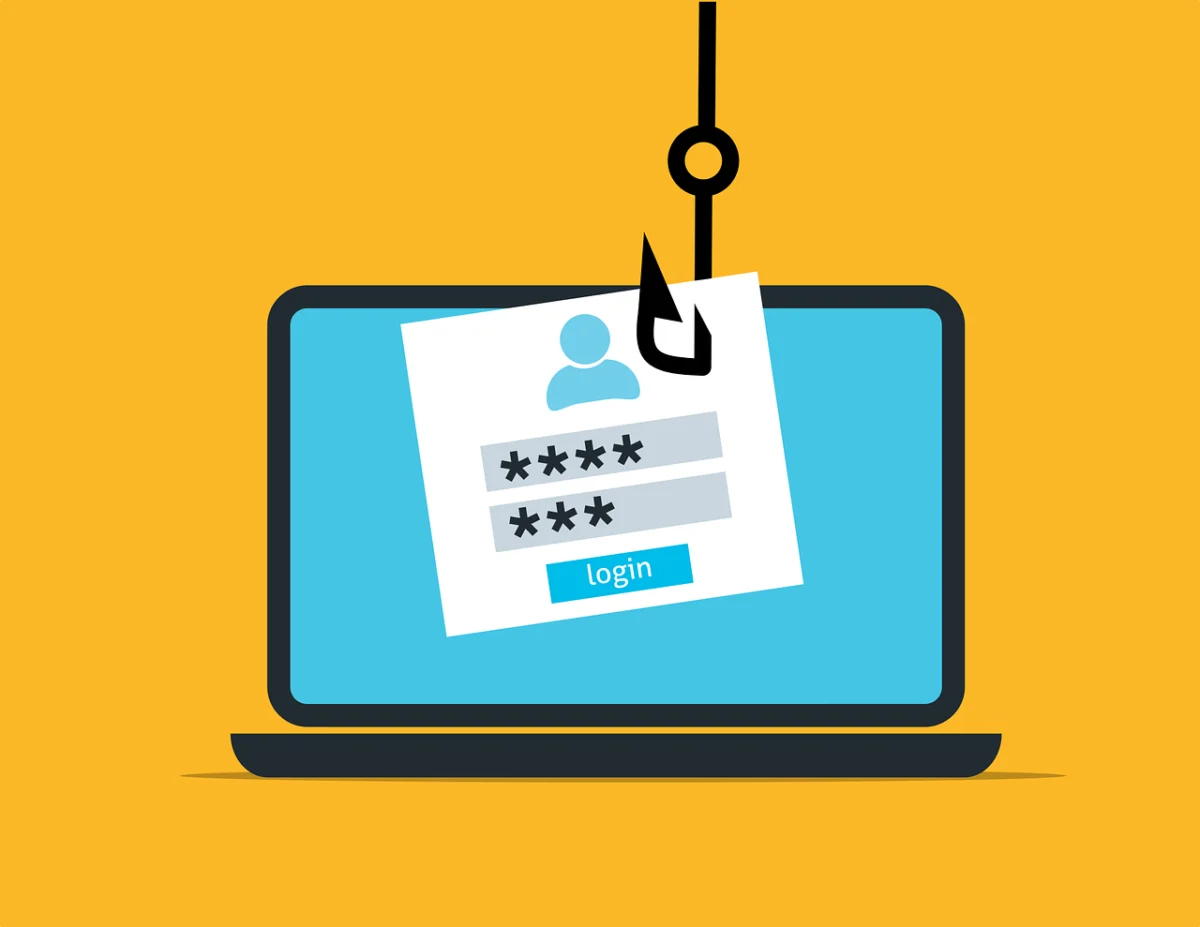
Business Email Compromise (BEC) scams, a pervasive and increasingly costly form of cybercrime, are relentlessly targeting accounting firms, posing a significant threat to both client funds and sensitive data. These sophisticated attacks exploit the trust inherent in professional relationships and the inherent precision of accounting practices, leading to substantial financial losses and potential breaches of client confidentiality. The FBI’s Internet Crime Report for 2025 starkly illustrates the escalating danger, identifying BEC as the second-most financially damaging cybercrime, with losses reaching an alarming $3.04 billion, a notable increase from the previous year’s $2.77 billion. This trend is exacerbated by the growing sophistication of AI-powered fraudulent communications, making it harder than ever for even seasoned professionals to discern genuine requests from malicious fabrications.
The core mechanism of BEC involves criminals impersonating trusted individuals—colleagues, clients, or vendors—to trick recipients into rerouting payments or divulging sensitive information. For accounting firms, this threat is amplified due to their central role in managing critical financial transactions. These firms routinely handle client refunds, process payroll for their own staff and potentially their clients, and manage payments to a wide array of vendors. A single compromised email account can therefore unlock access to a cascade of financial data, raising significant concerns about data protection and compliance with regulations such as the FTC Safeguards Rule, which mandates that tax preparers and other entities handling client financial information implement reasonable security measures.
Why Accounting Firms are Prime Targets
Accounting firms represent a lucrative nexus for cybercriminals due to several key factors:
- High-Value Transactions: The nature of accounting work involves the movement of substantial sums of money, including client refunds, payroll disbursements, and vendor payments. Redirecting even a fraction of these flows can yield significant financial gains for perpetrators.
- Trust and Precision: Accountants are trained to be meticulous and to trust documented instructions. Criminals exploit this by crafting emails that appear legitimate, often mimicking the branding and communication style of trusted partners or clients. They leverage the accountant’s focus on accuracy to bypass critical security checks, posing questions like "Does this look right?" which are easier to answer than "Is this person real?"
- Busy Season Vulnerabilities: Peak tax seasons and other periods of intense activity create environments where staff are often overworked and under pressure. This heightened workload can lead to reduced vigilance, making employees more susceptible to phishing attempts and social engineering tactics.
- Access to Sensitive Data: Beyond financial transactions, accounting firms hold a treasure trove of sensitive client data, including personal identification information, financial statements, and tax returns. The compromise of a firm’s systems can lead to devastating data breaches, with far-reaching legal and reputational consequences.
The FBI’s report also highlights the growing role of Artificial Intelligence in BEC attacks. AI tools can now generate highly convincing phishing emails, complete with perfect grammar, appropriate tone, and even personalized details gleaned from public or previously compromised sources. This technological advancement lowers the barrier to entry for criminals and increases the sophistication of their schemes, making traditional email security measures increasingly insufficient on their own.
Evolving Scams and Hypothetical Scenarios
Two primary BEC schemes frequently ensnare accounting firms:
- Vendor Invoice Scam: Criminals impersonate a known vendor and send an invoice or a notification of a change in payment details, directing future payments to a fraudulent account.
- Client Refund Scam: This highly damaging tactic involves impersonating a client and requesting that a refund be rerouted to a new bank account. The same approach can be used to intercept payroll disbursements by impersonating an employee.
Consider a hypothetical scenario unfolding within a six-person CPA firm during its busiest season. A seemingly routine email arrives, originating from what appears to be a legitimate client’s email address. The message requests a significant refund of $18,400 to be redirected to a new bank account, citing a recent switch in banking institutions. Coincidentally, on the same morning, an email purportedly from a staff accountant is sent to the office manager, urgently requesting an update to direct deposit information in anticipation of the upcoming Friday payroll. Both communications are brief, plausible, and arrive during a period of intense operational pressure. Without a robust verification protocol, the firm might inadvertently process both fraudulent requests. The client and the employee would only discover the error when their expected funds fail to materialize, triggering a crisis of trust and a scramble to mitigate the damage.
Mitigating the Threat: Proactive Strategies for Firms
To counter the persistent threat of BEC, accounting firms must implement a multi-layered defense strategy that combines technological solutions with robust procedural safeguards and comprehensive employee training.
For Firm Leadership (Managing Partner):
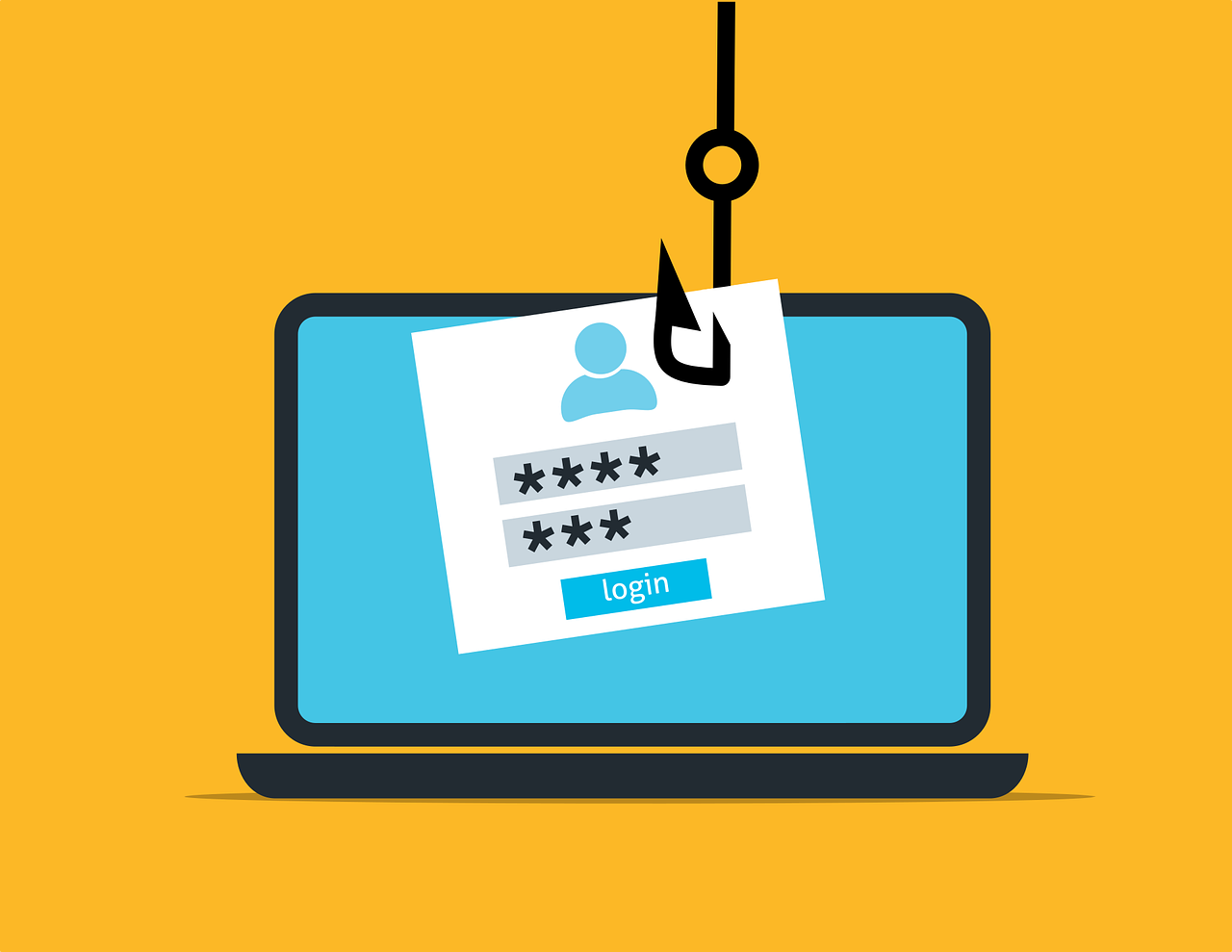
- Establish Clear Protocols: Develop and document explicit policies for handling financial transaction changes, particularly those involving bank account updates for refunds, payroll, or vendor payments. These protocols should mandate verification steps for any such changes.
- Mandate Verification: Implement a strict "phone-first" policy for all changes to payment details. Any email request to alter bank account information, for any transaction, must be verified by a direct phone call to the purported sender using a trusted contact number on file. This bypasses the spoofed email entirely.
- Empower Employees: Foster a culture where employees feel empowered and encouraged to pause and question any suspicious or unusual requests, even if they come from seemingly authoritative sources. Ensure they understand that reporting a potential scam is a priority, not a disruption.
- Regular Training and Awareness: Conduct ongoing cybersecurity awareness training for all staff, focusing on identifying phishing attempts, social engineering tactics, and the specific modus operandi of BEC scams. This training should be updated regularly to reflect evolving threat landscapes.
- Invest in Security Solutions: Allocate resources for advanced cybersecurity tools, including robust email filtering solutions, endpoint protection, and potentially security information and event management (SIEM) systems for continuous monitoring.
- Incident Response Plan: Develop and regularly test a comprehensive incident response plan that outlines the steps to be taken in the event of a BEC attack or data breach, including internal communication, client notification, and reporting to authorities.
For IT Management:
- Implement Multi-Factor Authentication (MFA): Enforce MFA for all email accounts, remote access, and critical financial systems. MFA adds a crucial layer of security, making it significantly harder for attackers to gain access even if they obtain user credentials.
- Secure Email Gateways: Deploy advanced email security solutions that go beyond basic spam filtering, utilizing AI and machine learning to detect sophisticated phishing and spoofing techniques, including impersonation and suspicious links or attachments.
- Regularly Audit System Logs: Implement robust logging and regularly audit system logs for any unusual activity, such as unauthorized login attempts, unusual data access patterns, or unexpected email forwarding rules.
- Data Encryption and Backups: Ensure all sensitive client data is encrypted both in transit and at rest. Maintain regular, secure, and offsite backups of critical data to facilitate recovery in the event of a ransomware attack or data loss.
- Patch Management: Maintain a rigorous patch management program to ensure all software, operating systems, and applications are up-to-date with the latest security patches, closing known vulnerabilities that attackers could exploit.
- Network Segmentation: Consider segmenting the firm’s network to limit the lateral movement of attackers should a compromise occur. Isolating critical financial systems can prevent a breach in one area from affecting the entire network.
Anticipating Client Concerns: Proactive Communication
To build and maintain client trust, accounting firms should proactively address potential client concerns regarding the security of their financial information. This can be achieved by incorporating clear communication points into client onboarding materials, website FAQs, and direct client interactions.
Potential Client Questions and Recommended Firm Responses:
-
Q: Why did you call me about my refund instructions?
- A: "We received an email requesting a change to how your refund should be processed. To ensure the security of your funds and prevent potential fraud, we have a strict policy of verifying any changes to payment instructions by phone. We always use the contact number we have on file for you to confirm these critical details before any transaction is finalized."
-
Q: Will you ever email me asking to change where my refund goes?
- A: "No, we will not accept or request changes to payment destinations solely via email. Please treat any email claiming to be from us requesting such a change with extreme suspicion. Always verify such requests directly with us by phone using a number you know is legitimate."
-
Q: Is my financial information safe in your email?
- A: "We take the security of your financial information very seriously. We limit the transmission of highly sensitive data via email. Furthermore, all our email accounts are protected with multi-factor authentication, and we actively monitor for any suspicious activity to ensure your data remains secure."
-
Q: What if a payment already went to the wrong account?
- A: "If you suspect a payment has been misdirected, please contact your bank immediately to report the fraudulent transaction. You should also report the incident to the FBI’s Internet Crime Complaint Center (IC3) at ic3.gov. Please notify us immediately so we can investigate our systems for any potential compromise."
The Bottom Line: A Culture of Vigilance
Ultimately, the success of BEC attacks hinges less on sophisticated technology and more on the absence of a critical verification checkpoint. Accounting firms that codify their security procedures, enforce a mandatory phone verification for all financial instruction changes, and cultivate a culture where staff feel empowered to pause and question suspicious requests significantly reduce their vulnerability. The investment in these preventative measures—a few minutes per transaction change—pales in comparison to the potentially catastrophic financial and reputational costs of explaining to a client why their refund, or their employee’s payroll, vanished into the hands of cybercriminals. The ongoing evolution of cyber threats demands a proactive and unwavering commitment to security, transforming vigilance from a mere best practice into an indispensable operational necessity.
About the Author:
Scott Carr, owner of Farmhouse Networking in Grants Pass, Oregon, is a seasoned Network & Computer Systems Architect with over three decades of experience in the IT industry. For more than ten years, he has led his team in providing proactive, secure, and fully managed IT services to over 80 businesses, with a particular focus on accounting and finance firms that depend on robust data security, regulatory compliance, and operational efficiency. Carr’s hands-on, jargon-free approach ensures clients gain a clear understanding of their technology, fostering confidence in their IT systems. Farmhouse Networking is recognized for its rapid and responsive support, often resolving most IT issues within 15 minutes, and possesses deep expertise in cybersecurity, network design, and IT compliance. More information on how Farmhouse Networking supports the accounting industry can be found at https://www.farmhousenetworking.com/finance-it-support/.