Layla Zulfa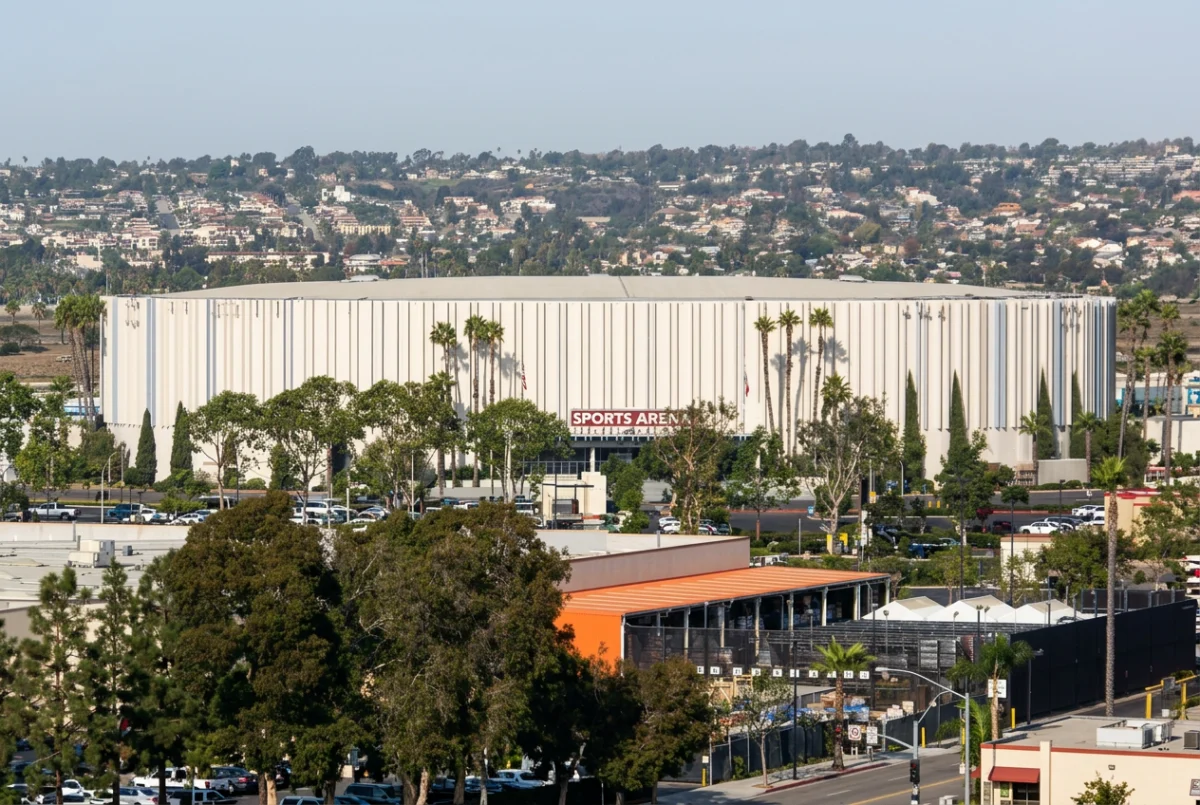
California Governor Gavin Newsom has signed a series of significant legislative measures designed to accelerate housing construction and address the state’s persistent housing affordability crisis. The package, which includes two bills specifically targeting environmental review processes, aims to dismantle regulatory barriers that have long hindered residential development. These new laws build upon previous efforts to reform the California Environmental Quality Act (CEQA), a cornerstone of environmental law in the state that has frequently been utilized by project opponents to delay or halt housing projects through litigation.
The passage of Senate Bills 344 and 958 marks a pivotal moment in California’s ongoing struggle to meet its housing needs. These bills, signed into law on a Tuesday as part of a broader housing initiative, are intended to inject much-needed certainty and efficiency into the development process, particularly for large-scale infill projects. The legislation emerged from a protracted legal battle surrounding the ambitious Midway Rising redevelopment project in San Diego, a $3.9 billion endeavor poised to transform the city’s Sports Arena site.
SB 344 directly addresses the legal challenges that have plagued the Midway Rising project, effectively creating a legislative shield against future CEQA-based lawsuits once the city of San Diego certifies the project’s environmental review. This measure represents the first time the state has enacted a law of this nature to exempt a specific development from further environmental litigation. Concurrently, SB 958 introduces a statewide change, precluding added building height from being automatically classified as a determining environmental impact factor for qualifying infill projects. This revision aims to remove a common obstacle for projects seeking to increase density, a critical component of addressing California’s housing deficit.
The legislative push behind these bills was spearheaded by San Diego-area Senator Akilah Weber Pierson, with Mayor Todd Gloria serving as a key sponsor. Both bills received unanimous support in the State Senate, underscoring a bipartisan consensus on the need to expedite housing development.
Mayor Todd Gloria lauded the governor’s signature, stating, "San Diegans have waited decades to see the Midway District transformed. We now have greater certainty to move this long-awaited vision forward that will deliver over 4,000 new homes, including 2,000 deed-restricted affordable homes, along with new park space and a new world-class arena." The Midway Rising project is envisioned as a transformative development, promising to inject vital housing stock, economic activity, and public amenities into a historically underutilized area of San Diego.
However, the legislation has drawn sharp criticism from some project opponents who view the new laws as an infringement on environmental protections and a circumventing of due process. Everett DeLano, an attorney representing the coastal advocacy nonprofit Save Our Access, expressed dismay at the legislative maneuver. "Is it just me, or does anyone else see an irony in taking a bill that was supposed to be about the disposal of human remains and turning it into Midway Rising ‘fast track’ legislation?" DeLano remarked to the Peninsula Beacon, highlighting a procedural aspect of SB 344’s origin that has been a point of contention.
The Genesis of Legal Conflict: Midway Rising and CEQA
The Midway Rising project became a flashpoint in the ongoing debate over CEQA’s impact on housing development. Save Our Access, an organization focused on protecting coastal access and environmental quality, initiated legal action against the City of San Diego on two separate occasions. Their lawsuits challenged ballot measures that voters had approved to raise the Midway District’s long-standing 30-foot height limit. The core of their argument centered on the assertion that the city had violated CEQA by failing to conduct adequate environmental impact studies concerning the effects of increased building heights on crucial factors such as airflow, traffic congestion, and local wildlife.
The legal challenges proved consequential. Court rulings ultimately invalidated both ballot measures that sought to increase the height restrictions. In October 2025, an appellate court delivered a significant blow by invalidating the second measure. The California Supreme Court’s subsequent refusal to review the city’s appeal in December of the same year effectively reinstated the original height cap. This legal victory for opponents threatened the viability of the Midway Rising project’s more ambitious, taller building designs, casting a shadow of uncertainty over its future.
Senate Bills 344 and 958 were specifically crafted to address the legal precedents and arguments raised in these lawsuits. SB 958, in particular, aims to close a significant avenue of legal attack against projects that seek greater height and density. By deemphasizing building height as a standalone environmental impact factor for qualifying infill projects, the bill seeks to streamline approvals and encourage vertical development, which is often essential for maximizing housing capacity in urban areas. The statewide application of this provision signals a broader intent to reform how height considerations are evaluated under CEQA for infill developments across California.
A Broader Strategy: California’s Housing Package
The signing of SB 344 and SB 958 is part of a larger legislative package designed by Governor Newsom to confront California’s dire housing shortage. This comprehensive approach includes several other key measures aimed at incentivizing construction and reducing bureaucratic red tape.
Senate Bill 1116 stands as a central piece of this broader housing strategy. This bill expands the state’s existing "starter home" rules by removing a five-acre cap on qualifying projects. This change is expected to encourage the development of more moderately sized housing projects that are often more feasible for a wider range of developers. Additionally, SB 1116 aims to curb local zoning ordinances and development standards that can unnecessarily reduce housing yield, promoting a more uniform and development-friendly regulatory environment.
Another significant component of the housing package is Assembly Bill 1294. This measure establishes a pilot property tax incentive program specifically designed for low- and moderate-income apartment rentals. Initially focused on Alameda, Sacramento counties, and the city of San Francisco, the program seeks to make it more financially viable for developers to include affordable units in their projects.
Furthermore, Senate Bill 328 is set to accelerate the environmental review process for the redevelopment of the former Concord Naval Weapons Station in Contra Costa County. This massive site is slated for the development of at least 10,000 homes, and the expedited review process is intended to ensure that this significant housing potential is realized without undue delay.
Assembly Bill 1815 addresses another aspect of the development process by prohibiting cities from imposing building standards on qualifying factory-built housing that exceed the state’s established codes. This aims to streamline the adoption of modular and prefabricated housing, which can often be a more cost-effective and faster method of construction.
San Diego’s Ambitious Housing Goals
The City of San Diego has positioned itself as a leader in California’s efforts to boost housing production. In 2024, the city permitted nearly 8,800 new homes, according to its 2025 annual housing report, a significant increase that reflects its aggressive development strategy. Reinforcing this commitment, Mayor Gloria issued an order directing the city to process qualifying permit applications within a rapid 30-day timeframe.
The Midway Rising project has been a central, albeit controversial, element of San Diego’s housing agenda. The 49.2-acre redevelopment of the Sports Arena site is a multi-year undertaking, projected to take approximately 14 years to complete. The San Diego City Council selected the development team for this project in September 2022.
The financial backing for this massive undertaking has come from prominent investors, including billionaire Stan Kroenke. Kroenke, who boasts ownership of major sports franchises such as the NFL’s Los Angeles Rams and the NBA’s Denver Nuggets, and who recently agreed to acquire MLB’s Los Angeles Angels, became the chief financial backer of Midway Rising in 2023. His involvement underscores the project’s scale and potential economic impact.
Ongoing Opposition and Future Hurdles
Despite Governor Newsom’s signing of the new legislation, the fight over the Midway Rising project and similar developments is far from over. Leaders from Save Our Access have indicated their intent to continue their opposition, citing persistent concerns about the potential for increased congestion and limitations on public coastal access that they believe the project will exacerbate. Residents of the Point Loma neighborhood have also voiced their concerns, arguing that the project’s environmental report remains inadequate, particularly regarding its assessment of traffic impacts.
The next public forum for these ongoing debates is scheduled for October 8th, when the terms of the ground lease for the Midway Rising project will be presented to a City Council committee. Following this, the City Council will be required to certify the environmental review and provide final approval for the project to proceed. The outcome of these proceedings will not only determine the fate of the Midway Rising development but also serve as a barometer for the effectiveness and impact of California’s recent legislative efforts to balance environmental considerations with the urgent need for more housing. The legislative changes signal a clear direction from the state to prioritize housing production, but the legal and community-based challenges underscore the complex and often contentious nature of urban development in California.