Dwi Wanna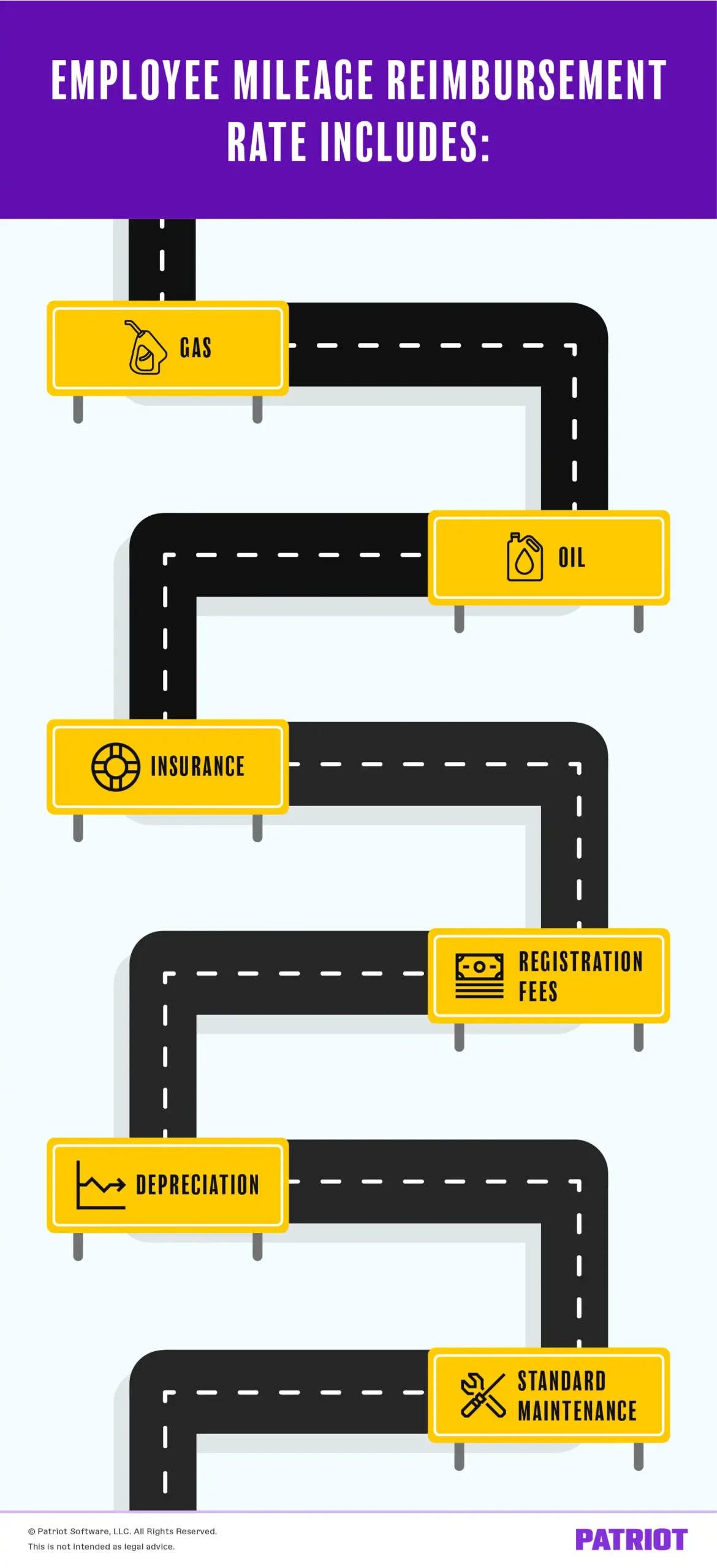
The Internal Revenue Service (IRS) has implemented a significant mid-year adjustment to the optional standard mileage rates for 2026, a move that carries substantial implications for business owners, independent contractors, and mobile employees across the United States. Effective July 1, 2026, the standard mileage rate for the use of a car, van, pickup, or panel truck for business purposes has risen to 76 cents per mile. This follows a preliminary increase at the start of the year, representing a total climb of 6 cents from the 2025 rate of 70 cents per mile. As inflationary pressures continue to impact the automotive sector—specifically regarding fuel, maintenance, and insurance premiums—this adjustment serves as a critical benchmark for organizations seeking to remain competitive and compliant in their compensation structures.
The Framework of Mileage Reimbursement
Mileage reimbursement is the practice of compensating employees for the costs incurred while using their personal vehicles for work-related activities. In the modern economy, where remote work and field-based operations are prevalent, many business owners find it more cost-effective to reimburse employees for the use of personal assets rather than maintaining a dedicated corporate fleet.
Common business activities that qualify for mileage reimbursement include traveling to client meetings, driving to the bank for business deposits, picking up office supplies, traveling from the main office to a secondary job site, and running professional errands. It is important to note that standard commuting—the travel between an employee’s residence and their regular place of business—is generally not considered a reimbursable business expense under federal guidelines.
While federal law does not strictly mandate that all private employers use the IRS standard rate, it remains the industry gold standard. Most businesses adopt this rate to ensure their reimbursement plans qualify as "accountable plans," which allow for tax-free payments to employees.
Chronology of Rate Adjustments: 2025–2026
The trajectory of mileage rates over the last 24 months reflects a volatile economic environment. The IRS typically sets these rates annually based on an independent study of the fixed and variable costs of operating an automobile. However, mid-year adjustments occur when economic shifts are significant enough to render the January rate obsolete.
- January 1, 2025: The business mileage rate was established at 70 cents per mile.
- January 1, 2026: In response to rising vehicle acquisition costs and insurance premiums, the IRS increased the rate to 72.5 cents per mile.
- July 1, 2026: Citing sustained high fuel prices and a sharp uptick in repair and maintenance labor costs, the IRS issued a rare mid-year update, bringing the rate to 76 cents per mile.
This 8.5% year-over-year increase is one of the most substantial shifts in recent history, signaling to the private sector that the "cost of doing business" on the road has fundamentally shifted.
Detailed Breakdown of 2026 Specialized Rates
Beyond standard business travel, the IRS provides specific rates for other types of vehicle use. These rates are calculated differently, often excluding certain fixed costs like depreciation or insurance, depending on the nature of the travel.
Medical and Moving Purposes
As of July 1, 2026, the rate for use of an automobile for medical or moving purposes is 23.5 cents per mile. It is essential to note that under the Tax Cuts and Jobs Act, the deduction for moving expenses is currently restricted to active-duty members of the Armed Forces moving under orders to a permanent change of station.
Charitable Organizations
The rate for providing services to charitable organizations remains fixed at 14 cents per mile. Unlike the business and medical rates, the charitable rate is set by statute (federal law) rather than administrative adjustment by the IRS. Consequently, this rate has remained unchanged since 1998, despite the rising costs of fuel and vehicle operation.
Analysis of Cost Components
The IRS standard mileage rate is not an arbitrary figure; it is a composite of several economic factors. When an employer pays 76 cents per mile, they are covering a spectrum of expenses that the employee assumes by using their personal property. These include:

- Variable Costs: These fluctuate based on the number of miles driven. They include fuel, oil changes, tire wear, and routine maintenance.
- Fixed Costs: These are expenses the owner pays regardless of mileage but are partially attributed to business use. This includes insurance premiums, registration fees, and taxes.
- Depreciation: Perhaps the most significant "hidden" cost, depreciation accounts for the loss in the vehicle’s resale value as mileage increases.
For businesses that opt not to use the standard rate, the "Actual Expense Method" is the alternative. This requires meticulous record-keeping of every receipt for gas, repairs, and insurance, which is then pro-rated based on the percentage of business versus personal use. Most small to medium-sized enterprises (SMEs) avoid this method due to the administrative burden.
Administrative Implementation and Compliance
To implement a robust mileage reimbursement program, organizations must establish clear internal policies. Modern best practices have shifted away from paper-based logs toward digital solutions.
Tracking and Documentation
For a reimbursement to be tax-exempt, the IRS requires "adequate accounting." This includes recording:
- The date of the trip.
- The total mileage driven.
- The business destination and the specific business purpose.
- The starting and ending locations.
Automated GPS-tracking applications have become the preferred tool for many organizations. These apps reduce "mileage padding"—the tendency for employees to round up distances—and provide a digital audit trail that protects the company in the event of an IRS inquiry.
Payment Methods
Employers typically choose between two primary payment structures. The first is including the reimbursement in the employee’s regular payroll. When handled this way, it must be clearly identified as a non-taxable reimbursement on the pay stub to avoid confusion with taxable wages. The second method is issuing a separate check or direct deposit. Industry analysts suggest that reimbursements should ideally be processed within two weeks of the expense report submission to maintain employee trust and financial stability.
Legal Landscape: Federal vs. State Requirements
While federal law under the Fair Labor Standards Act (FLSA) does not explicitly require mileage reimbursement, it does contain "kickback" provisions. If an employee’s travel expenses are so high that they effectively drop the employee’s net pay below the federal minimum wage, the employer could be found in violation of the FLSA.
Furthermore, several states have enacted more stringent requirements. California, under Labor Code Section 2802, requires employers to indemnify employees for all "necessary expenditures or losses" incurred in direct consequence of the discharge of their duties. Massachusetts and Illinois have similar protections. In these jurisdictions, failing to provide adequate mileage reimbursement can lead to class-action litigation and significant civil penalties.
Economic Implications for Employers and Employees
The 2026 rate hike presents a dual-edged sword for the American workforce. For employees, the 76-cent rate provides a necessary cushion against the rising cost of living. Since the Tax Cuts and Jobs Act of 2017, W-2 employees can no longer deduct unreimbursed business expenses on their federal tax returns. This makes employer-provided reimbursement the only way for many workers to recover their costs without paying for business operations out of their own pockets.
For employers, the increase represents a rising overhead cost. However, tax experts point out that these reimbursements are fully deductible as a business expense. Furthermore, offering the full IRS rate is a powerful recruitment and retention tool. In a competitive labor market, professionals who are required to drive frequently—such as home health aides, sales representatives, and consultants—often view the mileage policy as a key indicator of a company’s culture and respect for its staff.
Conclusion and Future Outlook
The rise to 76 cents per mile as of July 2026 underscores the reality of an expensive automotive landscape. Organizations are encouraged to review their employee handbooks and expense policies immediately to ensure they align with these new figures. As the IRS continues to monitor economic indicators, businesses must remain agile, utilizing digital tracking and automated payroll systems to manage these costs accurately.
Ultimately, a fair mileage reimbursement policy is more than a tax strategy; it is a fundamental component of operational transparency. By adhering to the 2026 standards, businesses can mitigate legal risks, maximize tax deductions, and ensure that the employees who keep their operations moving are not unfairly burdened by the costs of the road.