Lana Rhoades

As the 2026 calendar year draws to a close, businesses operating across the United States face a critical window for sales tax compliance, with December serving as one of the most complex months for fiscal reporting. For e-commerce retailers, brick-and-mortar establishments, and marketplace facilitators, the final month of the year involves navigating a patchwork of state-specific deadlines that are influenced by holiday office closures, weekend shifts, and specific statutory requirements. Ensuring that sales tax is accurately collected, reported, and remitted is not merely a matter of administrative diligence but a legal necessity to avoid the steep penalties and interest charges often levied by state Departments of Revenue.
The landscape of sales tax in 2026 continues to be defined by the landmark 2018 Supreme Court decision in South Dakota v. Wayfair, Inc., which paved the way for states to enforce economic nexus laws. This means that even businesses without a physical footprint in a state may be required to file if they exceed certain transaction or revenue thresholds. In December 2026, the complexity is further heightened by the presence of Amazon Fulfillment Centers in numerous jurisdictions, a factor that establishes physical nexus for many third-party sellers using the "Fulfilled by Amazon" (FBA) program.
The Significance of December Deadlines in the Fiscal Cycle
December represents the culmination of the fourth quarter and, for many, the end of the fiscal year. Consequently, tax authorities are particularly vigilant during this period. State budgets rely heavily on sales tax revenue to fund public services, infrastructure, and education. According to data from the National Conference of State Legislatures, sales and use taxes typically account for nearly one-third of total state tax revenue. For businesses, the December filing period often covers sales made during the peak holiday shopping season, meaning the volume of tax collected is frequently at its highest level of the year.
Failure to meet these deadlines can result in the loss of "timely filing discounts"—incentives offered by some states where retailers can keep a small percentage of the tax collected if they file on time. Conversely, late filings can trigger penalties ranging from 5% to 25% of the tax due, plus accruing interest.
Chronological Breakdown of December 2026 Deadlines
To assist businesses in prioritizing their filing schedule, the following chronology details the specific dates by which monthly and quarterly returns must be submitted to respective state authorities.
Early and Mid-Month Deadlines
The filing season begins in earnest by the middle of the month. Maine is the first state to require monthly remissions, setting a deadline of December 15. This early date requires accounting departments to finalize their November sales data rapidly.
By December 18, Florida requires its monthly filers to submit their returns. Florida remains one of the states where the presence of Amazon Fulfillment Centers creates a significant nexus footprint for thousands of out-of-state sellers.
The December 21 Peak
The most significant date in the December tax calendar is December 21, 2026. Because December 20 falls on a Sunday, many states have shifted their traditional 20th-of-the-month deadline to the following Monday. On this day, a majority of U.S. jurisdictions require their monthly filings:
- Alabama
- Arkansas
- Colorado
- District of Columbia
- Georgia (A)
- Hawaii
- Idaho
- Illinois (A)
- Indiana (A)
- Iowa (Including Quarterly Prepayments)
- Kentucky (A)
- Louisiana
- Maryland (A)
- Michigan (A)
- Minnesota (A)
- Mississippi
- Missouri
- Nebraska
- Nevada (A)
- New Jersey (A) (Including Quarterly Prepayments)
- New York (Quarterly and Quarterly Prepayments)
- North Carolina
- Oklahoma
- Pennsylvania (A)
- Puerto Rico
- Rhode Island
- South Carolina (A)
- South Dakota
- Tennessee (A)
- Texas (A)
- Virginia (A)
- West Virginia
The concentration of deadlines on December 21 creates a massive administrative burden for multi-state filers. In states marked with an (A), such as Texas, Pennsylvania, and Illinois, the presence of Amazon warehouses means that even small sellers may have a physical nexus, necessitating a high degree of accuracy in reporting local and state-level taxes.
Late-Month and Year-End Deadlines
Following the mid-month rush, a secondary wave of deadlines occurs as the year concludes.
On December 23, Ohio (A) requires its monthly sales tax submissions. This is followed by California (A) on December 24, which requires quarterly prepayments. The California Department of Tax and Fee Administration (CDTFA) is known for its rigorous enforcement, and businesses are encouraged to submit these prepayments before the Christmas holiday to avoid any technical delays.
As the final week of the year begins, December 28 marks the deadline for Kansas (A), New Mexico, Vermont, and Washington (A). Washington, in particular, is a high-volume state for e-commerce due to its lack of a state income tax and its reliance on a robust sales and "Business & Occupation" (B&O) tax system.
On December 30, Arizona (A) and Massachusetts (A) require their monthly filings. Finally, the year closes on December 31 with a final group of states:
- Alaska (A) (Note: While Alaska has no state-level sales tax, many local jurisdictions have implemented remote seller taxes managed through the Alaska Remote Seller Sales Tax Commission).
- California (Monthly)
- Connecticut (A)
- North Dakota
- Utah
- Wisconsin (A)
- Wyoming
The Amazon Factor: Physical Nexus and Inventory
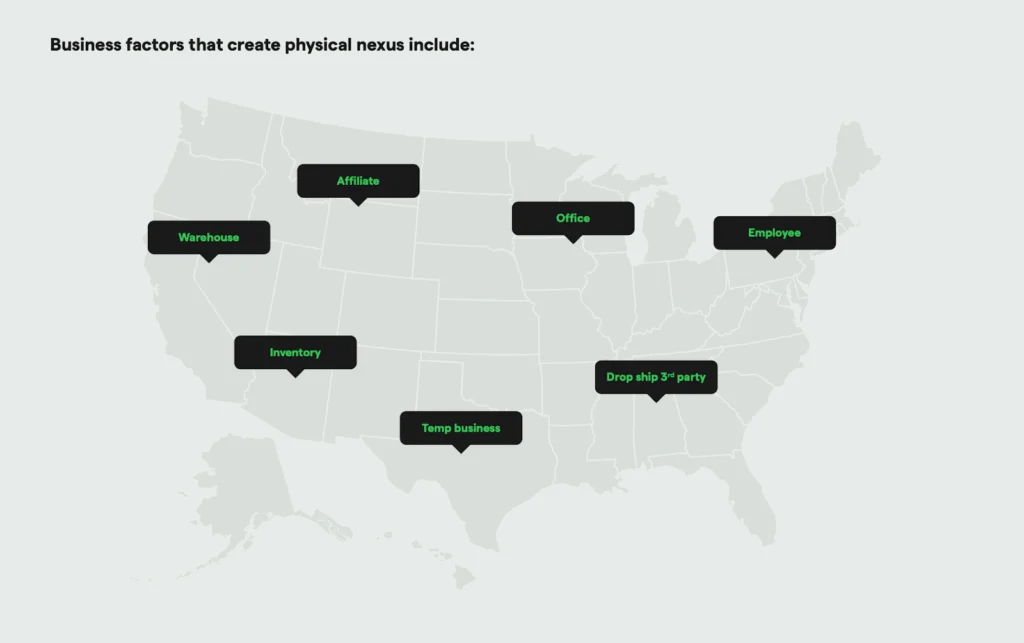
The (A) symbol denoted throughout the list indicates states where Amazon maintains fulfillment centers. Under the current interpretation of tax law, storing inventory in a third-party warehouse constitutes a physical presence, or "nexus." This is a critical distinction for sellers. While economic nexus thresholds (such as $100,000 in sales or 200 transactions) apply to remote sellers, physical nexus often requires a business to register and collect tax from the very first dollar of sales made to customers in that state.
In 2026, the expansion of logistics networks has meant that more states than ever host these facilities. For a business using FBA, inventory is frequently moved between hubs without the seller’s direct intervention. This creates a "trailing nexus" that can complicate audits if not monitored through sophisticated inventory tracking and tax automation software.
Supporting Data: The Cost of Compliance
The administrative burden of managing these 45+ unique deadlines is significant. Industry data from the Tax Foundation suggests that there are over 11,000 different sales tax jurisdictions in the United States when accounting for state, county, city, and special district taxes.
Research indicates that small to mid-sized enterprises (SMEs) spend an average of 15 to 25 hours per month on sales tax compliance activities during peak months like December. The financial impact of this time, combined with the cost of compliance software, represents a significant overhead. However, the cost of non-compliance is higher. State revenue departments have become increasingly adept at using data analytics to identify unregistered sellers, often resulting in look-back periods where several years of uncollected taxes, plus penalties, are assessed.
Official Responses and Regulatory Trends
State tax officials continue to emphasize the shift toward electronic filing. In statements regarding 2026 fiscal policies, several Departments of Revenue have reiterated that paper returns are increasingly discouraged and, in some states, subject to additional processing fees.
"Our goal is to streamline the bridge between commerce and the treasury," a representative from a Midwestern Department of Revenue noted in a recent policy briefing. "By utilizing automated systems, we reduce the margin of error that typically spikes during the high-volume December period."
Furthermore, there is a growing trend of "Marketplace Facilitator" laws. In most states, platforms like Amazon, eBay, and Etsy are required to collect and remit sales tax on behalf of their third-party sellers. However, this does not always absolve the seller of the requirement to file a "zero return" or to report sales made through their own independent websites.
Broader Implications and Strategic Analysis
The December 2026 sales tax calendar serves as a reminder of the fragmented nature of American fiscal policy. Unlike many other nations that utilize a centralized Value Added Tax (VAT), the U.S. system places the onus of calculation and timing on the business owner.
The implications for 2027 are also noteworthy. Filing a December return accurately is the first step toward a successful annual reconciliation. Many states require an annual return in January that summarizes the previous year’s activity. Discrepancies in the December filing can trigger red flags during the annual roll-up, leading to inquiries from state auditors.
Moreover, as the digital economy evolves, states are exploring "real-time" or "accelerated" remissions. While not yet universal in 2026, some jurisdictions are moving toward requiring large retailers to remit tax collections more frequently than once a month. The December prepayments required by California and New York are precursors to this potential shift toward a more instantaneous tax collection model.
For businesses looking to navigate the end of 2026 successfully, the strategy must involve three pillars: early data reconciliation, awareness of nexus-triggering activities (like warehouse usage), and a strict adherence to the chronological deadlines provided. As the complexity of state tax laws continues to increase, the reliance on automated solutions and expert guidance has shifted from a luxury to a fundamental requirement for operational stability.