Lina Irawan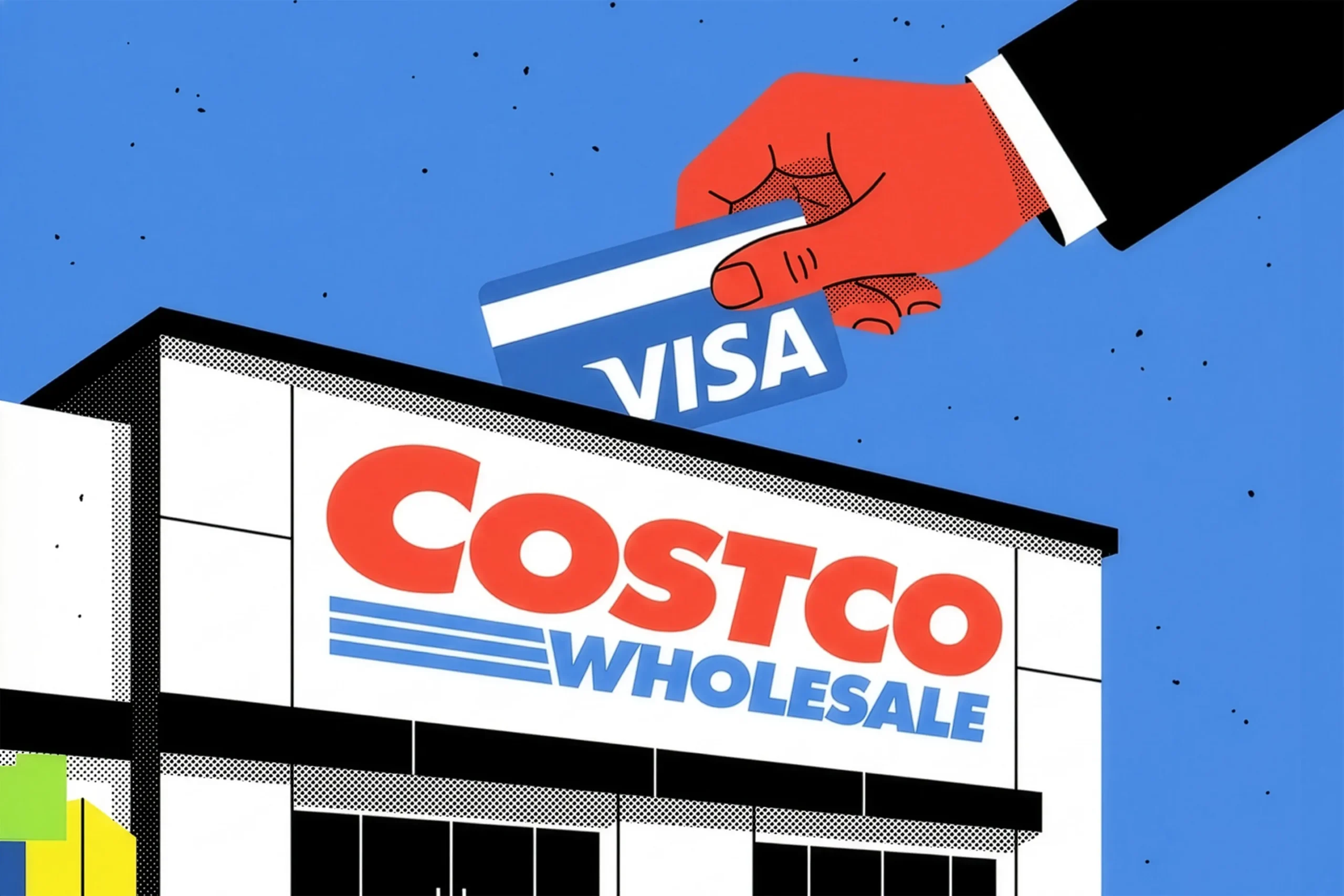
Navigating the unique world of Costco Wholesale often means embracing certain distinctive elements: the bracing chill of the dairy walk-in, the resourceful packing of purchases into repurposed boxes, and the final, familiar receipt check at the exit. Among these quirks, one stands out prominently in the modern retail landscape: Costco’s stringent credit card payment policy. Unlike virtually every other major retailer in the United States, Costco exclusively accepts credit cards operating on the Visa network for in-store purchases, a practice that has been firmly in place for nearly a decade. This singular approach is not merely a preference but a deeply embedded strategic pillar, influencing everything from operational costs to membership loyalty and setting Costco apart as a compelling anomaly in the competitive retail and payments industries.
The standard expectation for consumers shopping at large retail chains is universal acceptance of the four major credit card networks: Visa, Mastercard, American Express, and Discover. This widespread acceptance is a cornerstone of convenience in an increasingly cashless economy. Yet, Costco, with its formidable presence and loyal member base, has deliberately opted out of this convention. Eric Grover, principal at Intrepid Ventures and a former Visa executive, succinctly observes, "As far as I’m aware, they’re the only significant retailer that only accepts one credit card: Visa." This exclusivity, while well-known to its millions of members, prompts a deeper inquiry into its origins, its economic rationale, and its broader implications for both the warehouse giant and the wider payments ecosystem.
The Economic Engine Behind Exclusivity: Lowering Interchange Fees
At the heart of Costco’s Visa-only policy lies a powerful economic incentive: the relentless pursuit of lower operating costs, particularly credit card interchange fees. These fees, often referred to as "swipe fees," are a percentage of each transaction paid by merchants to the card-issuing bank and the payment network (like Visa) for processing credit card payments. For retailers operating on thin margins, these fees represent a significant operational expense, often totaling billions of dollars annually across the industry.
By committing its immense transaction volume solely to the Visa network, Costco gains unparalleled leverage in negotiating these interchange fees. Industry experts suggest that Costco secures some of the lowest credit card acceptance costs of any merchant in the United States. Aaron Klein, a senior fellow at the Brookings Institution and a payments expert, explains, "Costco is trying to lower the cost they charge at the register by lowering the interchange fees they pay by signing an exclusive relationship." This direct reduction in payment processing costs allows Costco to maintain its core value proposition: offering deeply discounted, bulk products to its members. The savings gleaned from these negotiations are not merely profit boosters but are passed on to members through competitive pricing, reinforcing the membership model and fostering an environment of exceptional value. This symbiotic relationship – lower fees enabling lower prices, which in turn drives membership and transaction volume – is a critical component of Costco’s enduring success.
A Historical Trajectory: From American Express to Visa
Costco’s journey through credit card exclusivity is not without its own detailed chronology, marked by a significant shift that reverberated throughout the financial and retail sectors. For nearly two decades, from 1999 to 2016, Costco maintained an exclusive partnership with American Express. During this era, only American Express credit cards were accepted for in-store purchases, and the co-branded credit cards issued in conjunction with Costco were naturally Amex cards. This arrangement was highly lucrative for American Express, providing it with a massive, captive audience of high-spending, loyal customers.
However, as the mid-2010s approached, Costco began exploring its options. The company, always keen to secure the most favorable terms for its members, sought a deal that could further reduce its operating expenses. This quest led to the monumental decision to terminate its long-standing agreement with American Express. When American Express announced in February 2015 that it would not be renewing its exclusive partnership with Costco, the market reacted sharply. American Express’s stock plummeted more than 6% in a single day, a clear indication of the profitability and strategic importance of the Costco portfolio to the financial services giant. Klein notes, "That’s a market reaction as to how profitable that deal was for Amex." The termination of this exclusive relationship, which had been one of the largest co-brand credit card partnerships in the world, sent shockwaves through the industry.
The subsequent transition was a complex, multi-party negotiation that ultimately reshaped Costco’s payment landscape. In February 2015, Costco announced a new, exclusive credit card agreement with Citi and Visa, committing to an initial 10-year term from the 2016 launch date. This intricate deal involved several key components:
- Citi’s Acquisition of Portfolio: Citi acquired American Express’s existing Costco credit card portfolio, a massive undertaking that involved migrating millions of customer accounts.
- Citi as Issuer: Citi became the exclusive issuer of Costco’s co-branded credit cards, introducing the "Costco Anywhere Visa Card by Citi" for everyday consumers and the "Costco Anywhere Visa Business Card."
- Visa as Network: Visa U.S.A. Inc. replaced American Express as the sole credit card network accepted at Costco warehouses in the United States and Puerto Rico. This was a critical distinction, as American Express functions as both a card issuer and a payment network, while Citi, like most banks, issues cards that run on separate networks such as Visa or Mastercard.
Costco’s 2015 Form 10-K filing explicitly detailed this shift: "Under the terms of the Program Agreement… Visa U.S.A. Inc. would replace American Express as the credit card network for Costco in the United States and Puerto Rico." Furthermore, the filing revealed that Costco would generate revenue from royalties when its credit cardholders used their co-branded cards at other stores, partially funding the robust cash back rewards offered by the Costco Anywhere Visa Card. This revenue stream further underscores the financial benefits Costco derives from its comprehensive credit card strategy.
The partnership with Citi and Visa proved so successful that in 2024, Costco extended the Citi agreement through June 2029, solidifying the Visa-only policy for the foreseeable future. This extension reflects Costco’s satisfaction with the terms and the ongoing financial benefits derived from this strategic alliance.
Broader Industry Impact: A Unique Business Model
Costco’s ability to maintain a single-network credit card policy while thriving is a testament to its distinctive business model, which fundamentally differs from almost every other major retailer. "It works because the economics of Costco’s business model are structurally different than almost every other major retailer in America," Klein asserts.
Most retailers operate in a highly competitive environment where customer convenience is paramount. Sacrificing even a small percentage of potential sales due to an inconvenient payment policy could quickly erode profits. As Grover explains, "The rule of the 12 to 15 million merchants in the U.S. is that you accept all the major credit cards: Discover, Visa, Mastercard and American Express." For these merchants, the potential loss of sales from customers who only carry a non-accepted card far outweighs any potential savings from negotiating lower swipe fees through exclusivity.
Costco, however, enjoys several unique advantages that allow it to defy this norm:
- Membership Model: Costco operates on a membership-fee model. Its customers pay an annual fee to access the warehouse, fostering a higher level of loyalty and commitment. Members view Costco shopping as a routine, often a significant part of their household budgeting, and are therefore more willing to adapt to specific store policies.
- Bulk Purchasing and Value Proposition: Customers visit Costco specifically for its bulk savings and perceived value. The low prices are a critical draw, directly linked to the company’s cost-saving strategies, including payment processing.
- High Transaction Volume and Basket Size: Costco transactions typically involve large basket sizes, meaning fewer, but larger, individual sales. This high volume of substantial purchases provides immense negotiating power.
- Customer Loyalty: Costco members are famously loyal. The inconvenience of a Visa-only policy is often mitigated by their overall satisfaction with the value and experience. This loyalty is evident in online communities, where numerous Reddit threads feature Costco customers actively seeking recommendations for new Visa credit cards specifically to facilitate their Costco shopping.
This unique confluence of factors allows Costco to leverage its immense market power to secure unparalleled terms from its payment partners. Retailers typically incur several fees for credit card transactions: network fees to companies like Visa, a markup to the payment processor, and a larger interchange fee to the card-issuing bank. Costco’s exclusive arrangement dramatically reduces the cumulative impact of these charges, contributing significantly to its competitive pricing strategy. Grover emphatically states, "They get the best – the lowest – acceptance cost for credit cards of any merchant in the United States by far." This strategic financial advantage is a powerful enabler of Costco’s low-price philosophy.
Navigating Costco’s Payment Policies: Options for Shoppers
While Costco’s Visa-only rule for credit cards is strict, it applies exclusively to credit card transactions made in-store. Shoppers who do not possess a Visa credit card or prefer not to use one have several readily available alternatives for payment, ensuring that all members can continue to enjoy the Costco experience.
The accepted payment methods beyond Visa credit cards include:
- Debit Cards: All major debit cards, regardless of their underlying network (Visa, Mastercard, Discover, or others), are accepted. Debit transactions typically incur lower fees for merchants than credit transactions, aligning with Costco’s cost-saving ethos.
- Cash: The most traditional form of payment remains universally accepted.
- Checks: Personal checks are accepted, provided they meet Costco’s verification requirements.
- EBT/SNAP: Electronic Benefits Transfer (EBT) and Supplemental Nutrition Assistance Program (SNAP) cards are accepted for eligible food purchases.
- Costco Shop Cards: These are essentially gift cards specific to Costco. They can be purchased at Costco warehouses or online at Costco.com. Crucially, Costco.com offers broader payment acceptance, including Mastercard credit cards, which provides a convenient workaround for members who primarily use non-Visa credit cards but still wish to leverage their credit card rewards for Costco purchases. A member could, for instance, use a Mastercard credit card to purchase a Costco Shop Card online and then use the Shop Card for in-store purchases.
- Visa Gift Cards: Another "hack" popular among some online communities involves purchasing a Visa gift card using a non-Visa credit card at an external retailer, then using that Visa gift card for purchases at Costco. While this method can allow shoppers to indirectly use a non-Visa credit card at Costco and potentially earn rewards on the gift card purchase, it comes with caveats. Policies vary by issuer, and some credit card companies may classify gift card purchases as cash advances, which can incur higher fees and interest rates. Shoppers are advised to check their card’s terms and conditions before attempting this strategy.
It is also worth noting that Costco.com, the company’s e-commerce platform, generally accepts a wider range of payment methods than its physical warehouses, often including Mastercard credit cards. This offers an additional avenue for members to shop Costco’s offerings if their primary credit card is not a Visa.
Conclusion: A Strategic Imperative for a Retail Giant
Costco’s enduring commitment to its Visa-only credit card policy is far more than a mere operational detail; it is a foundational component of its economic strategy. By leveraging its immense purchasing power and unique membership model, Costco secures unparalleled advantages in payment processing fees, which directly translates into the competitive pricing that defines its brand. This calculated departure from standard retail payment practices underscores Costco’s unwavering focus on delivering maximum value to its members, even if it requires a slight adjustment to their payment habits.
The history of its partnerships, from American Express to Citi and Visa, illustrates a relentless pursuit of the best possible terms to uphold its low-cost promise. While the model remains an anomaly in the broader retail landscape, its continued success and recent extension through 2029 confirm its efficacy for Costco. For millions of loyal members, adapting to this payment policy is a small price to pay for the significant savings and unique shopping experience that only Costco can provide, solidifying its position as a truly distinct and strategically brilliant player in the global retail arena.