Lina Irawan
The digital asset landscape, characterized by rapid innovation and evolving regulatory frameworks, is largely facilitated by cryptocurrency exchanges. These platforms serve as critical gateways for investors to buy, sell, and trade a vast array of digital currencies, bridging the gap between traditional finance and the nascent Web3 economy. This article delves into the leading crypto exchanges, examines the intricate fee structures, explores the crucial aspects of security and user experience, and provides essential context on the industry’s regulatory trajectory and recent developments.
Leading Platforms Shaping the Crypto Trading Landscape
The selection of a crypto exchange is a pivotal decision for both novice and experienced investors, influenced by factors such as asset availability, fee structures, security protocols, and user interface. Several platforms consistently stand out for their robust offerings and market presence.
Kraken: A Bastion of Security and Advanced Trading
Kraken, established in 2011, has solidified its reputation as a venerable and highly secure centralized exchange. With a track record free from major hacks – a significant achievement in an industry frequently targeted by cybercriminals – Kraken consistently earns high marks across major security assessment platforms. This longevity and unblemished security record instill considerable confidence among its user base. The exchange offers an expansive selection of over 700 cryptocurrencies and 1,500 trading pairs, catering to a diverse range of investment strategies. Its professional trading platform, Kraken Pro, is particularly lauded for its competitive spot trading fees, which range from 0.40% down to 0.00% for makers and 0.80% down to 0.05% for takers, depending on trading volume. Kraken Pro also provides a highly customizable dashboard with more than 25 trading and market data widgets, alongside supporting margin and derivatives trading, a feature with limited availability in the U.S. market. The platform’s Kaiko Exchange Score of 77 (AA) and CoinGecko Trust Score of 10/10 underscore its operational integrity and market reliability.
Coinbase: The Gateway for New Crypto Investors
Coinbase has become synonymous with user-friendliness, effectively lowering the entry barrier for new participants in the crypto market. Its intuitive interface and streamlined onboarding process enable quick identity verification and trading initiation. The platform actively promotes crypto literacy through initiatives like Coinbase Earn, which rewards users with small amounts of cryptocurrency for learning about various digital assets. Security is a cornerstone of Coinbase’s operations, featuring six types of two-factor authentication and the option to store funds in a vault with time-delayed withdrawals. Critically, Coinbase offers FDIC protection for USD cash balances (up to $250,000) and maintains crime insurance policies that safeguard custodial accounts against losses from theft, including cybersecurity breaches, providing a robust safety net unparalleled by many competitors. Trading fees on Coinbase typically hover around 2% for instant buy/sell (ACH), while its advanced platform, Coinbase Advanced, offers more competitive rates ranging from 0.40% down to 0.00% for makers and 0.60% down to 0.05% for takers. The exchange boasts a Kaiko Exchange Score of 80 (A) and a CoinGecko Trust Score of 10/10, reflecting its strong market position and trusted operations.
Crypto.com: A Rewards-Centric Ecosystem
Crypto.com distinguishes itself through its comprehensive rewards programs, which are deeply integrated with its native Cronos (CRO) token. Its U.S. Visa Signature credit card offers tiered cashback rewards ranging from 1.5% to an impressive 6%, complemented by a welcome bonus of up to $300 based on initial spending. Additionally, its prepaid debit Visa card provides up to 5% back on everyday expenditures such as groceries, gas, and dining. While higher reward tiers necessitate substantial CRO staking, the breadth of incentives—including competitive staking yields, referral bonuses, trading volume rebates, and reimbursements for streaming services—positions Crypto.com as a leader in maximizing user value within the crypto space. These benefits are underpinned by the platform’s high liquidity, ensuring smooth transactions, and a robust security infrastructure. Trading fees typically range from 1%-2% for instant buy/sell on the app, with lower rates on the regular exchange (0.25%-0.08% for makers, 0.50%-0.18% for takers). Crypto.com holds a Kaiko Exchange Score of 82 (AA) and a CoinGecko Trust Score of 9/10.
Uphold: The Multi-Asset Trading Innovator
Uphold offers a unique "anything-to-anything" trading model, allowing users to seamlessly transition between cryptocurrencies, precious metals (like gold and silver), and even U.S. equities without the intermediate step of converting to fiat currency. This multi-asset approach, combined with a user-friendly interface optimized for portfolio management rather than active day trading, appeals to a broad spectrum of investors. The platform supports over 200 cryptocurrencies, major metals, and more than 40 national currencies. Uphold also simplifies passive income generation through staking on over 20 assets, with clearly delineated rates and no complex tier systems, enhancing its appeal for those seeking straightforward yield opportunities. Trading fees range from 1.80% to 1.95% for BTC and ETH, 2.55% to 3.10% for altcoins, and under 0.25% for most stablecoins.
Webot (formerly Pionex.US): Pioneering AI Trading Bots
Webot stands out for its integration of 16 free, built-in AI trading bots, accessible without requiring coding expertise or external integrations. These bots cater to various strategies, from basic functions like recurring buys and oscillating order settings to advanced algorithms such as Grid, DCA (Martingale), and Rebalancing bots. The platform enhances trade execution by sourcing liquidity from major exchanges like Binance and HTX, ensuring tighter spreads and smoother operations, particularly beneficial for high-frequency bot-driven strategies. Webot’s flat 0.05% maker/taker fee is highly competitive, making it an attractive option for traders where cost efficiency is paramount.
Uniswap: The Decentralized Exchange Vanguard
Uniswap represents the pinnacle of decentralized exchange (DEX) technology, operating as a fully on-chain protocol where users conduct trades directly from their crypto wallets. This model fundamentally eliminates counterparty risk, establishing Uniswap as a foundational pillar of decentralized finance (DeFi). With billions in total value locked and deployments across numerous blockchain networks, Uniswap’s influence is pervasive. The platform’s fourth iteration introduces advanced features such as customizable liquidity pools, dynamic fees, and on-chain limit order capabilities, progressively bridging the functionality gap with centralized exchanges while preserving its decentralized ethos. Its availability on Layer 2 networks like Arbitrum, Optimism, and Base significantly reduces transaction costs, often to just cents per swap, making decentralized trading more accessible and affordable. Uniswap charges a 0.3% liquidity fee.
Other Notable Contenders in the Exchange Ecosystem
While the aforementioned platforms represent top-tier choices, several other well-known exchanges offer compelling features but may not excel across all criteria.
Binance.US: Known for its highly competitive trading fees, starting around 0.1% with additional discounts, Binance.US appeals to cost-conscious traders. However, regulatory pressures in the U.S. have periodically impacted its operations, leading to restrictions on USD deposits and withdrawals and a narrowing of product offerings. This has somewhat diminished its competitive edge despite its low fees.
Bitstamp: As one of the longest-running crypto exchanges, Bitstamp, now owned by Robinhood, has built a reputation on regulatory compliance, security, and reliability. It holds licenses across the U.S. and Europe, maintaining approximately 95% of customer assets in cold storage with 1:1 backing. Despite its transparency and low fees, a comparatively smaller asset selection and fewer advanced features place it behind some market leaders.
Gemini: Gemini offers an intuitive user experience, robust custody practices, and support for nearly 100 cryptocurrencies. It provides an advanced interface for active traders and institutional-grade infrastructure. The primary drawback for Gemini has been its higher standard trading fees and spreads compared to many rivals. However, its recent approval from the U.S. Commodity Futures Trading Commission to operate a regulated derivatives clearinghouse could significantly alter its market position and product offerings, particularly in sophisticated trading products.
Understanding the Mechanics of Crypto Exchanges
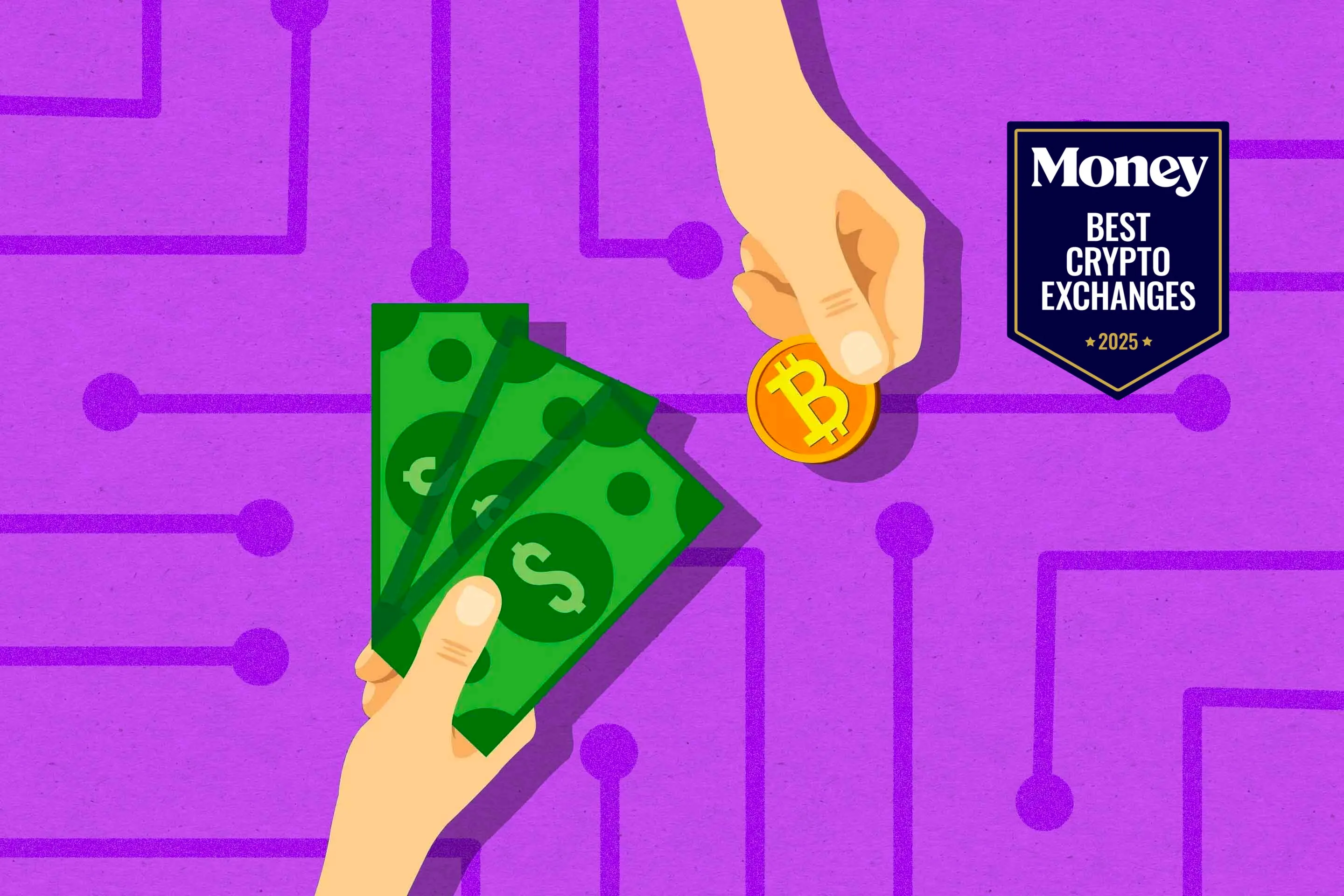
Crypto exchanges are the fundamental infrastructure enabling the trading of digital assets like Bitcoin (BTC) and Ether (ETH) against other cryptocurrencies or fiat currencies. They act as intermediaries, providing a structured environment for users to engage in various crypto transactions. Beyond basic buying and selling, exchanges often offer additional services, including crypto staking (earning rewards by locking up coins), cashback card programs, and tools for Web3 developers. Their importance is amplified by the fact that many traditional investment firms do not yet directly support crypto trading, making exchanges the primary point of access for most investors.
The Duality of Centralized vs. Decentralized Exchanges
The crypto exchange ecosystem is broadly divided into two primary types, each with distinct operational models and inherent risks.
Centralized Exchanges (CEX): Platforms like Coinbase, Kraken, and Gemini are CEXs, operated by private companies that facilitate trading through their proprietary systems. CEXs typically boast higher trading volumes, deeper liquidity, and a wider array of trading pairs. They are often preferred by beginners due to their user-friendly interfaces, simplified onboarding processes, and readily available customer support. However, using a CEX requires users to entrust the platform with the custody of their funds and to provide personal information for identity verification (Know Your Customer or KYC), which may raise privacy concerns for some.
Decentralized Exchanges (DEX): Exemplified by Uniswap and Bisq, DEXs operate without a central authority, embodying the ethos of Bitcoin. Most modern DEXs are built on blockchains, maintained by decentralized networks of computers. They function more like marketplaces, facilitating peer-to-peer trading and granting users full control over their assets. This model eliminates counterparty risk—the risk that the exchange itself might fail or be compromised. However, DEXs typically present a steeper learning curve, may have lower liquidity for certain assets, and lack traditional customer support channels, making them more suitable for experienced users comfortable with self-custody.
The Nuances of Crypto Exchange Fees
Understanding the various fees associated with crypto exchanges is crucial for managing investment costs. These fees constitute the primary revenue streams for most platforms and can vary significantly based on the exchange and the transaction type.
Trading Fees: These are levied when buying or selling crypto. Many spot exchanges utilize a "maker-taker" fee model. A maker places an order that adds liquidity to the order book (e.g., a limit order that doesn’t fill immediately), often incurring a lower fee. A taker places an order that removes liquidity (e.g., a market order that fills instantly), typically paying a higher fee. These fees are often tiered, decreasing as trading volume increases, and some exchanges offer discounts for using their native tokens.
Spread Fees: Some exchanges incorporate a "spread" into the price of a cryptocurrency. This is the difference between the buying price (ask) and the selling price (bid) offered by the exchange. While not explicitly listed as a fee, the spread effectively represents a cost embedded in the transaction. For instance, if Bitcoin’s market price is $90,000, an exchange might sell it for $90,300 and buy it for $89,700, with the $600 difference being the spread. Spreads are common with "instant buy" features, which, while convenient, are generally more expensive than maker-taker spot trades.
Deposit and Withdrawal Fees: These charges apply when moving funds into or out of an exchange. Fees vary widely depending on the payment method and asset type. Bank transfers (ACH, wire, SEPA) are often free or low-cost, whereas credit and debit card deposits can incur fees ranging from 2% to 5%. Crypto withdrawals typically involve blockchain network fees (e.g., Ethereum’s gas fees) and, occasionally, additional platform-specific withdrawal fees.
Network Fees (Gas Fees): These fees are paid to the miners or validators who process and secure transactions on a blockchain. Critically, network fees are determined by blockchain activity and congestion, not by the exchanges themselves. While many centralized exchanges absorb or pass on this cost, sometimes allowing users to pay more for faster processing, users on decentralized exchanges directly pay these fees as part of their peer-to-peer transactions.
Recent Industry Developments and Regulatory Outlook
The crypto exchange landscape is in a constant state of flux, driven by technological advancements, market demands, and evolving regulatory pressures.
Coinbase’s Derivatives Consolidation: In a strategic move, Coinbase is consolidating its international derivatives exchange with Deribit, the crypto options platform it acquired last year. This transition positions Deribit as the primary venue for Coinbase’s global derivatives business, aiming to combine liquidity for perpetuals, futures, and options on a single platform. This integration grants eligible Coinbase users access to crypto options and provides Deribit users with a broader selection of perpetual contracts and access to Coinbase’s spot markets. This development underscores a broader industry trend where major exchanges are expanding beyond basic spot trading into more sophisticated financial products, catering to a maturing investor base seeking advanced hedging and speculative tools.
SEC’s Proposed "Regulation Crypto Assets": The U.S. Securities and Exchange Commission (SEC) introduced a proposed regulatory framework in August, "Regulation Crypto Assets," which could significantly reshape how certain cryptocurrencies are issued and traded in the U.S. The proposal aims to create new exemptions for specific crypto offerings and establish a conditional safe harbor under which some assets might no longer be classified as investment contracts. If finalized, these rules could offer much-needed clarity to exchanges and token issuers regarding which assets fall under federal securities laws. This regulatory clarity is critical, as the ambiguous legal status of many digital assets has been a persistent challenge for U.S. trading platforms, influencing their listing decisions and product offerings to customers. The outcome of this proposal will have profound implications for market participants, potentially fostering greater institutional adoption and innovation by reducing legal uncertainties.
Ensuring Security in the Digital Asset Realm
The safety of funds and personal information is paramount for crypto exchange users. Reputable exchanges implement stringent security measures, including:
- Cold Storage: Storing a significant portion of customer assets offline, isolated from internet-connected systems, to minimize the risk of hacking.
- Multi-Factor Authentication (MFA): Requiring multiple forms of verification (e.g., password, SMS code, authenticator app) to access accounts.
- Encryption: Utilizing TLS/SSL encryption to secure data transmission between users and the exchange.
- Regular Audits and Bug Bounties: Conducting frequent security audits by third-party experts and running bug bounty programs to identify and rectify vulnerabilities.
- Insurance Policies: Some exchanges offer insurance to cover losses resulting from internal errors or cybersecurity breaches, as seen with Coinbase’s crime insurance.
Despite these measures, users are advised to employ strong passwords, enable all available security features, and consider self-custody for large holdings, as no centralized platform is entirely impervious to risk.
The Evolution of User Experience and Innovation
Beyond security and fees, a superior user experience (UX) is a key differentiator. This encompasses:
- Intuitive Interfaces: Clean, easy-to-navigate desktop and mobile platforms catering to both beginners and advanced traders.
- Educational Resources: Comprehensive tutorials, guides, and explainers that help users understand crypto fundamentals and platform functionalities.
- Research Tools: Access to real-time market data, coin filtering options, and performance metrics (e.g., market capitalization, price trends) to inform trading decisions.
- Innovative Features: The integration of AI trading bots (Webot), multi-asset trading (Uphold), and robust rewards programs (Crypto.com) demonstrate the ongoing drive for innovation to attract and retain users.
As the crypto market matures, the competitive landscape of exchanges will continue to evolve, driven by a blend of regulatory developments, technological innovation, and an unwavering focus on security and user-centric design.