Lina Irawan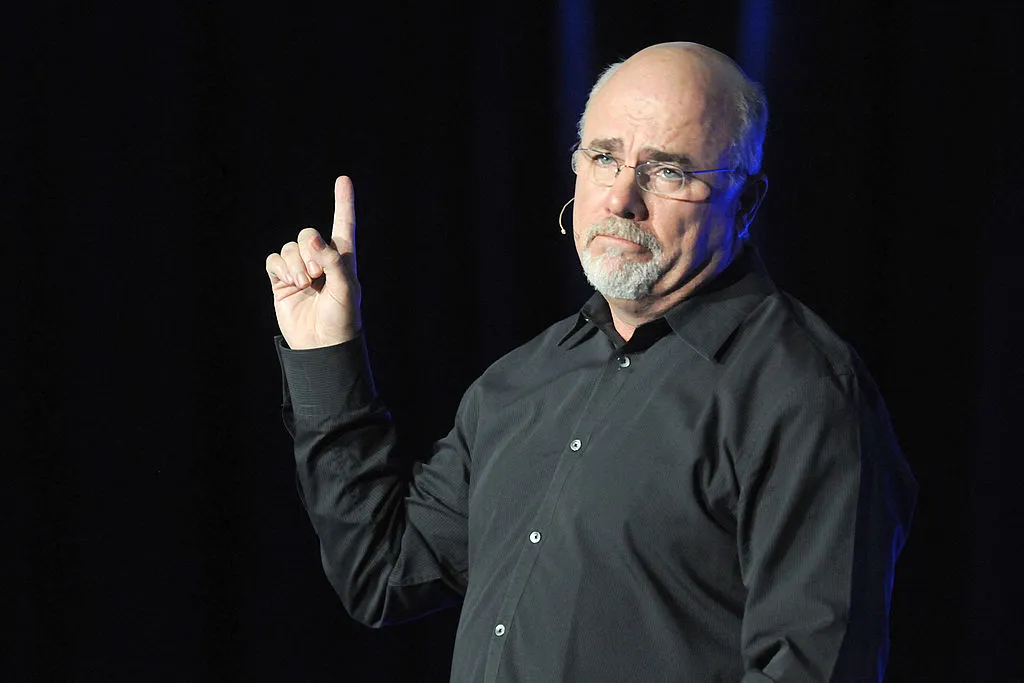
As individuals navigate the complex terrain of financial planning, the approach to retirement stands as a pivotal period demanding heightened strategic foresight and disciplined execution. While financial prudence is a lifelong endeavor, its criticality escalates significantly in the years preceding one’s exit from the workforce. The stakes are particularly high for those in their 50s and beyond, as decisions made during this phase can profoundly impact the quality and security of their post-career lives. Renowned personal finance authority Dave Ramsey, celebrated for his unwavering advocacy for debt-free living and meticulous budgeting, has consistently offered prescriptive guidance aimed at fortifying one’s financial position for retirement. His counsel often distills into clear, actionable warnings against common pitfalls that, if unheeded, could jeopardize long-term financial stability. This article delves into three primary financial planning mistakes Ramsey identifies as crucial to avoid when contemplating retirement, contextualizing his advice within the broader economic realities and demographic shifts impacting modern retirees.
Dave Ramsey’s philosophy, cultivated over decades through his syndicated radio show, best-selling books, and widespread financial education programs under Ramsey Solutions, centers on a "Baby Steps" approach to personal finance. This methodology systematically guides individuals from debt elimination to wealth building, with an overarching emphasis on living within one’s means, saving diligently, and investing prudently. His principles resonate with millions, particularly those seeking a straightforward, no-nonsense path to financial freedom. For pre-retirees, Ramsey’s framework serves as a potent reminder that the foundational habits of financial discipline are paramount, even as the finish line of retirement comes into view. Neglecting these fundamental tenets, particularly concerning debt, budgeting, and realistic income expectations, can undermine even the most robust retirement aspirations.
The Peril of Retiring with Debt: A Foundation Undermined
Among the most emphatic warnings issued by Dave Ramsey is the admonition against entering retirement saddled with debt. His perspective is unequivocal: carrying liabilities such as mortgages, car loans, credit card balances, or personal loans into a period of fixed income is a significant financial misstep. While a substantial nest egg might create an illusion of manageability, the reality of reduced income streams in retirement, coupled with the potential for unforeseen expenses, can quickly transform manageable debt into a crippling burden.
The financial landscape for retirees has evolved dramatically. According to data from the Federal Reserve, the average debt held by households headed by someone 65 or older increased significantly over the past two decades. For instance, mortgage debt among older Americans has become increasingly common. A 2022 study by the Stanford Center on Longevity found that the share of homeowners aged 65 and older with mortgage debt nearly doubled between 1989 and 2016, from 22% to 41%. Furthermore, the median amount of mortgage debt also saw a substantial rise. Similarly, credit card debt, though often smaller in individual amounts, can pose a disproportionately high risk due to elevated interest rates. Experian’s 2023 data indicated that older Americans are not immune to credit card debt, with average balances sometimes exceeding what their fixed incomes can comfortably service. These statistics underscore Ramsey’s concern, illustrating a widespread trend that directly contradicts his advice for financial security in retirement.
Ramsey’s core argument against retirement debt is multifaceted. Firstly, it diverts precious retirement income away from discretionary spending or critical needs, instead funneling it towards interest payments. This reduces the retiree’s financial flexibility and often necessitates a more austere lifestyle than anticipated. Secondly, debt introduces an element of risk. A sudden medical emergency, a major home repair, or an unexpected market downturn could deplete savings, making debt payments unsustainable and potentially leading to a cascading financial crisis. The psychological toll of debt, characterized by stress and anxiety, is also a significant factor that Ramsey frequently highlights, emphasizing that retirement should be a period of peace, not financial apprehension.
His recommendation is clear: aggressively tackle and eliminate all forms of debt before transitioning into retirement. This "attack debt with intensity" strategy not only frees up future cash flow but also allows for an extended period of wealth accumulation. Those extra few years of debt-free living can be leveraged to maximize contributions to retirement accounts, benefiting from compound interest and market gains. This additional growth provides a larger, more resilient nest egg, offering greater flexibility and the capacity to enjoy retirement without the constant worry of outstanding obligations. The ultimate goal, as Ramsey posits, is to ensure that retirees can spend on what they truly enjoy, rather than being financially "strapped" by past borrowing decisions.
The Indispensability of Budgeting: A Roadmap for Retirement Spending
Beyond debt elimination, Dave Ramsey steadfastly champions the practice of budgeting as an essential financial discipline, not merely for pre-retirees but for individuals across all life stages. Far from being a restrictive punishment, Ramsey reframes budgeting as "permission to spend," a proactive tool that aligns expenditures with income, savings goals, and, crucially, long-term aspirations like a secure retirement. This perspective is particularly pertinent as individuals approach retirement, when income streams become fixed and the margin for error diminishes significantly.
The absence of a robust budget can lead to substantial financial miscalculations, often resulting in overspending on significant lifestyle components. Common examples include purchasing homes larger or more expensive than one can comfortably afford in retirement, or opting for luxury vehicles when a more economical, used option would better serve long-term financial health. These "lifestyle creep" expenditures, while potentially manageable during peak earning years, can become unsustainable drains on a fixed retirement income. Data from the Bureau of Labor Statistics consistently shows that housing and transportation represent the largest categories of expenditure for American households, and these costs do not magically disappear in retirement. Without a budget, these expenses can easily spiral beyond a retiree’s means, eroding savings and compromising financial independence.
Ramsey’s budgeting methodology typically involves meticulously tracking every dollar, assigning it a purpose before the month begins – a practice often referred to as "zero-based budgeting." This proactive allocation ensures that essential expenses are covered, debt payments are made, and dedicated funds are set aside for savings and investments. Once these critical financial obligations are met, the remaining funds can be allocated for discretionary spending without guilt or worry. This structured approach provides clarity on cash flow, empowers individuals to make conscious spending choices, and, critically, helps prevent the gradual erosion of retirement savings through unplanned expenditures.
For those nearing retirement, establishing and rigorously adhering to a budget serves multiple vital functions. Firstly, it provides a realistic snapshot of post-retirement income and expenses, allowing for adjustments before retirement actually begins. This foresight can reveal potential shortfalls, prompting individuals to either increase savings, reduce anticipated spending, or consider working longer. Secondly, a budget instills the discipline necessary to manage a fixed income effectively. Unlike working years where income might increase, retirement income is largely static, making precise allocation critical. Thirdly, it offers peace of mind, knowing that every financial obligation is accounted for and that there is a clear roadmap for utilizing one’s financial resources throughout retirement. In an era where financial literacy is increasingly vital, Ramsey’s emphasis on consistent, disciplined budgeting provides a fundamental tool for navigating the financial complexities of retirement.
The Illusion of Sole Reliance on Social Security: A Critical Reassessment
The third major financial planning mistake identified by Dave Ramsey is the perilous overestimation of Social Security benefits as a primary or sole source of retirement income. While Social Security serves as an indispensable safety net, providing a foundational level of income for millions of retirees, it was never designed to cover all living expenses. Many individuals nearing retirement harbor unrealistic expectations regarding the adequacy of these benefits, often underestimating their actual monthly costs of living, particularly as expenses like healthcare continue to escalate.
The reality of Social Security benefits often falls short of common perceptions. As of 2023, the average Social Security benefit for a retired worker was approximately $1,827 per month, or about $21,924 per year. While this provides a crucial income floor, it pales in comparison to the average annual expenditures for retirees. According to the Bureau of Labor Statistics Consumer Expenditure Survey, households headed by someone 65 and older spend, on average, over $52,000 annually. This significant disparity underscores the gap between Social Security benefits and actual living costs, revealing that a substantial portion of retirement expenses must be covered by other income streams.
Moreover, the decision of when to claim Social Security benefits carries significant financial implications. While individuals can begin receiving benefits as early as age 62, doing so results in a permanent reduction of monthly payments compared to waiting until their Full Retirement Age (FRA), which ranges from 66 to 67 depending on birth year. Delaying benefits beyond FRA, up to age 70, further increases monthly payments, offering a potential boost of 8% per year for each year delayed. Ramsey’s advice implicitly encourages a strategic approach to claiming benefits, advising against premature claiming if it means relying on an even smaller payment to cover a disproportionately larger cost of living.
Ramsey’s counsel is to view Social Security as supplementary income rather than the cornerstone of one’s retirement funding. This perspective is rooted in a pragmatic understanding of rising costs, particularly in the realm of healthcare. According to Fidelity Investments, a 65-year-old couple retiring in 2023 can expect to spend, on average, $315,000 on healthcare costs throughout retirement. This figure does not even include potential long-term care expenses. Such staggering costs highlight the absolute necessity of building a robust personal nest egg – through 401(k)s, IRAs, and other investment vehicles – to cover living expenses, medical needs, and desired retirement goals like travel or hobbies.
The broader implications of over-relying on Social Security are significant. It places individuals at the mercy of inflation, which erodes the purchasing power of fixed benefits over time. It also exposes retirees to the ongoing political debates surrounding Social Security’s long-term solvency, which, while projected to continue paying out benefits, may face future adjustments without legislative action. The 2023 Trustees’ Report projected that Social Security’s trust funds will be able to pay 100% of scheduled benefits until 2033, after which they will be able to pay about 80% of scheduled benefits if no legislative changes are made. While this does not mean the system will collapse, it does imply potential future reductions, further reinforcing the need for diversified income sources.
Therefore, aspiring retirees must shift their focus beyond merely when they can retire to a comprehensive understanding of how they can retire sustainably. This involves a rigorous calculation of anticipated expenses, accounting for inflation and escalating healthcare costs, and then strategically building a diversified portfolio of assets that can generate sufficient income to complement Social Security. By doing so, Social Security can indeed provide valuable additional funds, but crucially, it will not bear the sole burden of funding an entire retirement lifestyle, thus offering a more secure and fulfilling post-career experience.
Broader Implications and the Evolving Retirement Landscape
The insights provided by Dave Ramsey on debt, budgeting, and Social Security resonate deeply within the context of an evolving retirement landscape. Historically, many retirees could rely on a "three-legged stool" of retirement income: employer-sponsored pensions, personal savings, and Social Security. Today, the pension landscape has largely disappeared for the majority of private sector workers, replaced by defined contribution plans like 401(k)s, which place the onus of saving and investing squarely on the individual. Concurrently, increasing life expectancies mean that retirement periods are longer, often extending to 20 or even 30 years, necessitating a larger nest egg and more sophisticated planning to avoid outliving one’s savings.
The warnings against debt, the advocacy for budgeting, and the realistic assessment of Social Security are not just isolated pieces of advice; they form a cohesive strategy for navigating these modern challenges. Eliminating debt before retirement maximizes available income for living expenses and discretionary spending. A rigorous budget ensures that fixed incomes are managed effectively, preventing financial strain. A diversified income strategy, built on robust personal savings and investments, provides the necessary buffer against the limitations of Social Security and the unpredictability of economic shifts and healthcare costs.
Moreover, Ramsey’s emphasis on financial discipline underscores the increasing importance of financial literacy. In an environment where individuals are largely responsible for their own retirement security, understanding the principles of debt management, saving, investing, and realistic financial projections is paramount. Educational initiatives, both formal and informal, that promote these fundamental concepts are vital for empowering future generations of retirees. The psychological implications of financial preparedness also extend beyond individual households, impacting broader societal well-being by reducing the burden on social safety nets and fostering greater economic stability.
In conclusion, Dave Ramsey’s steadfast advice for those nearing retirement serves as a crucial blueprint for financial resilience. By proactively addressing debt, embracing disciplined budgeting, and adopting a realistic view of Social Security’s role, individuals can significantly enhance their prospects for a secure, fulfilling, and stress-free retirement. The journey to financial independence in retirement is not merely about accumulating wealth; it is about cultivating the habits and making the strategic decisions that ensure that wealth can be enjoyed without undue financial anxiety in the golden years.