Nila Kartika Wati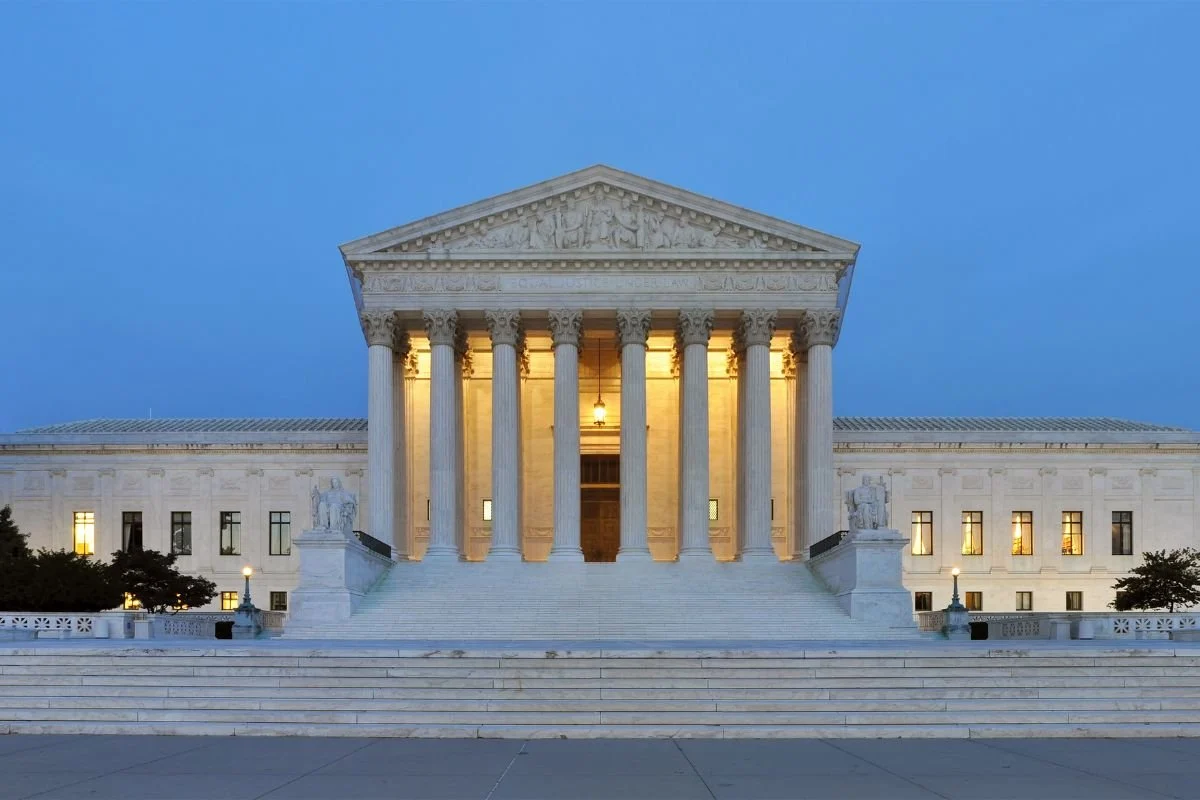
The United States Supreme Court has intervened in a high-stakes legal battle over the distribution of mifepristone, issuing a temporary stay on a lower court’s ruling that would have effectively banned the delivery of abortion medication through the mail. This decision, handed down on May 4, ensures that telehealth access to the drug remains available across the country at least until May 11 at 5:00 p.m. ET. The move provides the nation’s highest court with a narrow window to determine whether to allow more permanent restrictions to take effect or to preserve the regulatory status quo established by the Food and Drug Administration (FDA) in recent years.
This latest judicial development marks a critical juncture in the ongoing effort to define the boundaries of reproductive healthcare in a post-Roe v. Wade landscape. As states across the country implement varying degrees of abortion restrictions, telehealth has emerged as a primary vehicle for patients seeking care, particularly those residing in jurisdictions with total or near-total bans. The Supreme Court’s eventual ruling in this case, which centers on the FDA’s 2023 decision to allow virtual prescribing and mail-order delivery, could fundamentally alter the accessibility of reproductive services for millions of Americans.
The Historical Context of Mifepristone Regulation
Mifepristone was first approved by the FDA in 2000 as part of a two-drug regimen for medical abortion, alongside misoprostol. For more than two decades, the drug has been subject to rigorous scientific review and clinical monitoring. Initially, the FDA imposed strict Risk Evaluation and Mitigation Strategy (REMS) protocols, which required the drug to be dispensed only in person at hospitals, clinics, or medical offices.
However, as clinical data continued to demonstrate the drug’s high safety profile, the FDA began incrementally easing these restrictions. In 2016, the agency extended the window for use from seven to ten weeks of pregnancy and reduced the required number of in-person visits. The most significant shift occurred during the COVID-19 pandemic when the FDA exercised enforcement discretion to allow the drug to be sent by mail, a policy that was made permanent in early 2023. This regulatory evolution paved the way for the rise of telehealth abortion services, which now account for an estimated 25 percent of all abortions performed in the United States, according to data from the Society of Family Planning.
The Legal Challenge and the Question of Standing
The current case, brought by the State of Louisiana, represents a new front in the litigation surrounding mifepristone. While a previous challenge by the Alliance for Hippocratic Medicine was dismissed by the Supreme Court in 2023 due to a lack of "standing"—the legal right to sue based on a direct injury—Louisiana Attorney General Liz Murrill has sought to overcome this hurdle by presenting specific plaintiffs. The case highlights the testimony of a woman who alleges she was coerced into taking abortion pills obtained through a telehealth provider.
Opponents of the FDA’s current protocols argue that the removal of in-person requirements endangers women’s health and facilitates reproductive coercion. However, mainstream medical organizations, including the American College of Obstetricians and Gynecologists (ACOG), maintain that medication abortion via telehealth is a safe and effective alternative to in-person care. These organizations point to a wealth of peer-reviewed research showing that serious complications occur in less than 1 percent of cases. Furthermore, sociological research suggests that reproductive coercion is more frequently associated with individuals being forced to carry pregnancies to term against their will, rather than being forced to terminate them.
Clinical Implications of a Potential Ban
Should the Supreme Court allow the lower court’s restrictions to stand, the immediate impact would be the prohibition of mifepristone delivery via mail and a return to the pre-2021 requirement of in-person clinical visits. Such a shift would force providers to pivot to alternative protocols, most notably a misoprostol-only regimen.
The differences between the two-drug regimen and the misoprostol-only approach are significant from both a clinical and patient-experience perspective:
- Efficacy: The combination of mifepristone and misoprostol is successful in terminating early pregnancies in 95 to 99 percent of cases. In contrast, misoprostol-only protocols have an efficacy rate of approximately 88 percent.
- Side Effects: Patients using only misoprostol often report more intense cramping, heavier bleeding, and a higher incidence of gastrointestinal distress.
- Medical Follow-up: Because the misoprostol-only method is slightly less effective, it is associated with a higher rate of surgical intervention to complete the abortion process, potentially leading to more emergency room visits.
Professional associations, including the National Abortion Federation, have already issued guidance to members on how to implement misoprostol-only protocols as a contingency measure. Planned Parenthood affiliates and independent telehealth practices, such as the Massachusetts Medication Abortion Project, have confirmed they are prepared to continue services using misoprostol if mifepristone access is curtailed.
The Comstock Act and Federal Overreach
A central and highly contentious element of the Louisiana case involves the invocation of the Comstock Act of 1873. This long-dormant federal anti-obscenity statute prohibits the mailing of "obscene, lewd, or lascivious" materials, as well as any "article or thing" intended for producing an abortion.
For decades, the Comstock Act was considered obsolete, superseded by modern constitutional jurisprudence. However, anti-abortion advocates and some legal scholars on the right have argued that the law remains in effect and should be used to ban the mailing of all abortion-related medications nationwide. If the Supreme Court were to adopt this interpretation, it would not only end telehealth for mifepristone but could potentially criminalize the shipment of misoprostol and surgical equipment as well. To date, the executive branch under both the Biden and Trump administrations has avoided a definitive stance on the modern applicability of the Comstock Act in this specific litigation, though the Department of Justice under President Biden issued a memorandum in 2022 stating the Act does not prohibit the mailing of abortion pills if the sender does not intend them to be used unlawfully.
Timeline of Key Events in the Mifepristone Litigation
To understand the current state of the case, it is necessary to review the rapid succession of legal maneuvers over the past several years:
- June 2022: The Supreme Court overturns Roe v. Wade in the Dobbs v. Jackson Women’s Health Organization decision, ending the federal right to abortion.
- January 2023: The FDA officially updates the REMS for mifepristone to allow certified pharmacies to dispense the drug, solidifying telehealth access.
- April 2023: A federal judge in Texas issues a preliminary injunction to stay the FDA’s 2000 approval of mifepristone. This is later appealed and narrowed.
- June 2023: The Supreme Court rules that the plaintiffs in the Texas case lack standing, preserving access for the time being.
- October 2023: Louisiana files a new lawsuit challenging the FDA’s telehealth expansion, citing different grounds for standing.
- May 4, 2024: An appeals court rules against the FDA, prompting the Supreme Court to issue a temporary stay until May 11.
Broader Implications and Political Consequences
The resolution of this case carries implications that extend far beyond reproductive health. At its core, the litigation challenges the principle of administrative deference—the idea that federal courts should defer to the expertise of regulatory agencies like the FDA on matters of science and public safety. If the judiciary begins to second-guess the FDA’s drug approval processes based on political or ideological challenges, it could create a precedent that destabilizes the entire pharmaceutical industry.
Furthermore, the timing of the Supreme Court’s deliberation places abortion access at the center of the 2024 political cycle. Public opinion polling consistently shows that a majority of Americans support the availability of medication abortion. A ruling that restricts access through the "shadow docket"—a process by which the court issues emergency orders without full briefing or oral arguments—could spark significant public backlash.
What to Expect Next
The legal community is closely watching for the Supreme Court’s next move before the May 11 deadline. The justices have several options:
- Extend the Stay: The court could maintain the status quo and agree to hear the case in full during its next term, which begins in October.
- Vacate the Stay: The court could allow the lower court’s restrictions to take effect immediately, ending mail-order access to mifepristone.
- Issue a Summary Ruling: The court could issue a definitive ruling on the merits of the case without further argument, though this is less common for issues of such national significance.
Regardless of the immediate outcome, the case underscores the fragility of the current healthcare landscape. While telehealth providers have demonstrated resilience and adaptability, the legal uncertainty creates a "chilling effect" that can deter patients from seeking care and complicate the operations of medical professionals. As the 5:00 p.m. deadline on May 11 approaches, the focus remains on the marble columns of the Supreme Court, where the future of American reproductive healthcare hangs in the balance.