admin
admin
The landscape of employee benefits in the United States has undergone a significant transformation, with employer-provided student loan repayment assistance now a permanent tax-exempt benefit. This landmark change, solidified by the passage of the "One Big Beautiful Bill Act" (OBBBA) on July 4, 2025, marks a pivotal moment for both employers seeking to attract and retain talent and employees grappling with the nation’s burgeoning student debt crisis. What began as a temporary relief measure in response to the economic upheaval of the early 2020s has evolved into a cornerstone of modern compensation strategies, poised to reshape financial wellness initiatives across industries.
A Chronology of Legislative Action and Rising Debt
The journey to permanent tax-free employer student loan repayment is rooted in a series of legislative responses to an escalating national challenge: student debt. For decades, the cost of higher education in the United States has steadily climbed, leading to a cumulative student debt burden that currently stands at an staggering $1.7 trillion, impacting over 43 million Americans. This financial weight often delays major life milestones, from homeownership and marriage to starting families and saving for retirement, creating significant economic and psychological strain on the workforce.
Prior to 2020, any employer contributions toward an employee’s student loans were considered taxable income for the employee. This taxability significantly dampened employer interest in offering such a benefit, despite the clear need. While some companies did provide educational assistance under Section 127 of the Internal Revenue Code, these programs typically focused on tuition reimbursement for current courses, not the repayment of existing debt.
The initial catalyst for change emerged from an unprecedented global crisis. In March 2020, as the COVID-19 pandemic swept across the globe, the U.S. government enacted the Coronavirus Aid, Relief, and Economic Security (CARES) Act. Among its wide-ranging provisions, the CARES Act introduced a temporary tax exemption for employer-paid student loan benefits, allowing employers to contribute up to $5,250 per employee annually towards student loan principal or interest, tax-free, until December 31, 2020. This emergency measure was designed to provide financial relief to employees facing economic uncertainty while simultaneously encouraging employers to support their workforce during a challenging period.
Recognizing the continued economic strain and the positive reception of the benefit, Congress extended this provision through the Consolidated Appropriations Act of 2021. This act prolonged the tax-free status for employer student loan payments until December 31, 2025, granting businesses and employees five more years to leverage this valuable financial tool. This extension underscored a growing bipartisan consensus on the importance of addressing student debt and empowering employers to play a more direct role in their employees’ financial well-being.
The definitive step came on July 4, 2025, with the signing of the "One Big Beautiful Bill Act" (OBBBA). This landmark legislation removed the sunset clause entirely, making the tax exemption for employer-sponsored student loan repayment programs a permanent feature of the U.S. tax code. The OBBBA’s passage reflected a broader governmental strategy to integrate long-term financial stability into workforce policies, moving beyond temporary fixes to establish enduring support mechanisms for a debt-laden generation. This legislative permanence provides crucial certainty for businesses planning their long-term compensation and benefits strategies.
Understanding the Mechanics of the Benefit
Employer student loan repayment programs, now permanently tax-free, operate under specific guidelines established by the IRS, falling under the umbrella of educational assistance plans outlined in Section 127 of the Internal Revenue Code.
What it entails: An employer directly contributes funds towards an employee’s outstanding student loans. These contributions can be made either directly to the employee’s loan servicer or reimbursed to the employee. The payments can cover either the principal amount of the loan, the accrued interest, or a combination of both. This direct financial injection helps employees reduce their loan balances faster, potentially saving them thousands in interest over the life of their loans.
The Tax-Free Limit: The core of the benefit lies in its tax-exempt status. Employers can provide up to $5,250 per employee, per calendar year, towards qualifying educational assistance expenses, including student loan repayments, without these amounts being considered taxable income for the employee. This means the employee receives the full benefit without deductions for federal income tax, Social Security, Medicare (FICA), or Federal Unemployment Tax Act (FUTA). For the employer, these contributions, up to the $5,250 limit, are not subject to the employer’s share of FICA or FUTA taxes, making it a tax-efficient benefit for both parties. Any amount contributed above the $5,250 annual limit, however, must be included in the employee’s gross income (reported on Form W-2) and is subject to all applicable payroll taxes.
Inflation Adjustment: A forward-looking provision within the OBBBA ensures the continued relevance of this benefit. Beginning with tax years after December 31, 2026, the $5,250 annual limit will be adjusted annually for inflation. This critical detail ensures that the benefit’s purchasing power is maintained over time, adapting to economic changes and continuing to provide meaningful relief to employees.
Qualifying Loans: Not all loans are eligible for tax-free employer repayment. To qualify, the loan must have been taken out by the employee solely to pay for their own qualifying educational expenses. These expenses typically include tuition, fees, books, supplies, and equipment required for enrollment or attendance at an eligible educational institution. Loans taken from a relative or from a qualified employer plan, such as a 401(k) loan, are explicitly excluded from this tax-free benefit. Employers and employees are advised to consult IRS Publication 970, "Tax Benefits for Education," for comprehensive details on qualifying educational expenses and loans.
Establishing a Program: IRS Requirements: To ensure a program qualifies for the tax exclusion, employers must adhere to specific IRS guidelines for educational assistance plans under Section 127:
- Written Plan: A formal, written plan must be in place, clearly outlining the terms and conditions of the benefit.
- Non-Discrimination: The program cannot discriminate in favor of highly compensated employees. A specific rule states that no more than 5% of the total benefits paid out during the year can go to owners (or their spouses/dependents) who hold more than 5% of the company’s stock or capital/profits interest.
- Reasonable Notice: Eligible employees must receive reasonable notice of the program’s availability and its terms.
- Exclusivity: The plan cannot offer employees a choice between educational assistance and other forms of taxable compensation.
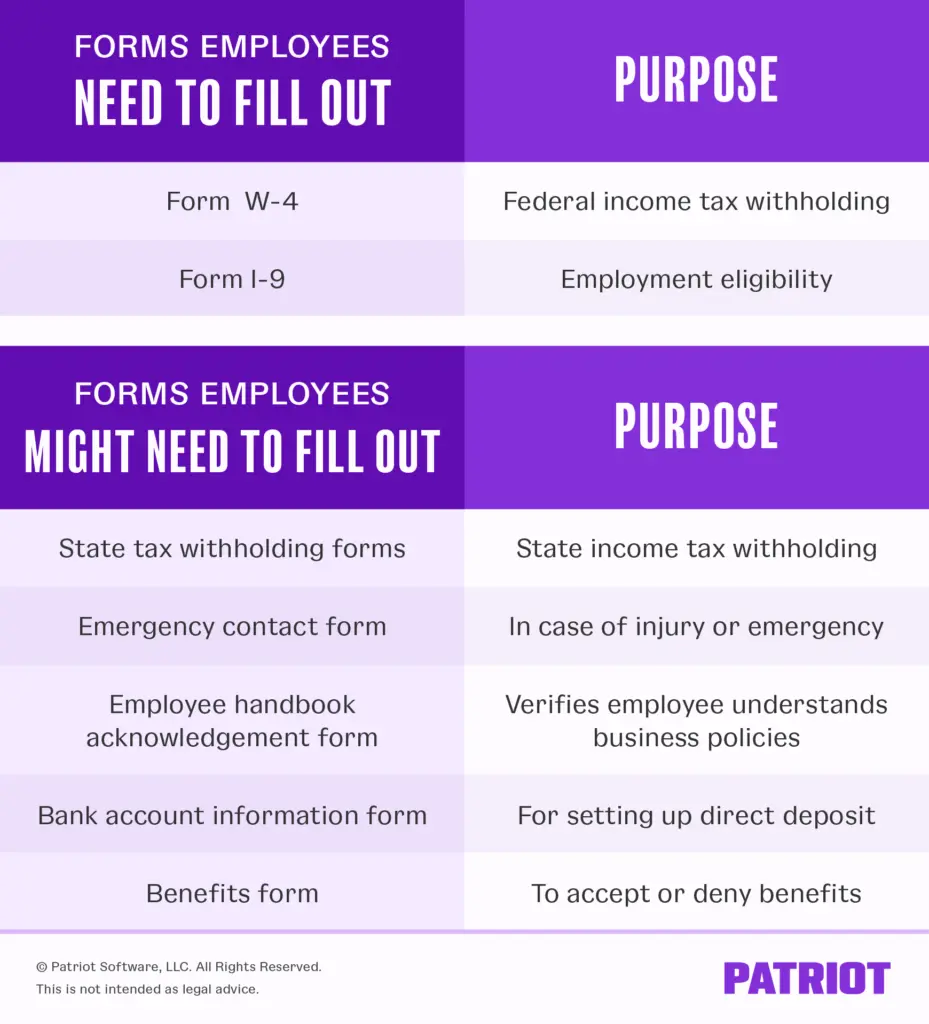
The IRS provides model plan documents and extensive FAQ guidance to assist employers in establishing compliant educational assistance programs. Incorporating detailed information about the student loan repayment program into an employee handbook is also a recommended best practice for clarity and accessibility.
Broader Impact and Implications for the Workforce
The permanence of tax-free employer student loan repayment is set to have profound implications for the U.S. labor market, employee financial wellness, and corporate recruitment strategies.
Addressing the Student Debt Crisis: The sheer scale of student debt in the U.S. cannot be overstated. With an average federal student loan debt around $37,000 and private loan debt often higher, graduates frequently enter the workforce with a substantial financial burden. This debt can impede career choices, pushing individuals towards higher-paying jobs to manage payments rather than pursuing passions or roles in public service. Employer contributions, even at $5,250 annually, can significantly accelerate repayment, potentially shaving years off loan terms and freeing up disposable income for other essential needs or investments. This directly contributes to the financial stability of millions of workers.
A Powerful Tool for Talent Attraction and Retention: In an increasingly competitive labor market, especially for skilled workers, employers are constantly seeking innovative ways to differentiate themselves. Traditional benefits like health insurance and retirement plans are table stakes. Offering student loan repayment assistance provides a distinct competitive edge, particularly appealing to younger generations (Millennials and Gen Z) who disproportionately carry student debt. According to a 2024 survey, the percentage of employers offering this benefit jumped from a mere 4% in 2019 to 14% in 2024, a clear indication of its growing appeal. This trend is expected to accelerate dramatically now that the benefit is permanent. Companies like Aetna, Estee Lauder, Fidelity Investments, and Staples were early adopters, and their success in attracting and retaining talent is likely to inspire broader adoption. For employers, this benefit signals a tangible commitment to employee financial wellness, fostering loyalty and reducing turnover, which in turn saves on recruitment and training costs.
Boosting Employee Financial Wellness and Productivity: Financial stress is a pervasive issue in the modern workforce, impacting mental health, focus, and overall productivity. Student loan debt is a major contributor to this stress. By alleviating some of this burden, employers can help create a more financially secure and less stressed workforce. Employees who feel supported by their employers are often more engaged, motivated, and productive. This benefit can also be strategically offered in lieu of, or in conjunction with, traditional salary raises, providing a tax-efficient alternative that delivers significant value to employees who prioritize debt reduction.
Economic Ripple Effects: Freeing up employee income from student loan payments has broader economic implications. When individuals have less debt, they have more capacity for consumption, saving, and investment. This can stimulate local economies, boost housing markets (as more individuals can afford down payments), and increase overall economic activity. The permanence of the benefit provides a stable foundation for these long-term economic benefits to materialize.
Official Reactions and Future Outlook
The permanence of the tax-free employer student loan repayment benefit has been met with broad approval from various stakeholders. Legislators who championed the OBBBA have highlighted it as a critical piece of legislation aimed at fostering a more financially resilient workforce and stimulating economic growth. They emphasize the government’s role in creating frameworks that empower the private sector to address societal challenges.
Employers, particularly those struggling with recruitment in tight labor markets, have expressed enthusiasm for the long-term certainty this bill provides. Human Resources professionals are now integrating this benefit more strategically into their total compensation packages, viewing it not just as a perk, but as a core component of employee value proposition. They anticipate a significant increase in adoption rates as businesses of all sizes realize its potential to attract and retain top talent, especially those burdened by educational debt.
For employees, the permanence of the benefit represents a significant victory in the ongoing battle against student debt. Financial wellness advocates praise the move as a crucial step towards helping individuals achieve financial independence earlier in their careers. While the $5,250 limit is not a panacea for the entire student debt crisis, it offers a substantial, tax-efficient pathway to relief that can meaningfully impact personal financial planning.
Looking ahead, the long-term implications are vast. The annual inflation adjustment ensures the benefit remains relevant. There may be future discussions about increasing the annual tax-free limit or expanding eligibility to other forms of debt, reflecting evolving economic realities and workforce needs. As more companies adopt these programs, data will emerge on their effectiveness in reducing debt, improving retention, and boosting employee morale, further solidifying their place in the modern benefits landscape. The "One Big Beautiful Bill Act" has not just extended a temporary tax break; it has cemented a new standard for how employers can and will support their employees’ financial futures.
This article has been updated from its original publication date of October 6, 2021, to reflect subsequent legislative changes and market developments.