Candice Horbacz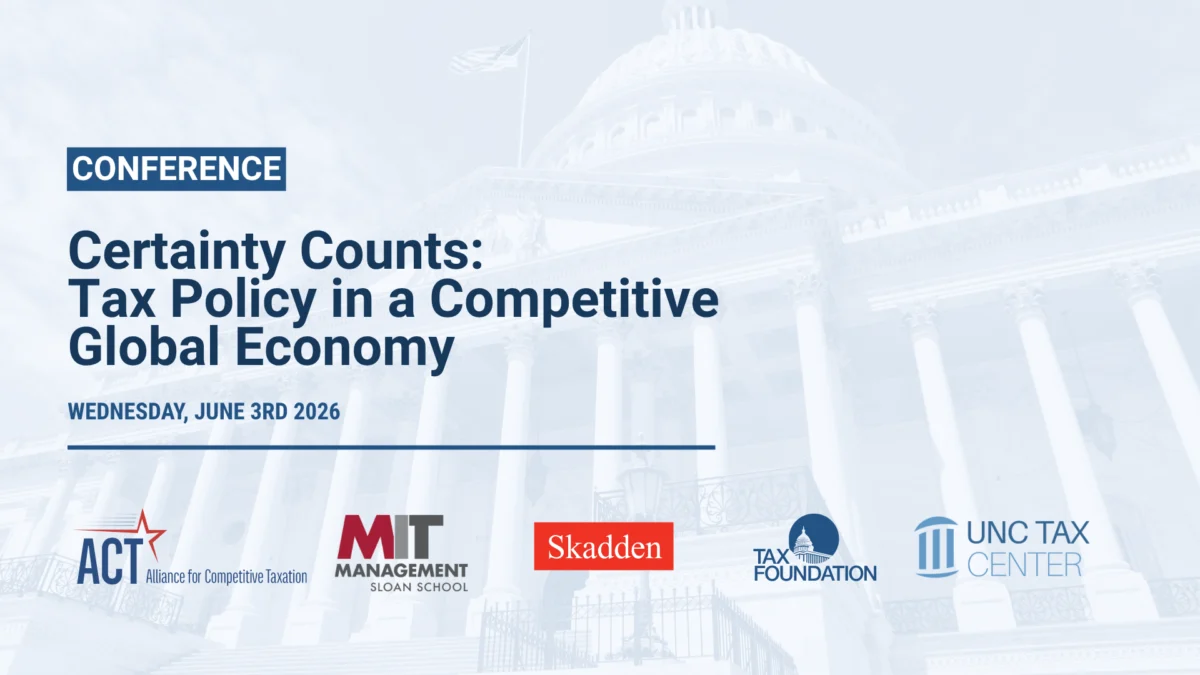
A significant forum is set to convene, bringing together leading economists, former legislative aides, and policy experts to dissect the multifaceted challenges posed by tax uncertainty and fluctuating trade policies. The event, structured as an intensive day of discussions and analyses, aims to illuminate the profound impact of these variables on economic growth, business investment, and overall policy effectiveness. The agenda is meticulously designed to move from foundational discussions on the barriers to stability to real-world implications for businesses and the broader economy, culminating in an examination of the intricate costs associated with tariffs and trade volatility.
The day’s proceedings are scheduled to commence at 8:30 a.m. with Registration and a Buffet Breakfast, providing an essential networking opportunity for attendees before the formal discussions begin. This initial period is crucial for participants to engage informally, setting a collaborative tone for the day’s rigorous intellectual exchange. As the clock strikes 9:00 a.m., Welcome Remarks will officially kick off the event. These opening statements are expected to contextualize the critical importance of the discussions, perhaps delivered by a representative of the hosting organization, emphasizing the urgent need for clarity and predictability in fiscal and trade policies amidst a dynamic global economic landscape. The welcome will likely underscore the event’s objective: to foster a deeper understanding of the mechanisms through which policy instability erodes economic confidence and to identify potential pathways toward more robust and predictable frameworks.
Following the introductory remarks, the floor will be given over to a Keynote Address, scheduled from 9:10 a.m. to 9:45 a.m. This pivotal segment is anticipated to set the intellectual tone for the entire day. A keynote speaker, likely a prominent economist, a former high-ranking government official, or a leading academic in tax or trade policy, will deliver a comprehensive overview of the current state of tax and trade policy, highlighting the historical context of instability and its long-term economic consequences. The address might delve into global trends in corporate taxation, the geopolitical underpinnings of recent trade disputes, or the theoretical frameworks linking policy predictability to economic prosperity. For instance, a keynote could explore how shifts in the global average corporate tax rate, which has trended downwards over the past decades from over 40% in 1980 to around 23% today, interact with domestic policy uncertainty, creating complex challenges for multinational corporations and national treasuries alike. The speaker could also touch upon the macroeconomic effects of persistent budget deficits, linking them to the pressure for frequent tax law changes and the resulting economic uncertainty.
The morning’s first substantive discussion, a Panel Discussion titled "What Are the Barriers to Tax Stability?", will take place from 10:00 a.m. to 10:50 a.m. This session promises a deep dive into the legislative and political hurdles that impede the creation of a stable tax environment. Featuring former Hill staffers and policy experts, the panel will dissect critical elements such as budget reconciliation rules, the budget window, and the perennial issue of tax extenders. Budget reconciliation, a parliamentary procedure allowing certain budget-related legislation to pass the Senate with a simple majority, is often cited as a tool for significant, yet potentially partisan, tax reform. While expedient, its use can lead to policies that are vulnerable to reversal with changes in congressional control, thus inherently contributing to instability. Experts might elaborate on how the limitations of reconciliation, such as the Byrd Rule, which prevents extraneous provisions, still necessitate complex legislative maneuvering that can compromise long-term certainty.
The concept of the "budget window," typically a 10-year period used by the Congressional Budget Office (CBO) to score the fiscal impact of legislation, also plays a critical role. Policies designed to fit within this window might be structured with "cliffs" or expirations beyond the 10-year mark, creating future uncertainty. For example, many provisions of the Tax Cuts and Jobs Act (TCJA) of 2017 were set to expire after 2025 to comply with reconciliation rules and avoid adding to the deficit outside the budget window. This deliberate sunsetting forces businesses and individuals to plan for an unknown future tax landscape, directly impeding long-term investment and financial planning. The panel will likely discuss how this structural feature of budget policy inherently fosters instability.
Furthermore, the discussion on "tax extenders" will be particularly salient. These are temporary tax provisions, often popular bipartisan measures like the R&D tax credit or accelerated depreciation for certain investments, that are routinely allowed to expire and then retroactively renewed by Congress. This pattern creates a "will-they-or-won’t-they" scenario annually, or every few years, forcing businesses to operate without guaranteed certainty for vital deductions and credits. The cumulative effect of these recurring legislative battles is a significant drag on economic planning and investment. Data from the Tax Foundation, for instance, often highlights the economic distortions caused by this cyclical uncertainty, suggesting that permanent, stable tax provisions would unlock greater capital investment and innovation. The panel might explore legislative proposals to make some of these popular extenders permanent or to establish a more predictable review process.
A brief but necessary Coffee Break from 10:50 a.m. to 11:00 a.m. will offer attendees a chance to refresh and continue informal discussions before the next session.
The second panel, "How Does Tax Uncertainty Undermine the Goals of Good Policies?", will convene from 11:00 a.m. to 11:50 a.m. This session will shift focus from the legislative mechanics to the tangible, real-world consequences for businesses and economic decision-making. Experts will share concrete examples of how an unpredictable tax environment directly impedes business growth, innovation, and job creation. For instance, a manufacturing company contemplating a multi-million dollar investment in new equipment, which relies on specific depreciation schedules or investment tax credits, may delay or cancel the project if the long-term tax treatment of such investments is unclear. This delay can lead to lost productivity, reduced competitiveness, and foregone job opportunities.
The panel will likely cite surveys of business leaders that consistently rank tax policy uncertainty as a top concern, often above interest rates or regulatory burdens. When businesses cannot reliably project their future tax liabilities, they tend to adopt a more conservative approach to capital allocation, favoring short-term, less risky ventures over long-term, transformative investments. This can have ripple effects across the economy, slowing down overall productivity growth and hindering the nation’s ability to compete globally. The discussion might include examples from various sectors, illustrating how uncertainty affects different industries—from technology companies relying on R&D credits to real estate developers needing clarity on property depreciation rules.
Crucially, this panel will also address which recent policy actions, if any, have managed to improve stability. While overall stability remains elusive, specific, targeted legislative efforts, or even bipartisan agreements on certain provisions, can offer temporary relief. For example, the setting of a corporate tax rate at a specific, competitive level by the TCJA, despite other expiring provisions, did provide some initial certainty for businesses regarding that particular rate. However, the subsequent discussions about potential reversals or adjustments to this rate have reignited uncertainty. The panel might discuss specific instances where bipartisan consensus on narrow tax issues has proven beneficial, even if broader, comprehensive reform remains challenging.
Following this insightful discussion, a Lunch Break is scheduled from 11:50 a.m. to 12:00 p.m., providing a short respite before the final substantive session.
The afternoon will feature a crucial Discussion: "Understanding the Costs of Uncertainty with Tariffs & Trade," from 12:00 p.m. to 1:00 p.m. This session will broaden the scope beyond domestic tax policy to encompass the volatile landscape of international trade. Leading experts will analyze the current environment of significantly higher tariffs, rapid trade policy pivots, and their profound implications for businesses, supply chains, and global economic relations. The discussion will likely review the impact of recent trade wars, such as the tariffs imposed by the United States on goods from China, and the retaliatory tariffs that followed. These actions have disrupted established global supply chains, forcing businesses to re-evaluate sourcing, manufacturing locations, and distribution networks.
Experts might highlight how tariffs, intended to protect domestic industries, often result in higher costs for consumers and businesses that rely on imported inputs. For example, a U.S. manufacturer using imported steel might face increased production costs due to tariffs, making its final product less competitive both domestically and internationally. The unpredictability of these tariff regimes—with rates changing, exemptions being granted or revoked, and new trade barriers emerging suddenly—creates immense operational challenges. Businesses are forced to divert resources from innovation and growth to scenario planning and lobbying efforts to mitigate trade risks.
The panel will likely delve into the concept of "trade policy pivots," where administrations quickly shift stances on international agreements, trade partners, or enforcement mechanisms. Such rapid changes, while sometimes driven by geopolitical necessities, introduce a high degree of risk for companies with global footprints. For instance, the renegotiation of major trade agreements like NAFTA (now USMCA) or the withdrawal from others significantly impacts long-term investment decisions for companies operating in those regions. The discussion might feature data on the economic impact of tariffs, such as estimates from the International Monetary Fund (IMF) or the World Trade Organization (WTO), which often quantify the negative effects on global trade volumes and GDP growth. It could also explore strategies decision-makers are employing to navigate this turbulent environment, including diversification of supply chains, regionalization of production, and increased investment in automation to reduce reliance on vulnerable global links.
Finally, the day’s formal program will Adjourn at 1:00 p.m., concluding a robust and highly informative series of discussions. The overarching message expected to emerge from this forum is a resounding call for greater predictability and stability in both tax and trade policies. The cumulative weight of expert analysis will likely reinforce the idea that economic growth and prosperity are deeply intertwined with the clarity and durability of the policy frameworks within which businesses operate.
The discussions are designed not only to diagnose the problems but also to stimulate thought on potential solutions. While complete stability may be an elusive ideal in a democratic system, the pursuit of more predictable, transparent, and durable policy frameworks is seen as essential for fostering a robust and competitive economy. The insights gained from such events are crucial for policymakers, business leaders, and the public to understand the intricate connections between policy design and economic outcomes.
For those interested in continuing to engage with these critical topics, the event concludes with an invitation to "Stay Informed on Upcoming Events." This initiative offers exclusive invites to virtual and in-person panel discussions, debates, and lectures, featuring today’s leading tax and economic experts. By signing up for the Tax Foundation’s newsletter, participants can ensure they remain at the forefront of policy discourse, contributing to an ongoing dialogue aimed at shaping a more stable and prosperous economic future. The continuous engagement underscores the complex, evolving nature of tax and trade policy challenges, emphasizing that understanding and addressing these issues is an ongoing imperative for national economic health.