Lina Irawan
As Americans hold onto their vehicles for unprecedented durations, the landscape of automotive ownership is shifting, driving a surge in demand for extended car warranties, formally known as Vehicle Service Contracts (VSCs). Government data from 2025 indicated that the average car on the road was nearly 13 years old, with Cox Automotive reporting that almost two-thirds of owners now retain their vehicles for at least five years or more. This extended lifespan, while potentially cost-effective in avoiding new car depreciation, comes with an inevitable consequence: increased repair needs and escalating maintenance expenses. Between July and August 2026 alone, the cost of vehicle repairs climbed by approximately 1%, contributing to an overall rise of over 5% in the last year, according to the August inflation report. This financial pressure point has amplified consumer interest in VSCs as a potential buffer against unforeseen outlays.
The Shifting Automotive Landscape and Consumer Response
The current automotive market presents a challenging environment for consumers. The average price of a new car recently surpassed $50,000, while used cars command an average of over $27,000, according to the September Cox Automotive/Moody’s Analytics Vehicle Affordability Index. Inflation and global supply chain issues have further exacerbated the cost of car parts, leading directly to higher repair bills. Concurrently, geopolitical events, such as the conflict in Iran, have impacted fuel prices, with regular gas averaging just under $4.59 per gallon in September 2026, a significant 43% increase compared to the previous year. These compounding factors underscore why drivers are increasingly seeking ways to manage vehicle ownership costs beyond the initial purchase.
Despite a historically fraught reputation, the extended car warranty industry is experiencing substantial growth. Market research firm IBISWorld reported that the sector has expanded to a formidable $32.7 billion in the U.S., with continued demand anticipated. This growth signals a critical juncture for consumers: while VSCs offer a perceived shield against costly breakdowns, the industry remains notorious for aggressive sales tactics, complex fine print, and a high volume of consumer complaints regarding claim denials and service frustrations. Personal finance experts consistently advise caution, highlighting that many extended warranties may not ultimately provide value for money, often due to exclusions and convoluted contract terms. Therefore, a discerning approach is paramount when considering a vehicle service contract.
Understanding Vehicle Service Contracts: More Than Just a Warranty
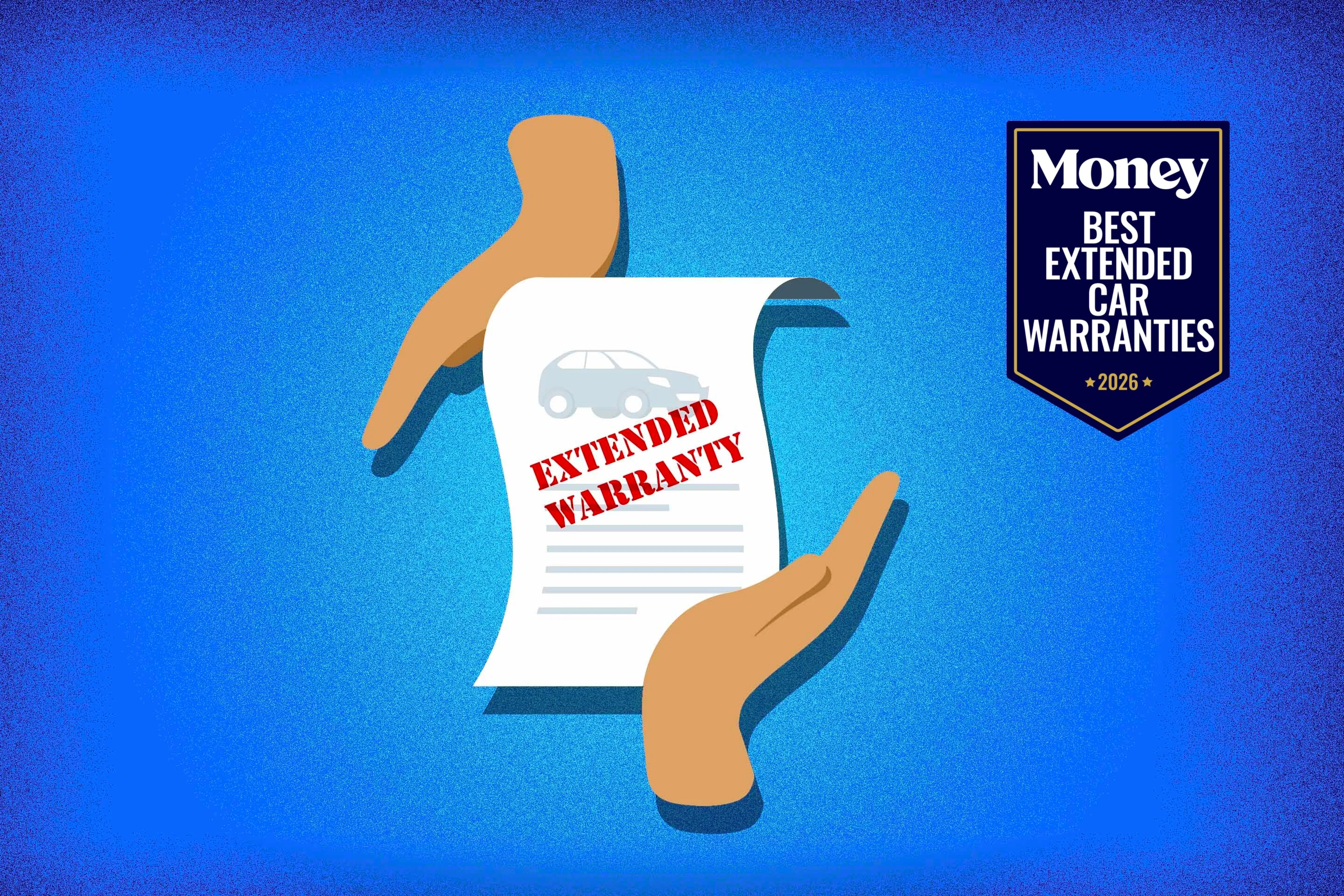
It is crucial for consumers to understand that what is commonly referred to as an "extended car warranty" is not a warranty in the traditional sense, as defined by federal law. Instead, these are typically Vehicle Service Contracts (VSCs) or auto protection plans, optional contracts sold by independent companies, dealerships, or vehicle manufacturers. Unlike a manufacturer’s warranty, which is a guarantee from the automaker that a new vehicle will be free from defects for a specified period or mileage, a VSC is essentially a separate insurance policy. It promises to cover certain repairs or services after the original manufacturer’s warranty expires, usually after three years or 36,000 miles. For drivers in specific states like California, strict regulations mean VSCs are often offered as Mechanical Breakdown Insurance (MBI), a similar protection under an insurance framework.
How VSCs Operate: Navigating the Fine Print
Vehicle service contracts are designed to cover mechanical breakdowns and failures of specified components. However, their efficacy hinges entirely on the contract’s specific terms and conditions. As consumer advocates frequently warn, the "big print gives, the small print takes away." Key operational aspects consumers must be aware of include:
- Exclusions: VSCs typically exclude "wear and tear" items such such as tires, brake pads, wiper blades, and spark plugs, as these are expected to degrade over time. Routine maintenance like oil changes is also not covered. Furthermore, damage resulting from accidents, neglect, or lack of proper vehicle maintenance is universally excluded.
- Pre-existing Conditions: A VSC will not cover any issues or defects that existed prior to the purchase of the contract. This clause necessitates honesty from the buyer regarding the vehicle’s condition at the time of enrollment.
- Waiting Periods: Most VSCs enforce a waiting period before coverage activates. This commonly entails a minimum of 30 days and/or 1,000 miles driven post-purchase. Claims filed before these thresholds are met are routinely denied.
- Maintenance Requirements: To keep the contract valid, vehicle owners are generally required to adhere strictly to the automaker’s recommended preventive maintenance schedule and maintain meticulous records of all service performed. Failure to do so can lead to claim denials.
- Repair Process: The process for obtaining repairs varies. Some plans allow customers to use any licensed repair facility, while others restrict choices to a network of approved dealerships or mechanics. Crucially, most providers require pre-authorization before any repair work commences; failing to contact the provider beforehand can result in non-payment. Payment methods also differ, with some companies paying the shop directly and others requiring the customer to pay upfront and seek reimbursement, which can involve delays.
- Deductibles: Many VSCs include a deductible, typically ranging from $100 to $500, which the customer must pay per claim before the contract covers the remainder of the repair bill.
The complexities and potential for disputes mean that understanding the contract thoroughly, asking clarifying questions, and retaining all documentation are critical steps for any VSC holder.
Leading Extended Car Warranty Providers: An October 2026 Overview
Given the complexities, choosing a reputable provider is paramount. An analysis of the market in October 2026 highlights several companies with distinct offerings and reputations:
Endurance Warranty: Broad Coverage and Added Benefits
Endurance Warranty stands out as a direct protection plan provider, meaning it writes and administers its own contracts, potentially streamlining the claims process. Established in 2006, Endurance offers policies without a strict mileage limit on certain plans, a significant advantage over competitors that often cap coverage at 200,000 or 250,000 miles. However, it does impose an age limit, covering vehicles only up to 20 years old.
A notable feature of Endurance plans is the inclusion of a free year of its Elite Benefits service, which covers key fob replacement, up to four tire repairs/replacements annually (due to road hazards), windshield chip/crack repair, and up to $500 towards collision repairs. After the initial year, this service costs $29 per month. Endurance offers three primary coverage tiers:
- Secure Plus: The most affordable, covering core components like the engine, transmission, A/C, steering, and brakes, but excluding cooling system, suspension, fuel system, and gaskets.
- Superior: A mid-tier option that adds coverage for the cooling system, suspension, and fuel system, but still excludes gaskets.
- Supreme: The most comprehensive plan, covering everything in Superior, plus gaskets.
All plans include roadside assistance and rental car benefits. Pricing, advertised as starting at $99 per month, is individualized based on vehicle make, model, and mileage, with promotions like $300 off new contracts frequently offered. A 30-day waiting period generally applies. For California residents, Endurance provides Mechanical Breakdown Insurance (MBI). The company boasts acceptance at "almost all licensed repair shops and ASE-Certified technicians," including a network of 4,000 RepairPal certified facilities and major dealerships.
Endurance’s reputation, however, presents a mixed picture. It holds a 4.1-star rating on Trustpilot from over 15,000 reviews, though 21% are one-star. While BBB-accredited with an A rating, it has a customer rating of just over 3.75 stars and a high volume of complaints—approximately 1,200 closed in the past year and nearly 3,600 over three years—often citing difficulties with claims and persistent sales pitches.
Toco Warranty: Exceptional Customer Reviews and Flexible Plans
Founded in 2012, Toco Warranty distinguishes itself with some of the best customer reviews in an often-criticized industry. It boasts a 4.8-star rating on the BBB website and a 4.3-star rating on Trustpilot, with 86% of Trustpilot reviews being 5 stars. Toco transitioned from a broker to a direct provider in 2022, administering its own contracts to control the "customer experience from beginning to end."
Toco simplifies coverage options through four mileage-based tiers, clearly outlining inclusions and exclusions:
- Orange: For vehicles up to 100,000 miles, offering the most extensive coverage including powertrain, cooling, fuel, electrical, and modern tech features.
- Yellow: Similar comprehensive coverage as Orange, for vehicles between 100,000 and 150,000 miles.
- Blue: For cars with 150,000 to 200,000 miles, offering broad coverage with a notable exclusion for modern tech features.
- Green: Designed for vehicles with 200,000 to 250,000 miles, covering some components but excluding modern tech, cooling, fuel, and electrical systems.
All Toco plans include powertrain coverage, roadside assistance, towing, and rental car/trip interruption benefits. Toco pays repair shops directly, eliminating the need for customer reimbursement. Monthly plans, starting around $66 with a $100 deductible, are "pay-as-you-go" and cancellable anytime. The company has also modernized its enrollment process to be entirely digital. While positive reviews often praise the sales experience, a waiting period of 90 days and 1,000 miles (slightly less for Georgia residents) applies, and some lower-star reviews mention claim denials or reimbursement delays.
Olive: Online Convenience and Immediate Coverage
Olive sets itself apart by offering fully online price quotes and, uniquely, no waiting period or vehicle inspection requirement for coverage to begin (though pre-existing conditions are excluded). This allows policies to become active the day after purchase. Olive also provides customizable deductibles ($100, $250, or $500), allowing customers to see how these impact monthly costs.
Olive’s coverage is limited to vehicles up to 12 model-years old or 185,000 miles, with a stricter initial enrollment criterion of no more than 10 model years old or 140,000 miles. This makes it less suitable for older, higher-mileage vehicles. Monthly costs ranged from $76-$153 for lower-tier plans and $102-$204 for higher-tier plans (as of August 2026), with prices escalating significantly for older vehicles. Olive offers three tiers:
- Olive Powertrain: Most affordable, covering engine, transmission, and drive systems.
- Olive Powertrain Plus: Mid-level, adding steering, front suspension, brake system, alternator, A/C, and electrical.
- Olive Complete Care: Most comprehensive, including all Powertrain Plus features and high-tech components.
Olive maintains an A+ BBB rating but has a limited number of customer reviews (11 reviews, 2.5 stars as of August 2026) and no Trustpilot presence. While previously allowing quotes without personal info, recent changes require name, ZIP, and email, with an optional phone number that implies consent to automated calls.
CARCHEX: Longstanding Broker with Diverse Options
With over 20 years in business, CARCHEX operates as a well-known extended car warranty broker, offering a wide array of coverage options for vehicles up to 250,000 miles. It caters to specific needs, including plans for electric cars and rideshare drivers (Lyft, Uber), though surcharges and exclusions (e.g., EV batteries) may apply. CARCHEX plans are primarily underwritten by Liberty STF.
The company offers six coverage options, including:
- Powertrain Coverage: Basic protection for main components.
- Powertrain Plus Coverage: A step up, including the electrical system.
- Platinum Coverage: Broad coverage for numerous components.
- Titanium Coverage: CARCHEX’s most comprehensive, akin to an original warranty with specific exclusions.
- Extra Care Coverage: Specialty coverage for non-powertrain components like steering, suspension, and braking.
- Electric Vehicle Coverage: Specific to EVs, covering electric drive units, electrical systems, and battery packs (excluding battery for some plans).
CARCHEX aims to pay claims directly to repair shops and allows customers to choose any licensed facility. Its reputation, however, has been mixed. It is not BBB accredited and holds a 1.7-star customer rating there (based on 66 reviews). On Trustpilot, it has a 3.3-star rating from over 1,600 reviews, showing recent improvement.
Companies Under Scrutiny and Those No Longer Active
Several other providers were considered but did not make the top recommendations due to significant concerns or operational changes:
- CarShield: Despite being a market leader with celebrity endorsements, CarShield faced a $10 million settlement with the Federal Trade Commission in July 2024 over allegations of deceptive advertising, misleading claims about coverage, and violations of telemarketing rules. While its BBB rating has recently improved to an A+, its history includes a D rating, and thousands of complaints persist regarding claim denials, difficulties finding mechanics, and cancellation issues.
- Chaiz: This marketplace for extended warranties, founded in 2021, boasts high Trustpilot ratings but suffers from a small customer review pool and limited offerings for higher-mileage vehicles. Crucially, its search results have sometimes displayed plans from providers with very poor BBB ratings, requiring consumers to exercise extreme diligence.
- Empire Auto Protect: This company, active since 2006, provides email price quotes (a rarity) and offers competitive pricing (e.g., $69/month promotions). However, it lacks BBB accreditation, holds a B- rating with a 1.64-star customer rating, and has a high volume of complaints. Its Trustpilot reviews include many vague, potentially inauthentic 5-star ratings alongside nearly 30% one-star reviews.
- ForeverCar and Protect My Car: Both companies have ceased selling new extended car warranty plans as of summer 2023 and September 2026, respectively, now only servicing existing contracts. This underscores the dynamic and sometimes volatile nature of the VSC market.
Is an Extended Car Warranty Worth It? A Critical Assessment
The decision to purchase an extended car warranty is highly individual and fraught with uncertainty. While VSCs offer peace of mind against potentially crippling repair bills, their financial payoff is not guaranteed. Many consumers purchase these contracts and never file a claim, or they encounter significant hurdles when attempting to use their coverage, leading to frustration and perceived waste of money.
Factors to Consider:
- Manufacturer’s Warranty: If your vehicle is still under its factory warranty, especially the powertrain component, an extended warranty is generally redundant and unnecessary.
- Cost vs. Common Repairs: Many common repairs, such as alternator replacement ($250-$1,000), often cost less than a year’s worth of extended warranty premiums (typically $1,000+ annually). Consumers should weigh the premium and deductible against the likelihood and cost of typical repairs.
- Vehicle Age and Reliability: Older cars are more prone to breakdowns, making VSCs seem more appealing. However, older vehicles often face more exclusions and higher premiums. Modern cars are generally highly reliable, making major breakdowns less frequent.
- Major Component Failures: While a VSC could save thousands if a transmission or engine fails (repairs costing $3,000-$10,000), these components often last over 150,000 miles with proper maintenance. Moreover, not all major repairs (e.g., catalytic converter replacement) are covered.
- Consumer Complaints: A recurring theme in customer feedback across the industry involves claims being denied for "surprising reasons" or customers receiving "the runaround." This highlights the complexity and potential for misunderstanding in VSC contracts.
- Sales Tactics and Scams: Consumers should be wary of aggressive sales pitches, especially at dealerships where VSCs often carry high profit margins. Unsolicited robocalls or misleading mailers about expiring warranties are often scams, as warned by the FTC, or come from disreputable companies.
- Risk Tolerance and Financial Preparedness: For individuals with limited emergency savings who are highly anxious about unexpected repair costs, a VSC might offer psychological comfort. However, many personal finance experts advocate for building a dedicated emergency fund for car repairs, ideally in a high-yield savings account. This approach ensures the money remains under the owner’s control and accrues interest, providing liquidity for any car-related expense, covered or not.
Choosing the Right Extended Car Warranty
For those who decide an extended car warranty aligns with their needs, a meticulous selection process is crucial:
- Compare Multiple Plans: Obtain quotes from several providers. Focus not just on monthly costs, but deeply scrutinize the terms, inclusions, and exclusions of each contract. Understand deductible options and how they impact premiums.
- Side-by-Side Coverage Analysis: Create a detailed comparison of what specific components and systems each plan covers versus excludes. Pay attention to maintenance requirements and the documentation needed to prove compliance.
- Research Reputation Thoroughly: Beyond star ratings, delve into detailed customer reviews and complaints on platforms like the Better Business Bureau and Trustpilot. Look for patterns in complaints, particularly concerning claim processing, denials, and customer service responsiveness, as initial 5-star reviews often focus solely on the sales experience.
- Negotiate: Extended warranty prices often have significant markups, especially from dealerships. Don’t hesitate to negotiate, using quotes from competitors to leverage a better price.
- Clarify Repair Procedures: Confirm whether you can use any licensed mechanic or if your choice is restricted. Understand the claim approval process, whether payments are direct to the shop or require customer reimbursement, and potential for diagnostic fees.
- Understand Waiting Periods and Pre-existing Conditions: Be fully aware of the waiting period before coverage begins and the strict exclusion of pre-existing issues.
Conclusion: A Calculated Risk in an Evolving Market
The decision to invest in an extended car warranty in October 2026 is a calculated risk, influenced by rising vehicle longevity, escalating repair costs, and a market characterized by both reputable providers and questionable practices. While the industry continues its growth trajectory, driven by consumer demand for financial predictability, the onus remains on the individual driver to navigate its complexities. A diligent approach, characterized by thorough research, critical evaluation of contract terms, and a clear understanding of personal financial risk, is essential to ensure that a vehicle service contract truly serves as a protective measure rather than an additional financial burden.