Lina Irawan
The vitality of the small business sector is undeniable, acting as a powerful engine for economic growth and innovation. For these enterprises, access to adequate capital is often the critical determinant of survival, expansion, and success. In recent years, the landscape of small business financing has become increasingly diverse and dynamic, moving beyond traditional bank loans to embrace a wealth of online lenders, lending marketplaces, and government-backed programs. This evolution offers entrepreneurs more options than ever before, but also necessitates a deeper understanding of the various funding avenues, their requirements, and the broader economic and regulatory environment influencing them.
This comprehensive guide delves into the leading small business loan providers, explores the mechanics of different financing types, outlines the application process, and provides critical insights into the latest market developments impacting borrowers as of October 2026.
Spotlight on Leading Lenders: A Deep Dive into Key Offerings
The market for small business loans is populated by a variety of lenders, each with distinct strengths tailored to different business needs and profiles. Below, we examine some of the top picks, highlighting their offerings, qualifications, and specific considerations for potential borrowers.
Biz2Credit: Bridging Direct Lending and Marketplace Solutions
Biz2Credit stands out for its dual role as both a direct lender and a robust marketplace, connecting small business owners with a diverse array of external funding options. This hybrid approach aims to tailor financing solutions to a business’s unique requirements, offering a spectrum of products including business term loans, revenue-based financing, lines of credit, and commercial real estate loans.
The platform prides itself on efficiency, allowing applications to be completed in as little as four minutes, with approvals often granted within 24 hours and funds disbursed in as quickly as 72 hours. However, the exact timeline is contingent on the specific lender, loan type, and the applicant’s qualifications. Loan amounts through Biz2Credit can extend significantly, reaching up to $6 million for commercial real estate loans, $2 million for term loans and revenue-based financing, and $500,000 for lines of credit.
Eligibility criteria vary by loan type. For revenue-based financing, a minimum credit score of 575 is required, alongside at least one year in business and $100,000 in annual revenue. Term loans necessitate the same minimum revenue and business longevity, but with a higher credit score of at least 650. Commercial real estate loans and lines of credit also require a 650 credit score, with commercial real estate needing 18 months in business and lines of credit requiring $250,000 in annual revenue. Interest rates are not publicly disclosed, and no fees are explicitly stated, requiring direct inquiry for full transparency.
Biz2Credit generally garners strong customer ratings, boasting 4.6 out of 5 stars from nearly 16,000 Trustpilot reviews and 4.2 stars on the Better Business Bureau. However, a significant development in 2024 requires careful consideration: the Federal Trade Commission (FTC) fined Biz2Credit $33 million for alleged deceptive practices related to pandemic loan programs. This highlights the importance of thorough due diligence, even with highly-rated lenders, and understanding all terms and conditions before committing to a loan.
Bluevine: Agile Lines of Credit and Diverse Offerings
Bluevine distinguishes itself with its rapid funding times, typically disbursing funds within one to three business days, and its high credit line limits, making it a top choice for businesses seeking flexible lines of credit. Borrowers can access up to $250,000 in revolving credit, providing crucial liquidity for short-term needs or unexpected expenses.
To qualify for a Bluevine line of credit (issued by Celtic Bank), businesses must be an LLC or corporation, operational for at least 12 months, and generate a minimum of $10,000 in monthly revenue. A personal credit score of at least 625 is also required. While offering speed and flexibility, Bluevine’s lines of credit come with higher annual percentage rates, and weekly or monthly autopayments are mandatory. For those needing same-day funding, Bluevine charges a $15 fee for direct wire transfers; ACH transfers are free but may take up to three days.
Beyond lines of credit, Bluevine also facilitates term and SBA loans through partner lenders, and offers business checking accounts, invoicing tools, and payment solutions, positioning itself as a comprehensive financial partner. The company’s experience is substantial, having originated over $17 billion in funding and assisted more than 1 million businesses as of August 2026. Customer satisfaction is high, reflected in a 4.7 out of 5-star rating on Trustpilot from over 11,000 reviews. Bluevine suggests that having a pre-existing business checking account with them can enhance loan application approval chances. Loan rates start at 7.8%, with terms of 6 or 24 months. Maximum loan amounts include $250,000 for lines of credit, $350,000 for SBA loans, and $500,000 for term loans, with a $15 fee for bank wires.
Fundbox: Accessible Credit for Emerging Businesses
Fundbox specializes in lines of credit, offering up to $250,000 with funding typically available within two days. A key differentiator for Fundbox is its relatively lenient eligibility requirements, making it particularly attractive for newer businesses that might struggle to meet the longer operational history demands of other lenders.
To qualify for a line of credit with Fundbox, a business needs to have been operational for just three months and generate a minimum of $30,000 in annual revenue. Applicants also need a minimum personal credit score of 600 and a business bank account with at least three months of transaction history. Fundbox does not impose prepayment penalties or origination fees but does charge draw fees. Rates start at 4.66%, with terms ranging from 12 to 104 weeks.
Customer feedback for Fundbox is overwhelmingly positive, with a 4.7 out of 5-star rating on Trustpilot and a 4.63 out of 5 with the Better Business Bureau. An impressive 94% of Trustpilot reviewers give their experience with Fundbox either 4 or 5 stars, underscoring its reputation for reliability and customer service.
Lendio: A Marketplace for Comprehensive Financing Needs
Lendio operates as a vast online marketplace, connecting small business owners with funding options from over 100 different lenders, including major institutions like Bank of America and American Express, as well as specialized lenders such as OnDeck Capital and Funding Circle. This extensive network enables Lendio to offer an exceptionally broad range of loan products, including SBA loans, business term loans, short-term loans, revenue-based financing, commercial mortgages, equipment financing, startup loans, acquisition loans, lines of credit, business credit cards, and accounts receivable financing.
A significant advantage of Lendio is its offering of startup loans, which are often difficult to secure from other lenders, with terms up to five years and competitive rates. The marketplace also provides less common products like business acquisition loans and short-term loans with terms as brief as six months and rates as low as 8%. Loan amounts can reach up to $10 million, depending on the loan type and lender, with terms extending up to 25 years. Eligibility, including minimum credit score and revenue, varies widely depending on the specific lender and funding type, though many options are available for credit scores of 500 and up. Potential fees, such as prepayment penalties and origination fees, are also lender-dependent.
The application process through Lendio is streamlined, taking as little as 15 minutes online, with funding often available within one to two business days. Collateral, in the form of business or personal assets, may be required depending on the lender. Lendio maintains an excellent reputation, with 90% of its almost 22,000 Trustpilot reviewers awarding it 5 stars.
OnDeck: Speed and Accessibility with Cautious Considerations
OnDeck is a compelling option for businesses requiring immediate access to capital, particularly through its "Instant Funding" program. This feature allows qualifying line of credit borrowers to receive funds via ACH in mere seconds. For others, same-day funding ensures disbursement by 5 p.m. on the business day of approval.
OnDeck offers short-term business loans and business lines of credit. To qualify, businesses typically need a minimum FICO score of 625, at least $100,000 in annual revenue, and a minimum of one year in business. However, OnDeck notes that its average customer has been in business for over three years, generates $300,000 in annual revenue, and has a credit score of 650 or higher.
While speed is a significant benefit, borrowers must be aware of OnDeck’s higher interest rates: 53.2% for term loans and 59.8% for lines of credit, with terms ranging from 12 to 24 months. Origination fees typically range from 0% to 4%. A crucial consideration is the requirement for customers to sign a personal guarantee and agree to a blanket lien on their business assets, meaning the business owner is personally liable for the debt if the company defaults.
Despite these caveats, OnDeck boasts strong customer satisfaction, with 4.7 out of 5 stars on Trustpilot (over 90% of its 1,100+ ratings are 5 stars) and an A+ rating with the Better Business Bureau, with only 64 complaints in the last three years. Given the higher rates and personal liability, OnDeck is often best suited for established businesses with immediate cash needs who are confident in their repayment capacity.

Beyond the Top Tier: Other Notable Contenders
While the lenders above represent some of the most comprehensive options, several other providers offer specialized solutions or cater to unique borrower profiles.
National Funding: Leveraging Alternative Data for Broader Access
Established in 1999, National Funding is a long-standing lender known for its straightforward online application, diverse loan options, and fast access to funds. A key feature is its use of alternative credit data to evaluate businesses with less-than-stellar credit, providing a pathway for those overlooked by traditional lenders. The company also offers resources and tips for improving chances of loan approval, particularly for businesses with bad credit. An attractive incentive is National Funding’s early payoff discount, which can reduce costs for borrowers who repay their balance within 100 days.
However, National Funding’s transparency regarding average rates and fees is limited, as these are not publicly disclosed. Its annual sales requirement of $250,000 is also on the higher side compared to some competitors, potentially excluding smaller or newer businesses.
Quickbridge: Tailored Solutions and Specialized Financing
Owned by National Funding, Quickbridge extends a variety of financing products up to $500,000, including term loans, working capital loans, lines of credit, receivables financing, inventory financing, emergency loans, and equipment financing. It also provides industry-specific financing for sectors like real estate, transportation, healthcare, and agriculture. Quickbridge offers flexibility by not requiring collateral and considering factors beyond a perfect credit score, such as time in business and average monthly revenue. A loan specialist works with applicants to identify the best funding option, and like many online lenders, funds can be available within 24 hours post-approval.
The primary drawback of Quickbridge is the limited information available on its website regarding borrower requirements, loan terms, and rates. Prospective borrowers must apply for prequalification (which involves a soft credit pull) and consult with a loan specialist to obtain detailed terms. Furthermore, its term loans also carry a high $250,000 annual sales requirement.
Kiva: Community-Backed Zero-Interest Crowdfunding
Kiva presents a unique model, operating as a crowdfunding platform where individual donors finance zero-interest loans. It’s an exceptional option for entrepreneurs with low credit scores or limited access to conventional capital. Kiva’s assessment of creditworthiness is unconventional, requiring applicants to secure between five and 40 endorsements from their community network, demonstrating their perceived reliability. Once these endorsements are met, the fundraiser is posted on Kiva’s public platform, giving the entrepreneur 35 days to reach their fundraising goal. If successful, funds are disbursed, and repayment begins without any interest charges.
The main challenge with Kiva is its time-sensitive nature; if the fundraising goal is not met within 35 days, investors are refunded, and the applicant receives no funds. This necessitates strong community engagement and a compelling business story to succeed.
Understanding Small Business Financing Mechanics
Small business loans serve as crucial financial tools for entrepreneurs, providing the capital necessary for various operational and growth objectives. Whether the need is for expansion, covering payroll, purchasing real estate, or acquiring new equipment or inventory, these loans bridge funding gaps.
How Small Business Loans Work
Similar to personal loans, small business loans come with minimum qualification requirements that vary based on the lender and the specific loan product. Generally, lenders assess the small business owner’s personal and business credit scores, the business’s operational history, and its demonstrated revenue generation to gauge repayment capacity. Funding sources are diverse, encompassing traditional banks, credit unions, online lenders, and peer-to-peer platforms.
Key Loan Types and Their Applications
The array of business loans available caters to a broad spectrum of needs, from nascent startups to established family enterprises. Selecting the right financing option hinges on the business type, the purpose of the loan, the borrower’s credit history, and overall financial background.
- Commercial Real Estate Loans: These provide financing for the purchase, construction, or renovation of commercial property. Typically, the business must occupy at least 50% of the property.
- Invoice Factoring: Businesses sell their outstanding invoices to a factoring company at a discount. The company pays an upfront percentage (e.g., 90%) and then collects the full amount from the customer, remitting the remainder to the business, minus a fee.
- Invoice Financing: Unlike factoring, this involves borrowing against unpaid invoices, using them as collateral for a cash advance. The business retains ownership and responsibility for collection, repaying the loan when customers pay their invoices.
- Equipment Loans: Designed to finance the acquisition of specific machinery or equipment without significant upfront costs. The purchased equipment itself often serves as collateral, which can allow for higher loan amounts.
- Business Lines of Credit: Functioning similarly to credit cards, these offer a revolving pool of funds that replenishes as repayments are made. Ideal for short-term working capital needs or unexpected expenses, interest is only paid on the amount drawn.
- Business Credit Cards: These help separate personal and business expenses, often providing higher credit limits, cards for employees, and rewards programs. They can improve monthly cash flow and build the business’s credit history, reducing reliance solely on personal credit.
- Term Loans: A lump sum is provided upfront, to be repaid over a fixed period (the term) with either fixed or variable interest rates, typically up to five years. SBA loans are a prominent type of term loan.
- Merchant Cash Advances (MCAs): Businesses receive a lump sum in exchange for a percentage of future credit and debit card sales. MCAs offer very fast funding, but typically come with very high rates and require daily or weekly repayments.
- Franchise Loans: Specific financing to cover franchise fees, legal costs, real estate, and other day-to-day expenses associated with starting a franchise.
Navigating the Application Journey
Securing the optimal small business loan requires a strategic approach, from initial assessment to final application.
- Strategic Loan Selection: The first step involves accurately identifying the business’s specific financial need. Is it for expansion, managing cash flow gaps, acquiring assets, or starting fresh? Microloans, short-term loans, equipment loans, lines of credit, and real estate financing each serve distinct purposes. Government-backed SBA loans offer attractive terms through banks, while online lenders and peer-to-peer platforms provide alternative access points.
- Due Diligence in Lender Comparison: With numerous lenders ranging from traditional banks and credit unions to modern online platforms, thorough research is essential. Evaluate lenders based on their reputation, reliability, specific loan offerings, and preferred banking experience (online vs. in-person).
- Dissecting Interest Rates and Fees: Interest rates, particularly Annual Percentage Rates (APRs), vary significantly across lenders and loan types. Generally, revolving credit products, business credit cards, accounts receivable financing, and merchant cash advances carry higher interest rates. Non-bank online lenders also tend to have steeper rates than traditional banks. It’s crucial to compare the total cost of borrowing, considering maximum loan amounts and term lengths.
- Uncovering Hidden Costs: Beyond interest rates, borrowers must scrutinize all potential fees. While origination fees are common, some lenders may waive prepayment penalties or closing charges. Other charges can include funding fees, account opening or maintenance fees, and wire transfer fees. A clear understanding of the repayment terms for each loan option is also paramount.
- Preparing for Success: A strong application is underpinned by solid credit history. Lenders assess both business and personal credit scores (ideally above 660, with scores below 580-660 often considered "bad credit"). A dedicated business checking account is typically required. Eligibility often includes meeting a minimum annual revenue threshold (many online lenders require at least $100,000). Essential documentation includes business and personal tax returns, personal financial statements, bank statements, and business licenses and permits.
Credit Profile: Business vs. Personal Impact
When applying for a business loan, lenders evaluate both the business’s credit score and the owner’s personal credit score. While both measure creditworthiness, they are distinct entities.
| Feature | Business Credit | Personal Credit |
|---|---|---|
| Purpose | Measures the creditworthiness of your business | Measures your creditworthiness as an individual |
| Scoring Range | Typically zero to 100 | Ranges from 300 to 850 |
| Identification | Employer Identification Number (EIN) of the business | Social Security Number |
| Reporting Bureaus | Commercial credit bureaus (Dun & Bradstreet, Experian, Equifax) | Three major consumer credit bureaus (Equifax, Experian, TransUnion) |
| Error Resolution | Errors are harder to resolve; agencies have less obligation to respond | Consumer credit laws provide legal protections, including the right to dispute incorrect entries |
Given that most business lenders require a solid personal credit score for qualification, improving one’s personal credit before applying for a loan can significantly enhance approval chances and secure more favorable terms.
Strategies for Securing Loans with Subpar Credit
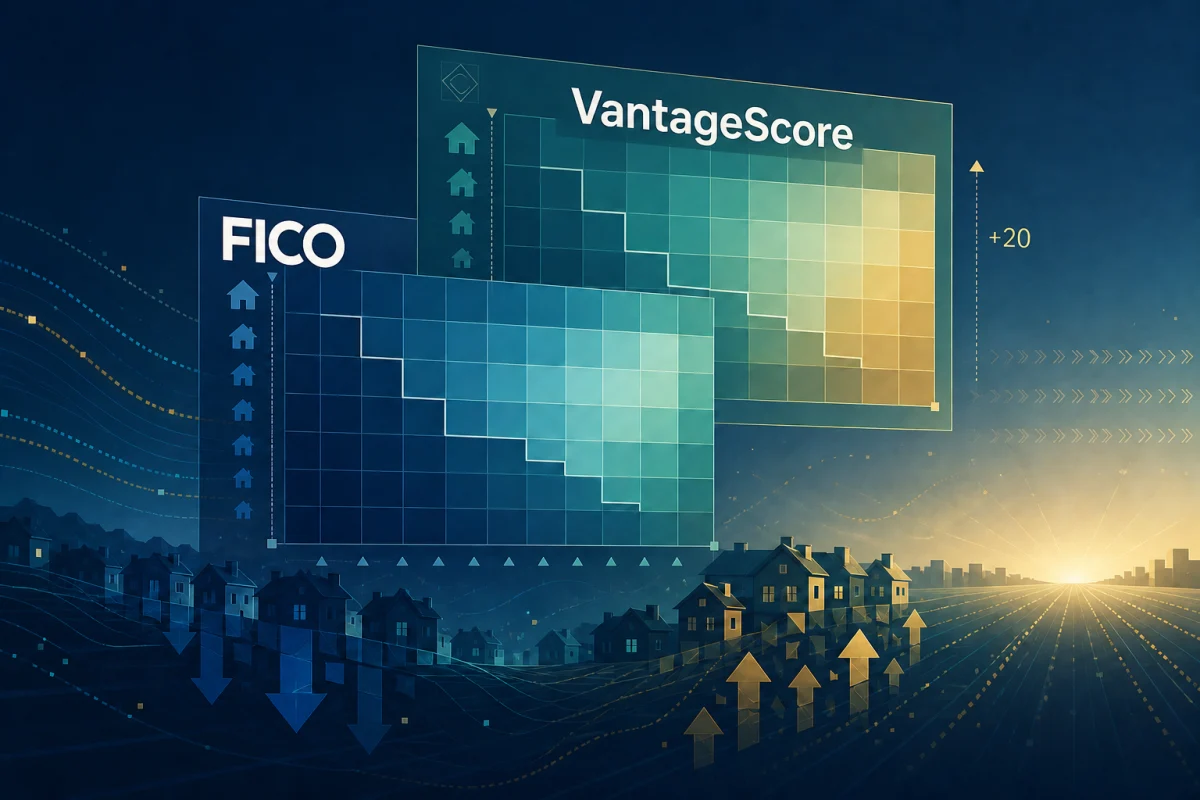
While a strong credit score is advantageous, a less-than-perfect credit history does not entirely preclude a business from obtaining financing. According to FICO, scores below 670 limit lender options, with under 580 considered "poor." VantageScore sets a similar bar, deeming scores below 661 not "good," and 600 or lower as "bad."
Here are strategies for businesses with imperfect credit:
- Evaluate and Improve Credit: Start by obtaining and reviewing credit reports from all major bureaus to identify inaccuracies and areas for improvement. While negative marks take time to resolve, actions like reducing credit utilization (below 30%) can improve scores within a month.
- Seek Lenders with Flexible Requirements: Many alternative lenders consider factors beyond just credit scores, such as robust savings or a positive rent payment history. While these loans may come with higher interest rates and fees, they offer accessibility. A clear business plan and repayment strategy are crucial to mitigate the higher costs.
- Consider a Cosigner: A cosigner with excellent credit can significantly boost approval odds and secure better rates and terms. This arrangement requires a high degree of trust, as the cosigner becomes responsible for the debt if the business defaults. A detailed business plan can help convince a potential cosigner.
- Offer Collateral: Leveraging assets like unpaid invoices (for invoice financing) or future credit/debit card transactions (for merchant cash advances) can reassure lenders of repayment capacity, even with a lower credit score. Demonstrating steady cash flow and substantial cash reserves can also strengthen an application, particularly if used for a larger down payment.
- Explore SBA Microloans: The Small Business Administration (SBA) offers microloans up to $50,000, specifically designed to support small businesses and childcare centers. These loans are often more accessible for borrowers with limited capital or credit history who might not qualify for standard SBA 7(a) loans. With an average microloan amount of approximately $13,000, this option is well-suited for startups or businesses requiring modest capital injections.
Diverse Avenues for Funding
Small business loans can be accessed through various financial institutions, each with its own characteristics:
- Traditional Lenders (Banks): These established brick-and-mortar institutions typically offer business loans with lower interest rates and provide access to professional bankers. The trade-off is often stricter credit and collateral requirements, more extensive paperwork, and longer fund disbursement times.