Lina Irawan
Consumers across the United States are being urged to exercise extreme caution regarding a pervasive text message scam that falsely claims recipients owe money for unpaid tolls. The Federal Trade Commission (FTC) has issued a significant public alert, highlighting that these unsolicited messages are almost certainly a phishing attempt designed to defraud individuals of their financial information and personal data. This sophisticated form of "smishing" exploits common anxieties about outstanding debts and legal repercussions, prompting immediate action from unsuspecting victims. The overarching message from federal authorities is clear: do not panic, do not click, and always verify any such claim through official channels.
The current wave of fraudulent texts represents a significant threat to digital security, leveraging the immediacy and perceived legitimacy of text messaging to ensnare victims. Fraudsters capitalize on the widespread adoption of electronic toll collection systems, which have largely replaced traditional cash booths, to create a believable premise for their scams. While legitimate toll agencies do issue notifications for unpaid tolls, these typically arrive via postal mail, official email from a registered account, or through a dedicated mobile application, rarely initiating contact via an unexpected text message demanding immediate payment through a dubious link.
The Anatomy of the Smishing Attack: How the Scam Unfolds
The unpaid toll text scam typically begins with a message designed to create a sense of urgency and alarm. Recipients receive a text, often appearing to come from a generic "Toll Services" or a subtly misspelled version of a known state toll authority (e.g., "E-Z Pass," "SunPass," "FasTrak"). The message usually states that the recipient has an outstanding, often small, balance due – perhaps a few dollars – and threatens escalating late fees, penalties, or even legal action if the payment is not made immediately. Crucially, the text includes a link, often shortened or disguised, which victims are instructed to click to resolve the alleged debt.
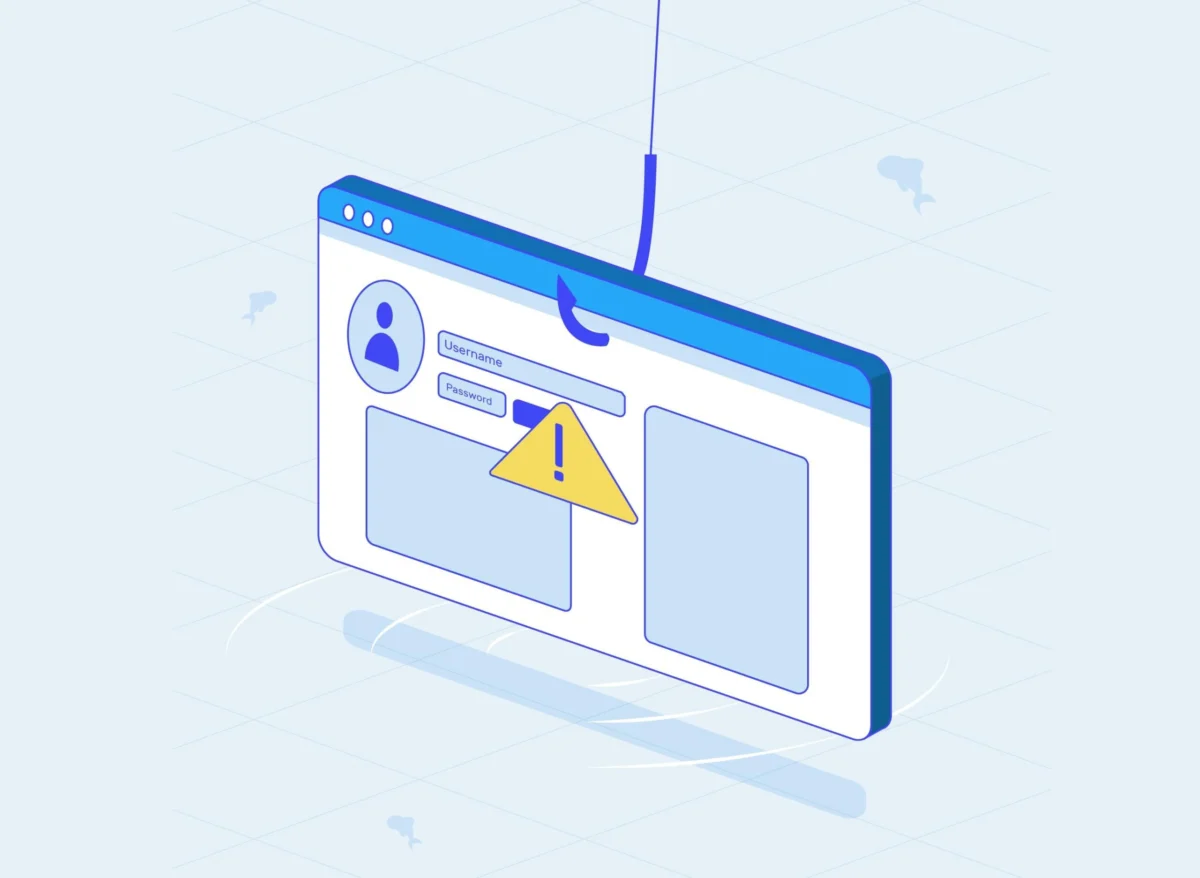
This tactic is a classic example of "smishing," a portmanteau of SMS (Short Message Service) and phishing. Phishing involves cybercriminals attempting to acquire sensitive information such as usernames, passwords, and credit card details by masquerading as a trustworthy entity in an electronic communication. Smishing applies this technique specifically to text messages. Scammers meticulously craft these messages and accompanying fake websites to mimic legitimate toll agencies, complete with official-looking logos, color schemes, and even carefully worded disclaimers. Once a victim clicks the link, they are directed to a fraudulent website that prompts them to enter personal and financial details, including bank account numbers, credit card information, full names, addresses, and even Social Security numbers. This information, once provided, is then used by the scammers for various illicit activities, ranging from making unauthorized purchases to committing identity theft, potentially leading to far more significant financial losses than the initial "unpaid toll" amount.
The psychological manipulation at play is highly effective. The threat of an accumulating debt, combined with the convenience of a direct payment link, often overrides a person’s natural caution. Many individuals, eager to avoid further hassle or expense, click the link and provide the requested information without proper verification. The minimal amount demanded also serves to lower a victim’s guard, as a small payment might seem insignificant enough to quickly resolve without deeper investigation.
Broader Context: The Escalation of Smishing and Cybercrime
The proliferation of the unpaid toll scam is part of a larger trend in cybercrime, particularly the rise of smishing as a preferred method for fraudsters. According to the FBI’s Internet Crime Complaint Center (IC3), phishing incidents, which include smishing, consistently rank among the top reported cybercrimes. In 2022, the IC3 received over 300,000 complaints related to phishing, with significant financial losses. While specific data for toll-related smishing is not always disaggregated, the overall increase in text-based scams highlights a concerning shift in criminal tactics.
The anonymity offered by text messaging services, coupled with the global reach of telecommunications networks, makes smishing an attractive avenue for criminals. Unlike email phishing, which users may be more trained to scrutinize for suspicious domains or elaborate hoaxes, text messages often carry an implicit trust, especially when they appear to relate to an immediate concern. Mobile devices are also constantly with individuals, making them susceptible to "in the moment" decision-making under pressure.
Beyond toll scams, smishing campaigns frequently impersonate other trusted entities, including banks, utility companies, package delivery services (e.g., FedEx, UPS), and government agencies like the IRS or Department of Motor Vehicles (DMV). Common themes include alerts about suspicious account activity, overdue bills, package delivery issues, or even threats of license suspension and court summons, as noted in the FTC’s broader warnings. The versatility of smishing as a tool for social engineering makes it a persistent challenge for consumers and law enforcement alike.
Evolution of Toll Payment Systems: A Backdrop for Deception
To understand the effectiveness of the toll scam, it’s important to consider the evolution of toll collection. Over the past two decades, many regions have transitioned from traditional toll booths requiring cash or specific change to entirely electronic toll collection (ETC) systems. These systems rely on transponders (like E-ZPass) mounted in vehicles or sophisticated license plate recognition (LPR) technology that captures images of vehicle license plates as they pass through gantries.
When a vehicle without a valid transponder or linked account passes through an ETC lane, the system typically identifies the vehicle via LPR and sends an invoice to the registered owner by mail. This invoice provides details of the toll, instructions on how to pay, and a timeframe before late fees accrue. Most legitimate toll authorities also offer official websites and mobile apps where drivers can manage their accounts, check balances, and pay outstanding tolls. Some even offer email notifications for account activity.
The legitimate process often involves a delay between the toll infraction and the receipt of a mailed invoice, which can sometimes lead to drivers forgetting about a particular toll. This gap in memory, combined with the occasional legitimate billing error or delay, creates a fertile ground for scammers to exploit. They prey on the plausible notion that an individual might indeed have an outstanding, forgotten toll. The crucial distinction, however, lies in the method of notification and the requested payment channel. Legitimate agencies almost universally rely on official mail for initial contact regarding unpaid tolls, followed by secure online portals or dedicated phone lines for payment, never an unsolicited text message with a direct payment link.
Official Responses and Public Awareness Campaigns
In response to the escalating threat, both federal and state authorities have intensified their efforts to warn the public. The Federal Trade Commission (FTC) serves as the primary federal agency for consumer protection and has been at the forefront of issuing alerts. Their consumer alerts specifically detail how the unpaid toll text scam works and provide concrete steps for victims and potential targets. The FTC also maintains the IdentityTheft.gov portal, a critical resource for individuals who have fallen victim to identity theft as a result of such scams.
The Federal Communications Commission (FCC) also plays a vital role, particularly concerning unwanted texts and calls. The FCC has published guides on how to spot and avoid toll road payment scam texts, often including sample fraudulent messages to educate the public on what to look for. They emphasize that legitimate toll agencies will not demand immediate payment via text or through a link in an unsolicited message.
State attorneys general offices and specific state toll authorities have also issued their own localized warnings, often tailored to the names of local toll roads or systems. For instance, agencies overseeing systems like E-ZPass in the Northeast, SunPass in Florida, or FasTrak in California frequently release public service announcements. These agencies continually stress that their official communication methods do not involve sending text messages with embedded payment links for initial unpaid toll notifications. They urge the public to visit their official websites directly or call their customer service numbers to verify any suspicious claims. Law enforcement agencies, including the FBI, also encourage victims to report these scams through their Internet Crime Complaint Center (IC3), contributing to a national database that helps track and investigate cybercriminal activities.
Identifying the Red Flags: A Deeper Dive for Vigilance
Recognizing the red flags is the most effective defense against smishing scams. While scammers are becoming increasingly sophisticated, several telltale signs can help consumers differentiate legitimate communications from fraudulent ones:
- Unexpected Contact and Urgency: A text message about an unpaid toll that you were not expecting is the primary red flag. Legitimate toll agencies typically send physical mail first. The scam messages invariably create a sense of extreme urgency, threatening escalating fines or immediate penalties for delayed payment. This pressure tactic is designed to bypass rational thought.
- Suspicious Links and QR Codes: The presence of a clickable link or QR code in an unsolicited text message should immediately raise suspicion. Hovering over a link (if on a computer) or long-pressing (on a smartphone, without clicking) can reveal the actual URL, which will often be slightly misspelled, use a non-standard domain (e.g., .info, .xyz instead of .gov or the official agency’s domain), or appear entirely unrelated to a toll authority.
- Generic or Impersonal Greetings: While some legitimate notifications can be generic, scam texts often use vague greetings like "Dear Customer" or simply refer to your vehicle without specific account details. Legitimate notifications typically include specific identifiers related to your account or vehicle.
- Grammar and Spelling Errors: Although scammers are improving, grammatical mistakes, awkward phrasing, or unusual punctuation can still be indicators of a scam. However, the absence of such errors is not a guarantee of legitimacy.
- Demands for Unusual Payment Methods: While not typically seen in the initial toll scam texts, a broader red flag for any scam is a demand for payment via unconventional methods such as gift cards, cryptocurrency, or wire transfers. Legitimate toll agencies accept standard payment methods like credit/debit cards or bank transfers through secure portals.
- Lack of Verification: The scam’s core weakness is its inability to withstand independent verification. The most crucial step is to never click the link. Instead, if you have any doubt, independently search for the official website of your state’s toll authority or the specific toll system mentioned. Use a reputable search engine, and then navigate to their official "unpaid tolls" or "contact us" section. Call the customer service number listed on the official website or check your account directly through their secure portal.
Consequences of Falling Victim: Beyond the Small Fee
The immediate consequence of falling victim to this scam is the potential loss of the "small balance" supposedly owed. However, the repercussions extend far beyond this initial amount. By providing financial information like credit card numbers or bank account details, victims expose themselves to unauthorized charges and potentially empty bank accounts. If personal identifying information such as a Social Security number is provided, the risk escalates to full-blown identity theft. Scammers can use this information to open new lines of credit, take out loans, file fraudulent tax returns, or access existing accounts, causing severe financial and credit damage that can take years to rectify.
Beyond the monetary losses, victims often experience significant emotional distress, including anxiety, frustration, and a sense of violation. The time and effort required to recover from identity theft, dispute fraudulent charges, and restore credit can be substantial, diverting resources from personal and professional life.
Proactive and Reactive Measures for Consumers
Given the prevalence and sophistication of these scams, a two-pronged approach involving both proactive prevention and effective reactive measures is essential for consumers.
Proactive Prevention:
- Stay Informed: Regularly check consumer alerts from the FTC, FCC, and your state’s Attorney General’s office. Knowledge is the first line of defense.
- Official Channels Only: Always use the official websites or mobile applications provided by toll authorities to manage your accounts or inquire about tolls. Bookmark these sites to avoid searching and potentially clicking on a fraudulent link.
- Strong Security Habits: Employ strong, unique passwords for all online accounts, especially financial ones. Enable two-factor authentication (2FA) wherever available.
- Monitor Accounts: Regularly review bank statements, credit card statements, and credit reports for any unauthorized activity. Annual free credit reports are available from AnnualCreditReport.com.
- Be Skeptical of Unsolicited Communications: Treat any unexpected text message, email, or phone call demanding immediate action with extreme suspicion, especially if it involves financial transactions or personal information.
Reactive Measures (If You’ve Received or Clicked the Text):
If You Received the Text but Did NOT Click the Link or Provide Information:
- Report and Delete: Do not respond to the text. Most smartphones offer a "report junk" or "report spam" feature. Utilize this feature to report the message to your carrier.
- Forward to 7726: Forward the suspicious text message to the short code 7726 (SPAM). This free service, provided by wireless carriers, helps them identify and block similar messages.
- Block the Number: Block the sender’s number on your phone to prevent future messages from that specific number, though scammers often use rotating numbers.
If You Clicked the Link or Provided Information:
- Immediately Disconnect and Close: If you clicked the link, close the page immediately. Do not interact further with the fraudulent website. If you entered any information, assume it has been compromised.
- Change Passwords: If you entered any passwords on the scam site, change those passwords immediately for all accounts where you use the same or similar passwords. Prioritize email, banking, and financial accounts.
- Contact Your Bank/Card Issuer: If you provided credit card or bank account details, contact your bank or credit card issuer immediately. Explain the situation, cancel the affected card, and dispute any unauthorized charges. Request a new card.
- Monitor Accounts and Credit Reports: Scrupulously monitor all your financial accounts for any suspicious activity. Place a fraud alert on your credit report by contacting one of the three major credit bureaus (Equifax, Experian, TransUnion). This alert notifies creditors to take extra steps to verify your identity before extending credit.
- Consider a Credit Freeze: For a higher level of protection, consider initiating a credit freeze with all three major credit bureaus. A credit freeze restricts access to your credit report, making it difficult for identity thieves to open new accounts in your name.
- Report to Authorities:
- FTC: File a report with the Federal Trade Commission at IdentityTheft.gov. This site will help you create a personalized recovery plan.
- FBI IC3: Report the scam to the FBI’s Internet Crime Complaint Center (IC3) at ic3.gov. This helps law enforcement track and investigate cybercrime trends.
- State Attorney General: Contact your state’s Attorney General’s office to report the incident.
Broader Societal Implications and the Path Forward
The persistent threat of smishing and other cyber scams highlights a broader challenge for society in the digital age. The erosion of trust in digital communication, coupled with the difficulty of prosecuting often internationally-based cybercriminals, underscores the need for continuous vigilance and adaptation. Mobile carriers are constantly working to implement technological safeguards and filters to detect and block malicious messages, but scammers continually evolve their methods.
Ultimately, the responsibility for protection largely falls on individual consumers. Public education campaigns, like those spearheaded by the FTC and FCC, are critical in arming individuals with the knowledge and tools to identify and avoid these sophisticated traps. As technology advances, so too will the tactics of fraudsters. Remaining informed, maintaining a healthy skepticism, and adhering to robust digital security practices are the most effective means of safeguarding personal and financial well-being against the ever-present threat of cyber fraud. The warning about unpaid toll texts serves as a stark reminder that in the digital landscape, verification is paramount and unsolicited demands for immediate action should always be met with caution and critical assessment.