Candice Horbacz
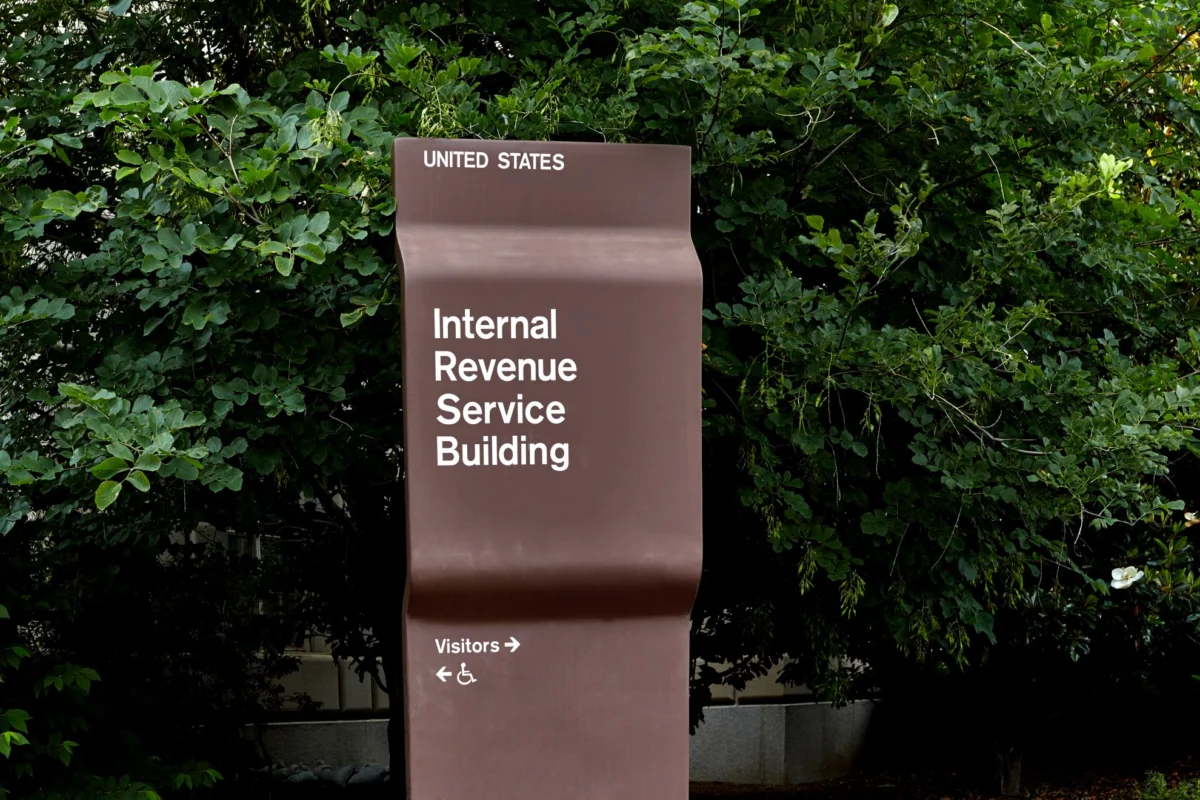
The federal government is losing an estimated $116 billion to $304 billion annually to tax fraud, a staggering sum representing between two and six percent of total federal taxes owed each year. This significant revenue drain, highlighted in a recent report by the nonpartisan Government Accountability Office (GAO), far exceeds the entire budget of the Supplemental Nutrition Assistance Program (SNAP), a cornerstone anti-poverty initiative, underscoring the profound fiscal and social implications of widespread noncompliance. The findings intensify calls for a comprehensive overhaul of the nation’s complex tax code and a more robust, coordinated enforcement strategy by the Internal Revenue Service (IRS).
Understanding the Scope of Tax Fraud
Tax fraud, at its core, involves the intentional misrepresentation or omission of material facts on a tax return with the intent to evade tax obligations. It stands as a distinct, criminal component of the broader "tax gap," which is the difference between the amount of tax legally owed and the amount actually collected by the government on time. While the IRS has historically provided estimates for the overall tax gap, the GAO study marks a novel and critical attempt to formally quantify the portion specifically attributable to fraud, offering an unprecedented level of detail into this persistent challenge.
Examples of tax fraud are varied and often sophisticated, ranging from individuals deliberately underreporting income or claiming fictitious deductions, to businesses operating entirely outside the formal economy. Common schemes include:
- Underreporting Income: Failing to declare all earned income, especially from cash-based jobs, freelance work, or illegal activities.
- Overstating Deductions or Credits: Claiming ineligible business expenses, inflated charitable contributions, or fabricating dependents to qualify for tax credits like the Earned Income Tax Credit (EITC) or Child Tax Credit (CTC).
- Falsifying Documents: Creating fake invoices, receipts, or other records to support fraudulent claims.
- Identity Theft: Using another person’s Social Security number or taxpayer identification number to file a fraudulent return and claim a refund.
- Creating Sham Entities: Establishing shell corporations or trusts to obscure income and assets, thereby avoiding tax liabilities.
- Payroll Tax Fraud: Employers withholding taxes from employees’ wages but failing to remit them to the government.
A substantial portion of the revenue lost to tax fraud, as identified by the GAO, originates within the "shadow economy." This clandestine sector encompasses economic activities that are undeclared to tax authorities, often conducted in cash or through informal channels, making them exceedingly difficult to track and tax. Economic literature reviewed by the GAO suggests this shadow economy could account for anywhere from two to nine percent of the nation’s Gross Domestic Product (GDP). Activities within this realm include unreported income from freelance services, untaxed transactions in cash-intensive businesses, and, in more extreme cases, revenue derived from illicit operations such as drug trafficking or illegal gambling. The inherent opacity of the shadow economy presents a formidable challenge to tax authorities striving to ensure comprehensive compliance.
The Broader Context: The Enduring Tax Gap
To fully appreciate the scale of tax fraud, it must be understood within the context of the larger tax gap. The IRS’s latest estimates for tax year 2022 place the gross tax gap at approximately $696 billion, representing about 15 percent of all federal taxes owed. After accounting for late payments and funds recovered through enforcement actions like audits (totaling roughly $90 billion), the net tax gap stood at a still substantial $606 billion. The GAO’s analysis indicates that tax fraud alone accounts for a significant share of this gap, ranging from 17 to 44 percent, underscoring its pivotal role in the nation’s fiscal health.
Historically, the tax gap has been a persistent concern for the IRS and policymakers alike. The agency has been tracking and estimating the tax gap for decades, with methodologies evolving over time. While the absolute numbers fluctuate with economic conditions and legislative changes, the underlying challenge of ensuring voluntary compliance remains. The IRS typically reports a voluntary compliance rate, which indicates the percentage of taxes paid on time without any direct IRS intervention. The latest IRS data suggests a voluntary taxpayer compliance rate of approximately 83.6 percent, meaning that a significant portion of legally owed taxes goes uncollected initially.
The vast majority of the tax gap, about 77 percent, stems from underreporting of income. The remaining portions are attributed to non-filing of returns and underpayment of taxes due. Within underreporting, the individual income tax segment accounts for roughly 71 percent. A particularly salient finding is the concentration of underreported income within sole proprietorships, which alone contribute an estimated $117 billion, or 17 percent, to the overall tax gap. This high rate of noncompliance in sole proprietorships and other income sources is largely due to the lack of third-party reporting or withholding mechanisms. Unlike wages, which are typically reported to the IRS by employers on W-2 forms and have taxes withheld, income from many sole proprietorships, gig economy jobs, and investments often lacks this third-party verification, making it easier for individuals to underreport.
Improper Payments and Refundable Tax Credits
A related, though distinct, component within the broader tax gap discussion is improper payments associated with refundable tax credits. These credits, such as the Earned Income Tax Credit (EITC), the Child Tax Credit (CTC), and the Premium Tax Credit (PTC), are designed to provide financial assistance to low- and moderate-income individuals and families, serving as crucial anti-poverty tools. Improper payments encompass both overpayments and underpayments that the government should not have made, or payments where the correct recipient or amount could not be verified.
According to the latest estimates from the Treasury Department and the IRS, improper payments for four major refundable tax credits totaled $28.1 billion in fiscal year 2025. While these figures are substantial, it’s crucial to understand that not all improper payments are the result of intentional fraud. The intricate rules and often confusing structure of programs like the EITC and CTC can inadvertently lead to errors by taxpayers, tax preparers, or even the IRS itself. For instance, determining eligibility for the EITC often involves complex calculations based on filing status, income thresholds, and the number and relationship of qualifying children, all of which can be sources of unintentional mistakes. The Treasury Inspector General for Tax Administration (TIGTA) frequently audits these programs, highlighting both fraudulent activities and systemic errors.
Policy Pathways to Bridge the Gap
While the complete eradication of tax fraud and the elimination of the entire tax gap are recognized as unattainable goals, the GAO and other experts contend that significant improvements are feasible through targeted legislative and administrative actions. The GAO’s report on tax fraud specifically underscores two key areas for improvement, implying recommendations focused on:
- Enhanced Data Analytics and Inter-agency Coordination: The IRS and other federal agencies, including the Treasury and the Justice Department, could benefit from improved data sharing protocols and advanced analytical tools to identify fraudulent patterns and prosecute offenders more effectively. This would involve leveraging artificial intelligence and machine learning to sift through vast datasets and flag suspicious activities.
- Streamlined Enforcement and Resource Allocation: A review of current enforcement resources and strategies is needed to ensure the IRS has the necessary staffing and technological capabilities to combat sophisticated fraud schemes. This might include dedicated fraud investigation units and specialized training for auditors.
Beyond fraud, addressing the broader tax gap, particularly the significant portion attributable to unintentional errors and underreporting, necessitates a focus on tax code simplification. The current U.S. tax code is famously complex, leading to widespread taxpayer confusion, errors, and substantial compliance costs. Estimates suggest that navigating the federal tax system costs the U.S. economy over $544 billion annually, a figure nearly commensurate with the entire tax gap itself. Much of this burden disproportionately falls upon businesses, particularly small and medium-sized enterprises.
The complexity inherent in the business tax code arises from myriad factors, including differing rules based on business form (e.g., C corporations, S corporations, partnerships, sole proprietorships) and an extensive array of information reporting requirements (such as 1099 forms). While these reporting requirements are designed to bolster compliance across the federal tax system by providing third-party verification, they simultaneously contribute to the labyrinthine nature of tax preparation.
Several policy options exist to tackle this complexity:
- Fundamental Tax Reform: One ambitious approach involves fundamental reform, such as replacing complicated corporate and other business income taxes with a tax on distributed profits, combined with a simplified individual income tax levied at the same rate. This model, exemplified by Estonia, has demonstrated success in fostering low compliance costs, achieving a competitive tax code, and maintaining revenue levels comparable to other developed nations, all while minimizing the corporate tax gap.
- Piecemeal Simplification: A more incremental strategy would focus on eliminating unnecessarily complicated deductions, credits, minimum taxes, and other special provisions that clutter the tax code and create loopholes. This could include standardizing definitions and eligibility criteria across various tax benefits.
Regarding improper payments for refundable tax credits, Congress can play a pivotal role in reducing these errors through targeted simplification. The current EITC, for instance, varies significantly by filing status and the number of qualifying children, requiring parents and guardians to navigate a convoluted set of steps to ascertain eligibility. Further complicating matters, the qualifying child rules often differ between the EITC and the Child Tax Credit, adding to taxpayer confusion and increasing the likelihood of unintentional errors.
To address this, proposals like those advanced by former Senator Mitt Romney (R-UT) suggest simplifying these credits by consolidating the child benefit into a single, reformed child credit and limiting the EITC to a per-worker incentive, regardless of family dimensions. Such reforms could significantly streamline the application process, reduce ambiguity, and ultimately decrease improper payments while still delivering crucial support to families and workers.
Another avenue for reducing improper payments involves expanding the Treasury Department’s "Do Not Pay" (DNP) system. This system is designed to prevent improper payments by checking payment requests against various databases of ineligible recipients. Treasury has recently enhanced the system, achieving notable success in preventing payments to deceased individuals. However, its effectiveness is currently constrained by a lack of statutory authority to comprehensively check payments against critical data points related to employment status, income verification, and identity across all federal programs. Granting Treasury this expanded authority could significantly bolster the DNP system’s ability to intercept erroneous or fraudulent payments before they are disbursed.
Official Reactions and Broader Implications
The GAO report is likely to prompt renewed discussions within the IRS, the Treasury Department, and Congress. IRS officials often underscore the challenges of administering a complex tax code with finite resources, frequently advocating for increased funding to modernize IT systems, enhance data analytics capabilities, and hire more enforcement personnel. They typically emphasize a balanced approach of taxpayer service and robust enforcement.
Congressional reactions tend to be varied, often reflecting partisan divides on tax policy and government spending. While there is bipartisan concern over the sheer volume of lost revenue, debates often arise regarding the best path forward—whether to prioritize increased IRS funding and enforcement, or to focus on radical tax code simplification and reform. Tax policy experts, including the authors of the original analysis from the Tax Foundation, consistently advocate for simplification, arguing that a less complex system benefits both taxpayers and administrators by reducing compliance costs and opportunities for fraud and error.
The implications of hundreds of billions of dollars lost annually to tax fraud and unintentional noncompliance are far-reaching. Economically, this uncollected revenue either contributes to the national debt, forcing future generations to bear a heavier fiscal burden, or curtails the government’s ability to fund essential public services, infrastructure projects, and social programs. Socially, the perception of widespread tax fraud erodes public trust in the fairness and integrity of the tax system. When honest taxpayers diligently fulfill their obligations, only to see others evade theirs, it fosters resentment and can undermine the voluntary compliance ethic that is foundational to a self-assessment tax system. From a national security perspective, the shadow economy, a major source of tax fraud, is often intertwined with illicit financial flows that can fund criminal enterprises and even terrorism.
The Path Forward: A Dual Mandate
The federal government’s ongoing struggle with tax fraud and the broader tax gap presents a complex challenge with no easy solutions. While it is unrealistic to expect a complete elimination of fraud or a perfectly closed tax gap, the GAO’s findings serve as a powerful impetus for action. The path forward requires a dual mandate: on one hand, a concerted effort to simplify the Byzantine U.S. tax code, making it more intelligible for ordinary taxpayers and less susceptible to exploitation by fraudsters; on the other, a commitment to bolstering the IRS’s administrative and enforcement capabilities through modernized technology, adequate staffing, and improved inter-agency coordination. Only through such a comprehensive and sustained approach can the nation hope to significantly reduce the substantial leakage of revenue and ensure a fairer, more efficient tax system for all.
About the Authors
Dr. William McBride is the Chief Economist & Stephen J. Entin Fellow in Economics at the Tax Foundation, where he oversees major research projects primarily related to reforming the federal tax code, advancing sound tax policy, and improving the federal government’s fiscal outlook.
Andrew Lautz is Senior Director of Federal Policy with Tax Foundation’s Center for Federal Tax Policy. Before joining Tax Foundation, he was Director of Tax Policy at the Bipartisan Policy Center and Director of Federal Policy at the National Taxpayers Union. Andrew’s research and perspectives on federal tax policy have been featured in The Wall Street Journal, The New York Times, Bloomberg, and other major publications.