Layla Zulfa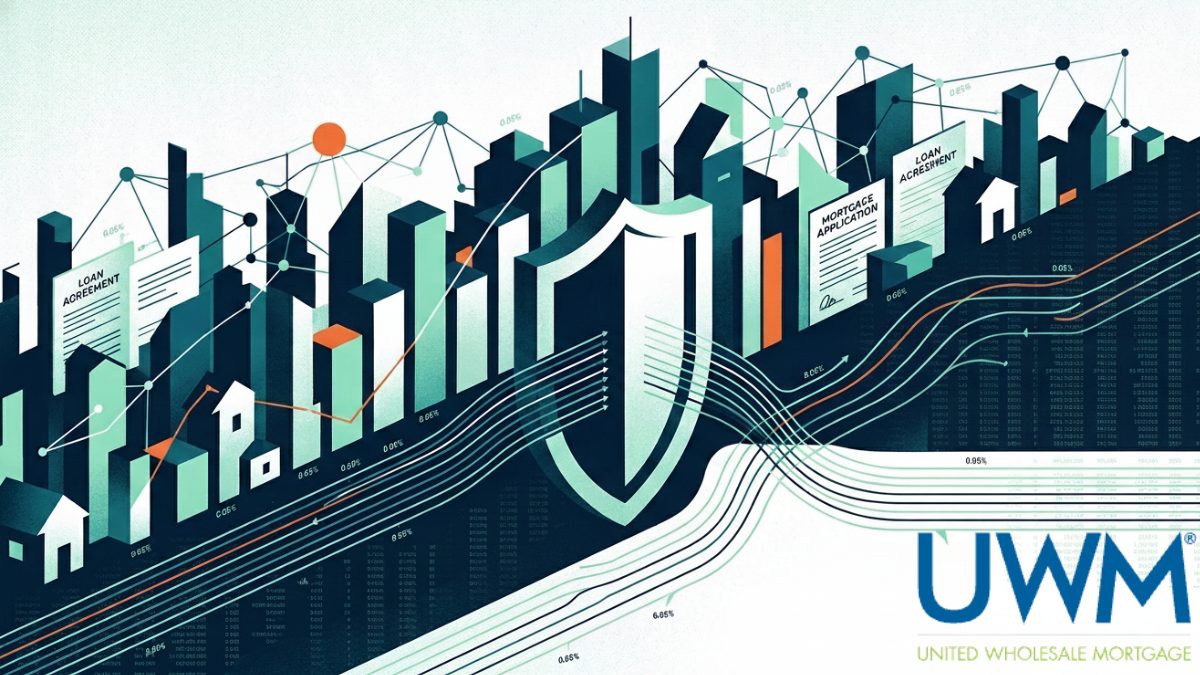
Fitch Ratings has significantly downgraded the long-term issuer default ratings of United Wholesale Mortgage (UWM), a prominent player in the U.S. mortgage industry, to B+ from BB-. This downgrade, accompanied by a stable outlook, is primarily attributed to a sharp escalation in UWM’s leverage, fueled by substantial second-quarter financial losses and increased borrowing activities. The agency’s assessment highlights a dramatic shift in UWM’s financial footing, with corporate leverage, measured by the ratio of gross nonfunding debt to tangible equity, more than doubling from 3.2x at the close of the first quarter to an alarming 6.1x by the end of the second quarter. This figure represents a stark increase from the 1.2x leverage recorded at the end of fiscal year 2023, placing UWM significantly above Fitch’s previously established downgrade trigger of 2.0x.
The Genesis of the Leverage Surge
The precipitous rise in UWM’s leverage can be traced back to a confluence of factors, most notably a substantial $603 million hedging loss incurred during the second quarter. This significant financial setback was a direct consequence of UWM’s strategic attempt to secure a substantial mortgage servicing rights (MSR) portfolio from Two Harbors Investment Corp. While UWM had engaged in aggressive hedging strategies to protect its financial position in anticipation of this acquisition, the deal ultimately did not materialize. In a competitive bidding process, CrossCountry Mortgage (CCM) emerged as the successful acquirer of Two Harbors’ MSR assets, leaving UWM with the financial fallout from its protective hedging measures.
Adding to the financial strain, UWM reported a considerable net loss of $451.9 million for the second quarter of 2024. This loss underscores the challenging operating environment within the mortgage sector, characterized by fluctuating interest rates, heightened competition, and evolving market dynamics. The company’s operational expenditures and the need to fund its extensive origination activities, especially in a period of declining origination volumes for many lenders, necessitated increased borrowing, further exacerbating its leverage ratios.
Strategic Capital Infusion and Restructuring Efforts
In response to the escalating financial pressures and the need to bolster its capital base, UWM announced a significant strategic capital partnership on Wednesday. This multi-faceted agreement involves a $2.05 billion capital infusion channeled through SFS Group Capital, a newly established entity controlled by the Ishbia family, and Oaktree Capital Management. A key component of this partnership includes a $400 million common stock offering. This move aims to inject much-needed liquidity into the company and reduce its reliance on debt financing.
Mat Ishbia, President and CEO of UWM, addressed the implications of this capital raise during an online Q&A session on Thursday. He expressed optimism that the capital infusion would dramatically improve the company’s leverage ratio. Ishbia projected that the nonfunding debt-to-equity ratio would plummet from an estimated 5.6x post-loss to a much more manageable 1.2x following the completion of the capital raise and associated transactions. This projection suggests a swift and substantial deleveraging strategy being implemented by UWM’s leadership.
Fitch’s Scrutiny of Debt Instruments and Equity Treatment
Fitch Ratings’ assessment of UWM’s financial health extends to the intricate details of its proposed debt instruments. The agency has signaled its intention to classify a planned issuance of $1.65 billion in Series A perpetual preferred stock, slated for the fourth quarter of 2026 and involving Oaktree and the Ishbia family, as debt rather than equity. This classification is a critical determinant in leverage calculations and impacts how a company is perceived by rating agencies and investors.
The terms of this preferred stock issuance present several features that have led Fitch to its classification. Notably, coupon payments are stipulated to be made in cash after five years, or sooner if UWM’s liquidity falls below $500 million, its tangible net worth drops below the preferred liquidation preference, or certain warehouse loan covenants are breached. The payment-in-kind (PIK) coupon rate is set at a substantial 13%, which is 300 basis points higher than the cash coupon. Fitch views these provisions as "coupon-deferral constraints" that prevent the preferred issuance from qualifying for equity credit under its stringent criteria. These criteria typically require an unrestricted ability to defer or omit coupon payments for a minimum of five years.
Furthermore, Fitch expressed skepticism about the perpetual nature of these preferred shares. Despite the absence of a contractual maturity date, the agency believes that "incentives to redeem" will likely lead to the preferred shares not remaining a permanent fixture in UWM’s capital structure. This perspective suggests that Fitch anticipates UWM will seek to retire this debt rather than allow it to permanently dilute its equity base.
The transaction also includes stock purchase rights, granting the Ishbia family and Oaktree the ability to acquire 200 million common shares at a price of $2 per share or 85% of the market price, whichever is higher, with these rights expiring in November 2026. The backstop agreement for this offer, provided by the Ishbia family and Oaktree, can be satisfied through either common stock or junior preferred stock. Fitch indicated that it may treat these junior preferred shares similarly to the senior preferred shares, further influencing its assessment of UWM’s overall capital structure and leverage.
Underlying Strengths Amidst Downgrade
Despite the significant downgrade in its issuer default ratings, Fitch Ratings acknowledged that UWM’s credit profile continues to be supported by several key strengths. The agency highlighted UWM’s formidable market position and established franchise within the wholesale mortgage sector. With a commanding 41% share of this market, UWM has consistently held the title of the nation’s largest mortgage originator since the fourth quarter of 2022, according to industry data from Inside Mortgage Finance. This dominant market share provides a degree of resilience and revenue generation capability.
Moreover, Fitch pointed to UWM’s adequate liquidity levels, solid servicing asset quality, and a robust, integrated technology platform. The company’s investment in proprietary technology, including advancements in AI-driven mortgage underwriting and servicing, is seen as a strategic advantage that can enhance operational efficiency and competitive positioning. Finally, an experienced management team with a deep understanding of the mortgage industry contributes to the company’s operational stability and strategic direction.
Broader Industry Context and Implications
The downgrade of UWM’s ratings occurs against a backdrop of significant challenges and transformations within the broader mortgage industry. Rising interest rates over the past year have cooled the housing market, leading to a sharp contraction in mortgage origination volumes. This has put considerable pressure on lenders, forcing many to reduce staff, streamline operations, and seek strategic partnerships or capital injections to weather the downturn.
UWM’s aggressive pursuit of market share, while a strategic advantage in normal times, has also exposed it to greater financial risks during periods of market volatility. The failed acquisition of Two Harbors’ MSRs and the subsequent large hedging loss exemplify the risks inherent in high-stakes competitive battles within the industry.
The strategic capital infusion, particularly the involvement of Oaktree Capital Management, a renowned distressed debt investor, signals UWM’s commitment to navigating these turbulent waters. Oaktree’s participation often suggests a belief in the underlying asset value and a willingness to engage in restructuring efforts to unlock that value. The structured nature of the preferred stock issuance, with its cash-flow dependent coupon payments and potential for redemption, reflects a cautious approach to capital management by both UWM and its investors.
The implications of Fitch’s downgrade extend to UWM’s cost of capital and its ability to access future financing. A lower credit rating generally translates to higher borrowing costs, potentially impacting profitability and future growth initiatives. However, the company’s strong market position and the recent capital injection may mitigate some of these effects.
The stable outlook provided by Fitch suggests that, while the immediate leverage concerns are significant, the agency believes that UWM has a credible plan to address these issues and that the current rating adequately reflects the risks and opportunities. The success of UWM’s deleveraging strategy, its ability to generate consistent earnings in excess of its preferred dividend obligations, and its continued market leadership will be critical factors in its future financial trajectory and its ability to regain investor confidence. The company’s ability to execute its post-capital raise strategy, manage its operational costs effectively, and adapt to evolving market conditions will be closely monitored by the rating agency and the broader financial community.