Julia Chirkova
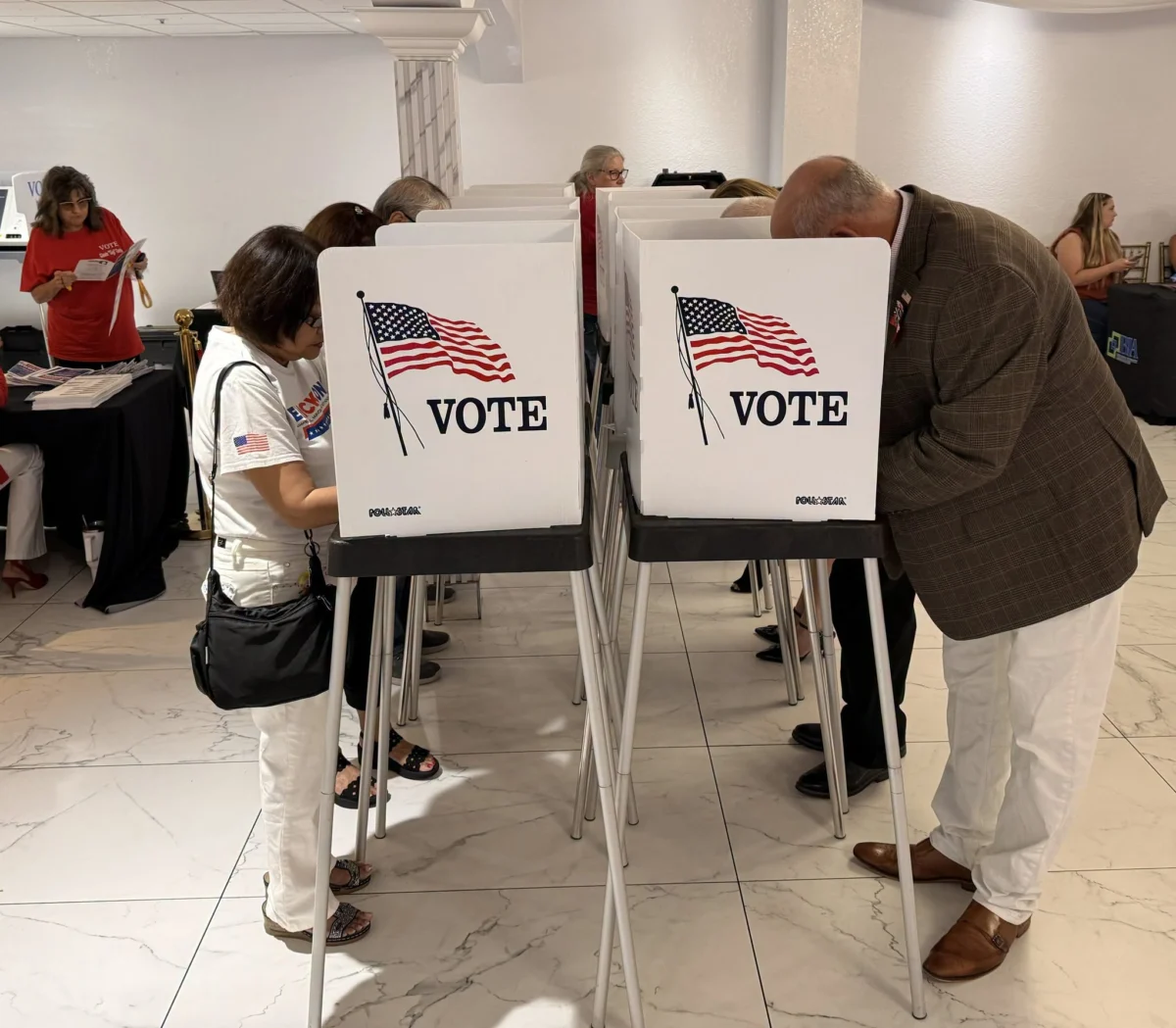
In a pivotal moment for the Sunshine State’s fiscal landscape, Florida voters have overwhelmingly approved Amendment 3, a constitutional measure poised to deliver substantial property tax relief to primary homeowners. With the cost of living dominating public discourse, the amendment’s passage signifies a clear mandate from the electorate to ease the financial burden of homeownership. Garnering approximately 62% of the vote, Amendment 3 surpassed the required 60% threshold, signaling a dramatic shift in Florida’s tax and budget architecture, set to take effect as early as January.
Deepening the Homestead Exemption: A New Era for Property Owners
The core of Amendment 3 lies in its substantial expansion of the homestead exemption, a long-standing provision designed to reward Florida residents for owning and residing in their homes by reducing their taxable property value. Beginning in 2027, the homestead exemption for all non-school taxes will see a significant increase, rising to $150,000. This will be followed by a further escalation to $250,000 in 2028. This phased approach aims to provide homeowners with progressively larger tax savings over a short period.
The homestead exemption operates by deducting a portion of a property’s assessed value from its taxable value. Currently, Florida offers a $50,000 homestead exemption for all taxes, including school taxes. However, Amendment 3 specifically targets non-school taxes, a critical distinction that will impact the revenue streams of local governments. For instance, a homeowner whose property is assessed at $400,000 would currently have $50,000 exempted from school taxes, making $350,000 taxable for school purposes. Under the new amendment, for non-school taxes, this exemption will grow to $150,000 in 2027 and $250,000 in 2028, significantly reducing the taxable base and, consequently, the tax bill.
A hypothetical analysis conducted by the Tampa Bay Times suggests that these changes could translate into savings of thousands of dollars for many Florida homeowners. These savings are not uniform, however, and will depend on various factors, including the property’s assessed value, the local millage rates (the tax rates set by local governments), and the duration of homeownership, as the cumulative benefits of the exemption can grow over time.
Broader Impact: Beyond Primary Residences
Amendment 3’s reach extends beyond owner-occupied homes. The amendment also introduces a cap on annual assessment increases for non-homesteaded properties, limiting them to a maximum of 5% per year. This provision offers a measure of relief for a diverse range of property owners, including those who own second homes, vacation properties, rental units, and commercial businesses. This annual limit aims to provide predictability in property tax obligations for these categories, potentially encouraging investment and stability within these sectors.
However, a notable caveat is attached to the expanded homestead exemption: individuals who do not establish Florida residency by the end of the current year will face a five-year waiting period before they can benefit from the increased homestead exemption. This provision has already sparked debate, with some questioning its constitutionality and potential legal challenges down the line. The intent behind this waiting period is likely to prioritize long-term residents and discourage individuals from claiming homestead status solely for tax purposes without establishing genuine residency.
Financial Ramifications: Local Governments Face Significant Revenue Shortfalls
The approval of Amendment 3 is projected to have profound financial implications for Florida’s local governments. State-level estimates indicate a potential annual revenue loss of up to $12 billion by 2031. This substantial reduction in tax revenue has prompted dire warnings from local officials regarding inevitable cuts to essential and popular public services. These could range from the maintenance of public parks and recreational facilities to critical services such as fire and emergency medical response.
The fiscal strain on cities and counties is a direct consequence of the expanded homestead exemption and the cap on non-homesteaded property assessments. Local governments rely heavily on property tax revenue to fund their operations, including police and fire departments, public schools (though Amendment 3 exempts school taxes from the increased homestead exemption), infrastructure projects, and a myriad of other community services. To offset these projected losses, local governments will be compelled to make difficult decisions. These options include significant spending reductions across all departments, potentially leading to reduced service levels, or the exploration of new revenue streams, which could involve levying new fees or, in some cases, implementing alternative taxes.
Political Victory and Strategic Alliances
The success of Amendment 3 represents a significant political triumph for Florida Governor Ron DeSantis. For over a year, Governor DeSantis has been a vocal proponent of property tax reduction initiatives, positioning himself as a champion for Floridians grappling with rising living costs. Despite his initial proposal being amended by the Legislature to exempt property taxes dedicated to schools – a change that may have tempered his original vision – the Governor continued to actively advocate for the amendment’s passage.
The amendment’s approval solidifies one of Governor DeSantis’s final legislative and political achievements during his tenure. It also marks a considerable success for Florida Realtors, a prominent trade association that invested millions of dollars in supporting the campaign for Amendment 3. This substantial financial backing from the real estate industry highlights the significant stake they have in policies that impact property ownership and values.
Opposition and the Road Ahead
Despite the strong voter support, Amendment 3 faced considerable opposition from a broad coalition of stakeholders. This group included Florida sheriffs, law enforcement officers, firefighters, and various community advocacy organizations. These opponents voiced serious concerns about the potential for Amendment 3 to cripple the operational capacity of local governments, arguing that essential public safety services could be compromised due to funding shortfalls.
The passage of Amendment 3 necessitates immediate action from state lawmakers. Governor DeSantis is widely expected to convene a special legislative session in Tallahassee to draft and enact the necessary legislation to implement the constitutional changes. This session will be crucial in defining the precise mechanisms for the tax cuts and addressing the financial fallout for local governments, potentially exploring measures to mitigate revenue losses or provide transitional support.
Context and Precedent: A History of Property Tax Debates
The debate surrounding property taxes in Florida is not new. For years, residents and elected officials have grappled with the rising costs of property insurance, coupled with escalating property values, which have placed a significant strain on household budgets. Property taxes are a primary source of funding for local governments, and their levels are determined by local millage rates and property assessments.
Historically, Florida has offered property tax relief through various measures, including the homestead exemption, which was first enacted in the 1930s. However, the state’s robust population growth and the subsequent increase in property values have continually put pressure on the system. Amendments to the state constitution regarding property taxes require broad voter approval, making them a direct reflection of public sentiment on fiscal matters.
The specific language of Amendment 3, particularly its phased increase and the distinction between school and non-school taxes, reflects a complex negotiation between different interests. While homeowners stand to gain immediate financial benefits, the long-term consequences for local service delivery remain a significant point of concern and will require careful management and policy adjustments in the coming years. The approval of Amendment 3 sets the stage for a transformative period in Florida’s fiscal policy, with both significant benefits for homeowners and substantial challenges for local governance.