admin
admin
The complex world of tipped income taxation underwent a monumental transformation with the passage of the One Big Beautiful Bill Act (OBBBA) in 2025. This landmark legislation, signed into law by President Donald J. Trump on July 4, 2025, introduced sweeping changes to the federal tax code, prominently featuring a provision that exempts certain tipped employees from federal income tax on their tips. This radical shift has profound implications for millions of service workers and their employers across the United States.
The Genesis of the One Big Beautiful Bill Act
The OBBBA emerged from a period of intense legislative debate surrounding economic stimulus, workforce empowerment, and comprehensive tax reform. Championed by the administration as a means to boost disposable income for hardworking Americans and stimulate consumer spending, the bill garnered significant attention for its ambitious scope. President Trump, in a celebratory signing ceremony on Independence Day, hailed the act as a "game-changer" for the American economy, emphasizing its potential to inject vitality into sectors heavily reliant on service professionals. The legislation was designed not only to simplify the tax burden for many but also to foster growth in key service industries that contribute substantially to the nation’s GDP. Estimates from the Congressional Budget Office (CBO) projected that the OBBBA could directly benefit over 10 million service workers nationwide, potentially adding billions to their annual net income and subsequently to the broader economy.
Deciphering the "No Tax on Tips" Provision
At the heart of the OBBBA for the service industry is the groundbreaking "no tax on tips" provision. Effective from January 1, 2025, and slated to run through December 31, 2028, this measure allows qualifying tipped employees to claim a federal income tax deduction for the total amount of cash tips received. This deduction is capped at $25,000 annually per individual. For self-employed taxpayers, the deduction is further limited, unable to exceed the individual’s net income derived from the trade or business where the tips were earned. This means that while tips remain subject to Social Security and Medicare taxes (FICA), as well as applicable state and local taxes, the federal income tax liability on this portion of their earnings is significantly reduced or eliminated for many.
Broader Strokes of the OBBBA
While the tip deduction is a headline-grabber, the OBBBA encompasses several other significant tax reforms. The act also introduces a federal income tax deduction for a portion of overtime pay, aiming to reward those who work extended hours. It substantially increases the standard deduction, simplifying tax filing for many households and effectively lowering the taxable income threshold. Furthermore, the legislation establishes "Trump Accounts," a new type of tax-advantaged savings vehicle designed to encourage personal savings and investment, and it significantly increases the Child Tax Credit, providing additional financial relief for families. These combined provisions reflect a comprehensive approach to tax policy, seeking to stimulate economic activity across various segments of the population.
Historical Context of Tipped Income Taxation
Prior to the OBBBA, the taxation of tipped income was a long-standing and often complex issue for both employees and employers. Under the Fair Labor Standards Act (FLSA), an employee who regularly receives more than $30 in tips per month is classified as a "tipped employee." These individuals are typically paid a lower hourly cash wage by their employer, with their tips making up the difference to meet or exceed the federal and state minimum wage requirements. For decades, all reported tips were subject to federal income tax, Social Security, and Medicare taxes, in addition to state and local taxes where applicable. Employees were required to report all tips of $20 or more per month to their employers, who then withheld the appropriate taxes and reported the income on Form 941 and the employee’s W-2 form. This system, while ensuring tax compliance, often left service workers with a significant portion of their tips subject to immediate taxation, reducing their take-home pay. The OBBBA marks a distinct departure from this traditional framework, aiming to put more money directly into the pockets of service professionals.
Defining Eligibility: Who Qualifies for the Tip Tax Deduction?
The IRS has clarified that only occupations that "customarily and regularly received tips on or before December 31, 2024," will qualify for the federal income tax deduction. This criterion is intended to prevent the artificial creation of "tipped" roles solely for tax benefits. The Secretary of the Treasury, in collaboration with the Department of Labor, is tasked with publishing the final official list of eligible occupations by October 2, 2025. A preliminary list, released by the Department of Treasury on August 27, 2025, offered substantial guidance.
Preliminary List of Qualifying Occupations (as of August 27, 2025):
- Beverage & Food Service: Restaurant Servers, Bartenders, Baristas, Host/Hostesses (with direct tip share), Food Runners, Busboys/Busgirls, Sommeliers, Caterers, Delivery Drivers (food/beverage).
- Entertainment & Events: Casino Dealers, Gaming Attendants, Ushers (event-based), Valets (event-based), Coat Check Attendants, Bouncers (with direct tip share), Golf Caddies, Bowling Alley Attendants, Karaoke Hosts.
- Hospitality & Guest Services: Hotel Bellhops, Concierges, Housekeepers, Room Service Attendants, Doormen, Tour Guides (private/group), Parking Attendants.
- Home Services: Hair Stylists, Barbers, Nail Technicians, Massage Therapists, Estheticians, Pet Groomers, Furniture Delivery Personnel (with setup), Movers, Personal Shoppers (commission-based with tips).
- Personal Appearance & Wellness: Tattoo Artists, Piercers, Spa Attendants, Personal Trainers (gym/private), Yoga/Pilates Instructors (studio-based), Makeup Artists, Wardrobe Stylists.
- Recreation & Instruction: Ski Instructors, Scuba Diving Instructors, Tennis Coaches (private), Fishing Guides, Horseback Riding Guides.
- Transportation & Delivery: Taxi Drivers, Ride-Share Drivers, Limo Drivers, Airport Shuttle Drivers, Parcel Delivery Drivers (e.g., local couriers).
This extensive list underscores the broad impact of the OBBBA across diverse service sectors.
Exclusions: Who Doesn’t Qualify for the "No Tax on Tips" Deduction?
It is crucial to understand that the OBBBA employs a much narrower definition of "tipped employee" for the purpose of this specific tax deduction compared to the broader FLSA standard. Even if an individual regularly earns more than $30 in tips per month and is therefore a "tipped employee" under FLSA, they may not qualify for the federal tip deduction. The IRS has provided specific examples of roles typically excluded:

- Managerial/Supervisory Roles: Individuals in management positions, even if they occasionally receive tips, are generally excluded.
- Non-Customer Facing Roles: Employees whose primary duties do not involve direct service to customers, such as kitchen staff (cooks, dishwashers, prep cooks), despite potential participation in tip pools, often do not qualify.
- Administrative/Clerical Staff: Office workers, receptionists, or administrative assistants, even in a tipped business environment, are typically ineligible.
- Owner/Operator: Business owners who receive tips are subject to the self-employed income limitations and must ensure their primary income is not solely from tips.
- Employees in Non-Traditional Tipping Environments: Occupations that did not customarily receive tips before December 31, 2024, will not be retroactively included. This prevents new industries from restructuring their compensation models solely for tax advantages.
This distinction highlights the legislation’s intent to target relief to traditional service roles.
Employer Responsibilities and Payroll Adjustments
For employers, 2025 is a critical transition year. The IRS has explicitly stated that for the 2025 tax year, there will be no immediate changes to payroll or withholding processes related to the OBBBA’s tip deduction. This means employers must continue to withhold federal income tax, Social Security, and Medicare taxes from all reported tipped income, remit these to the proper agencies, and report them on Form 941 and employees’ W-2 forms exactly as they did before the OBBBA.
The reason for this continuity is that the new tip deduction does not reduce taxable income at the point tips are earned or during payroll processing. Instead, it is a deduction that employees can claim when they file their 2025 federal tax return in 2026. Tipped employees who qualify will use the amount reported in Box 7 of their 2025 Form W-2 ("Social security tips"), along with their personal tip records, to calculate and claim their federal income tax deduction via a new Schedule 1-A (Form 1040). A draft of Schedule 1-A was in review as of December 1, 2025, confirming the IRS’s intention for a dedicated mechanism for claiming these deductions.
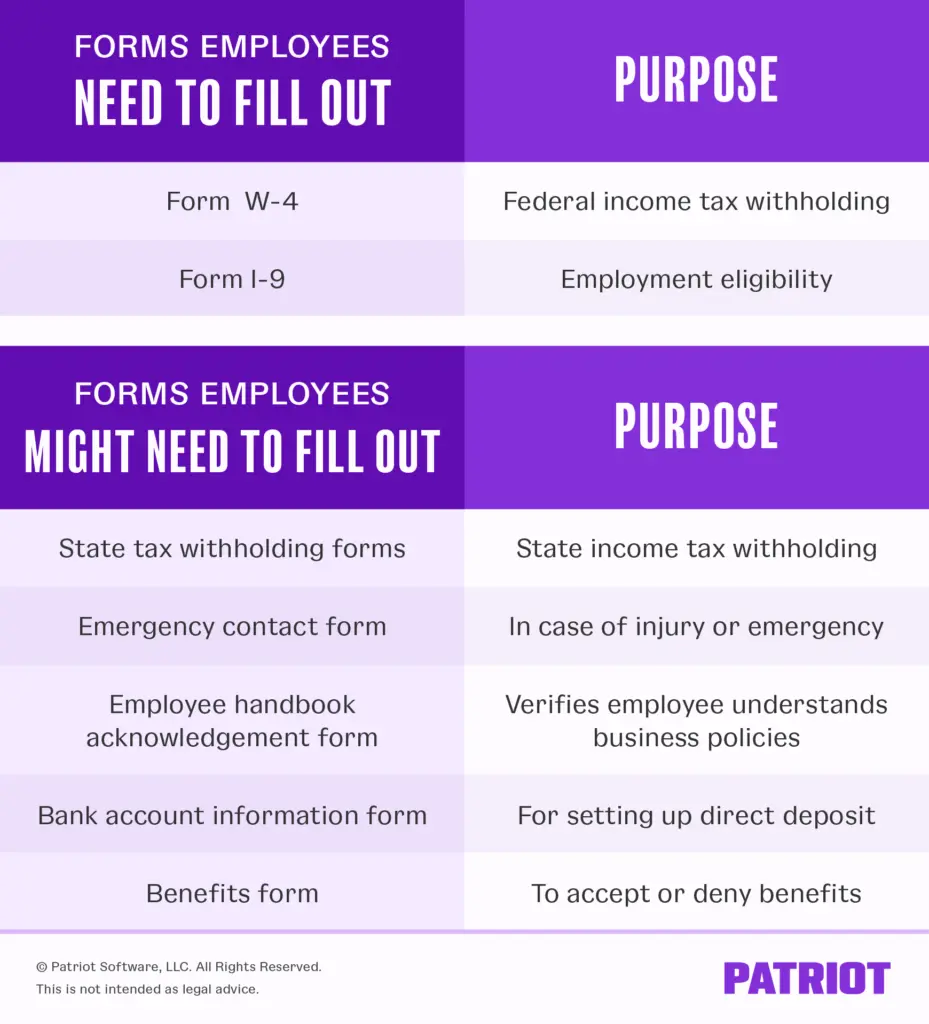
However, employers are not entirely unaffected. The IRS has released an updated Form W-4 for 2026, which includes a revised Deductions Worksheet in Step 4(b). This worksheet now features new fields for estimated tip income and the "and-a-half" portion of overtime pay. Employees who anticipate benefiting from the OBBBA deductions may choose to adjust their W-4 to reduce their federal income tax withholding, thereby increasing their take-home pay throughout the year rather than waiting for a larger refund. Employers will need to process these updated W-4 forms and adjust payroll withholding accordingly for the 2026 tax year.
Furthermore, significant changes are coming to the 2026 Form W-2, which will be issued in January 2027 for 2026 wages. The IRS has released the draft 2026 Form W-2, which incorporates new fields specifically tied to the "no tax on tips" law. These new boxes and codes will allow employers to more accurately report qualified tip income and overtime pay, directly facilitating the deduction claims for employees. While employers are expected to "reasonably approximate" these amounts for 2025 for employee deduction purposes, the 2026 W-2 will standardize this reporting.
State-Level Decoupling and the Evolving Landscape
The implementation of the OBBBA has also spurred activity at the state level. While the federal "no tax on tips" deduction is a significant relief, states retain the authority to impose their own income taxes on tips. Several states, including Alabama, North Carolina, and New Jersey, have already proposed or are "noodling" (as per the original text, implying active consideration) legislation to align with the federal changes by eliminating state income tax on tips and, in some cases, overtime pay.
A notable development occurred on December 3, 2025, when the District of Columbia enacted an emergency bill to "decouple" from select OBBBA provisions. This means that while D.C. employers must continue to track and report tips and overtime for federal compliance as dictated by the OBBBA, the qualified tip and overtime deductions will generally not apply at the D.C. income tax level. This decoupling highlights a potential patchwork of tax laws across the nation, adding a layer of complexity for employers operating in multiple jurisdictions and for employees who live in one state but work in another.
Stakeholder Reactions and Economic Implications
The OBBBA’s "no tax on tips" provision has elicited a mixed but generally positive response from various stakeholders.
- Service Employees: Many service workers have expressed enthusiasm, anticipating a tangible increase in their net income. A survey conducted by the National Service Workers Alliance in late 2025 indicated that over 70% of tipped employees expected a noticeable financial benefit, with many planning to use the extra income for savings, debt reduction, or increased discretionary spending.
- Industry Associations: Organizations like the National Restaurant Association and the American Hotel & Lodging Association have largely welcomed the changes, viewing them as a vital boost to an industry often characterized by fluctuating incomes. They anticipate that the increased take-home pay for employees could help attract and retain talent in a competitive labor market. However, some have voiced concerns about the initial complexity of payroll adjustments and the need for clear guidance from the IRS regarding qualifying occupations.
- Small Business Owners: While generally supportive of measures that benefit their employees, small business owners, particularly those in the restaurant and hospitality sectors, have highlighted the administrative burden during the transition phase. The need to understand new W-4 forms, prepare for future W-2 changes, and navigate potential state-level variations adds to their compliance workload. Payroll software providers, like Patriot, are actively working to update their systems to help businesses manage these changes seamlessly.
- Tax Advocacy Groups: Groups focused on tax fairness and economic equity have offered nuanced perspectives. While acknowledging the benefit to low and middle-income service workers, some have raised questions about the long-term fiscal impact of the deductions on federal revenue and whether the benefit distribution is equitable across all income brackets within the service industry.
Economically, the OBBBA’s tip deduction is projected to stimulate consumer spending by increasing the disposable income of a significant segment of the workforce. This could provide a measurable boost to local economies, particularly in areas with a high concentration of service industries. The long-term effects on federal revenue will be closely monitored, with initial estimates suggesting a moderate decrease in federal income tax collections, offset by the intended economic stimulus.
Timeline: Key Dates for "No Tax on Tips"
- July 4, 2025: One Big Beautiful Bill Act (OBBBA) signed into law by President Trump.
- August 27, 2025: Department of Treasury publishes preliminary list of qualifying tipped occupations.
- October 2, 2025: Deadline for the Secretary of the Treasury to publish the final official list of qualifying occupations.
- December 1, 2025: Draft of Schedule 1-A (Form 1040) released for review, indicating a new mechanism for employees to claim deductions.
- December 3, 2025: District of Columbia enacts emergency bill to decouple from select OBBBA provisions, meaning federal deductions generally won’t apply at the D.C. income tax level.
- January 1, 2025 – December 31, 2025 (Tax Year 2025): Transition year for employers. No changes to payroll withholding for federal income tax on tips. Employees track tips for deduction.
- January 2026: W-2 forms for 2025 wages issued. Employees use Box 7 and personal records to claim deductions on their 2025 federal tax returns (due April 2026) via Schedule 1-A.
- For 2026 Tax Year (Wages issued January 2027): New W-4 forms with updated Deductions Worksheet take effect. Employers process W-4 changes. New 2026 Form W-2 with specific boxes/codes for qualified tips and overtime is used.
Frequently Asked Questions
- Are tips being taxed in 2026? Yes, tips are still subject to Social Security, Medicare, and applicable state/local taxes in 2026. However, the OBBBA allows qualifying tipped employees to claim a federal income tax deduction for cash tips received, up to $25,000 annually, when filing their yearly income taxes.
- Is tax on tips going away completely? Not entirely. While the federal income tax deduction significantly reduces or eliminates federal income tax on tips for many, tips remain subject to Social Security, Medicare (FICA), and potentially state and local payroll taxes. The complete elimination of state income tax on tips depends on individual states passing their own corresponding legislation.
- What is a "cash tip" under the OBBBA? According to the IRS, "cash tips" for the purpose of this deduction include tips received directly from customers, charged tips (e.g., via credit or debit card transactions), and tips received through a legitimate tip-sharing or tip pooling arrangement.
- How much can you make in tips without paying taxes? Employees must still report all tips to their employers if they receive $20 or more in tips during a month. The OBBBA does not change this reporting requirement. The "no tax on tips" refers to a deduction claimed at tax filing, not an exemption from reporting or initial withholding for federal income tax purposes in 2025.
- Are IRS forms changing for the OBBBA no tax on tips? For the 2025 tax year, the IRS announced no changes to individual information returns or withholding tables. However, a new Schedule 1-A (Form 1040) is being introduced for employees to claim the deduction when filing their 2025 returns in 2026. For the 2026 tax year, the Form W-4 will be updated, and the 2026 Form W-2 (issued in January 2027) will include new fields for qualified tips and overtime.
- Are withholding tables changing for the OBBBA no tax on tips? No new federal withholding tables are being issued for Tax Year 2025 specifically due to the OBBBA. Employers will continue current withholding practices for federal income tax on tips. However, employers should be prepared to process updated W-4 forms from employees who may adjust their withholding in anticipation of the tipped tax deduction for 2026.
The One Big Beautiful Bill Act represents a landmark shift in how tipped income is treated under federal tax law. While its implementation requires careful attention from both employees and employers, its overarching goal is to empower service professionals with greater financial autonomy, potentially reshaping the economic landscape of the nation’s vital service industries for years to come.