Nila Kartika Wati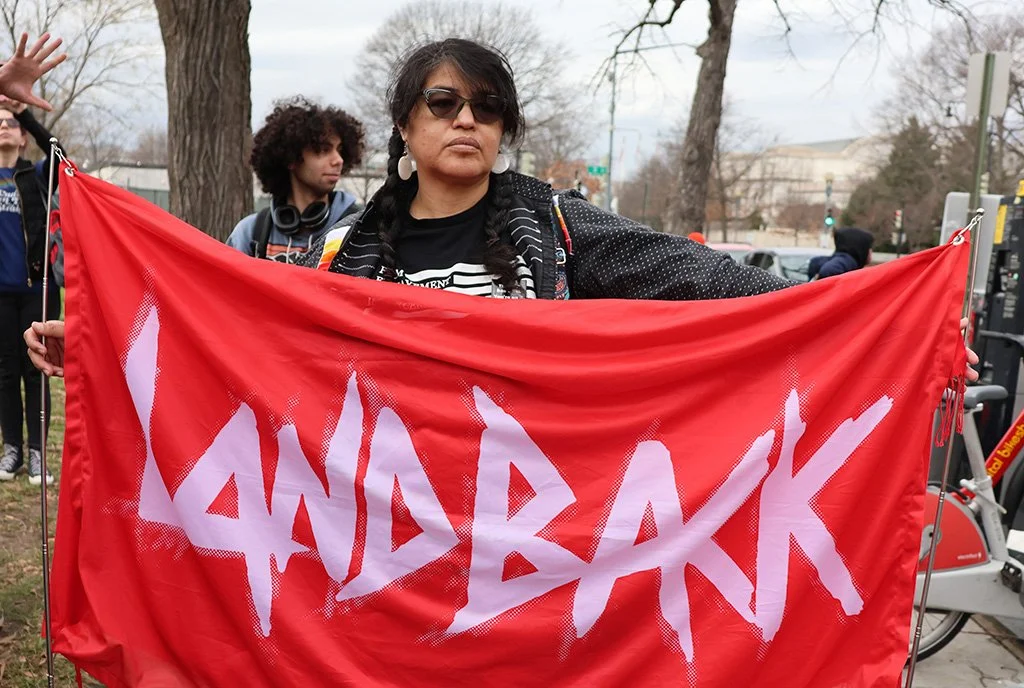
The NDN Collective, an Indigenous-led organization dedicated to building Indigenous power, has formally introduced the LANDBACK Action Network (LAN), a strategic political formation designed to unify Indigenous peoples, grassroots organizers, and Tribal Nations across North America. This initiative, highlighted in a recent broadcast of the LANDBACK for the People podcast, represents a significant evolution in the modern struggle for Indigenous sovereignty, moving beyond decentralized activism toward a structured, multi-jurisdictional alliance spanning the United States, Canada, and Mexico. The network aims to dismantle colonial structures of land ownership while proposing Indigenous stewardship as a viable solution to the escalating global climate crisis and social inequities.
The Evolution of the LANDBACK Movement
The LANDBACK movement is not a singular organization but a centuries-old struggle that has gained renewed international momentum over the last decade. While the term "Land Back" has existed in various forms for generations, it saw a massive resurgence during the 2016 Standing Rock protests against the Dakota Access Pipeline. This period marked a turning point where Indigenous environmental protection and land jurisdiction became central to the global conversation on human rights.
In 2020, the NDN Collective officially launched the LANDBACK campaign, focusing on four primary pillars: the return of public lands to Indigenous hands, the divestment from extractive industries, the protection of Indigenous ceremonies and languages, and the investment in Indigenous self-determination. The launch of the LANDBACK Action Network (LAN) in 2024 serves as the operational arm of this movement, shifting the focus from advocacy to the creation of a permanent political infrastructure.
By framing LANDBACK as a "political formation" rather than a traditional non-profit entity, organizers intend to create a space that is resistant to the limitations of Western corporate structures. The LAN is designed to break down "silos" between different movements—such as those focusing on environmental justice, immigrant rights, and Black reparations—to build a unified front against what organizers describe as the "extractive status quo" maintained by government administrations and corporate interests.
Personal Narratives and the Necessity of Mutual Aid
The foundations of the LAN are rooted in the lived experiences of organizers who have spent decades navigating the intersections of state policy and community survival. During the recent LAN launch discussions, Cy Wagoner, an organizer within the network, highlighted the fundamental nature of the movement through the lens of water rights. Growing up on the Navajo Nation, Wagoner described the daily reality of hauling water in the absence of basic plumbing—a condition that persists for thousands of Indigenous families despite the United States’ status as a global superpower. For Wagoner and many others, the fight for land is inseparable from the fight for the basic human right to life-sustaining resources.
Similarly, Eva Cardenas, another key voice in the network, brought attention to the intersection of Indigenous rights and immigration policy. Having worked with the Georgia Latino Alliance for Human Rights, Cardenas observed the parallels between the displacement of Indigenous peoples in the Global South and the criminalization of movement across colonial borders. These narratives underscore a core tenet of the LAN: that the struggle for Indigenous land is a "larger call" that invites all marginalized groups to envision a future where resources are managed for the collective good rather than private profit.
The network’s leadership emphasizes that their approach is born from necessity. In many Indigenous communities, "mutual aid" is not a political theory but a traditional way of life. By formalizing these traditions through the LAN, the movement seeks to scale up local survival strategies into a national and international political strategy.
Supporting Data: The Case for Indigenous Land Stewardship
The push for the return of land to Indigenous jurisdiction is increasingly supported by environmental and economic data. Research consistently shows that while Indigenous peoples make up less than 5 percent of the global population, they manage or hold tenure over approximately 25 percent of the world’s land surface. Crucially, this land contains an estimated 80 percent of the planet’s remaining biodiversity.
A 2021 study published in the journal Nature indicated that forests managed by Indigenous communities in the Amazon and other regions have significantly lower deforestation rates and higher carbon storage capacities than those managed by state governments or private interests. In the United States, the management of National Parks has come under scrutiny as the "30 by 30" initiative—a goal to conserve 30 percent of U.S. lands and waters by 2030—gains traction. LAN organizers argue that the most effective way to reach these conservation goals is to return federal lands to Tribal Nations, whose traditional ecological knowledge (TEK) offers a blueprint for sustainable land management that Western science is only beginning to quantify.
Furthermore, the economic implications of land return are profound. According to the World Bank, secure land tenure for Indigenous peoples is a key driver in reducing poverty and increasing regional stability. By reclaiming jurisdiction over ancestral territories, Tribal Nations can develop regenerative economies that prioritize long-term sustainability over the short-term gains of mining and oil extraction.
Strategic Objectives and the Role of Digital Sovereignty
One of the most innovative aspects of the LANDBACK Action Network is its emphasis on digital sovereignty. Organizers have expressed concern over the reliance on mainstream social media platforms like Facebook and Instagram, citing issues with algorithmic bias, surveillance, and the monetization of movement labor. The LAN is positioned as an alternative digital and physical ecosystem where Indigenous people can communicate, strategize, and share victories without the interference of corporate gatekeepers.
The network’s strategic objectives include:
- Strengthening Tribal Sovereignty: Assisting Tribal Nations in navigating the legal complexities of land recovery and jurisdictional expansion.
- Multiracial Solidarity: Building formal alliances with Black reparations movements, recognizing that the dismantling of the plantation economy and the colonial land system are interconnected goals.
- Policy Advocacy: Pushing for the full implementation of the United Nations Declaration on the Rights of Indigenous Peoples (UNDRIP) within the domestic policies of Canada, the U.S., and Mexico.
- Crisis Response: Developing a rapid-response infrastructure to support Indigenous communities facing immediate threats from extractive industries or state-sanctioned violence.
Responses from Related Parties and Global Implications
The launch of the LAN has drawn a variety of reactions from across the political spectrum. While environmental organizations and human rights groups have largely lauded the move as a necessary step toward justice, extractive industry proponents and certain state legislators have expressed concern over the potential "destabilization" of existing land-use permits.
In a statement regarding the broader movement, various Tribal leaders have noted that LANDBACK is not a call for the mass eviction of non-Indigenous residents, but rather a demand for a change in the legal and spiritual relationship to the land. "It is about who has the authority to decide what happens to the water, the soil, and the air," one organizer noted.
The global implications are equally significant. As the world grapples with the effects of climate change—including record-breaking heatwaves, droughts, and wildfires—the LAN offers a proactive alternative to the current global economic model. By centering Indigenous leadership, the network suggests that the solutions to global crises are already held by those who have resisted assimilation for over 500 years.
Analysis of Broader Impacts
The formation of the LANDBACK Action Network marks a transition from reactive protest to proactive governance. By establishing a membership-based network, the NDN Collective is creating a pipeline for leadership development and resource distribution that could fundamentally alter the landscape of North American politics.
In the United States, the appointment of Deb Haaland as the first Native American Secretary of the Interior was a historic milestone, yet the LAN suggests that true change must come from outside the federal bureaucracy. The network’s focus on "collective liberation" indicates a shift toward a more holistic view of social justice, where the liberation of the land is seen as the prerequisite for the liberation of all people.
As the LAN continues to grow, its success will likely be measured by its ability to secure tangible land returns and its capacity to influence international climate policy. In an era defined by extraction and exploitation, the LANDBACK Action Network stands as a testament to the resilience of Indigenous peoples and their commitment to building a future that honors both Mother Earth and the "two-leggeds" who inhabit it. The movement invites a global audience to reconsider the meaning of ownership, stewardship, and the true cost of the status quo. Through the LAN, Indigenous communities are not just asking for a seat at the table; they are rebuilding the table entirely.