Pevita Pearce
The Internal Revenue Service (IRS) has issued updated guidance, specifically Notice 2026-54, offering extended tax relief to farmers and ranchers in 49 states, the District of Columbia, and Puerto Rico who were compelled to sell or exchange livestock due to severe drought conditions. This critical measure allows affected agricultural producers more time to replace their herds and defer tax liabilities on any gains realized from these forced sales or exchanges. The extended relief is a direct response to the persistent and widespread drought conditions impacting significant portions of the United States, threatening the livelihoods of those who form the backbone of the nation’s food supply.
Deepening Droughts and Economic Strain on Agriculture
The announcement comes at a time when the agricultural sector is grappling with the escalating consequences of prolonged drought. These arid conditions have led to a depletion of pastures, reduced water availability for livestock, and increased feed costs, forcing many farmers and ranchers to make the difficult decision to liquidate portions of their herds. Such sales, while necessary for immediate survival, can trigger substantial capital gains taxes, further exacerbating the financial strain on these producers. The IRS’s action aims to mitigate this economic hardship by providing a more flexible timeframe for recovery and reinvestment.
The U.S. Department of Agriculture (USDA) has been closely monitoring drought levels across the country, with its latest reports indicating that vast agricultural regions have experienced exceptional, extreme, or severe drought conditions. This has resulted in widespread crop failures and significant stress on livestock operations. For instance, data from the National Drought Mitigation Center, which the IRS relies upon for its determinations, shows a concerning trend of persistent dryness in key agricultural states. The impact is multifaceted, affecting not only the immediate profitability of farms but also their long-term viability and capacity to contribute to the national food security.
Understanding the Extended Tax Relief
Under the provisions of Notice 2026-54, eligible farmers and ranchers can now benefit from an extended period to replace their sold or exchanged livestock. Generally, livestock sold due to drought conditions must be replaced within a four-year period, a significant increase from the standard two-year timeframe. Furthermore, the IRS has indicated its authority to grant even further extensions if drought conditions persist. This flexibility is designed to ensure that producers have a realistic opportunity to rebuild their herds once environmental conditions improve.
The core of this tax relief centers on deferring the recognition of capital gains. When livestock is sold at a profit, especially under duress, the resulting gain is typically subject to taxation in the year of sale. By allowing for the deferral of these taxes, the IRS provides a crucial cash flow benefit to farmers and ranchers, enabling them to reinvest funds into replacing their herds rather than immediately remitting them to the government. The replacement livestock must be of a kind and class similar to that sold or exchanged.
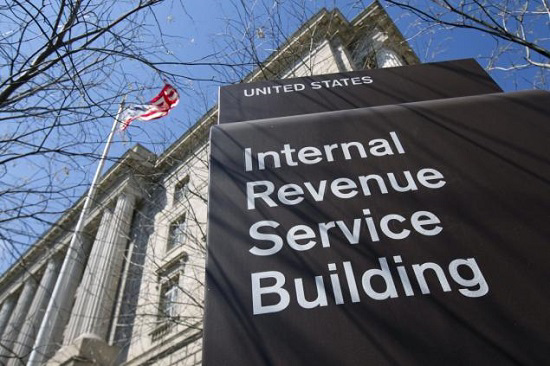
Scope of Eligibility and Notice 2026-54
Notice 2026-54 meticulously outlines the specific geographic areas that qualify for this federal assistance. The designation is based on reported exceptional, extreme, or severe drought conditions during the 12-month period concluding on August 31, 2026. The list encompasses 49 states, the District of Columbia, and Puerto Rico. Notably, Alaska is the sole state excluded from this particular designation.
The tax relief is generally applicable to capital gains derived from the sale or exchange of livestock held for draft, dairy, or breeding purposes. This means that the benefit is intended for those whose core operations involve breeding stock, milk production, or using animals for agricultural labor. Crucially, sales of other types of livestock, such as those raised for slaughter or held for sporting purposes, are not covered by this specific relief. Similarly, sales of poultry do not qualify under this notice.
A Proactive Response to Agricultural Challenges
IRS Commissioner Frank Bisignano underscored the significance of this measure, stating, "Large swaths of the United States continue to experience drought conditions, distressing hard-working American farmers and ranchers. By extending relief for those who sell or exchange livestock, the IRS is providing much-needed support to those who feed our nation." This statement highlights the IRS’s recognition of the critical role agriculture plays and its commitment to supporting producers facing extraordinary circumstances.
The IRS’s proactive issuance of this guidance reflects a strategic effort to address the unfolding crisis. By providing clear guidelines and extending timelines, the agency aims to prevent undue financial hardship and support the long-term sustainability of American agriculture. The inclusion of specific dates and criteria within Notice 2026-54 ensures clarity and accessibility for affected taxpayers.
The Extended Replacement Period: A Deeper Dive
The extended replacement period allows eligible farmers and ranchers to defer tax recognition until they can reinvest in their operations. The notice specifies that the replacement period extends to the end of the first tax year following the first drought-free year that occurs after the expiration of the four-year replacement period. This nuanced approach provides a buffer against lingering drought conditions.
For example, if an eligible farmer’s drought-sale replacement period was slated to expire at the end of 2026, the extended provisions would allow them until the end of their subsequent tax year to replace the sold or exchanged livestock. This means that the tax liability on the gains from those sales would not be triggered until they have had a reasonable opportunity to rebuild their herds, potentially several years down the line, depending on the persistence of drought conditions.

Historical Precedent and Supporting Resources
The IRS has a history of providing tax relief to agricultural producers impacted by natural disasters. Previous notices, such as Notice 2006-82, have established frameworks for addressing drought-related sales of livestock. Notice 2026-54 builds upon this precedent, adapting the relief to the current widespread drought conditions and updating the relevant timeframes and designations.
Farmers and ranchers seeking to understand the specifics of this provision can refer to Notice 2006-82 for detailed explanations and illustrative examples of how the relief operates. For broader guidance on farm-related tax issues, the IRS also directs producers to Publication 225, "Farmer’s Tax Guide," which is available on the IRS website. These resources are invaluable for ensuring compliance and maximizing the benefits of available tax relief programs.
Broader Economic and Societal Implications
The ramifications of extended drought and the subsequent need for livestock sales extend beyond individual farms. A prolonged reduction in herd sizes can impact the broader agricultural supply chain, potentially leading to higher prices for consumers in the long term. The ability of farmers and ranchers to recover and rebuild their operations is therefore critical for maintaining stable food supplies and economic stability within rural communities.
The IRS’s intervention, by easing the immediate tax burden, plays a vital role in facilitating this recovery. It allows producers to focus their resources on rebuilding their herds and restoring their operations, rather than being forced to liquidate assets at unfavorable times to meet tax obligations. This support is not only economic but also psychological, offering a measure of stability and hope to those facing immense environmental and financial pressures.
The decision to extend this relief also signals a recognition of the interconnectedness of environmental conditions and economic well-being in the agricultural sector. As climate patterns shift and extreme weather events become more frequent, such proactive tax policies are likely to become increasingly important in supporting the resilience of American agriculture. The IRS, by responding with timely and targeted guidance, demonstrates its capacity to adapt its regulations to meet the evolving challenges faced by vital sectors of the U.S. economy.